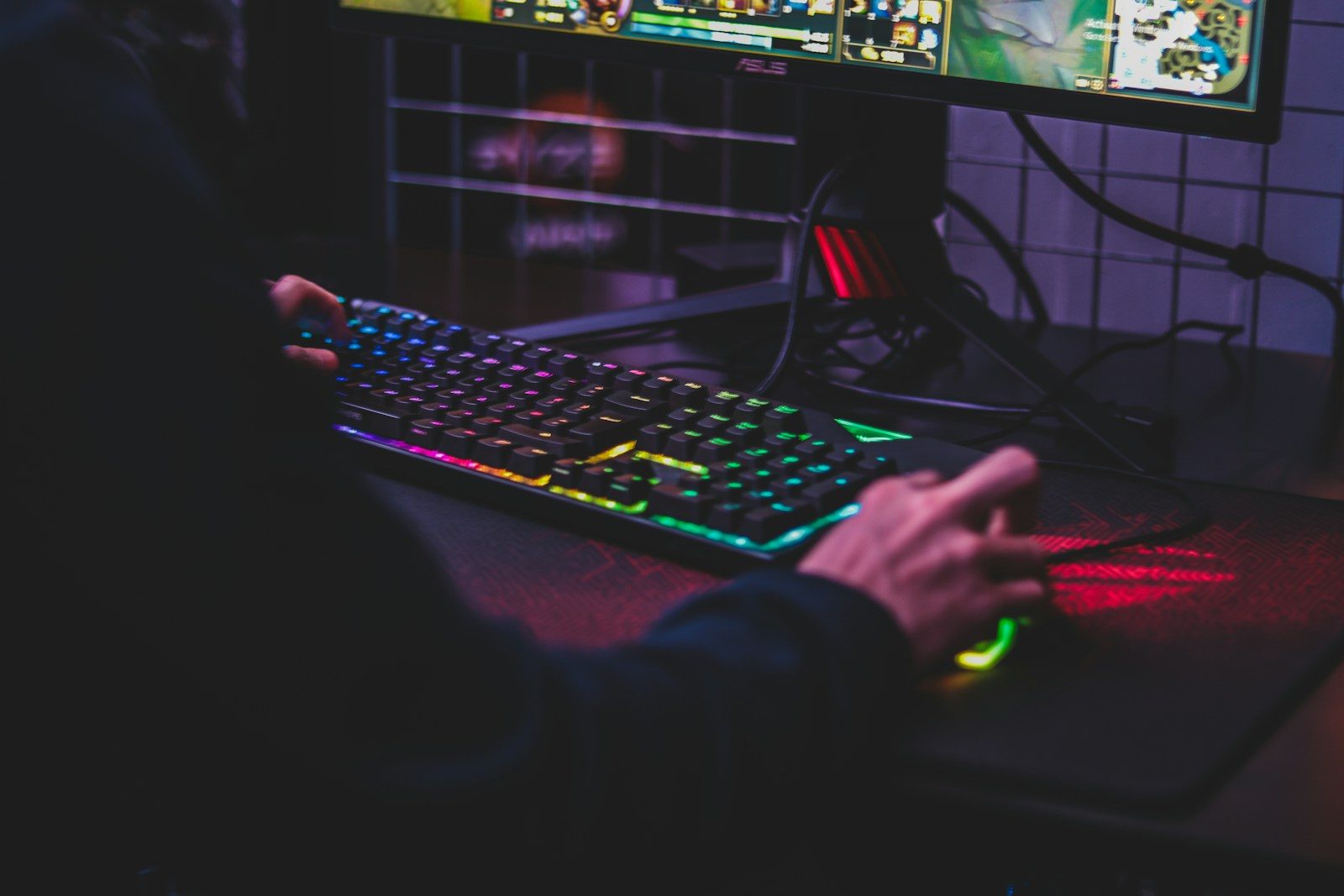
A regular keyboard is made for everyday typing, emails, homework, and office work. A gaming keyboard has a different job: it has to keep up when players press several keys quickly, hold movement keys, tap abilities, and react in a split second. That is why gaming keyboards often feel sharper, heavier, louder, smoother, or more responsive than basic models.
Many use mechanical, optical, or magnetic switches instead of simple membrane designs. They may also add anti-ghosting, N-key rollover, higher polling rates, stronger keycaps, software controls, and extra lighting. Those features are not just for show. They change how each keypress feels, registers, and responds during fast play.
Switches change the feel
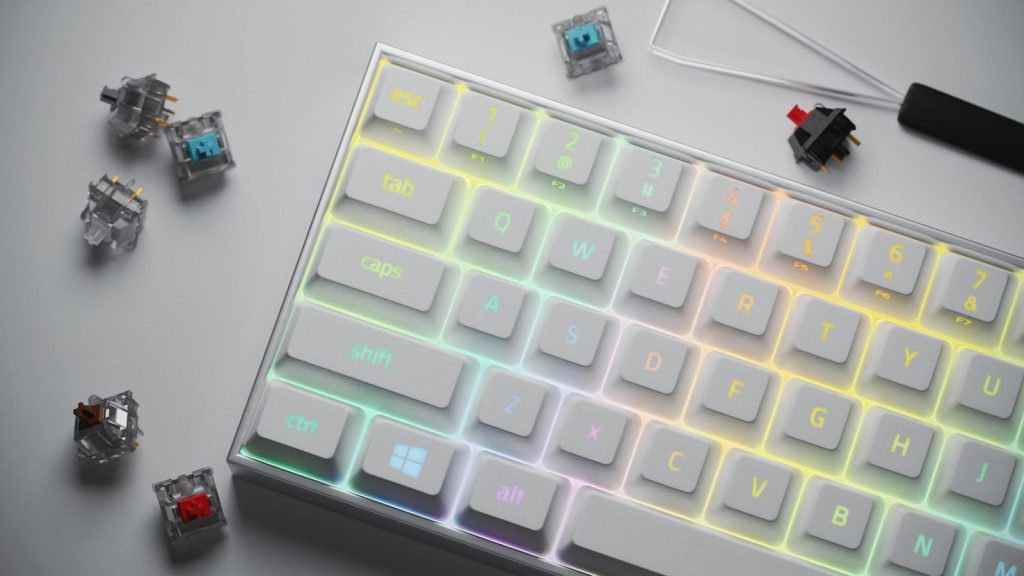
The biggest difference often comes from the switches under the keys. Many regular keyboards use softer membrane designs, while gaming keyboards often use mechanical, optical, or magnetic switches.
That changes the whole typing experience. Some switches feel smooth, some give a small bump, and some make a click. Logitech explains that linear switches can feel smooth for quick repeated presses, while tactile switches give feedback at actuation.
Keypresses feel more direct
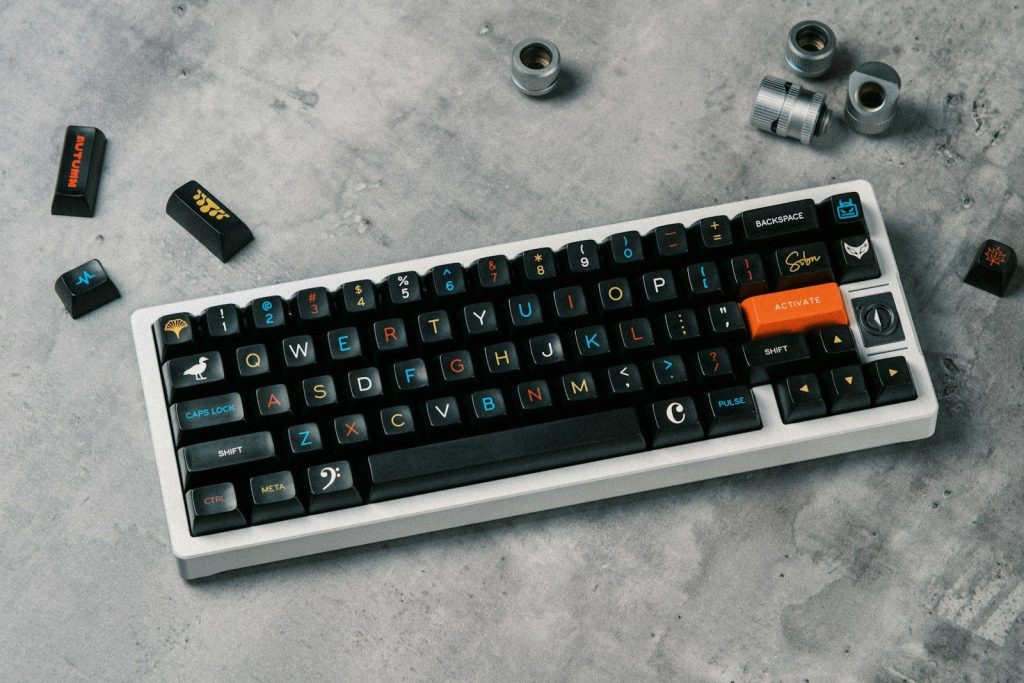
Gaming keyboards are usually built to make each press feel more exact. Instead of a soft, mushy landing, many switches give a clearer point where the key activates.
That helps players feel when an action has been sent. It can also make typing feel more satisfying, though not everyone likes the firmer or louder feel that some gaming boards have.
Fast actions need rollover
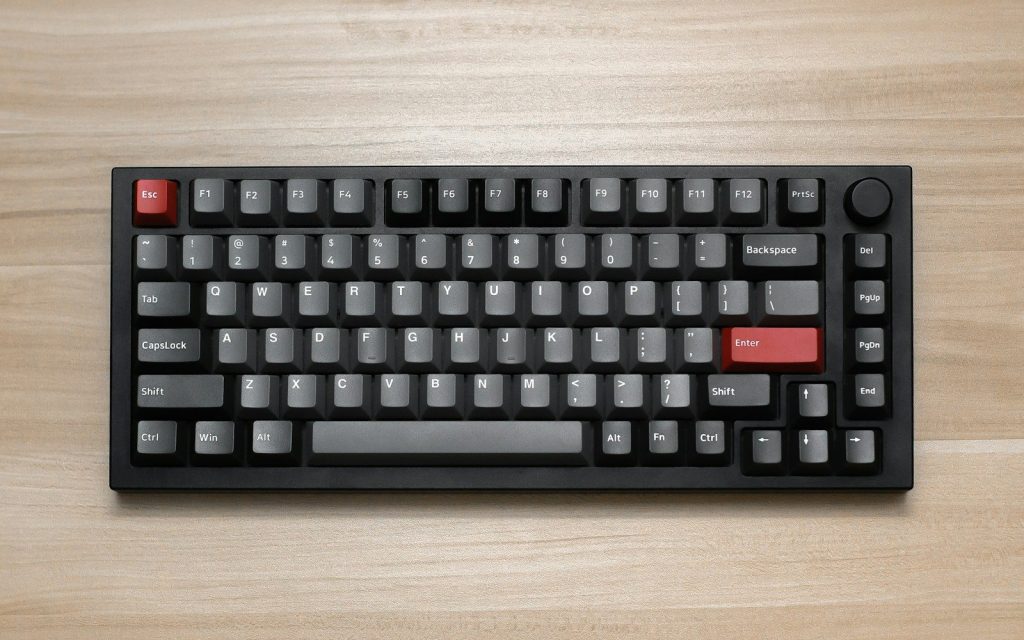
Games often ask players to press several keys at once. A regular keyboard may miss certain combinations, especially when movement, jumping, crouching, and abilities happen together.
That is where rollover matters. HP notes that N-key rollover can detect multiple key presses at the same time, which helps in games that require quick combinations.
Ghosting can break control
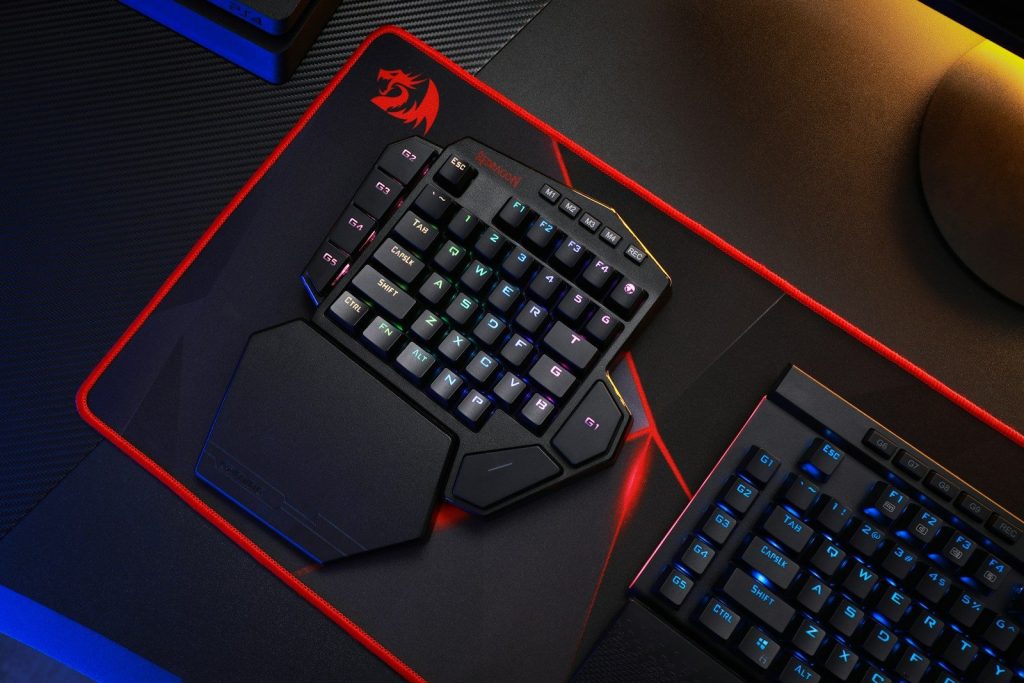
Keyboard ghosting happens when a key press does not register while other keys are being pressed. Microsoft explains that some keyboards fail with many three-key combinations.
In a game, that can feel like the keyboard ignored you. A gaming keyboard with better anti-ghosting can help actions register more reliably when your fingers are moving fast.
Polling rate affects response
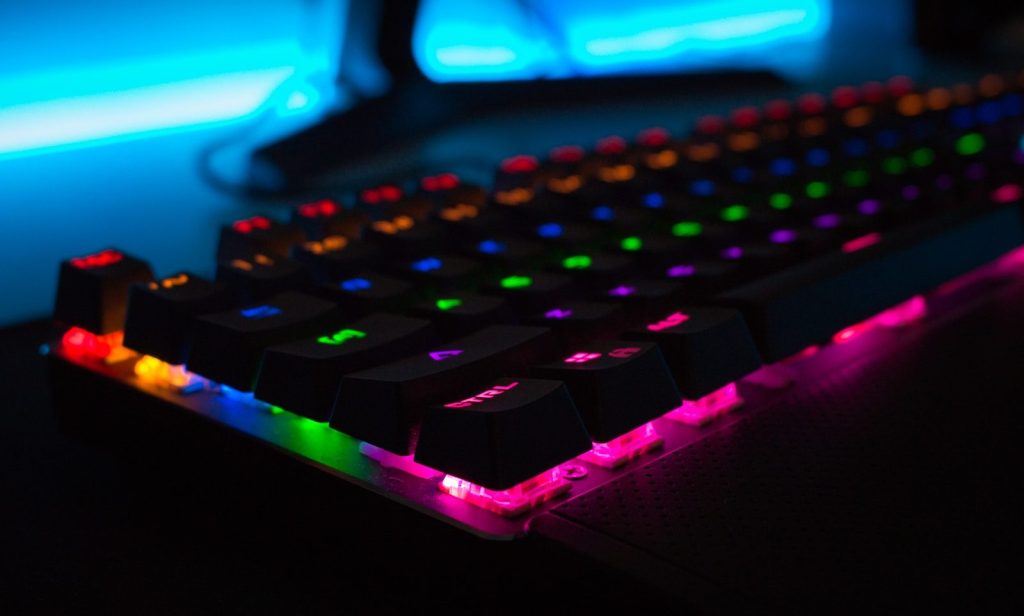
Polling rate means how often the keyboard reports input to the computer. Lenovo explains that a higher polling rate can update input signals more often during gameplay.
For casual typing, this may not feel dramatic. In fast games, though, players may care about every small delay. That is why many gaming keyboards highlight faster reporting and lower input lag.
Layouts are made for play
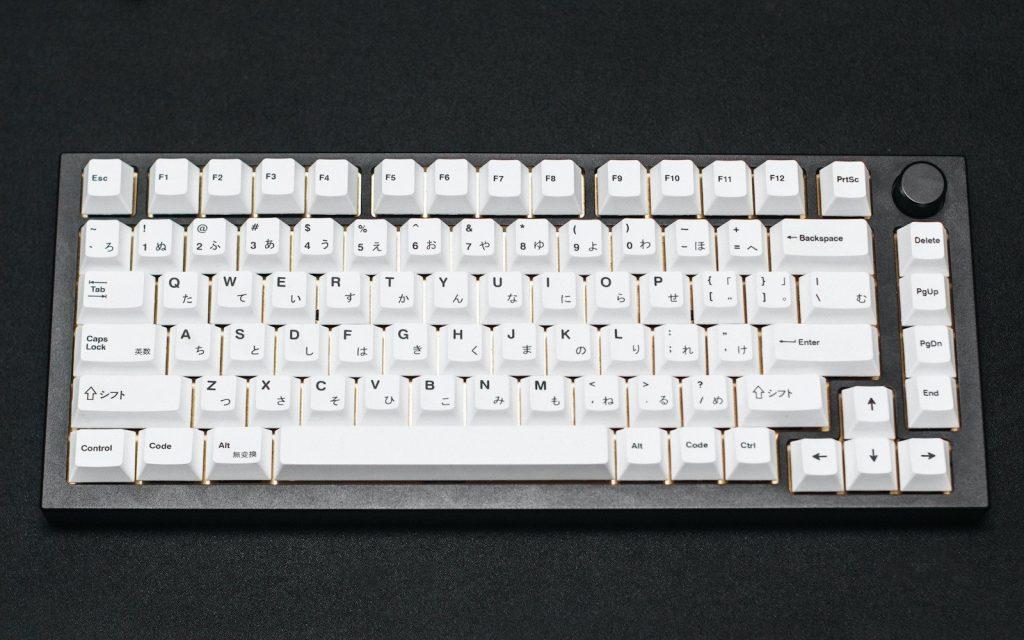
Gaming keyboards often come in compact layouts, such as tenkeyless or smaller sizes. These remove some keys, like the number pad, to give the mouse more room.
That can make a desk feel less crowded. It also helps players keep the keyboard and mouse closer together, which can feel more natural during long gaming sessions.
Software adds shortcuts
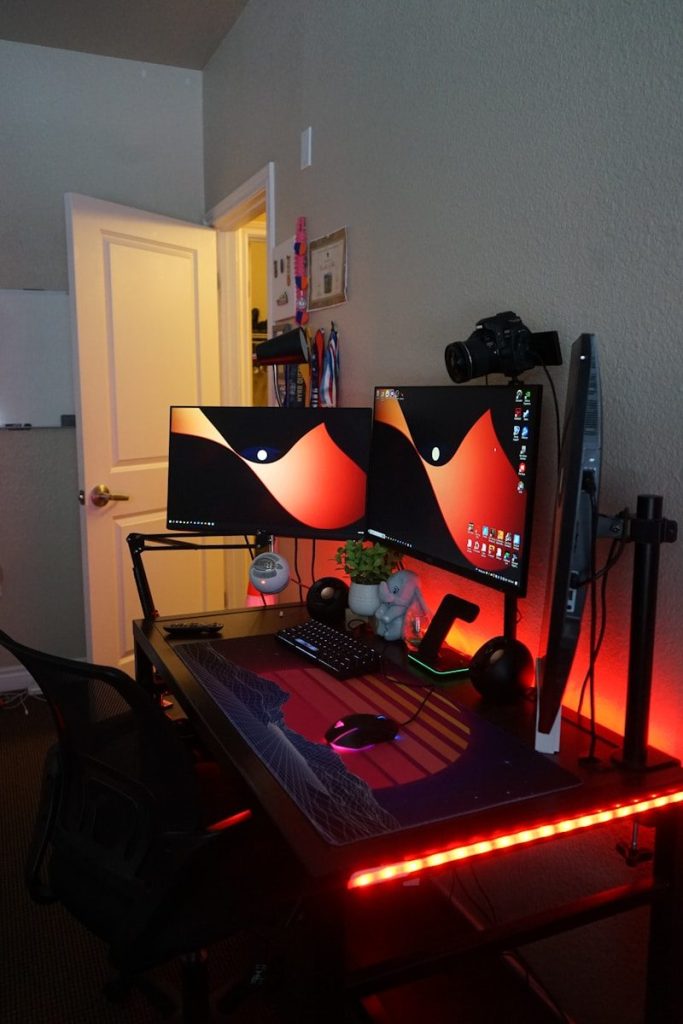
Many gaming keyboards include software for custom keys, lighting profiles, macros, and game-specific settings. These tools can make the keyboard feel more personal.
A player might set one profile for a shooter, another for a role-playing game, and another for daily typing. The keyboard becomes less like a fixed tool and more like a setup that changes with the user.
Keycaps can feel sturdier
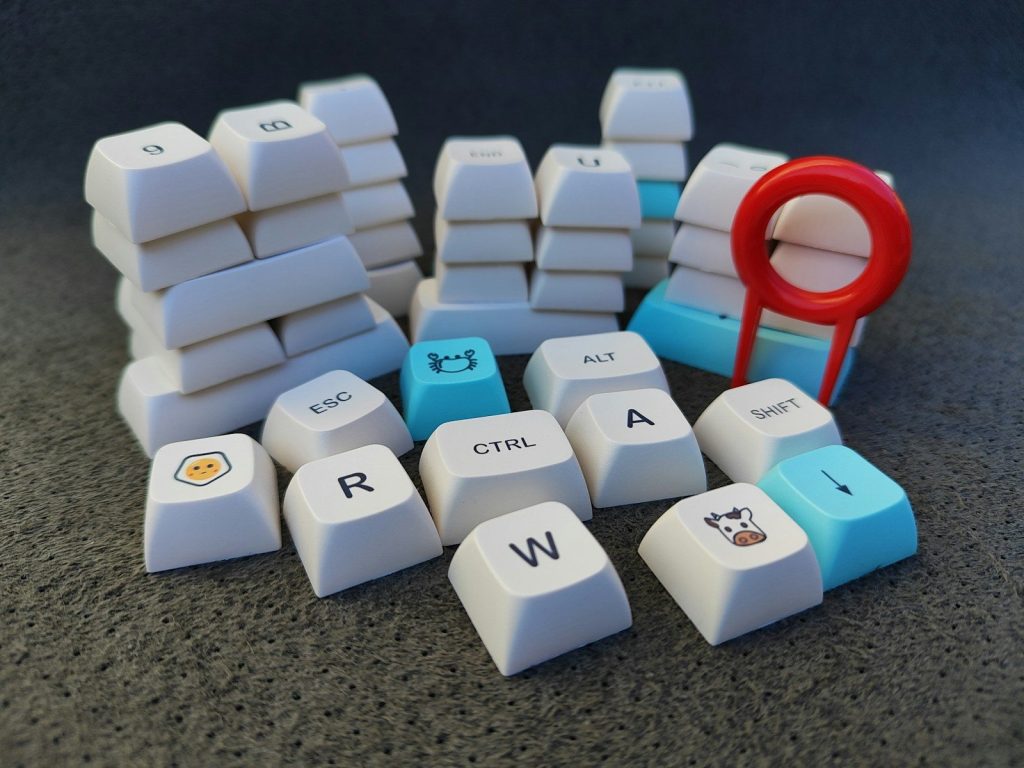
The keys themselves can also feel different. Many gaming keyboards use thicker or more durable keycaps than basic office keyboards, which can make each press feel more solid.
This matters because gaming can be rough on certain keys. Movement keys, spacebar, and shortcut keys may get pressed thousands of times, so a stronger build can make the keyboard feel better over time.
Sound becomes part of it
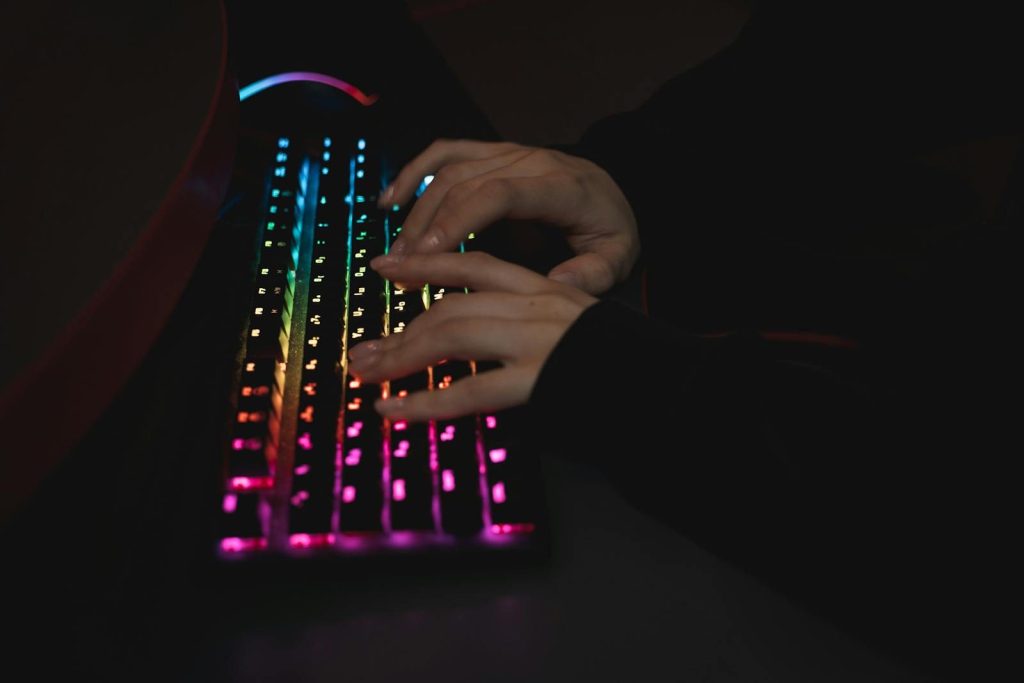
Gaming keyboards can be quiet, loud, clicky, deep, or soft depending on the switches and case design. That sound can make the keyboard feel more responsive.
Still, louder is not always better. Some people love a sharp click, while others prefer a quieter board for shared rooms. The feel is personal, and the sound is part of that choice.
RGB is not the whole story
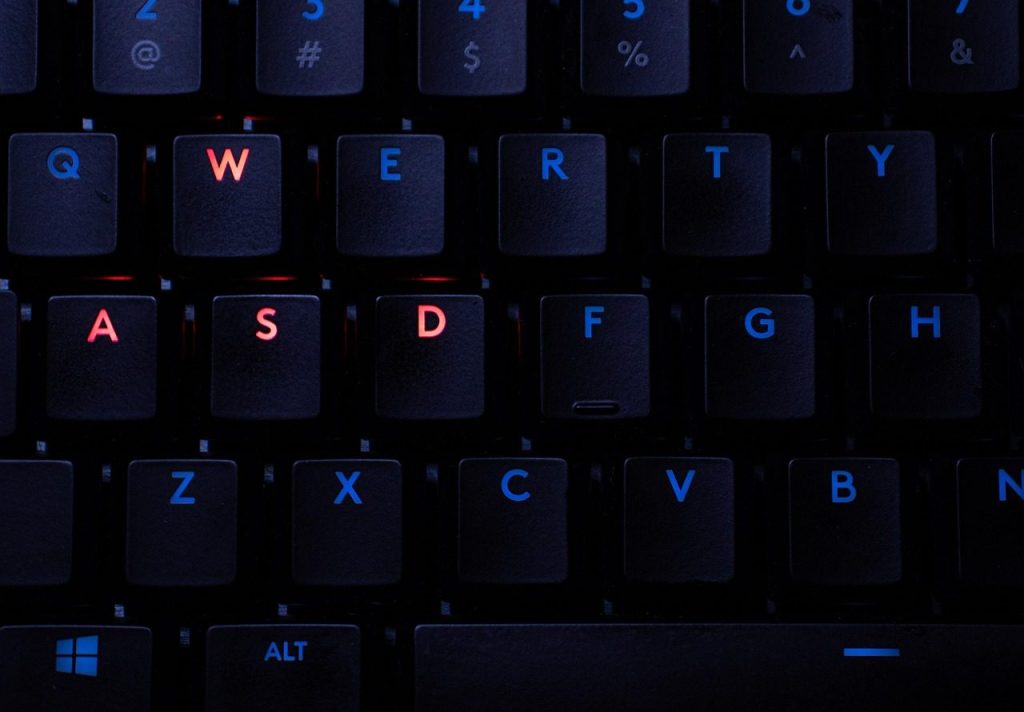
Lighting is the most visible feature, but it is not the main reason gaming keyboards feel different. The real changes are under the keys, inside the electronics, and in the software.
A good gaming keyboard feels different because it is built for faster input, stronger feedback, and more control. The colors may look fun, but the feel comes from how the keyboard is made.
Leave a Reply