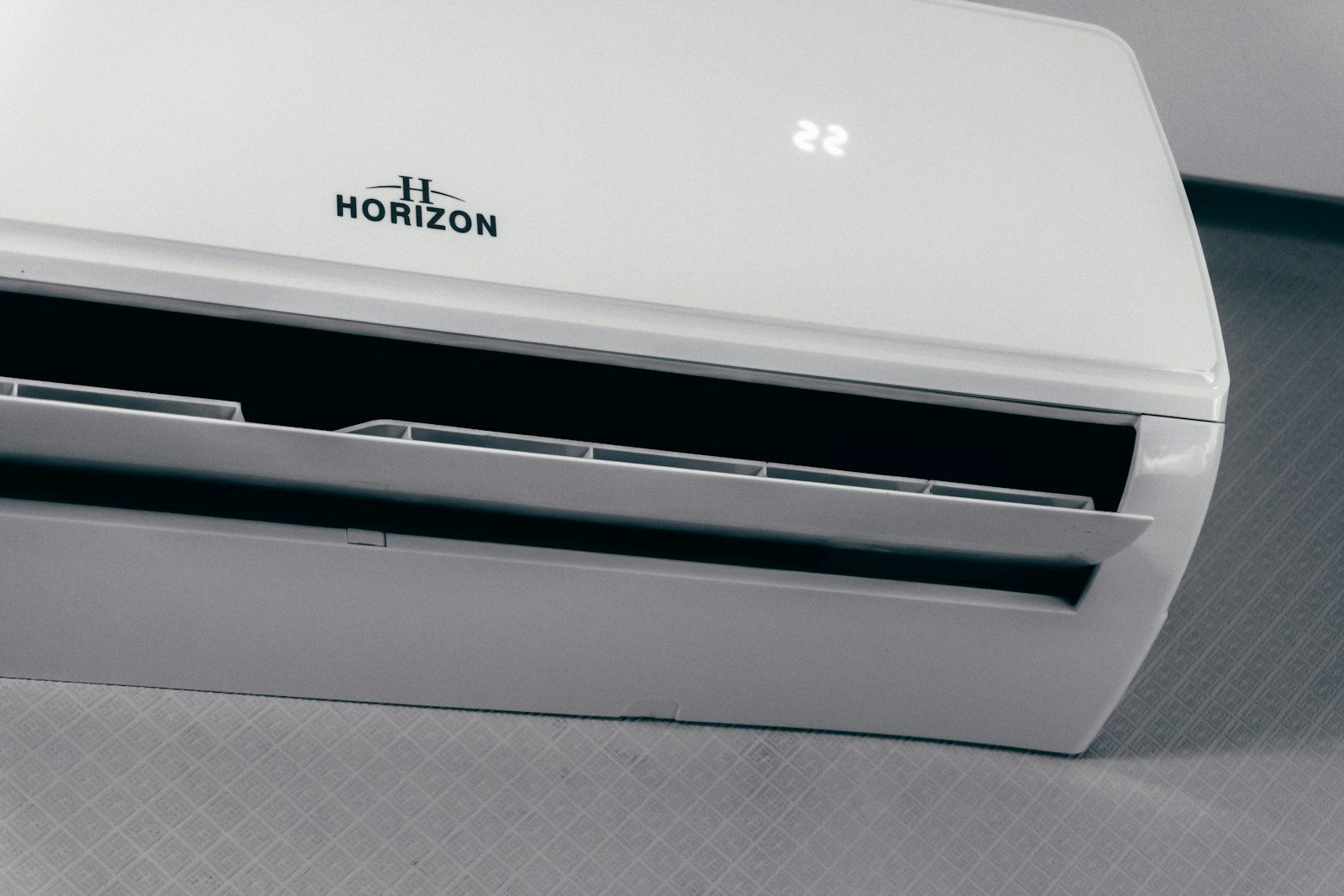
Air conditioning used to be simple but stubborn. You turned it on, waited for the room to cool, and hoped the bill would not jump too much. Smart AC units are changing that daily routine. Many newer models can connect to apps, follow schedules, show energy use, and let people adjust cooling without walking across the room.
ENERGY STAR notes that many certified room air conditioners now include connected features such as remote control, scheduling, and energy-use feedback. The U.S. Department of Energy also says smart temperature setbacks can help reduce heating and cooling costs when used well. That is why smart AC is not just about tech anymore. It is about comfort that feels easier to manage.
Control is now more convenient
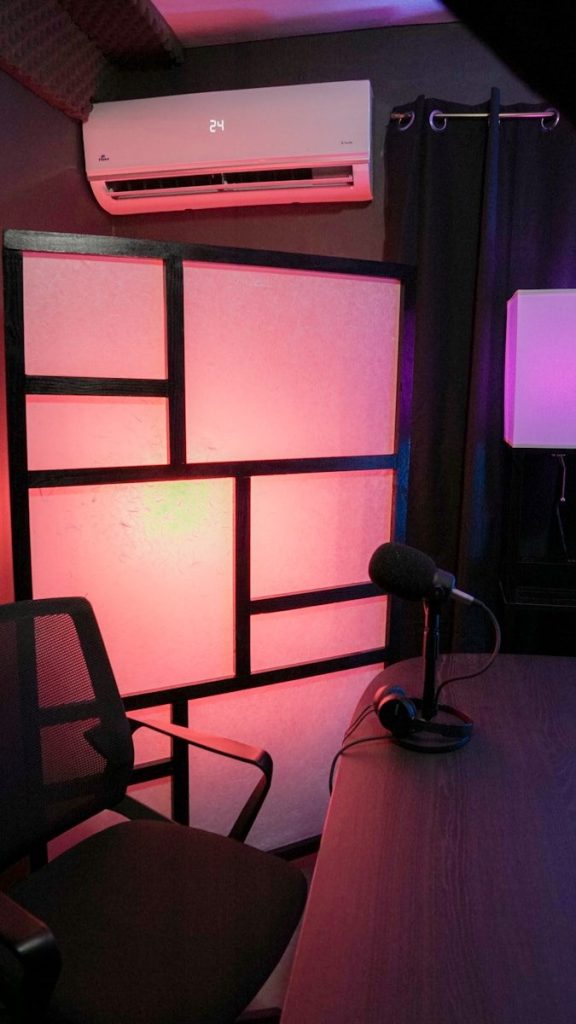
Smart AC units make cooling easier because people do not have to stand in front of the unit every time they want a change. An app can turn the system on, off, or adjust the setting from another room.
That simple control matters on busy days. Someone can cool a bedroom before bedtime, turn off an AC that was left running, or make a quick change without breaking their routine.
Schedules reduce daily fuss
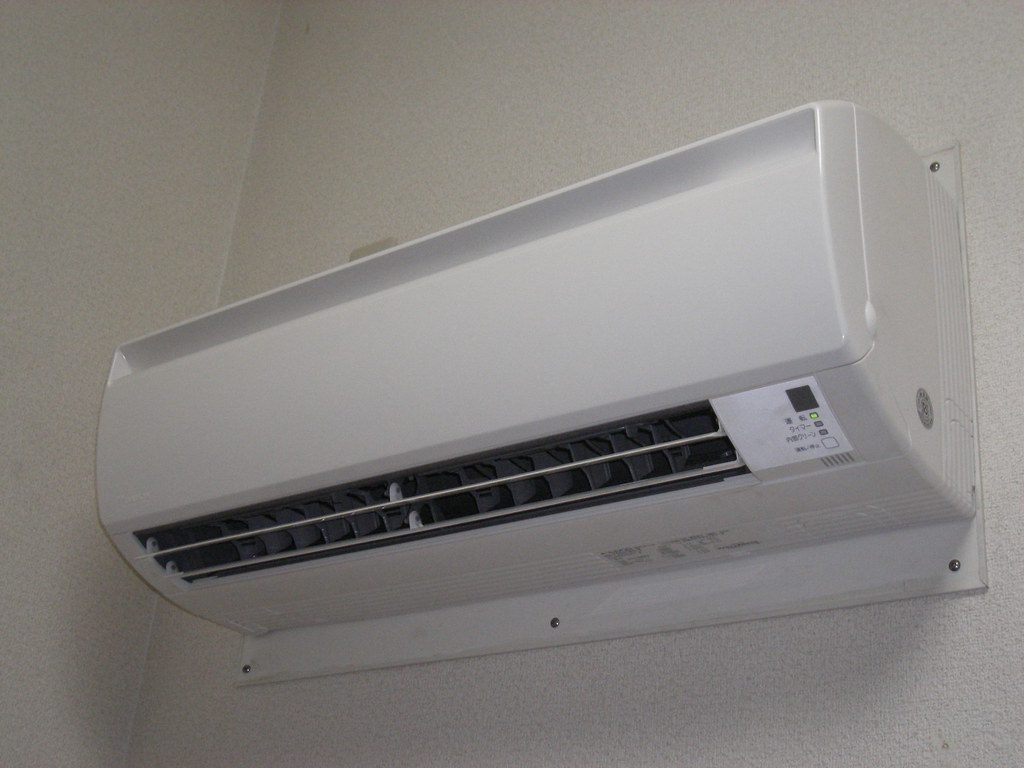
Scheduling is one of the biggest reasons smart AC units feel easier to live with. Instead of changing the temperature over and over, users can set a daily cooling pattern.
That helps the AC match real life. It can run more before people get home, ease back when rooms are empty, and avoid wasting cool air during hours when nobody needs it.
Energy feedback feels useful

Many smart AC units can show energy-use information, which helps people understand how their cooling habits affect the bill. ENERGY STAR lists energy-use feedback as one benefit of connected room air conditioners.
That feedback can make cooling feel less like a guessing game. When people see how long the unit runs, they can make smarter choices about schedules, temperature settings, and room use.
Comfort can follow the room

Smart AC features are not only about saving energy. They are also about making comfort feel more personal. A room can be cooler for sleep, lighter during the day, and less chilly when no one is inside.
That kind of control is helpful in homes where different rooms heat up at different speeds. A sunny office, upstairs bedroom, or small apartment can be managed more carefully.
Voice control adds ease
Many smart AC units or smart controllers can work with voice assistants. That makes small adjustments easier when someone is cooking, working, relaxing, or getting ready for bed.
Voice control is not needed for everyone, but it can remove little annoyances. Asking for a cooler room feels easier than finding a remote, opening a menu, or walking across the room.
Better standards may help
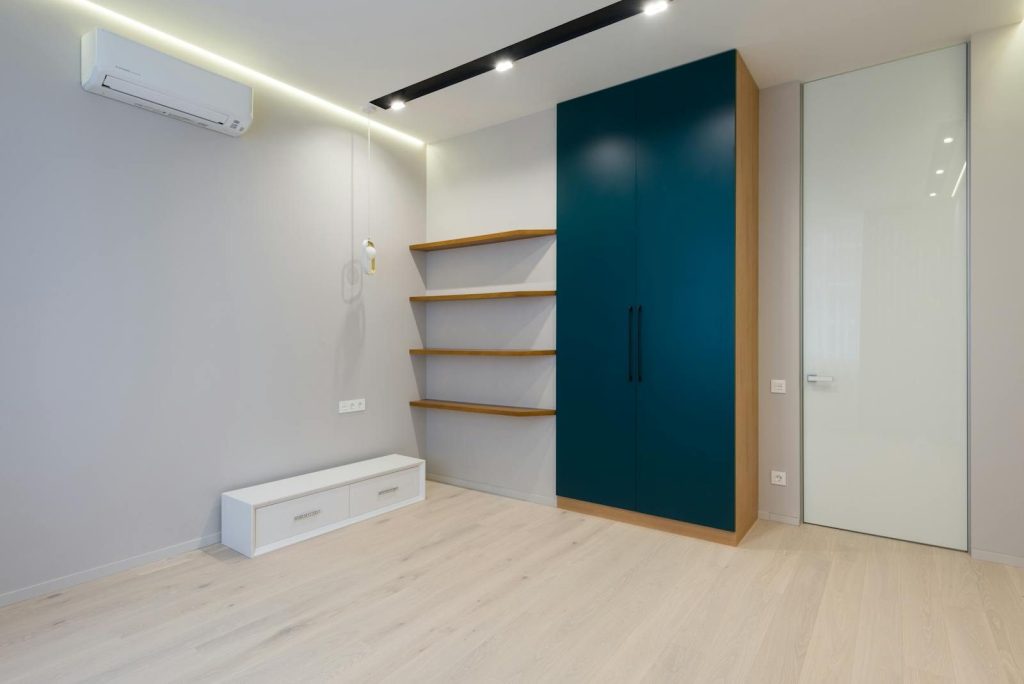
Smart home setup has often been confusing because different devices work with different apps and systems. Newer standards like Matter are meant to improve how connected devices work together across brands.
That matters for smart AC buyers. When devices become easier to connect and manage, people can focus more on comfort, room size, and energy use instead of worrying about app confusion.
Thermostats play a role
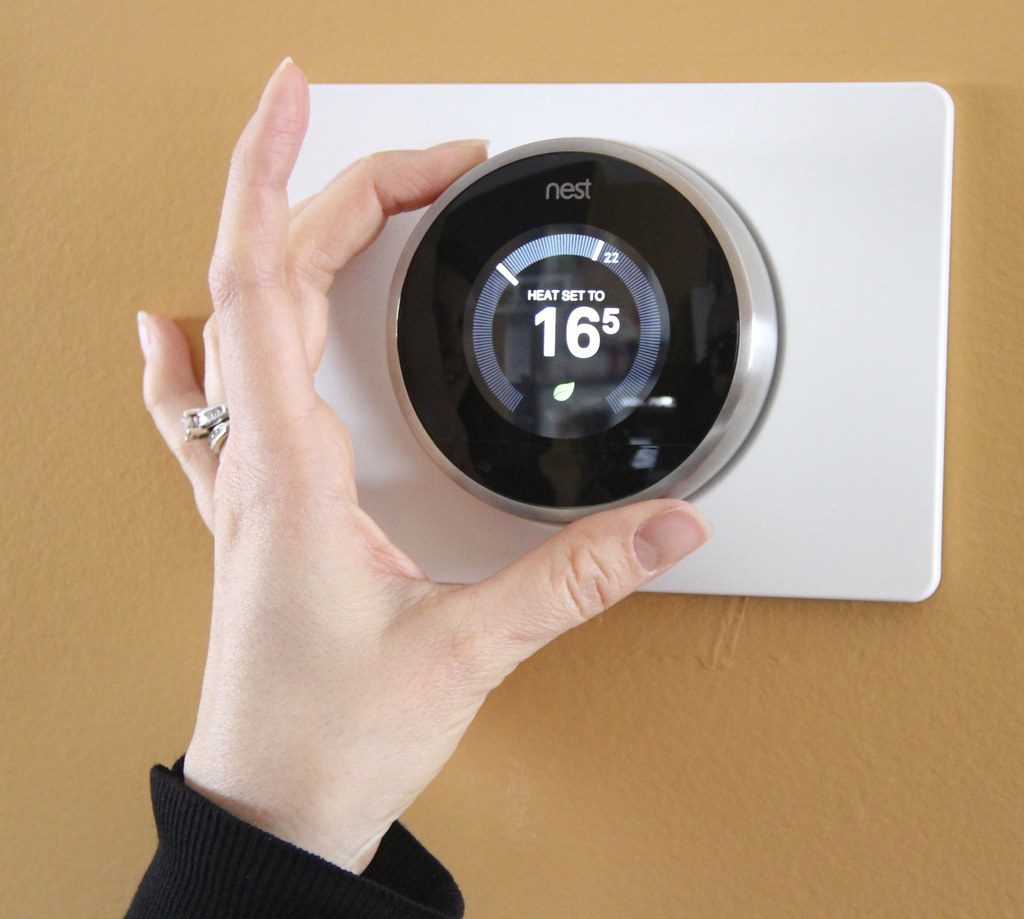
Smart AC living is also tied to better thermostat control. ENERGY STAR says certified smart thermostats are independently certified to deliver energy savings, and heating and cooling take a large share of many home energy bills.
That makes smarter control valuable. Whether the system is a room unit or central cooling, better temperature management can help comfort feel more automatic and less wasteful.
Remote access brings peace
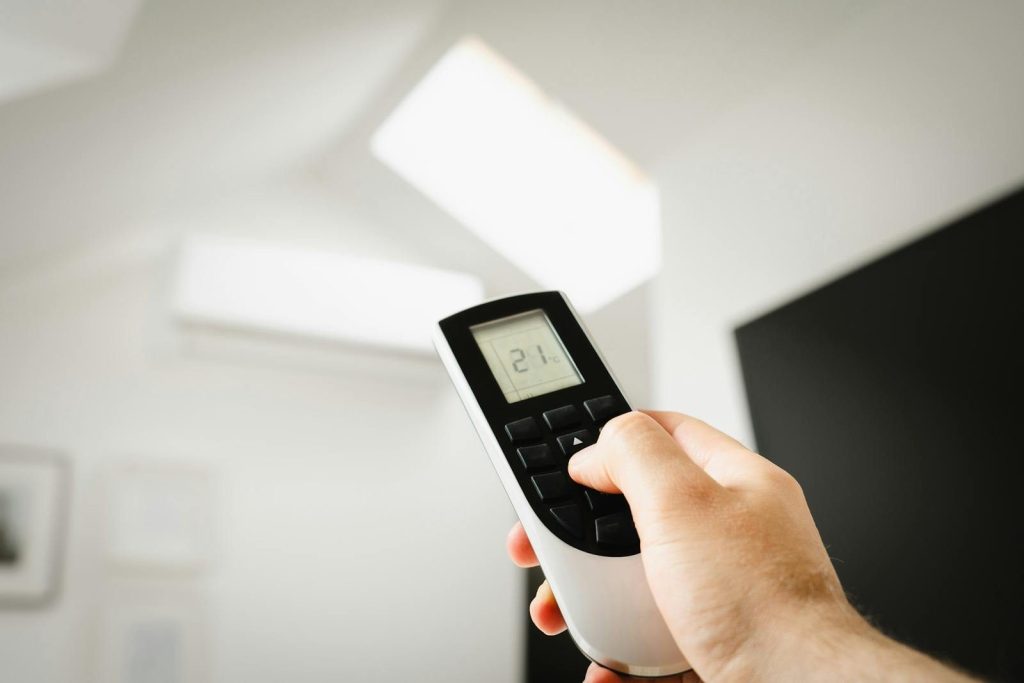
Remote access is a small feature that can feel big in real life. If someone leaves home and wonders whether the AC is still running, they may be able to check from a phone.
That can reduce stress and wasted energy. It also helps during hot days, when cooling a room before arriving home can make the first few minutes indoors feel much better.
Efficiency is easier to use
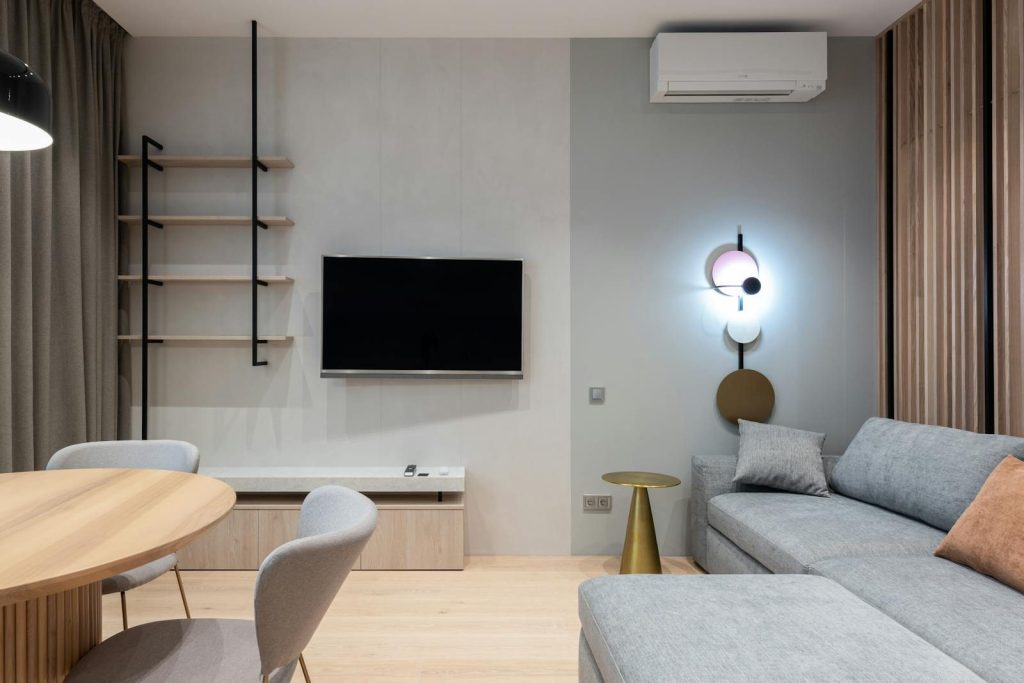
Saving energy used to mean remembering every setting yourself. Smart AC features make those habits easier because schedules, app controls, and thermostat setbacks can do some of the work.
The Department of Energy says households can save as much as 10% a year on heating and cooling by turning thermostats back 7 to 10 degrees for 8 hours a day. Smart controls can help make that routine easier.
The best smart AC feels simple

The best smart AC features do not make cooling more complicated. They make the unit easier to understand, easier to adjust, and easier to fit into daily life.
That is why smart AC units are becoming more livable. The strongest upgrades are not flashy. They are practical: better control, clearer feedback, smarter schedules, and fewer little moments of frustration.
Leave a Reply