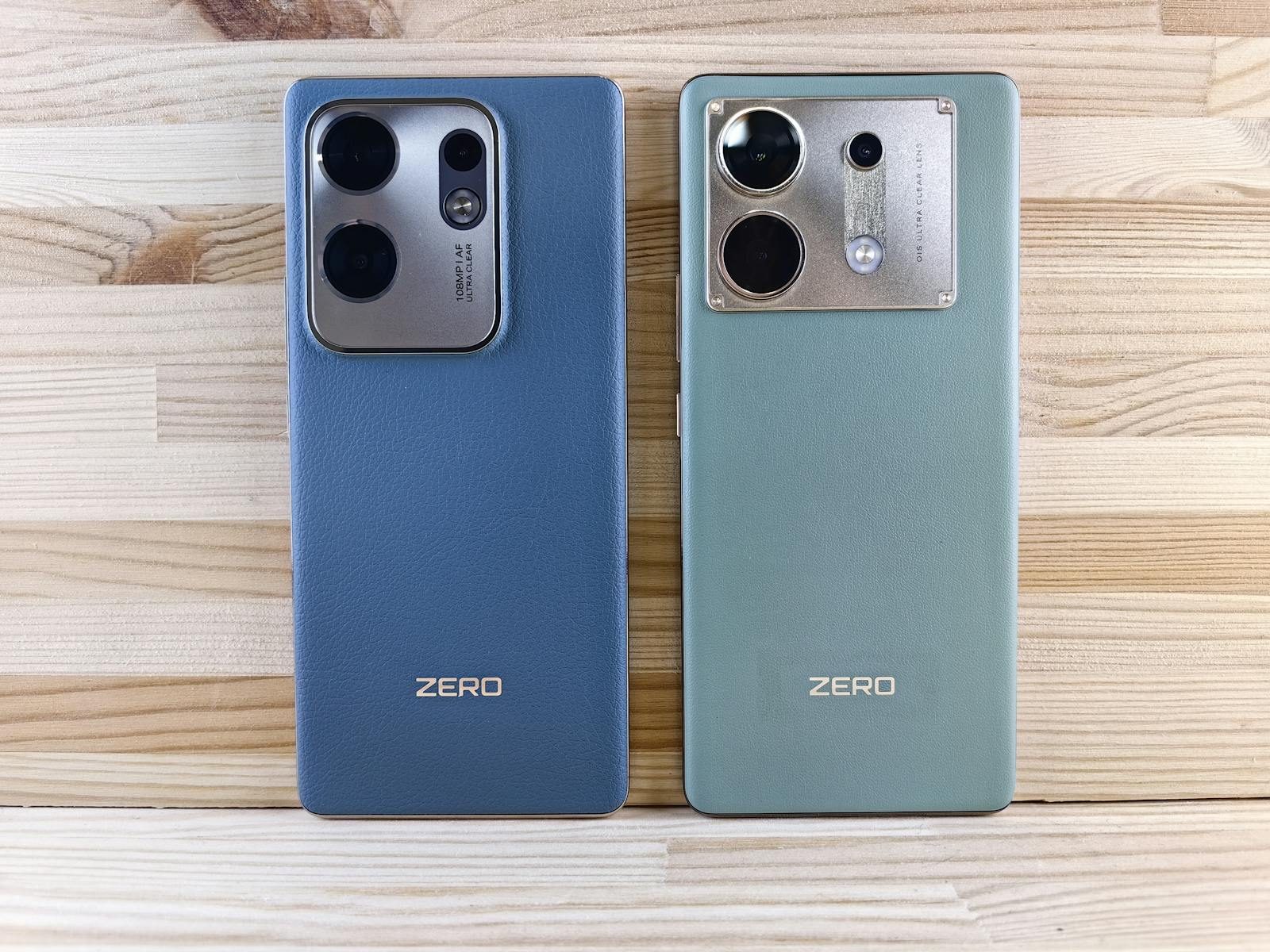
For years, many people picked a phone by checking the camera, battery, price, or operating system. Those things still matter, but design is becoming a stronger reason to switch. A phone is now something people hold all day, carry everywhere, and often see as part of their personal style. The shape, weight, screen size, camera layout, colors, materials, buttons, and foldable features can all affect how a phone feels in daily life.
Apple highlights thinner borders, contoured edges, Ceramic Shield materials, and a 120Hz display on iPhone 17, while Samsung keeps pushing foldable designs in its Galaxy Z line. Google has also made the Pixel camera bar a clear design signature.
Design now feels personal
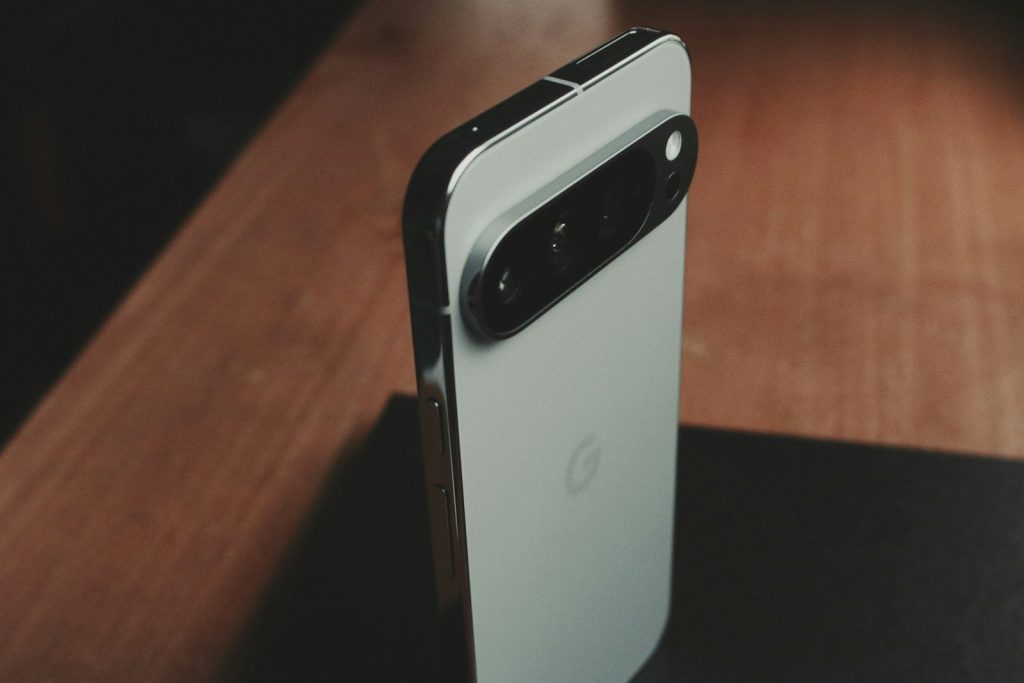
A phone is not just a tool anymore. It is one of the few devices people touch dozens of times a day, so the way it looks and feels can matter a lot.
That makes design more emotional. A person may switch brands because one phone feels sleeker, lighter, easier to hold, or more like their style. Specs can win attention, but comfort often wins loyalty.
Foldables change the pitch

Foldable phones have made design feel exciting again. Instead of every phone being one flat glass rectangle, foldables offer shapes that open, close, stand, and fit pockets differently.
Samsung’s Galaxy Z line focuses on foldable designs with large-screen multitasking and compact flip options. For some buyers, that fresh shape is enough to consider leaving a familiar brand.
Thin bezels feel modern
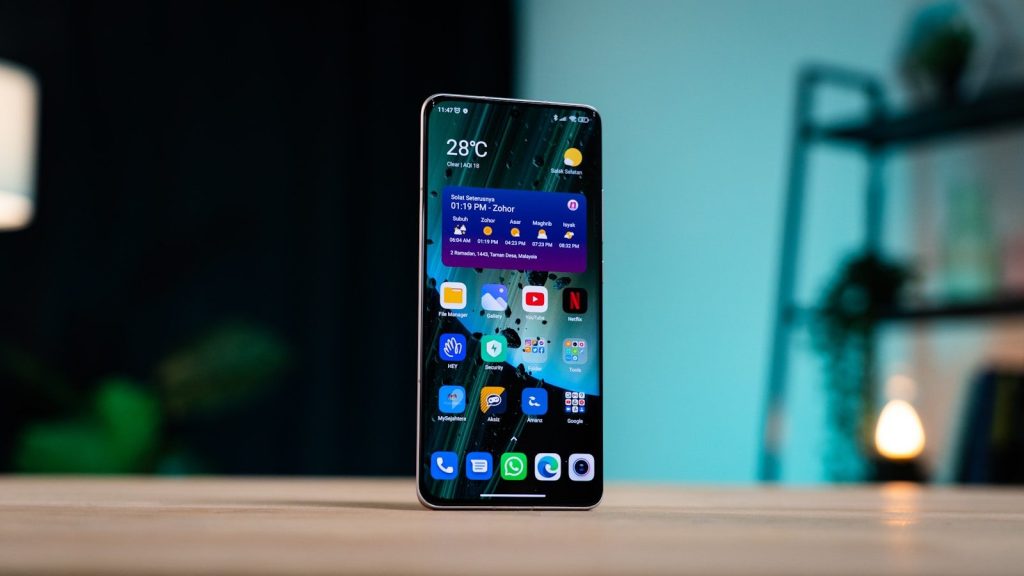
Thinner borders can make a phone feel newer even before someone checks the specs. More screen and less frame can make videos, games, reading, and photos feel more immersive.
Apple describes iPhone 17 with thinner borders, contoured edges, and a 6.3-inch Super Retina XDR display. That kind of design language helps make a phone feel polished, not just powerful.
Materials affect daily comfort
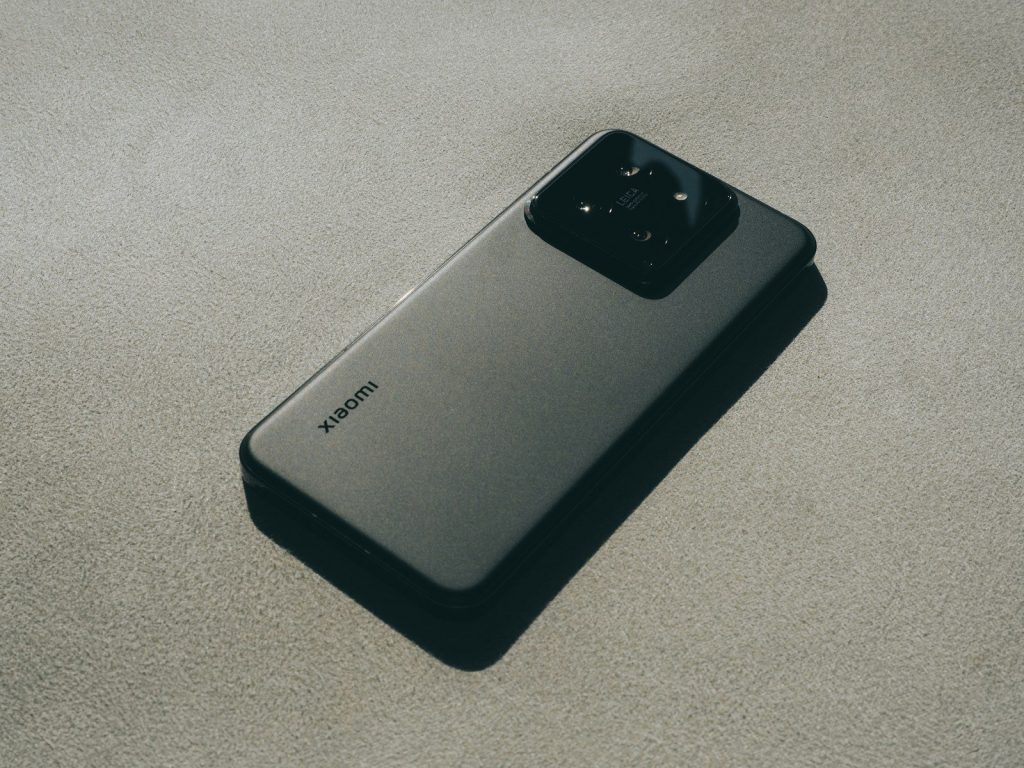
Phone materials can change the whole experience. Metal, glass, matte finishes, textured backs, and stronger screen coverings all affect grip, weight, durability, and feel.
Apple has promoted materials such as Ceramic Shield and titanium in recent iPhone designs, while Google describes the Pixel 9 Pro design with matte back glass and polished aluminum. Those details can make a phone feel more premium in the hand.
Camera layouts become identity
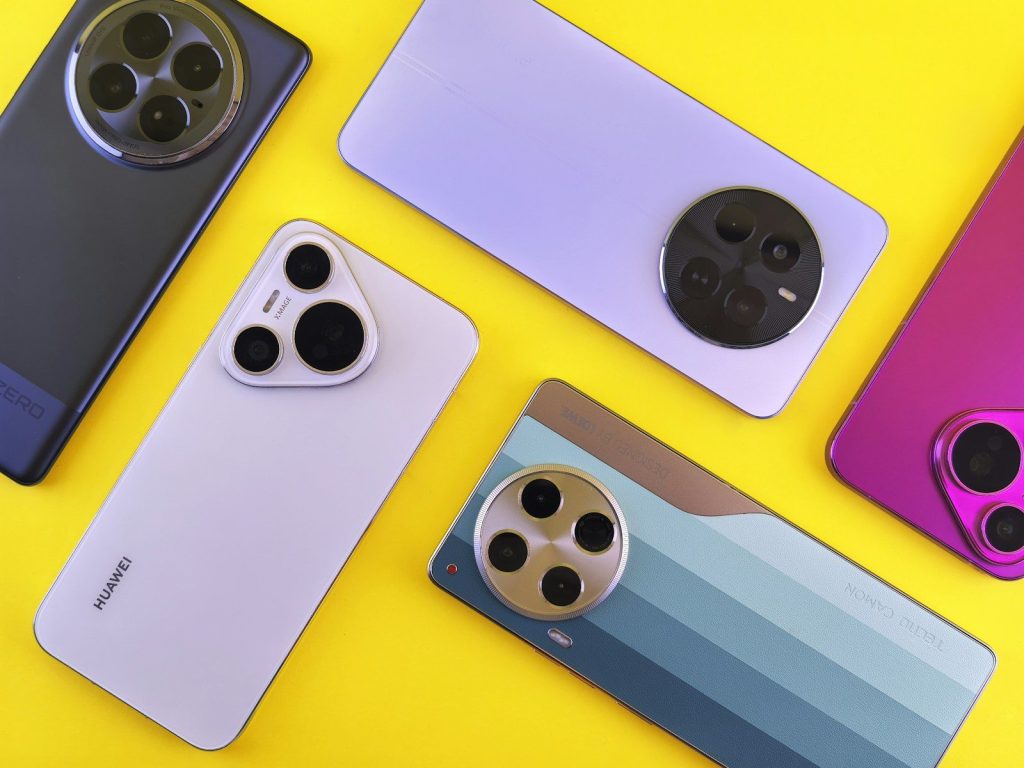
Camera design is now part of brand identity. People can often recognize a phone from the back before they even see the logo.
Google’s Pixel camera bar is a strong example. Google explained that the camera bar was built as a visual design feature, and the Pixel Fold adjusted that look for a more balanced foldable shape. That kind of signature can make a brand feel distinct.
Buttons can change habits
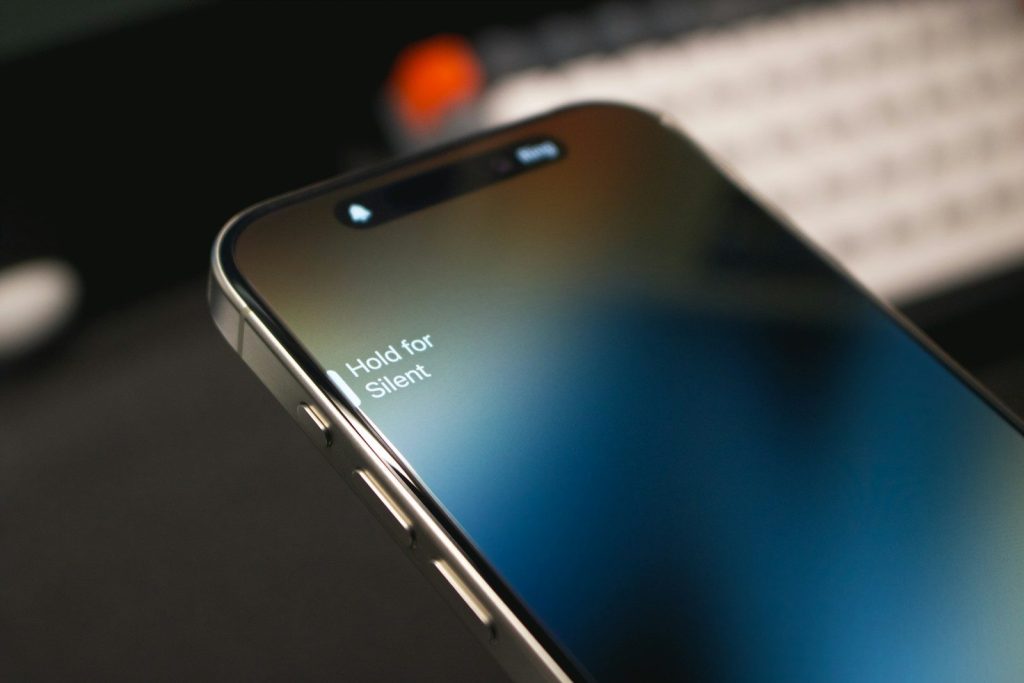
Small design choices can change how people use a phone. A button for quick actions, camera controls, or silent modes can make the device feel more direct and personal.
Apple introduced the Action button on iPhone 15 Pro models and later support pages describe newer iPhones with Action button and Camera Control placements. These hardware touches can become reasons some users prefer one brand’s feel over another.
Outside screens add value
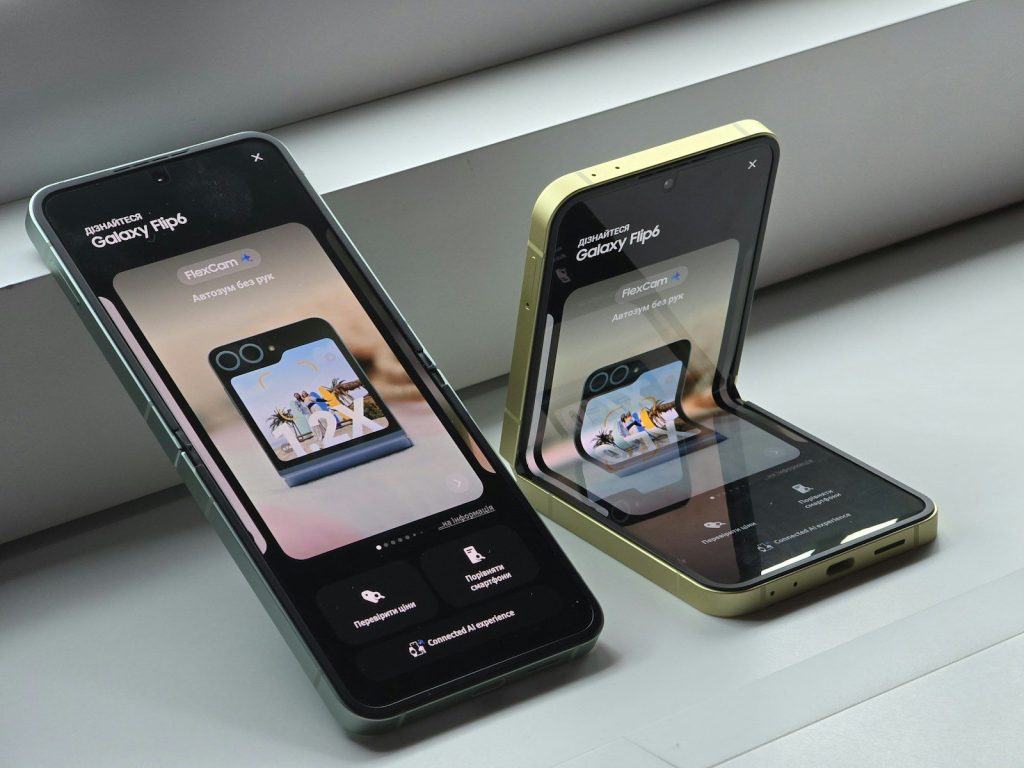
Flip phones are gaining attention because the outside screen can do more. Users may check messages, take photos, control music, or view updates without opening the full phone.
Motorola describes its razr as a flip phone with a large external display and a 6.9-inch pOLED screen inside. That design gives people a different routine, which can make switching feel practical instead of risky.
Weight matters more now
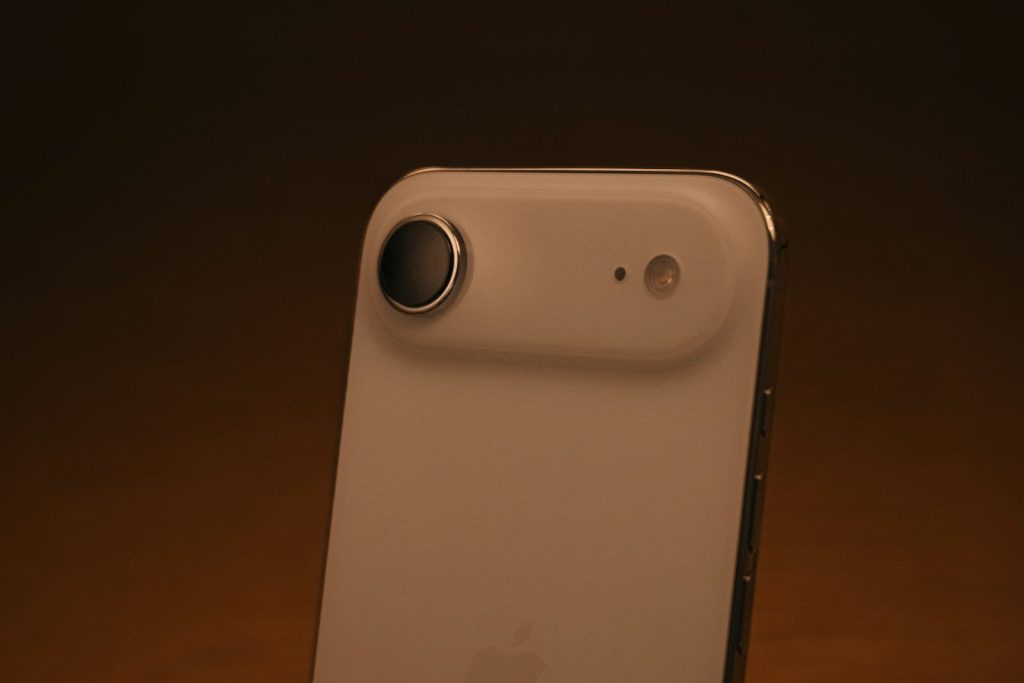
A phone can have great features but still feel tiring if it is too heavy or awkward. As screens get larger, comfort becomes a bigger part of design.
People notice weight during long calls, scrolling, gaming, reading, or taking photos. A lighter or better-balanced phone may feel easier to live with, which can make buyers rethink the brand they usually choose.
Colors help phones stand out
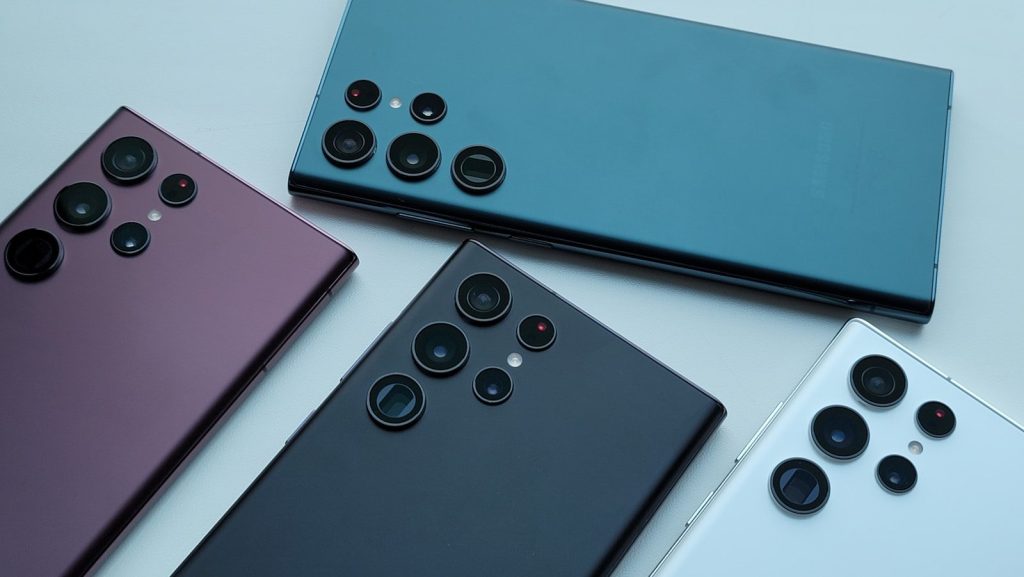
Color may seem simple, but it can influence a purchase. Many users want a phone that feels fun, clean, bold, or professional before they even add a case.
Brands now treat color and finish as part of the full design story. Matte glass, polished frames, soft tones, and brighter shades can help a phone feel less generic and more personal.
Switching can start with feel
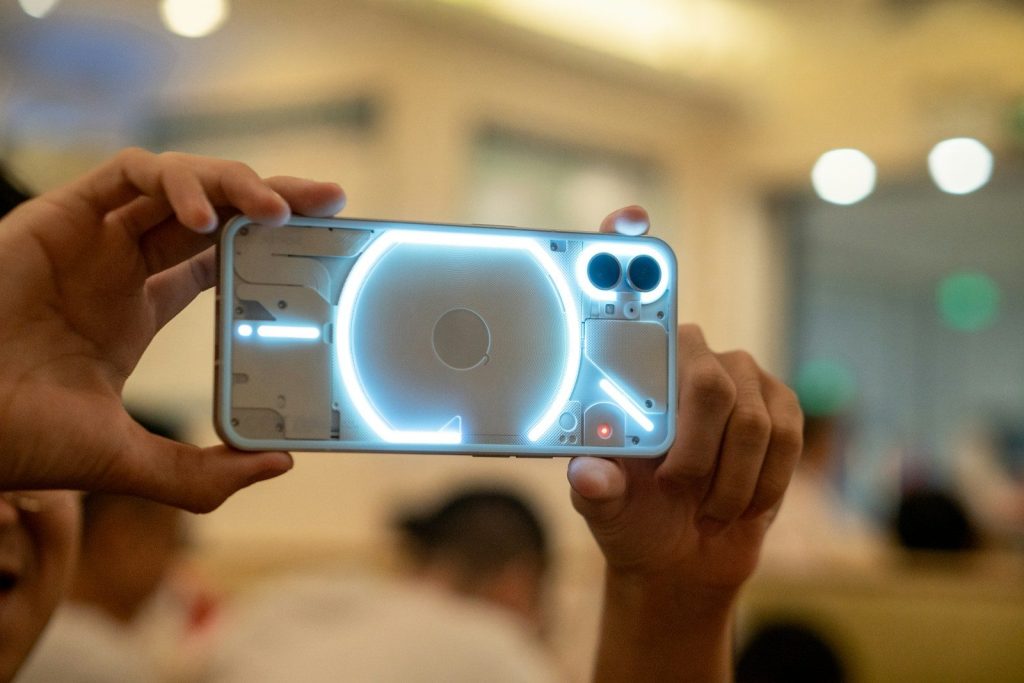
People may say they switch brands for cameras, battery life, or software, but design can be the first thing that pulls them in. The phone has to look good and feel right.
That is why design is becoming a real selling point. Foldables, thinner borders, signature camera bars, new buttons, better materials, and more comfortable shapes can make another brand feel worth trying.
Leave a Reply