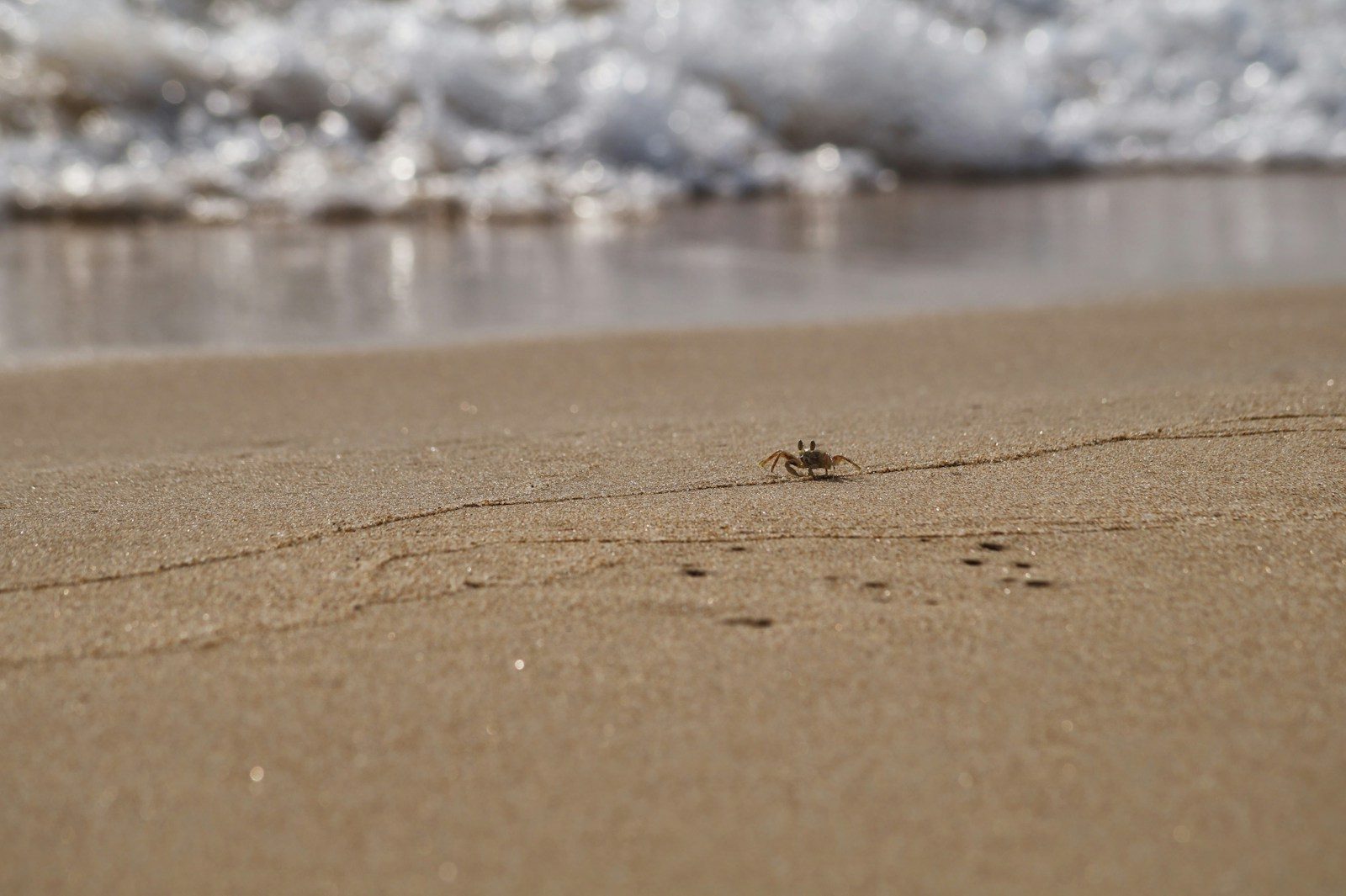
If you’ve ever watched a crab on the beach, you’ve probably wondered why they move in such a weird way. While most animals walk forward, crabs have spent the last 200 million years perfecting the “sidestep.” This isn’t an accident or a mistake of nature; it is a highly advanced survival strategy.
Scientists call this evolutionary obsession “Carcinization.” It turns out that nature wants to turn things into crabs because the design is so efficient. But the sideways walk is the most critical part of that design. It allowed crabs to conquer the ocean floor and survive multiple mass extinctions. But what exactly is the secret benefit of never looking where you are going?
A Masterpiece of Joint Engineering
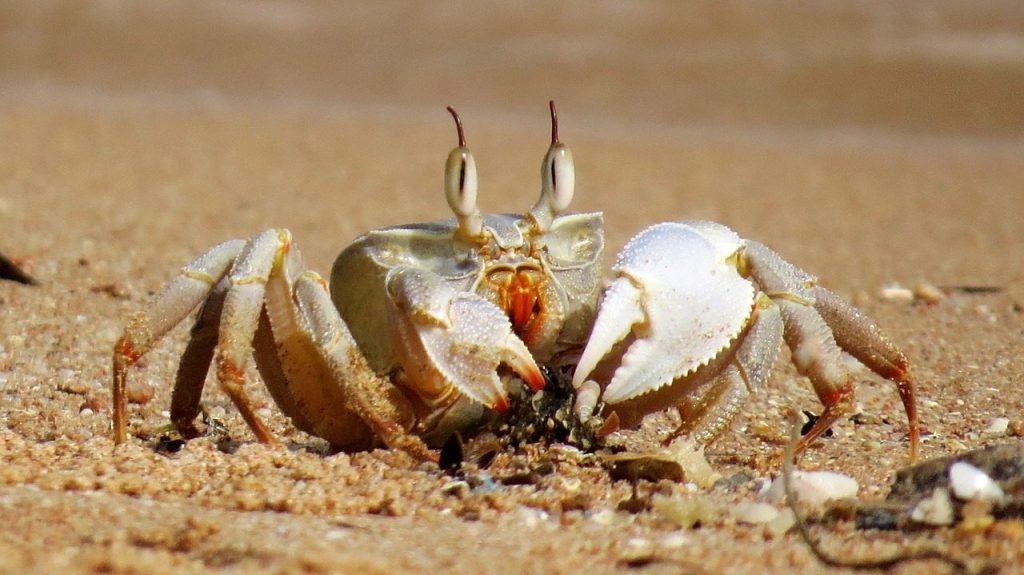
The real reason crabs walk sideways is all in their “knees.” Because their bodies are wide and flat, their legs are attached to the sides of their torso. The joints in their legs only bend up and down, like a hinge on a door.
If they tried to walk forward, their legs would trip over each other or snap under pressure. By walking sideways, their legs can move in a smooth and efficient arc. It is a work of art in mechanical engineering that allows them to move quickly without much energy. But can they really run faster than you?
The Ultimate Defensive Maneuver
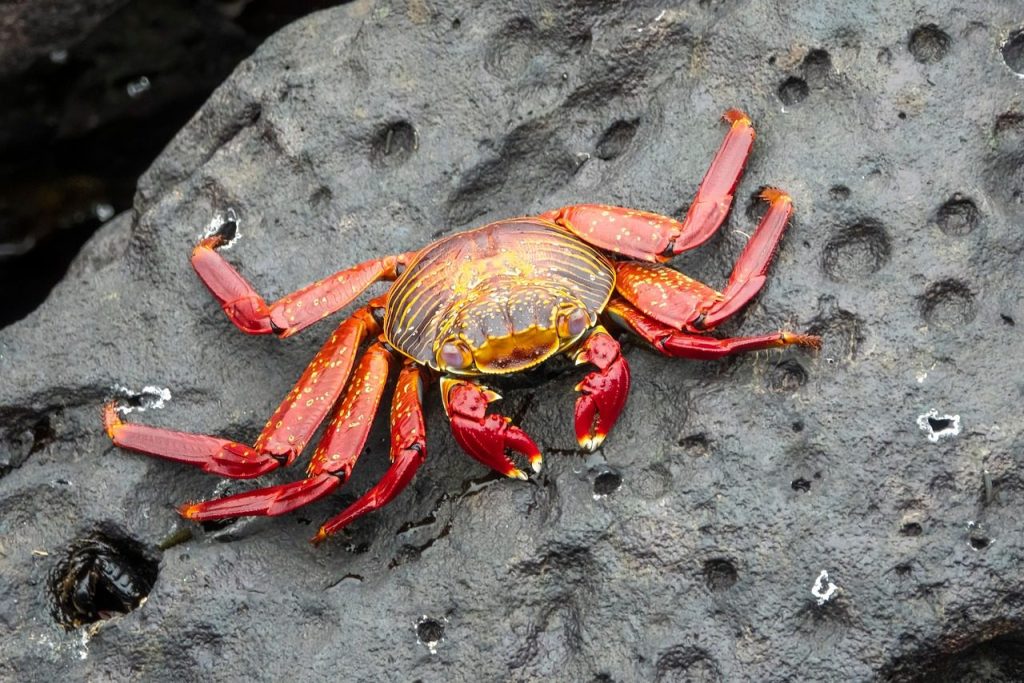
Walking sideways gives crabs a 360-degree defensive advantage. Because their eyes are on stalks, they can see in every direction at once. By moving sideways, they can keep their powerful claws pointed directly at a predator while they escape into a hole.
If they ran forward, they would have to turn their back on the enemy to run away. The sidestep allows them to be the ultimate “tank” of the sea floor—armored on all sides and always ready to fight. But how does this help them hide in the sand?
Speed-Digging into the Deep
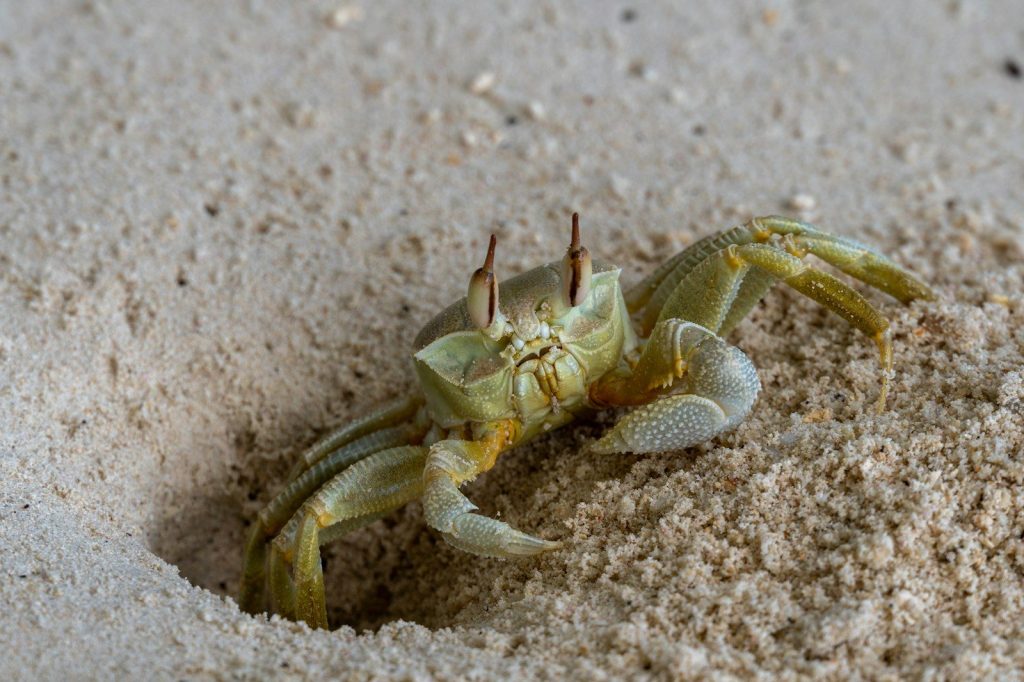
The sideways movement is also the perfect “drill.” When a crab needs to hide from a bird or a shark, it uses its legs to shovel sand out from under its body in a sideways motion. They can disappear into the sea floor in less than three seconds.
The flat, wide shape of their body acts like a spade, and the sidestep provides the power. It is a “vanish” trick that has kept them alive for millions of years. Forward-walking animals just can’t dig with the same speed. But is there a catch to being built like a pancake?
The Narrow Gap Advantage
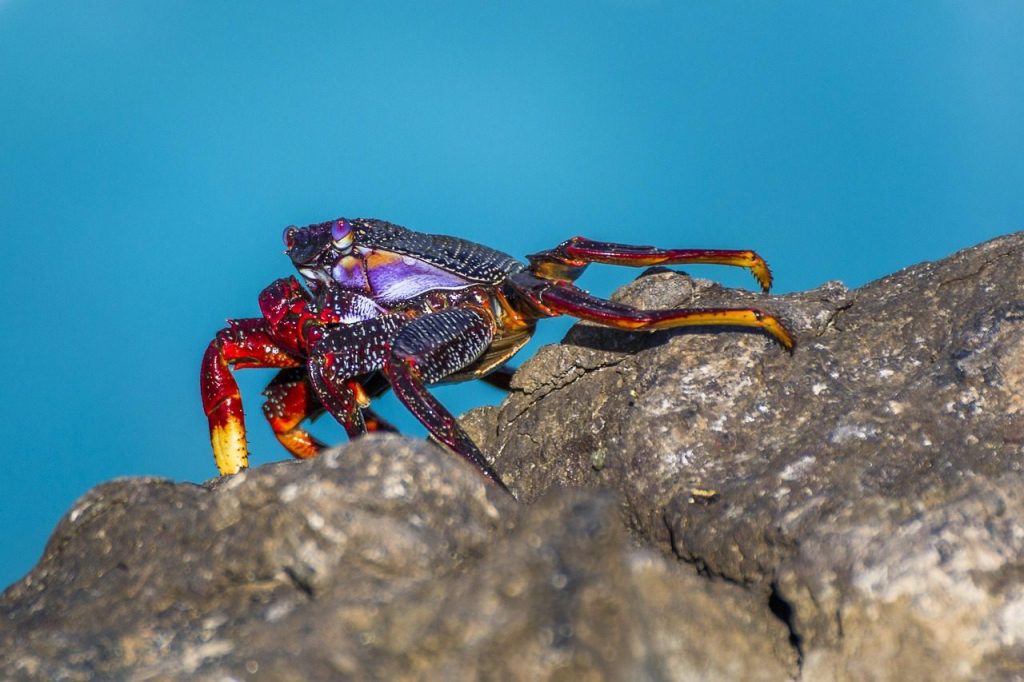
The ocean floor is full of tiny cracks and narrow crevices. Because crabs are thin and walk sideways, they can slide into gaps that are only an inch wide. This is their “safe zone” where larger fish and predators can’t reach them.
Their sideways gait allows them to navigate these tight spaces with incredible agility. They are the only animals that can “parallel park” at high speeds. This ability to fit into tiny spaces is why they have successfully moved into every ocean on Earth. But why does nature keep trying to make more crabs?
Evolution’s Favorite Shape
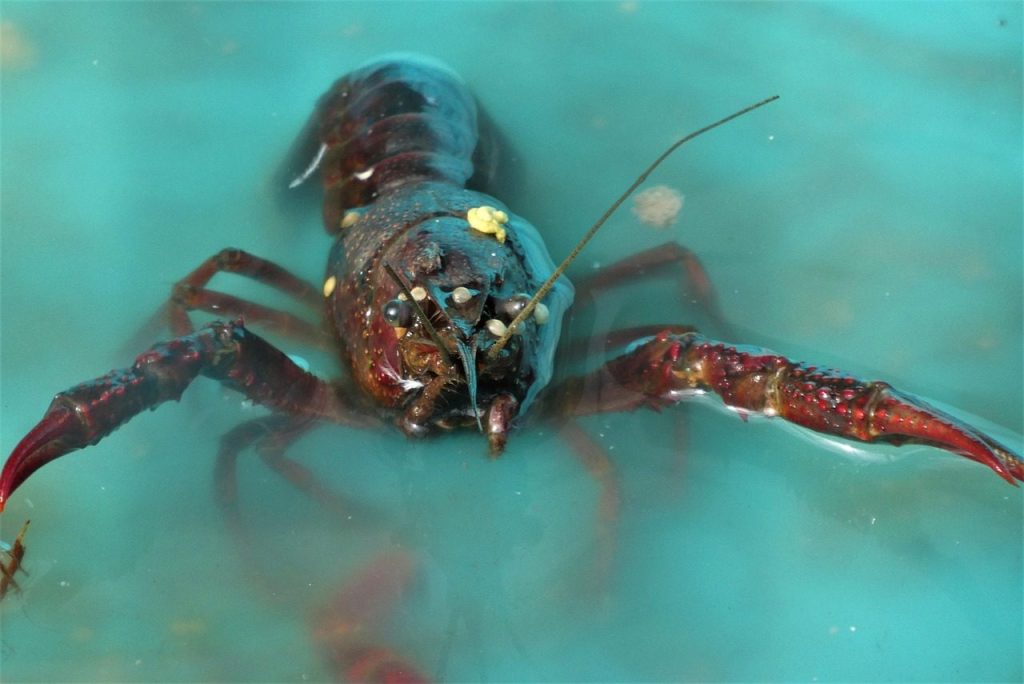
“Carcinization” is one of the strangest patterns in biology. Scientists have found at least five different groups of crustaceans that evolved into a crab-like shape independently. It seems that if you want to survive on the ocean floor, being a wide, sideways-walking tank is the winning formula.
Nature keeps “inventing” the crab over and over again because the design is nearly perfect. It is the peak of evolutionary efficiency. We are basically living on a planet that is slowly becoming “Crab World.” But do all crabs follow the sideways rule?
The Rebels of the Crab World
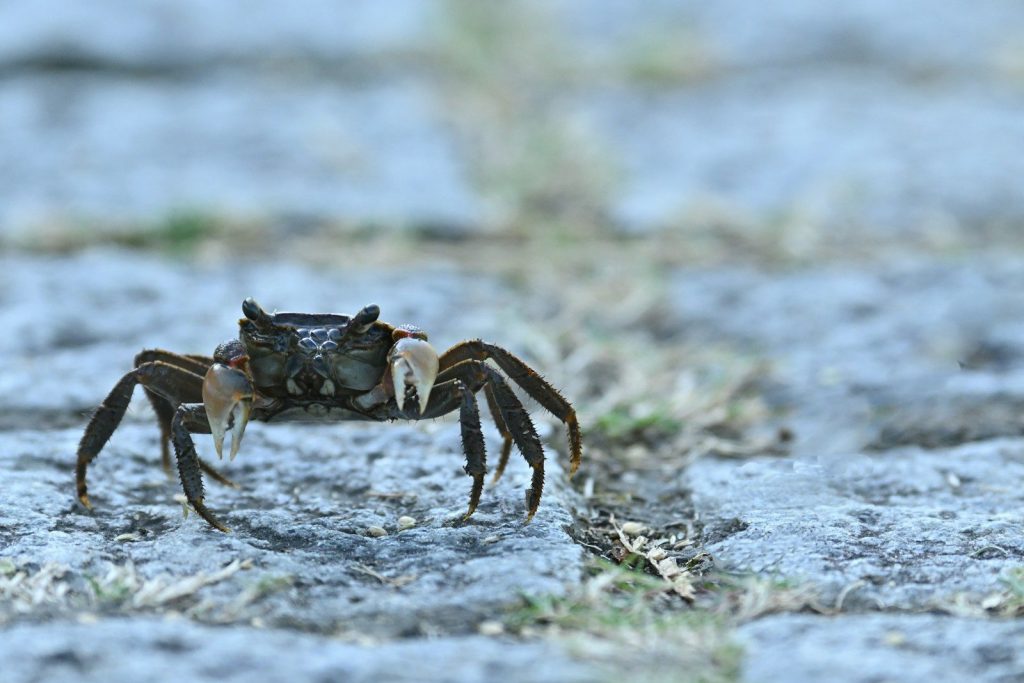
While most crabs are sidesteppers, there are a few “rebel” species like the Soldier Crab that can walk forward. These crabs have longer, narrower bodies that allow their legs to move differently.
However, they are much slower and more vulnerable than their sideways cousins. They have traded the “tank” defense for the ability to walk in a straight line. It proves that the sidestep is a choice, not a limitation. Most crabs choose the side because the side is where the safety is. But what does a crab have to do with an earthquake?
A 200 Million Year Success Story
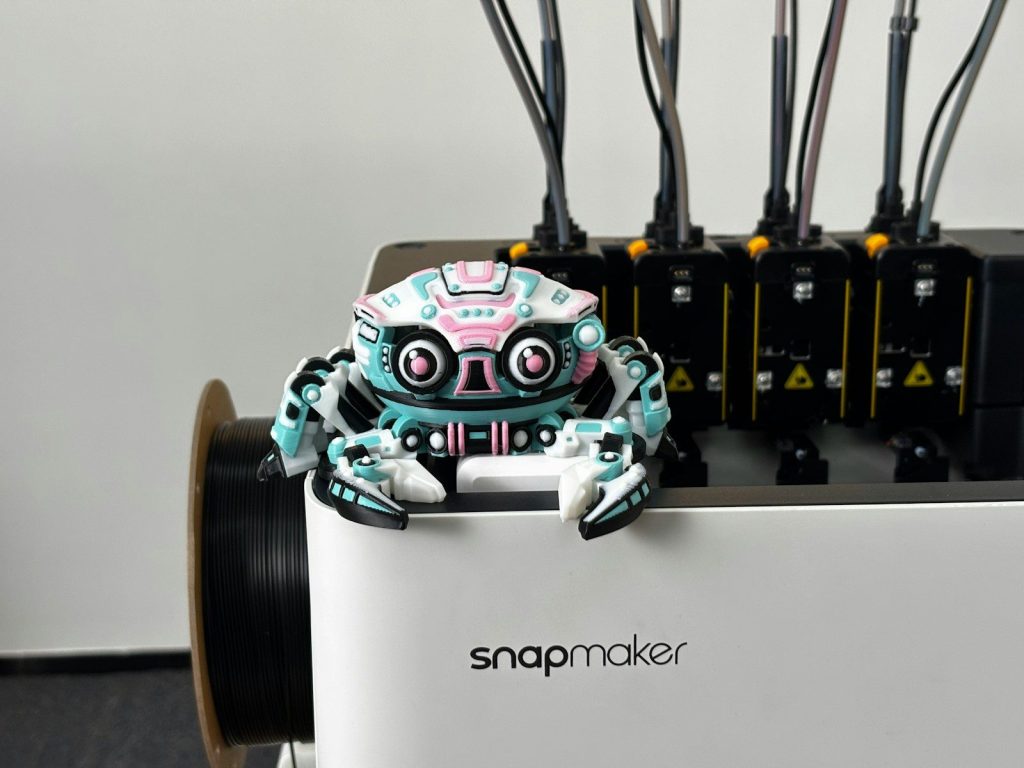
Crabs have survived the extinction of the dinosaurs, the rise of the mammals, and the shifting of the continents. Their sideways walk is a testament to the power of a “good enough” idea. It isn’t pretty, and it looks a bit silly, but it works better than almost anything else in nature.
As we look at the future of robotics, engineers are even copying the crab’s sideways gait to build better search-and-rescue droids. The sidestep is the future. But are you ready to hear why two of the world’s biggest fault lines have started talking?
Featured Image: Photo by Pascal Müller on Unsplash
Leave a Reply