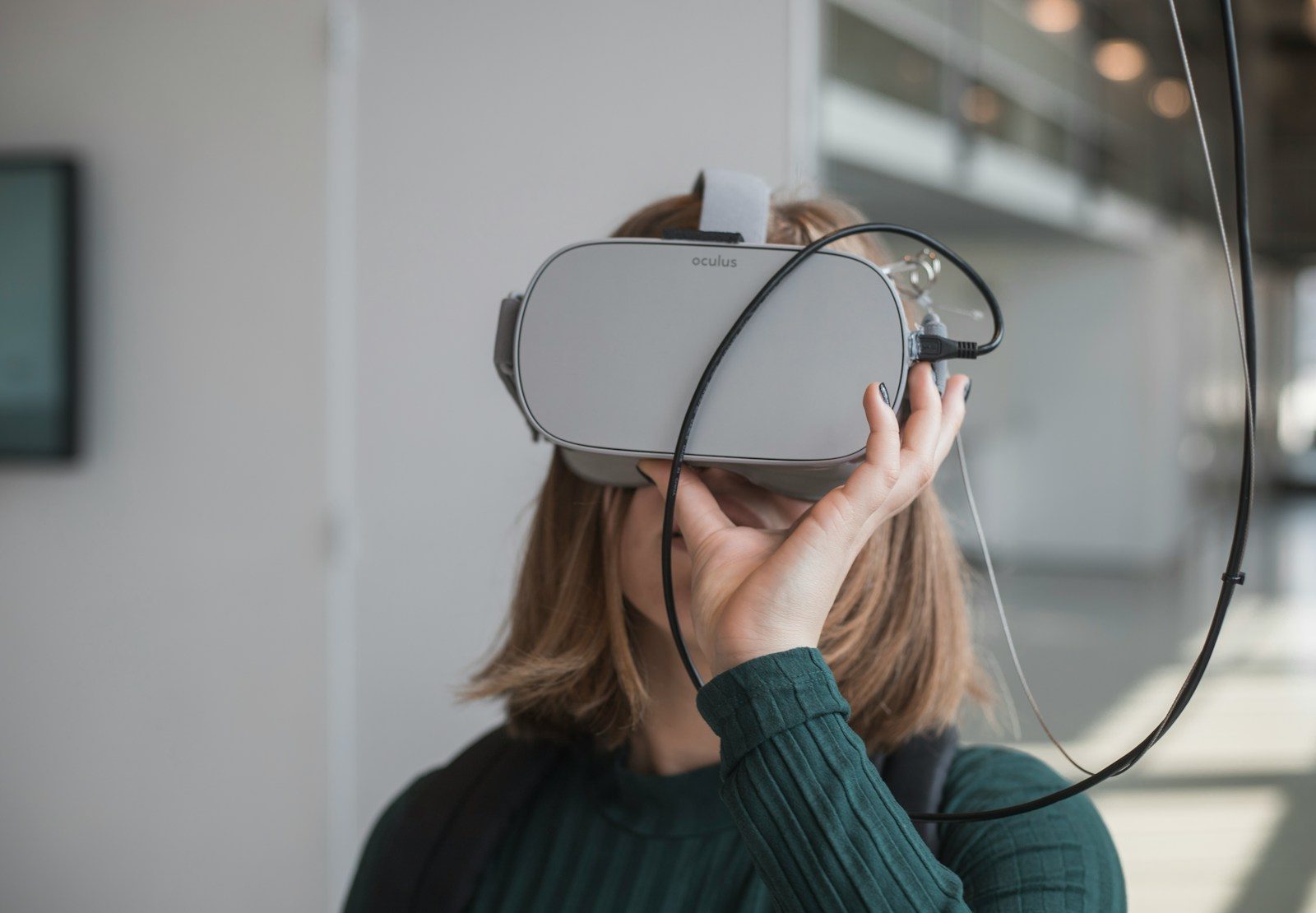
The loudest AR news is usually about the headset: how it looks, how much it costs, and whether people would actually wear it. But the real make-or-break part is often much smaller. AR chips help a device understand the room, track movement, process camera data, handle graphics, and keep everything feeling smooth in real time.
Apple’s Vision Pro uses a separate R1 chip to process input from cameras, sensors, and microphones, while Qualcomm’s XR platforms focus on fast video see-through and compact headset design. Without better chips, AR devices can feel heavy, hot, slow, or short on battery life. That is why the future of AR may depend less on hype and more on the silicon hidden inside.
Chips make AR feel real
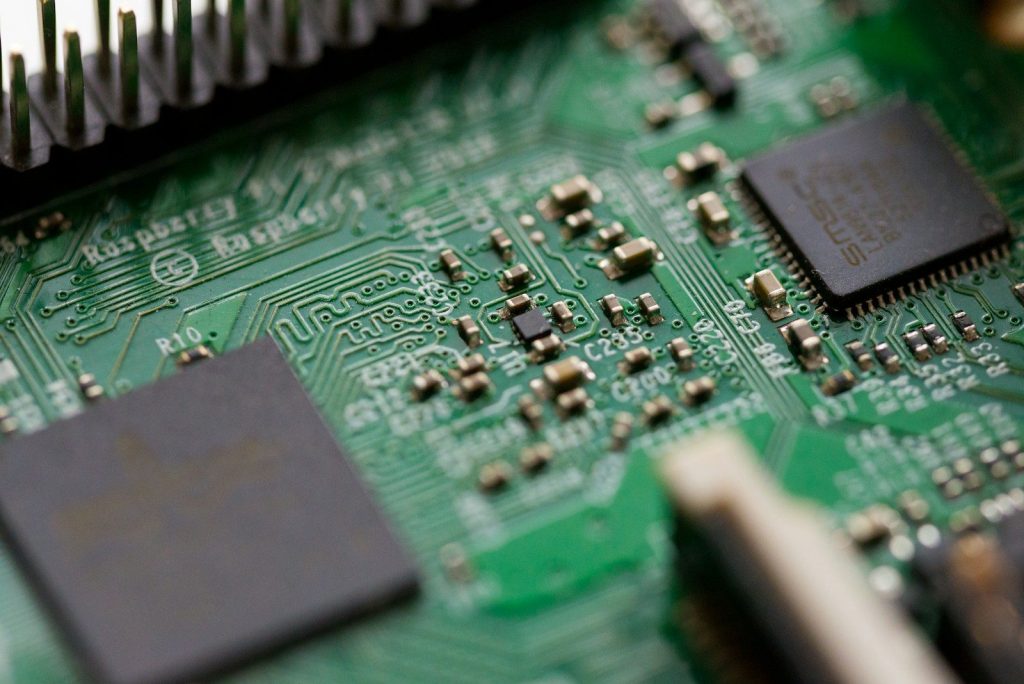
AR is supposed to place digital objects into the real world. For that to work, the device has to read your room, track your head, and update the image almost instantly.
That job depends on powerful chips. If the chip falls behind, the magic breaks. The digital layer can feel late, shaky, or disconnected from the space around you.
Speed matters more than flash
A headset can have a beautiful screen and still feel off if the response is slow. Even tiny delays can make hand tracking, eye tracking, and movement feel less natural.
That is why chip speed matters so much. Faster processing helps the device react as you move, so menus, objects, and views feel more stable and comfortable.
Better chips reduce bulk
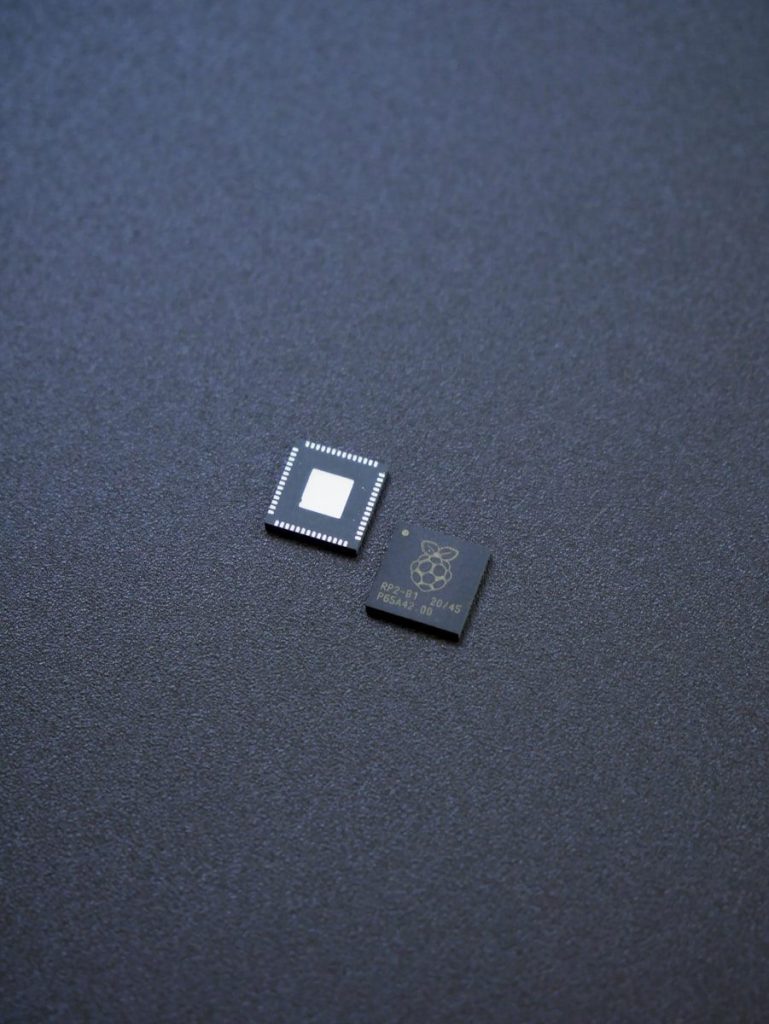
No one wants smart glasses that feel like a heavy helmet. To get smaller AR devices, companies need chips that can do more work while using less space.
Efficient chips can reduce the need for larger cooling parts and oversized batteries. That could help future AR glasses look more like normal eyewear and less like tech gear.
Battery life starts inside
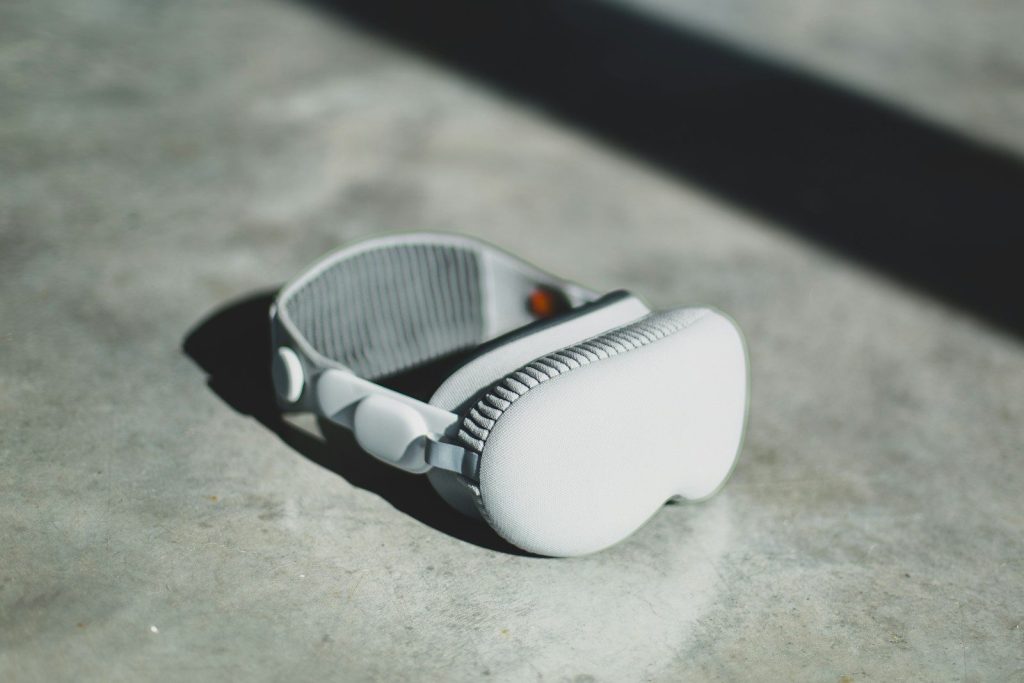
Battery life is one of the biggest problems for wearable tech. AR devices have to run displays, cameras, sensors, audio, wireless connections, and tracking all at once.
Smarter chips can stretch battery life by using power only where it is needed. That matters because people will not wear AR glasses for long if they die too quickly.
Heat can ruin comfort
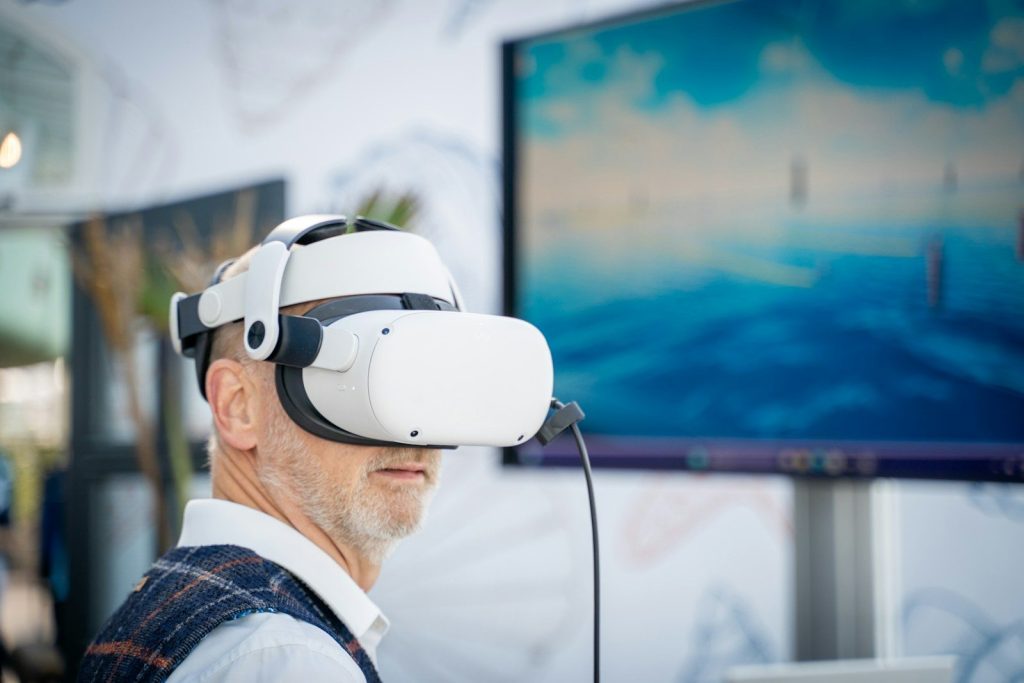
A powerful device can become uncomfortable if it gets too warm near your face. That is a hard problem because AR headsets sit close to the eyes, forehead, and cheeks.
Better chip design can help control heat. When chips run efficiently, the device can stay cooler, feel better, and work longer without slowing down.
Sensors need fast brains

AR devices use sensors to understand where you are looking, how your hands move, and what is around you. Those signals have to be processed quickly.
The chip acts like the device’s brain. It takes all that sensor information and turns it into smooth actions, like placing a screen on a wall or locking a virtual object to a table.
AI is moving on-device
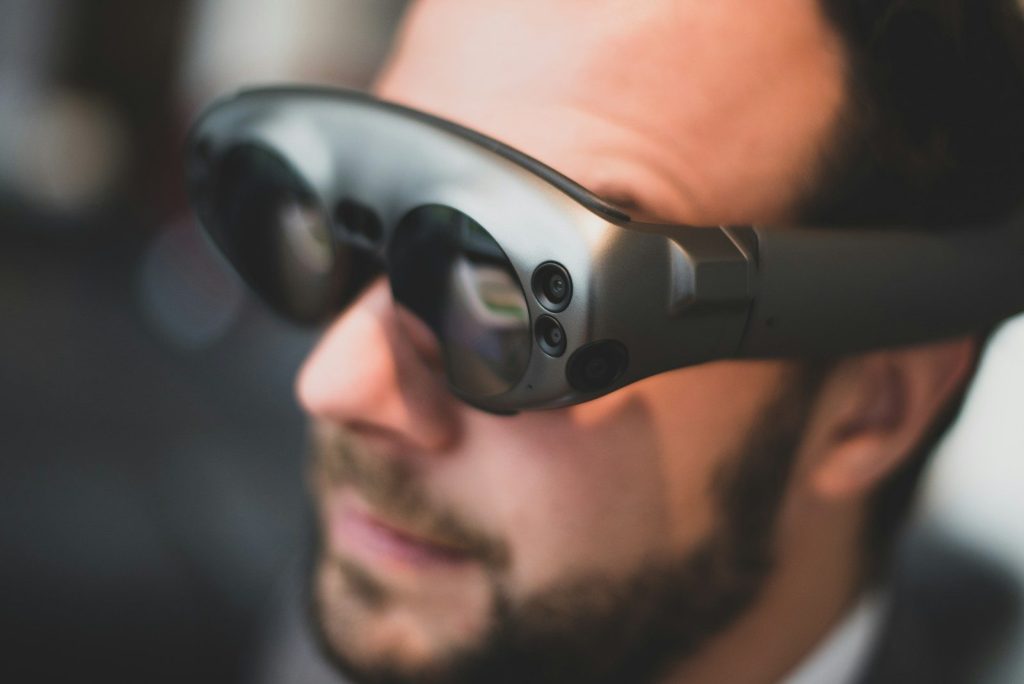
AR will likely depend more on AI as devices get smarter. AI can help recognize objects, improve visuals, understand voice commands, and make digital tools feel more useful.
Doing that work on the device can make responses faster and more private. Stronger AR chips make that possible without sending every small task to the cloud.
Displays need chip support
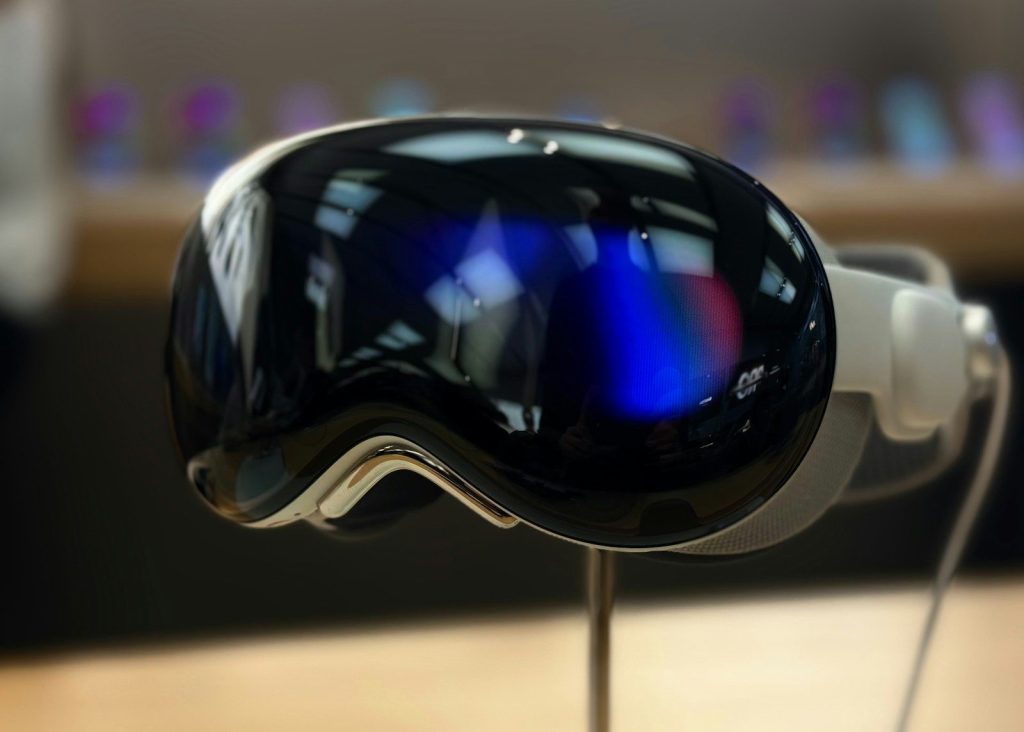
A bright, sharp display is only part of the AR experience. The chip also has to feed that display with clean visuals at the right speed.
If the chip cannot keep up, the picture may look less smooth or feel tiring. Strong chip performance helps make text, graphics, and mixed reality views easier to use.
The best chip may disappear
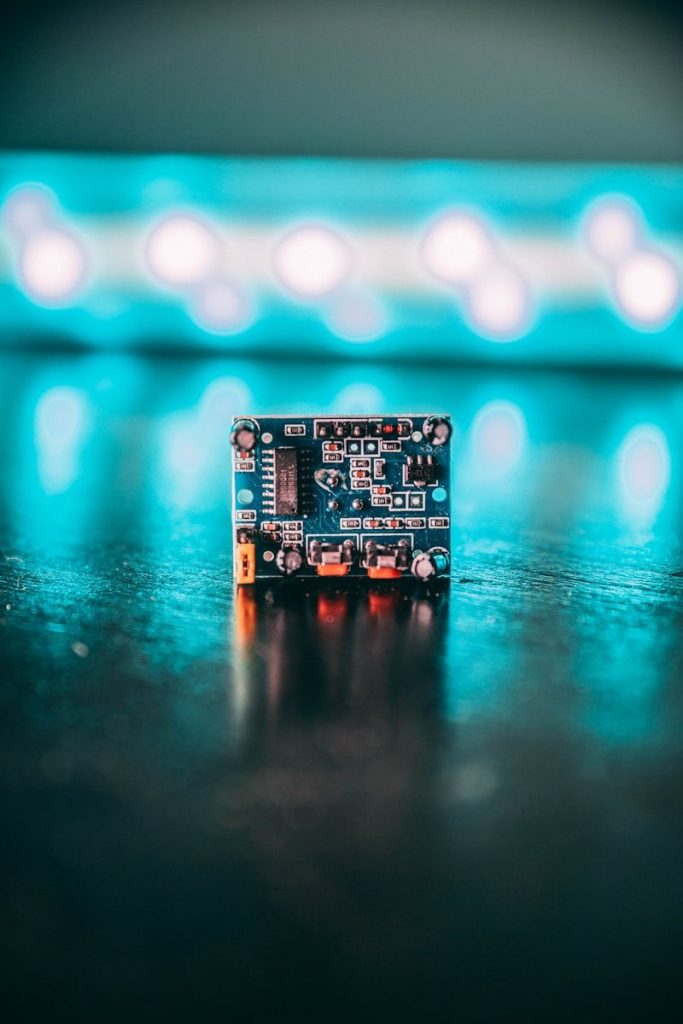
When AR works well, most people will not think about the chip at all. They will just notice that the device feels light, smooth, and easy to use.
That is the point. The best technology often fades into the background. AR chips matter because they help the headset stop feeling like a gadget and start feeling useful.
Hype fades, hardware stays
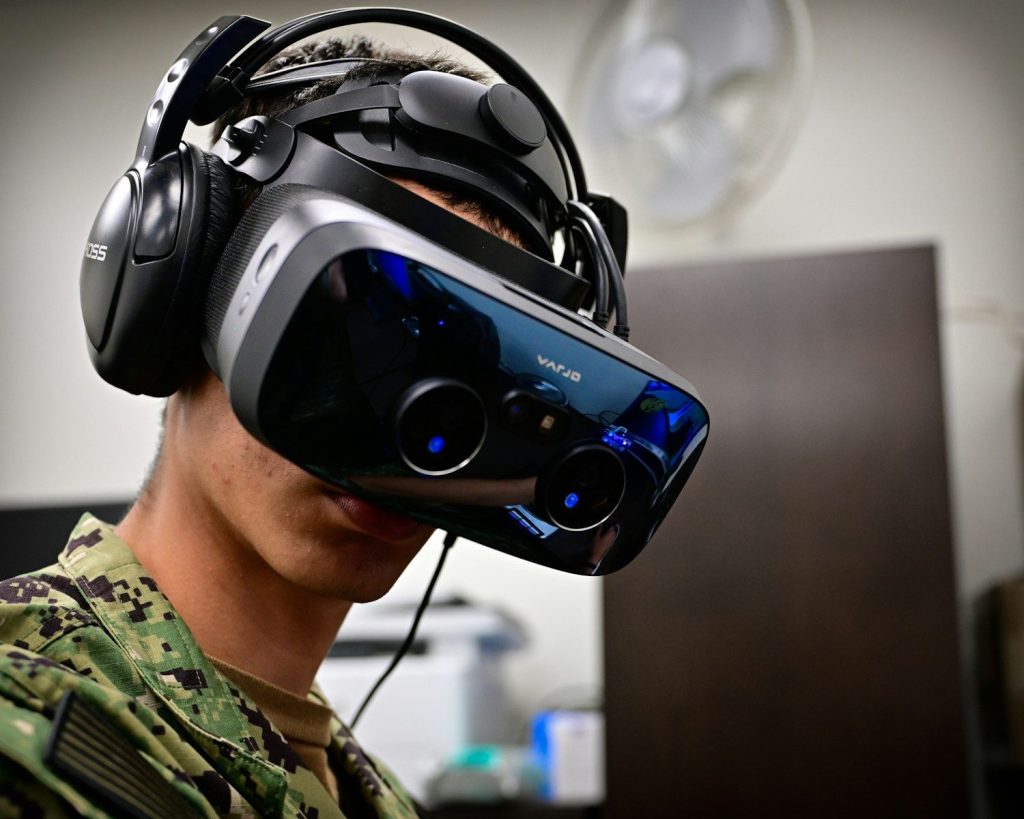
Big demos can get attention, but real users care about comfort, battery life, speed, and daily value. Those things come from deep hardware work, not just bold promises.
That is why AR chips may matter more than headset hype. They decide whether the device feels ready for everyday life or still feels like an expensive preview of the future.
Leave a Reply