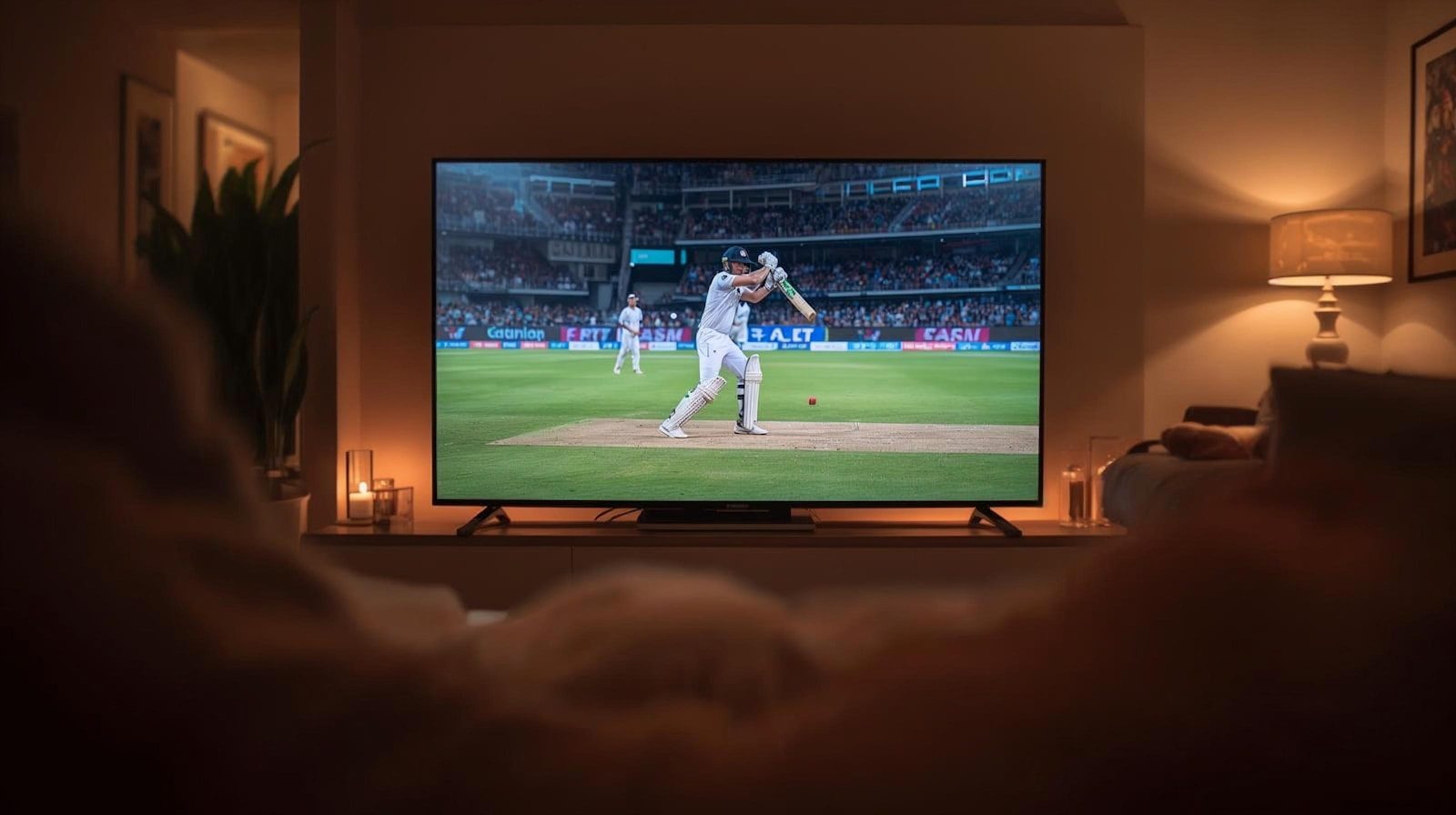
A “wireless TV” sounds like a screen that needs no cables at all, but that is not quite where most models are today. The bigger goal is usually cleaner design. Instead of having several HDMI cords, streaming boxes, consoles, and soundbar cables hanging behind the screen, newer systems try to move those connections away from the wall-mounted TV.
LG’s wireless OLED models use a Zero Connect Box to send audio and video to the screen, while the TV still needs power. Samsung’s One Connect approach also focuses on reducing visible cable clutter by routing connections through a slimmer, more hidden setup.
The screen looks cleaner
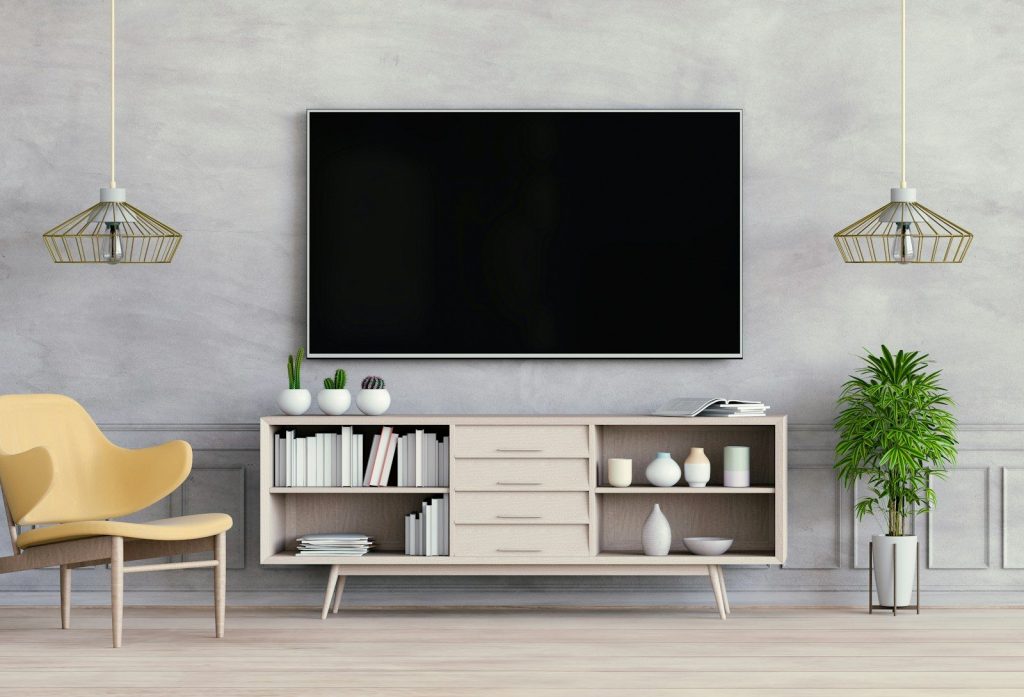
The main appeal of a wireless TV is not magic. It is the clean look. A wall-mounted screen can look much better when there are fewer cords hanging under it.
That matters because TVs are now part of home design. People want the screen to blend into the room, not show a messy bundle of wires, adapters, boxes, and power strips.
The box does the work
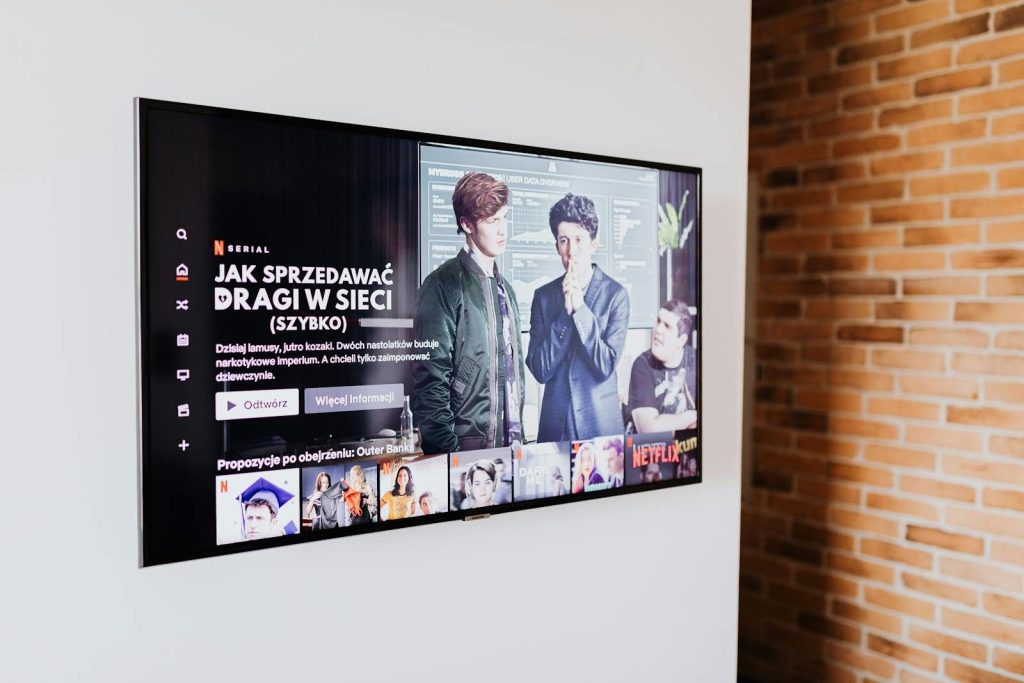
Many wireless-style TVs still use a separate box. Game consoles, streaming devices, cable boxes, and other gadgets plug into that box instead of the back of the TV.
LG’s Zero Connect Box, for example, sends video and audio signals wirelessly to the screen, while the TV still needs a power cable. That makes the setup look simpler from the front.
Power still needs a cord

The word “wireless” can be a little confusing. Most wireless TVs are not fully cable-free because the screen still needs electricity.
That means one cord usually remains, even if the other connections are hidden or moved away. For many homes, that is still a big improvement because one neat power line is easier to manage than several messy cables.
Wall mounting gets easier
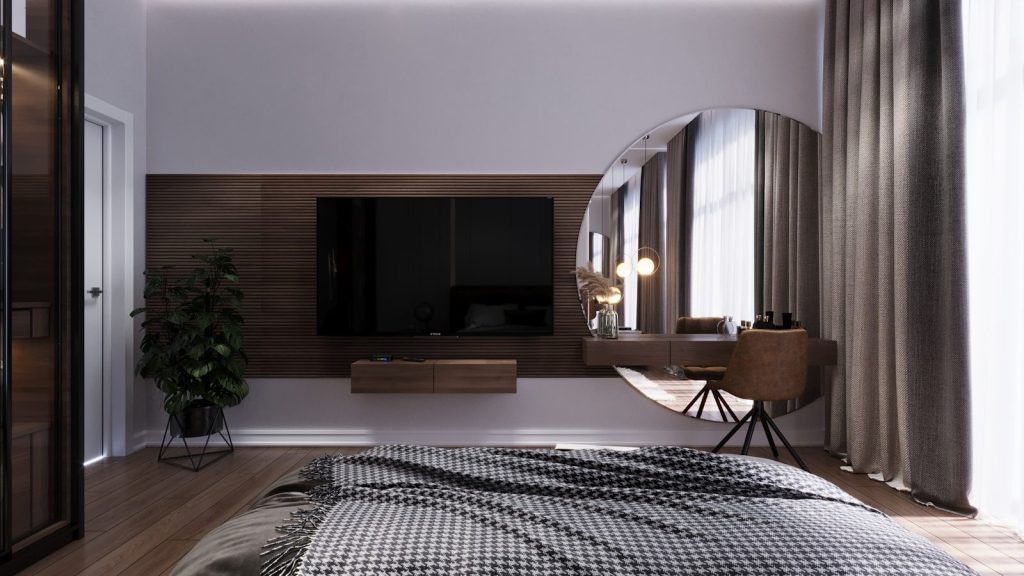
Wall-mounted TVs can look great, but the cables often ruin the effect. A wireless-style setup can make the screen feel more like a framed display than a pile of electronics.
This is especially helpful in living rooms, bedrooms, and open spaces where the back of the TV area is visible. Fewer cables can make the whole room feel cleaner and more planned.
Cable clutter moves away
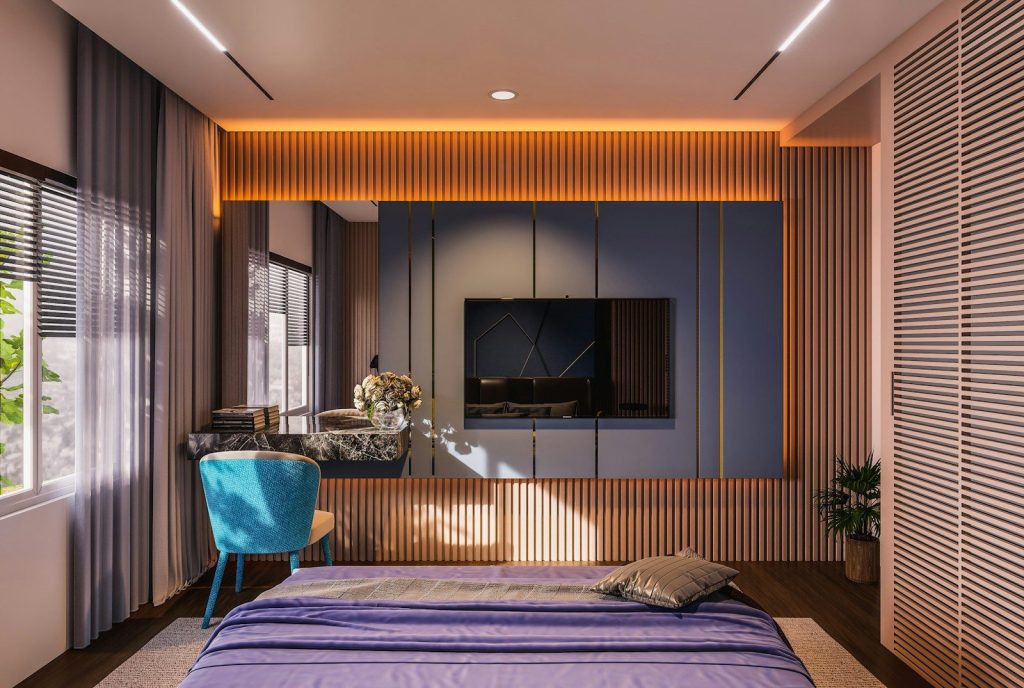
Wireless TVs do not always remove the clutter. Sometimes they simply move it. The wires may still exist, but they are connected to a box placed inside a cabinet, on a shelf, or near the entertainment stand.
That can still be useful. It keeps the messy part away from the screen and gives people more freedom to arrange devices without reaching behind a mounted TV.
The real goal is design
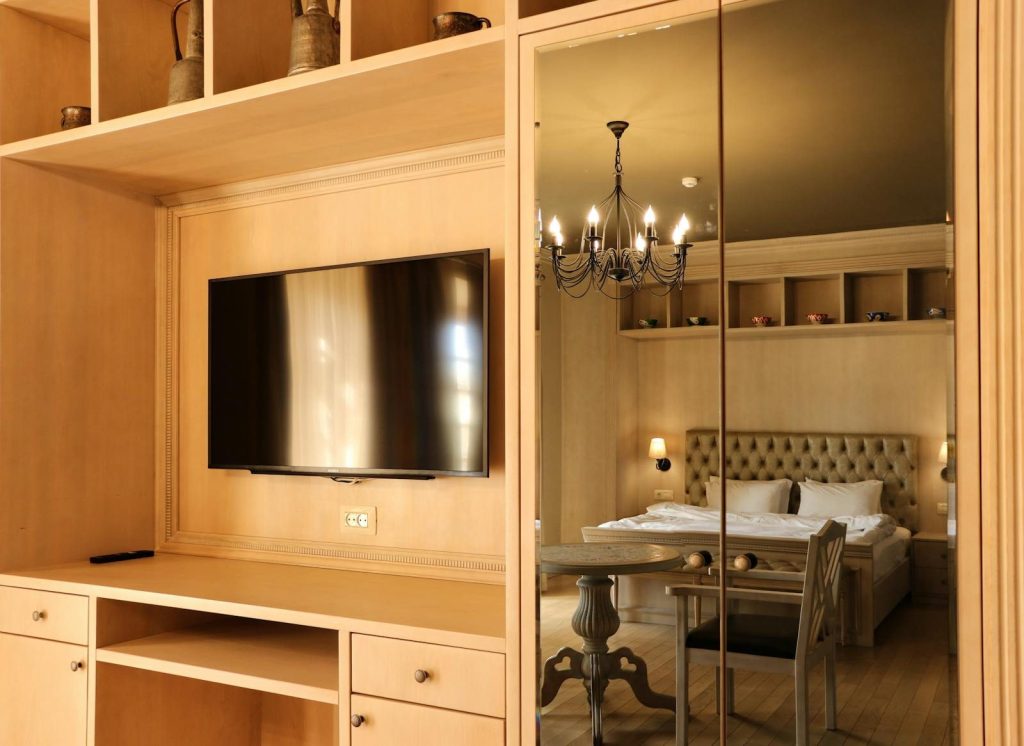
Wireless TV technology is exciting, but the everyday benefit is simple: a nicer-looking setup. Most people are not buying the idea because they hate HDMI cables. They want the room to look cleaner.
That is why cable-hiding systems are getting attention. Whether the signal is wireless or routed through one slim cable, the promise is the same: less visual mess and a screen that feels easier to live with.
Leave a Reply