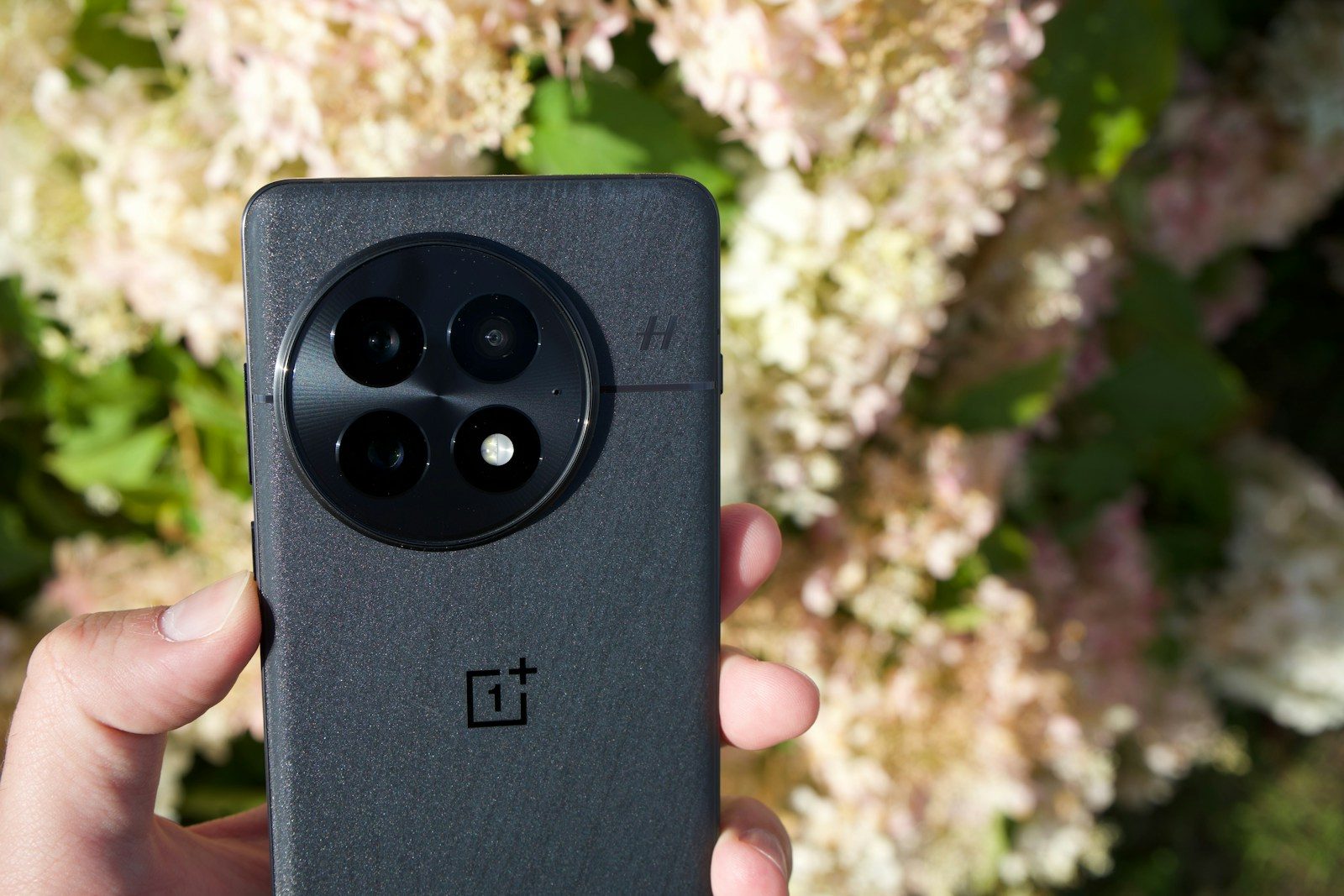
Budget phones used to come with a long list of trade-offs. The screen looked dull, the camera struggled, the battery drained too fast, and software updates often felt uncertain. Now that gap is getting smaller. Many lower-cost phones are getting brighter displays, smoother refresh rates, better 5G chips, larger batteries, and longer update promises. That does not mean every cheap phone is great, but it does mean shoppers have more real choices than before.
Some midrange phones now offer years of software support, while newer chipsets are bringing stronger everyday speed and better efficiency to more affordable devices. For people who mostly text, stream, browse, take photos, and use social apps, “cheap” may no longer mean frustrating. Samsung says the Galaxy A56 5G supports up to 6 generations of OS upgrades and 6 years of security updates, while Google says Pixel 8 and later phones get 7 years of updates.
Better chips raise the floor
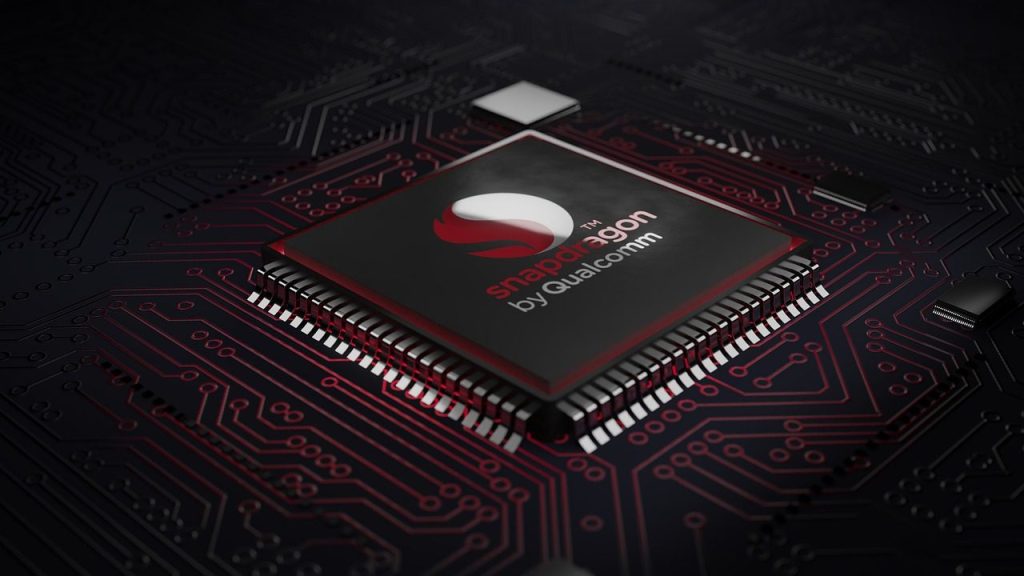
Cheap phones are getting more capable because the processors inside them are improving. Newer midrange chips can handle everyday apps, video calls, navigation, and light gaming with fewer slowdowns.
Qualcomm says the Snapdragon 6 Gen 4 brings improved CPU speed, stronger graphics, better power savings, and fast 5G connectivity. That kind of progress helps lower-priced phones feel smoother for regular daily use.
5G is less of a luxury
A few years ago, 5G felt like a premium phone feature. Now it is common across many affordable Android models, especially as carriers and chipmakers push newer network support into lower price ranges.
That shift matters for buyers who keep phones for several years. A cheaper phone with 5G can feel more current, especially for streaming, downloads, maps, and staying connected in busy areas.
Screens look more premium
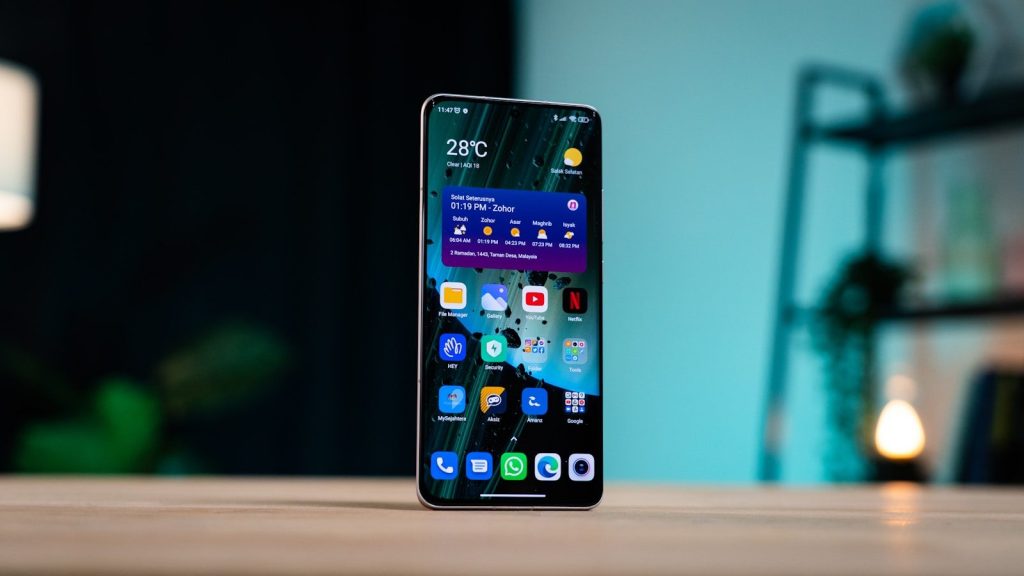
Budget screens have improved a lot. Many affordable phones now offer larger displays, smoother scrolling, and better brightness than older low-cost models.
A better screen changes the whole feel of a phone. Reading, watching videos, checking photos, and browsing social apps all feel more comfortable when the display is sharper, brighter, and more responsive.
Updates are improving value
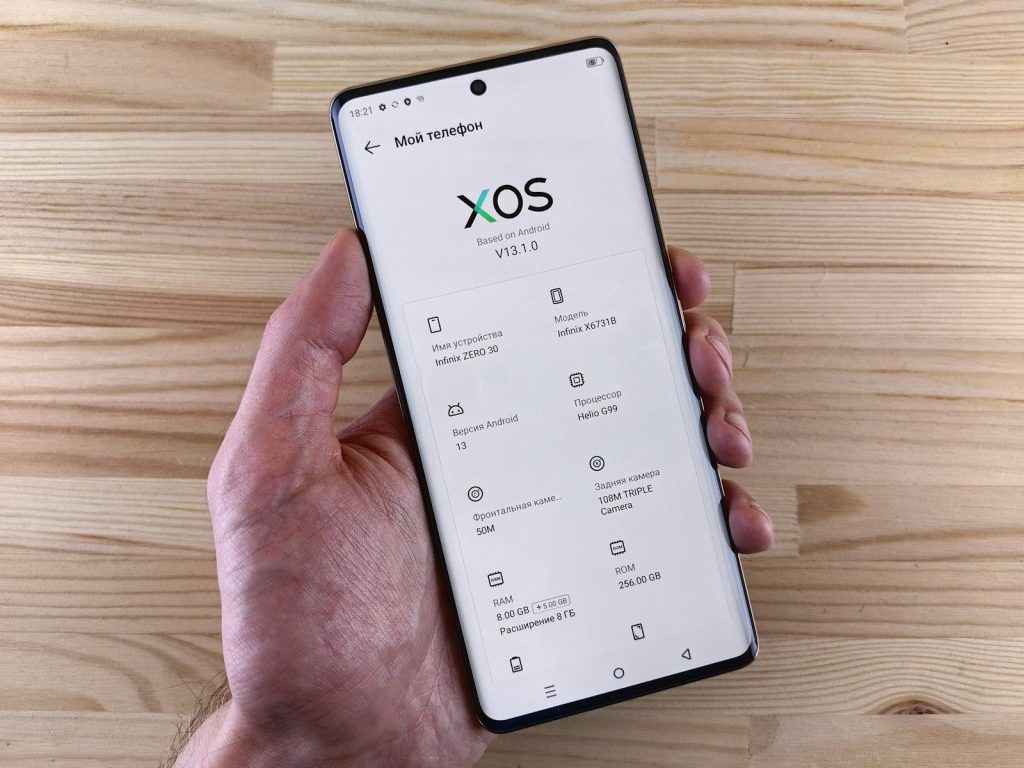
Software support can make a cheaper phone feel useful for longer. Without updates, even a good phone can start to feel old too quickly.
This is one area where the market has improved. Samsung lists up to 6 generations of OS upgrades and 6 years of security updates for the Galaxy A56 5G, while Google says Pixel 8 and later phones get 7 years of updates.
Cameras are more reliable
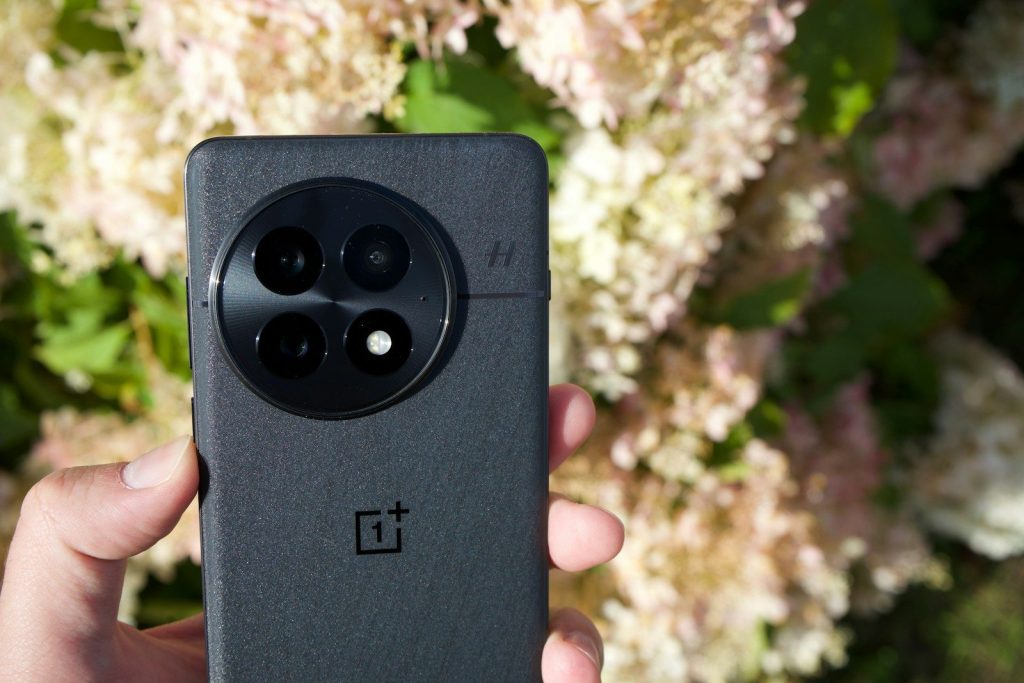
Cheap phone cameras still may not match premium models, especially in difficult lighting. But many are now good enough for everyday photos, video clips, and quick social posts.
The biggest change is consistency. Better sensors, smarter image processing, and improved software help lower-cost phones take cleaner pictures than older bargain models could manage.
AI features are spreading
AI tools are no longer only tied to the most expensive phones. IDC reported that affordable AI-enabled smartphones helped drive upgrades in more affordable price categories during 2025.
That could make budget phones feel smarter over time. Features like better photo cleanup, call tools, writing help, and on-device suggestions may slowly move into lower price ranges.
Build quality feels stronger
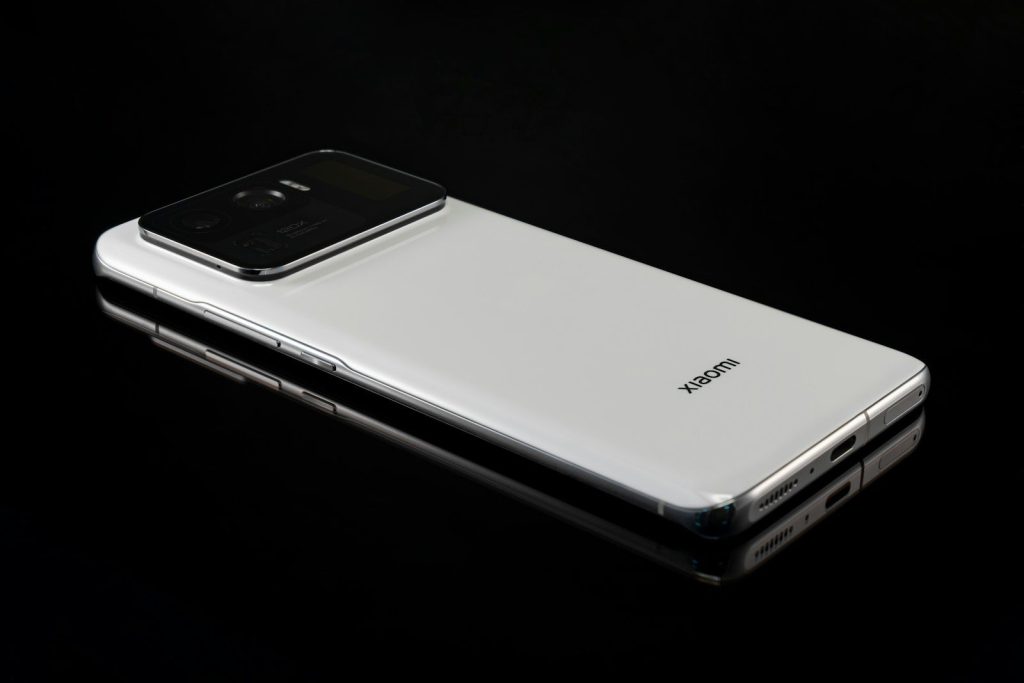
Cheap phones used to feel light, hollow, or fragile. Today, many affordable models have cleaner designs, better finishes, and stronger resistance features than buyers may expect.
That makes a difference every day. A phone that feels solid in the hand, has a decent fingerprint reader, and does not look outdated can feel far more premium than its price suggests.
Competition helps buyers
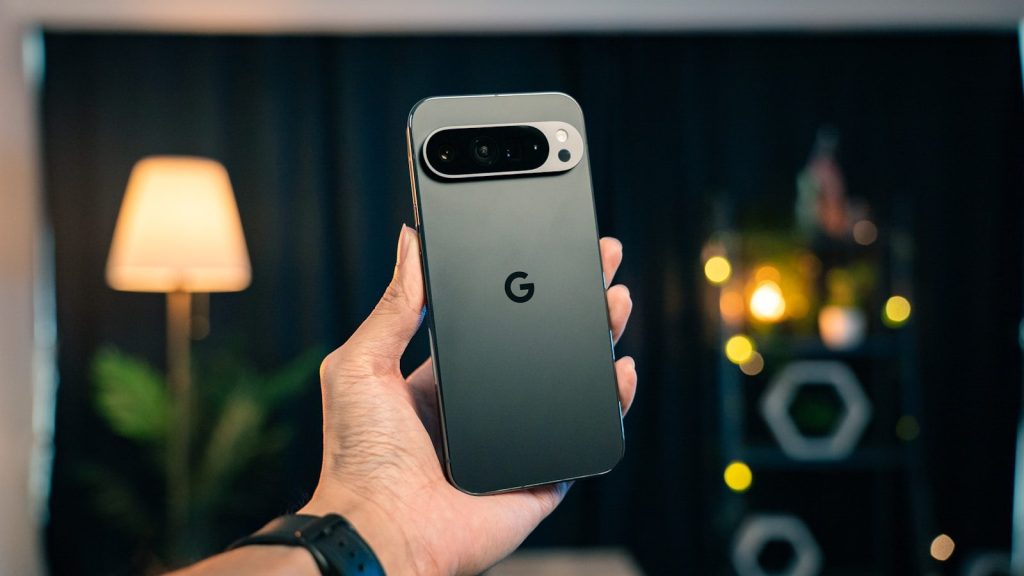
Phone brands are fighting hard for shoppers who want value. That pressure can lead to better screens, longer battery life, more storage, improved cameras, and longer update support at lower prices.
It also gives buyers more choices. Instead of picking the cheapest phone available, shoppers can compare the parts that matter most, such as battery, screen quality, camera, storage, and software support.
Cheap no longer means basic
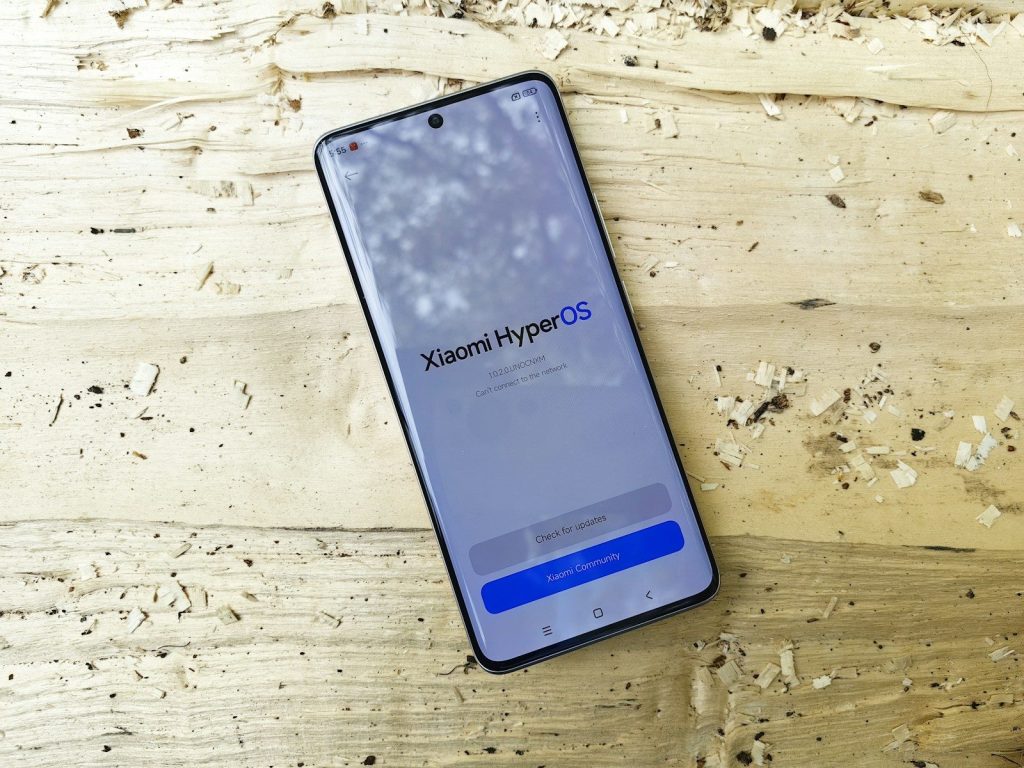
The biggest change is simple: cheap phones are becoming good enough for more people. Not everyone needs the fastest chip, the most advanced camera, or the most expensive design.
A smart budget phone can now cover the basics well and still feel modern. For many everyday users, the best value may come from a phone that does the important things right without chasing premium extras.
Leave a Reply