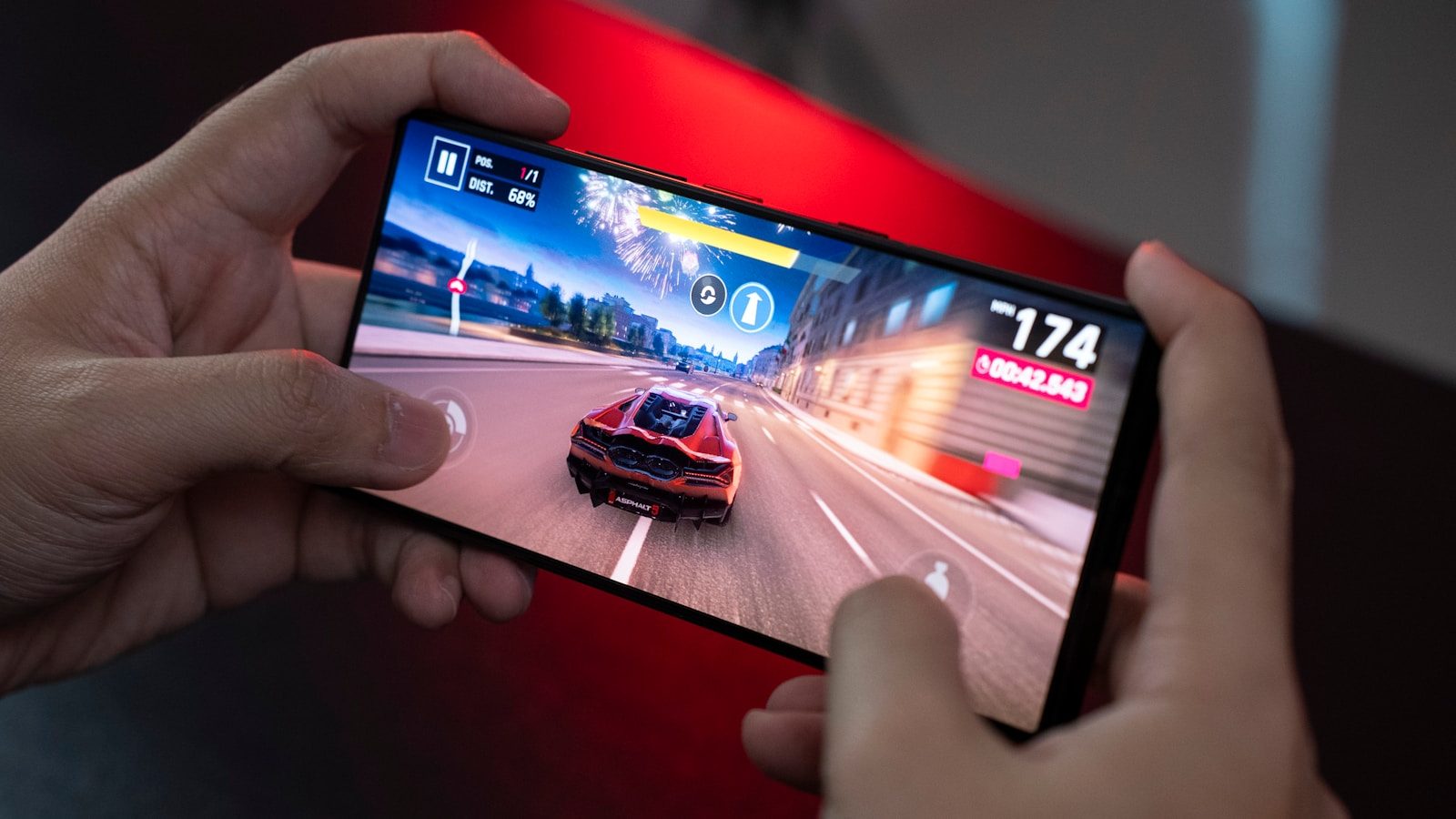
Gaming phones used to sound like a niche idea, but they are becoming much more practical. Today’s models can combine fast chips, high-refresh screens, large batteries, advanced cooling, controller support, and cloud gaming apps in one device. ASUS lists the ROG Phone 9 with a 6.78-inch AMOLED display, up to 185 Hz refresh rate through Game Genie, 720 Hz touch sampling, and a 5,800 mAh battery, while RedMagic promotes the 10 Pro with a 144 Hz display and a 7,050 mAh battery.
Those are not small upgrades for casual play. Add Xbox Cloud Gaming, GeForce NOW, Bluetooth controllers, and faster mobile networks, and a phone can start to feel less like a backup screen and more like a portable game system.
Screens feel built for play
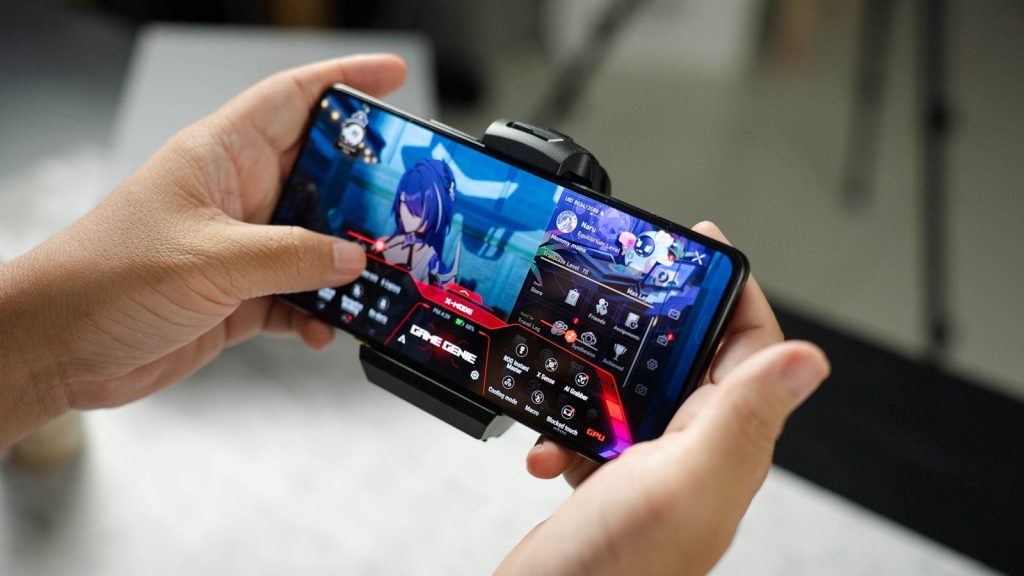
Gaming phones often use fast, bright displays that make movement look smoother. ASUS says the ROG Phone 9 can reach up to 185 Hz through Game Genie, while RedMagic lists a 144 Hz refresh rate for the 10 Pro.
That matters because games depend on motion. A smoother screen can make racing, sports, action, and fast scrolling feel more responsive than a basic phone display.
Touch response gets faster
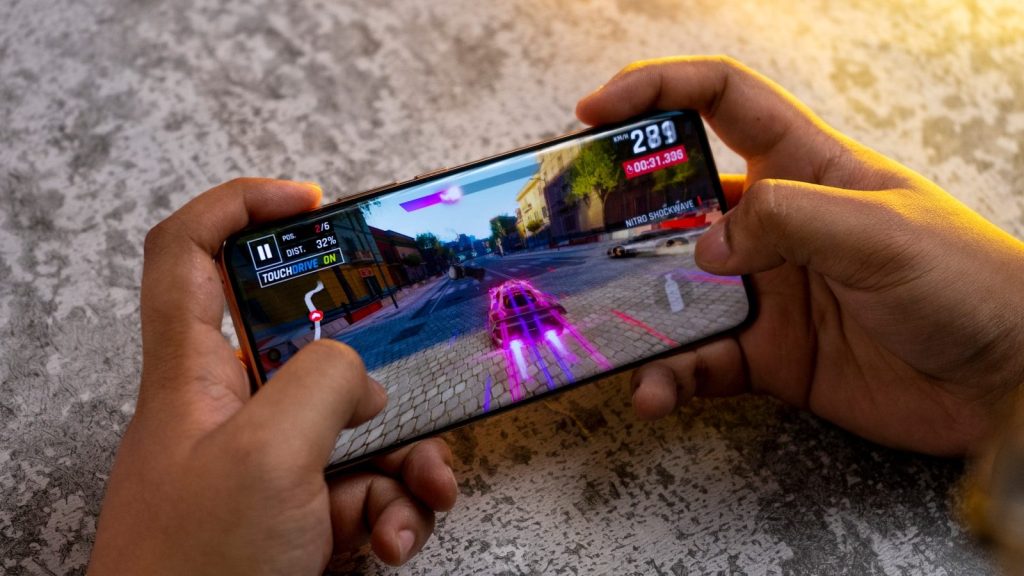
A phone screen is also the main controller for many mobile games. ASUS lists 720 Hz touch sampling on the ROG Phone 9, which shows how gaming phones are built to read taps and swipes quickly.
Faster touch response can help games feel more immediate. When controls react quickly, the phone starts to feel closer to a handheld console than a regular device.
Cooling keeps games steady
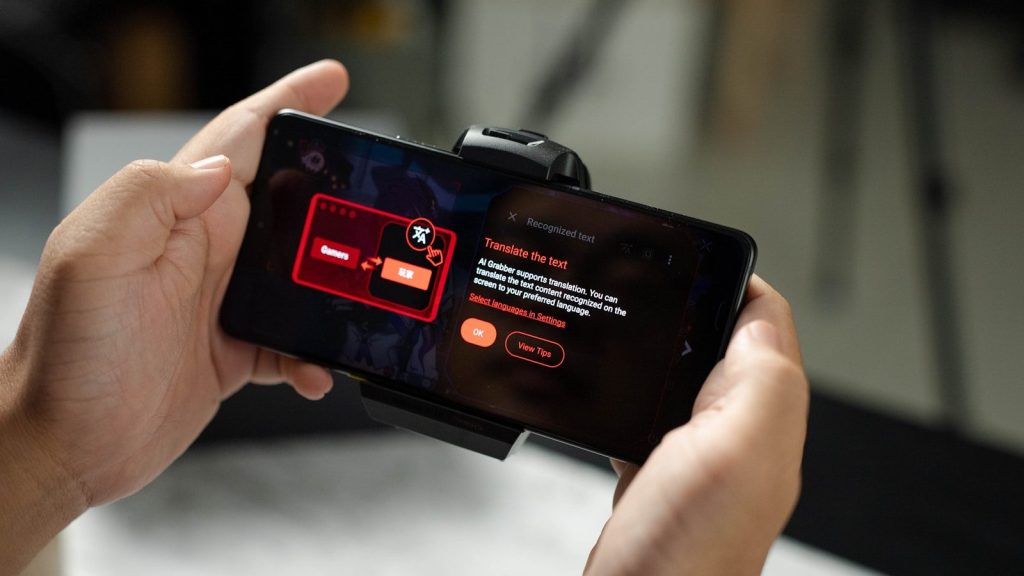
Gaming phones usually focus heavily on heat control. That is important because a powerful chip can slow down if the phone gets too hot during long play sessions.
Better cooling helps performance stay steadier. It also makes the phone feel more reliable for longer sessions, especially when playing demanding games or using cloud gaming apps for extended periods.
Big batteries support longer play
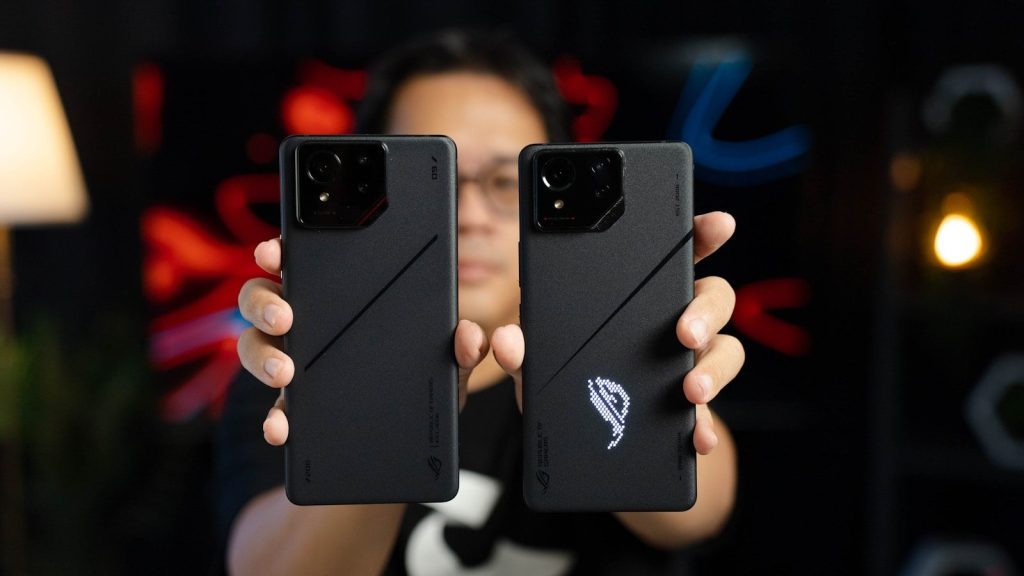
Battery life is another reason gaming phones feel closer to pocket consoles. The ROG Phone 9 lists a 5,800 mAh battery, while the RedMagic 10 Pro lists a 7,050 mAh dual-cell battery.
That extra capacity matters when games, bright screens, speakers, and wireless connections are all working at once. A larger battery helps the phone handle entertainment without feeling drained too quickly.
Controllers change the feel
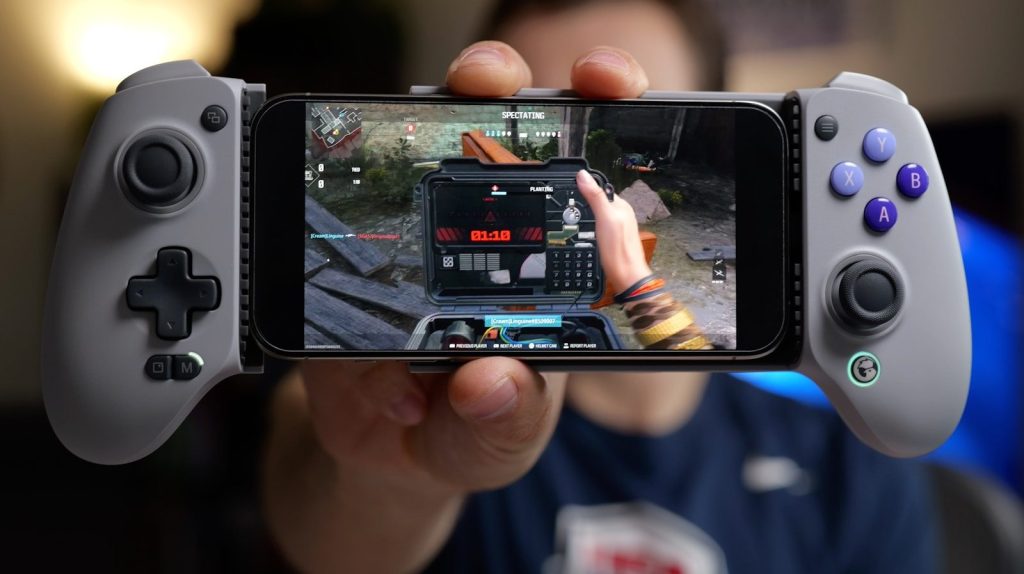
A clip-on or Bluetooth controller can make phone gaming feel much more like a handheld system. Xbox says cloud gaming works with controllers including the Xbox Wireless Controller, and many mobile controllers support Android devices.
Physical buttons can make a big difference. They help with racing, platform, sports, and adventure games where touch controls may feel crowded or less precise.
Cloud gaming expands choices
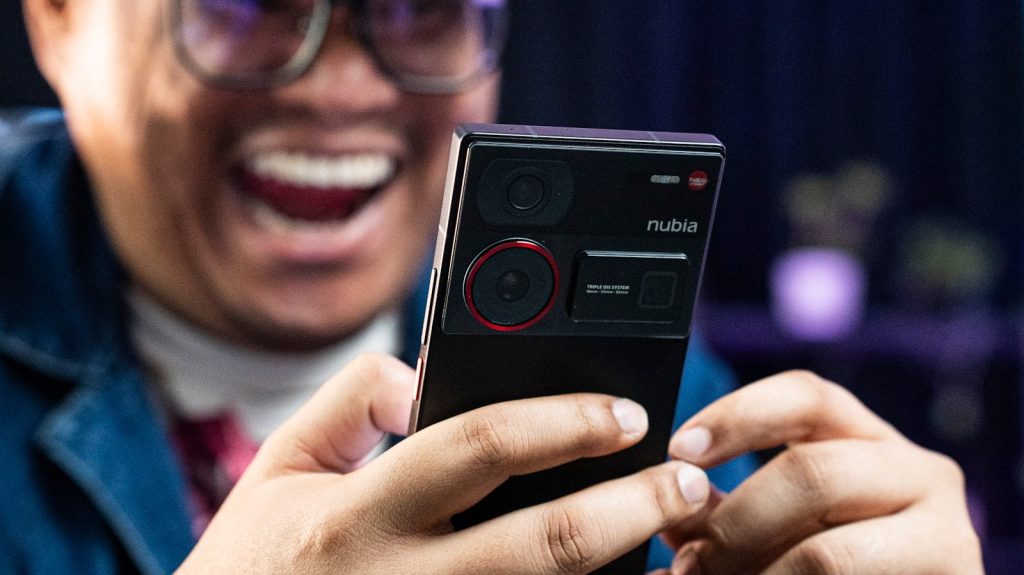
Cloud gaming lets phones play games that do not fully run on the device itself. Nvidia says its GeForce NOW Android app supports gaming on Android devices, with a strong 5 GHz Wi-Fi connection recommended for the best experience.
That opens the door to bigger libraries. A phone can stream games from cloud services, making it feel less limited by storage space or mobile-only titles.
Portable gaming fits daily life
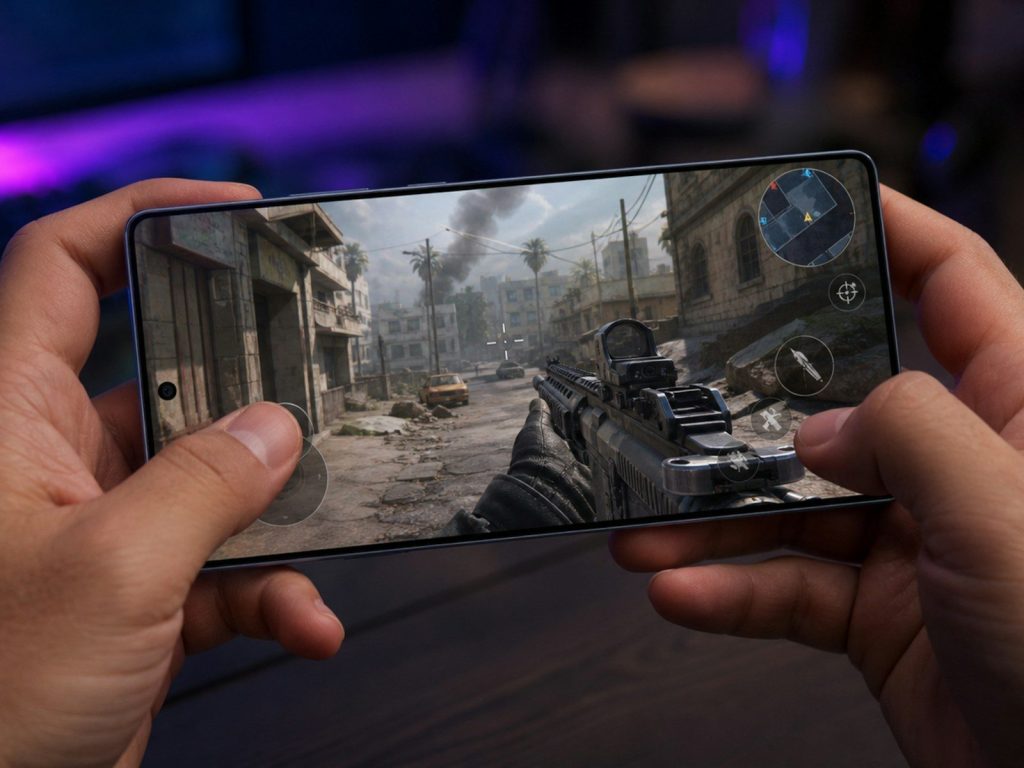
A gaming phone is easy to carry because it is already part of daily life. People use it for calls, messages, maps, photos, and entertainment, then switch into gaming when they have free time.
That convenience gives phones a major advantage. A dedicated handheld may stay at home, but a gaming phone is usually in a pocket, bag, or hand already.
Accessories build a console setup
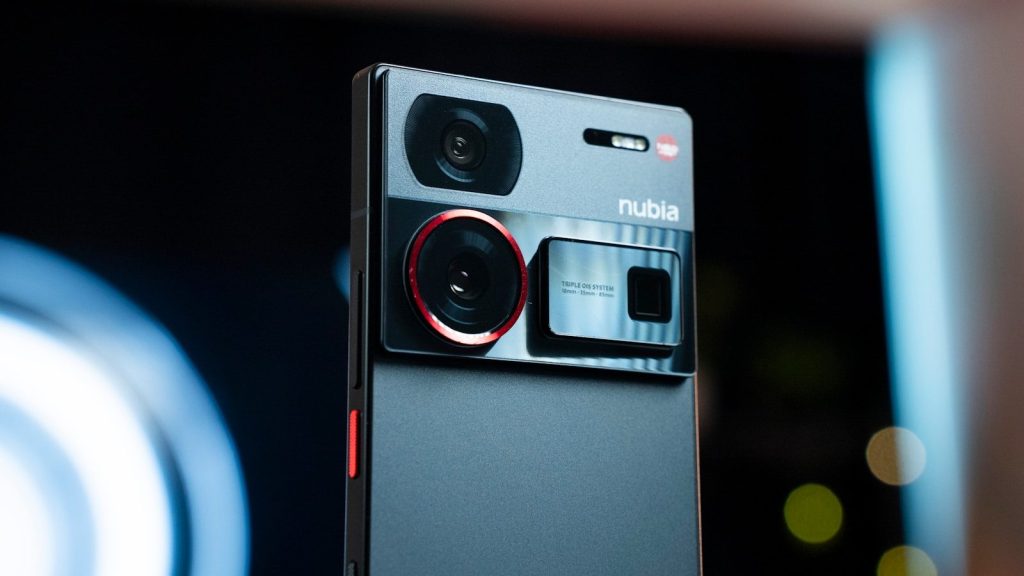
Gaming phones can grow with accessories. Controllers, earbuds, chargers, cooling fans, stands, and external displays can turn one phone into a more complete gaming setup.
This makes the experience flexible. A player can use touch controls for quick sessions, add a controller for serious play, or connect other gear when they want a bigger setup.
Limits still matter
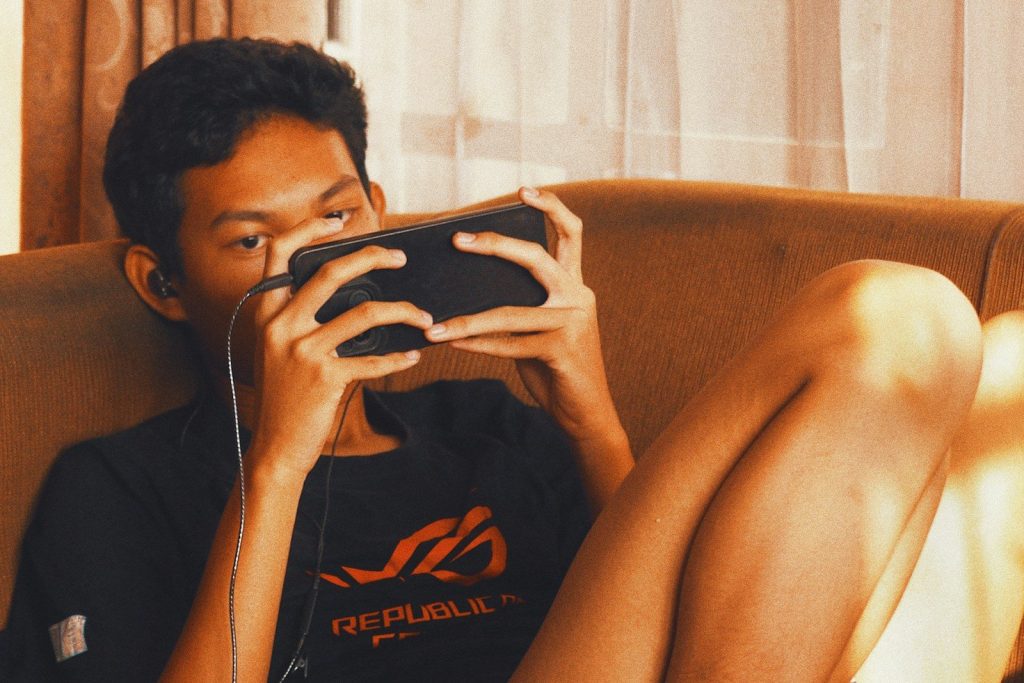
Gaming phones are getting impressive, but they do not replace every console for every player. Cloud gaming depends on internet quality, and research notes that cloud gaming needs much more bandwidth and stable connectivity than traditional online console play.
Still, the direction is clear. With stronger hardware, better screens, bigger batteries, controllers, and cloud libraries, gaming phones are becoming serious pocket-size game machines.
Leave a Reply