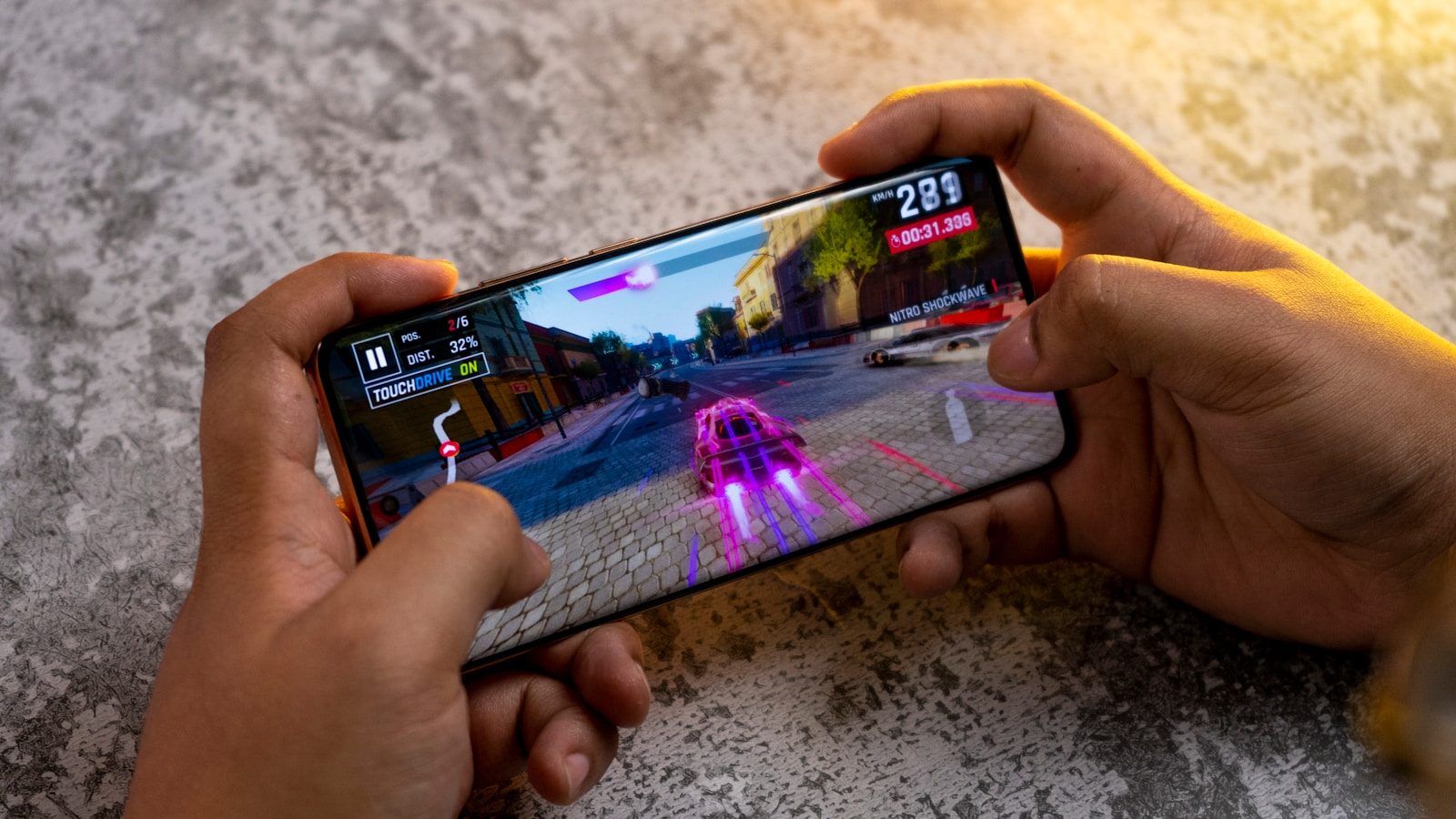
Mobile games have come a long way from quick puzzle apps and simple racing games. Today, phones can run sharp graphics, fast action, online matches, and console-style titles. That means the phone itself matters more than ever. A great gaming phone is not just about having the newest name or the biggest screen.
It needs a strong chip, a smooth display, fast touch response, good cooling, solid battery life, and enough storage to keep games running without constant cleanup. Major phone makers now highlight features like 120Hz or higher refresh rates, advanced graphics, large batteries, and cooling systems because these details can change how games feel in real use.
A fast processor
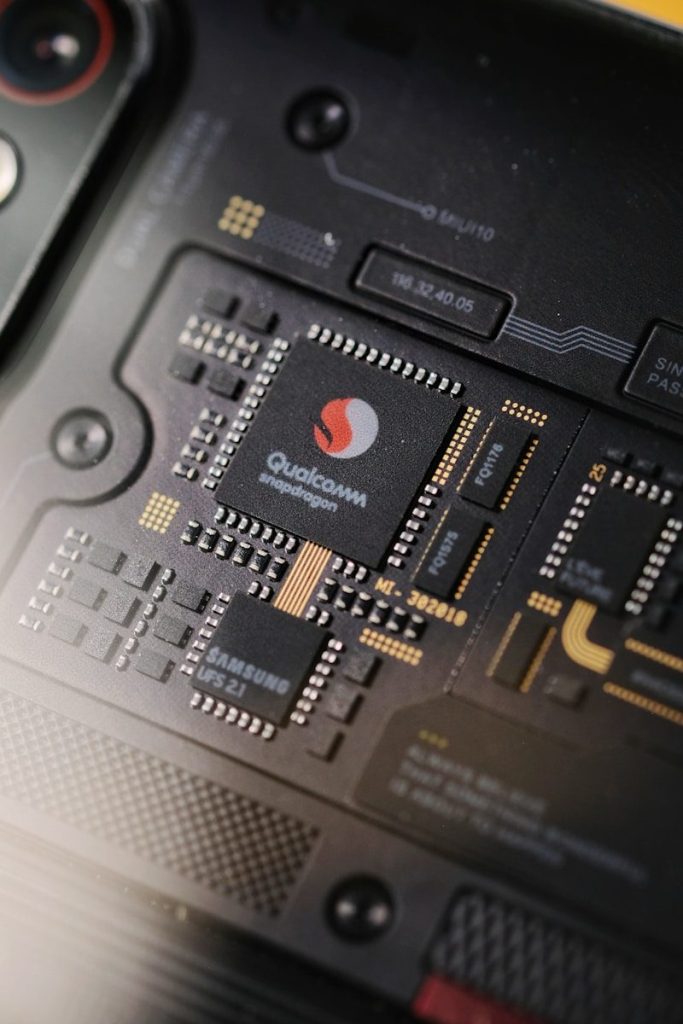
The processor is the brain of the phone. For gaming, it helps control how quickly the phone opens games, loads maps, handles action, and keeps frame rates steady.
A stronger chip can make a big difference in heavier games with sharp graphics or online play. Apple, Qualcomm, and other chip makers now promote advanced graphics features because mobile games are becoming more demanding.
A strong graphics chip
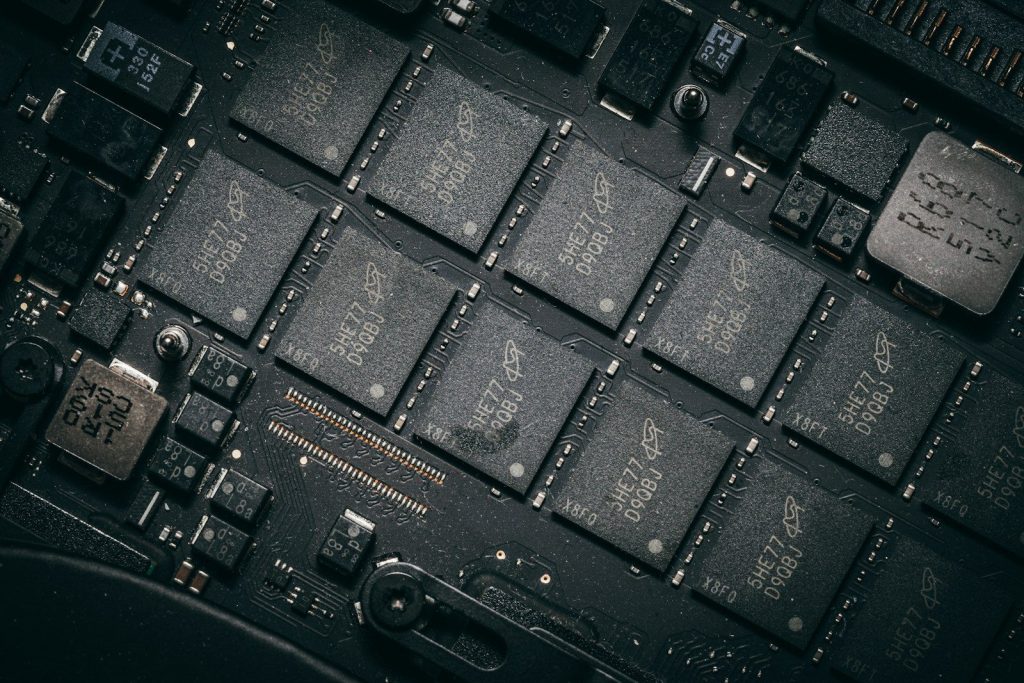
The graphics chip helps create the visual side of the game. It handles lighting, shadows, textures, effects, and fast movement on the screen.
This matters most in games with detailed worlds or realistic action. Phones with stronger graphics support can make scenes look cleaner and help gameplay feel more stable, especially when a game is using high visual settings.
A smoother refresh rate
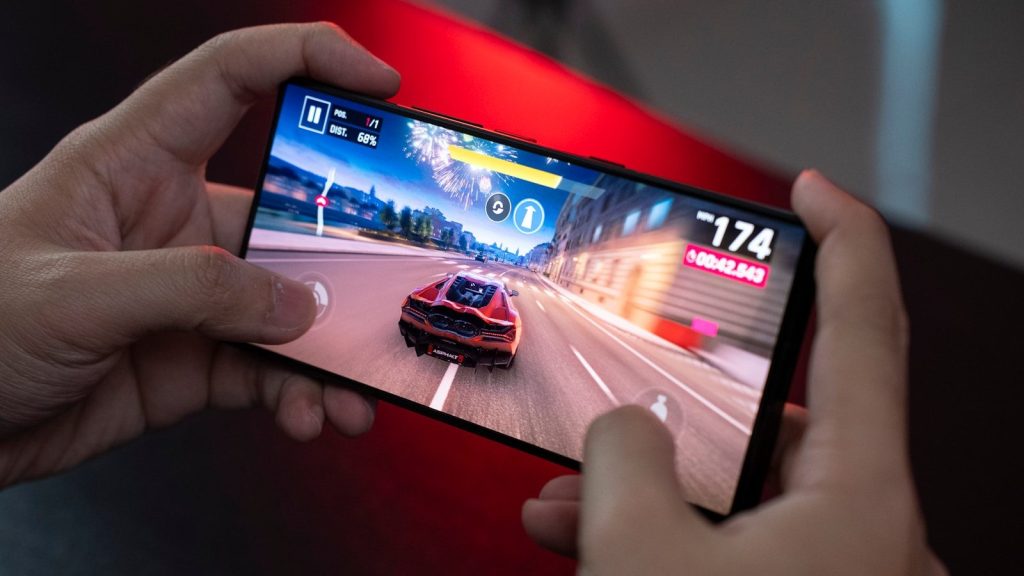
A high refresh rate can make games look more fluid. Many gaming-friendly phones now offer 120Hz, 144Hz, or similar smooth display options.
That extra smoothness can help in racing, sports, and action games where fast motion matters. Samsung notes that higher refresh rates can reduce blur and make movement appear smoother on supported Galaxy phones.
Quick touch response
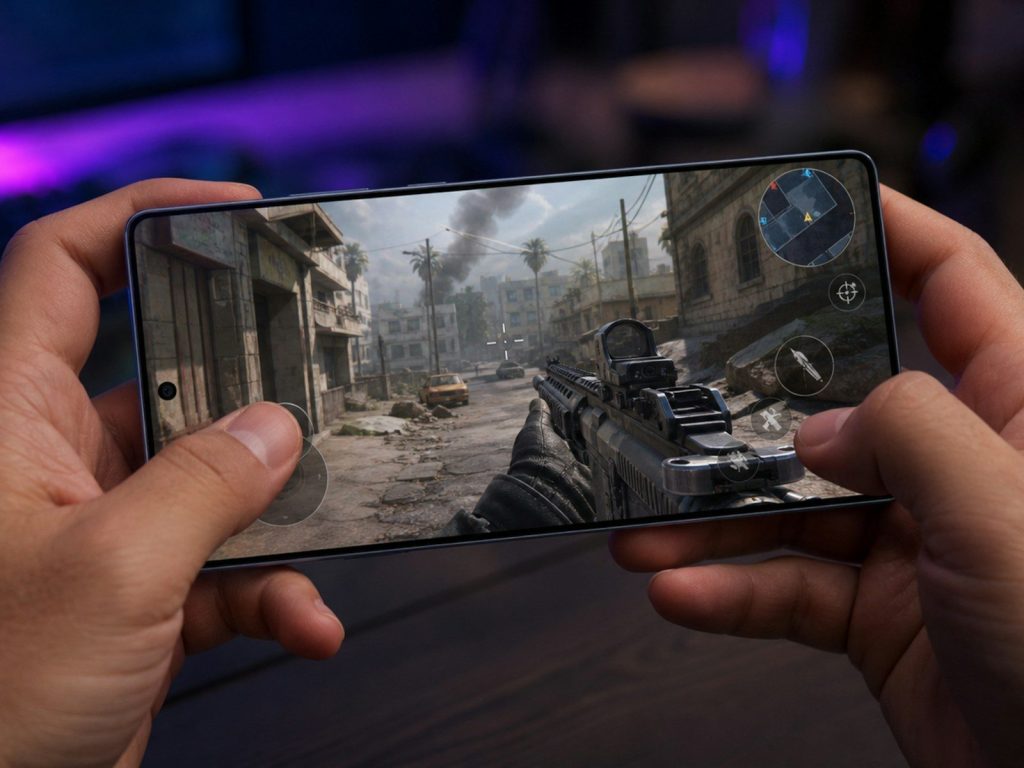
A game can look great and still feel slow if the screen does not respond quickly. Touch response helps decide how fast taps, swipes, and presses show up in the game.
This is important for shooting, racing, rhythm, and battle games. Some gaming phones promote high touch sampling rates because quick input can make controls feel sharper and more direct during fast matches.
Enough RAM for multitasking
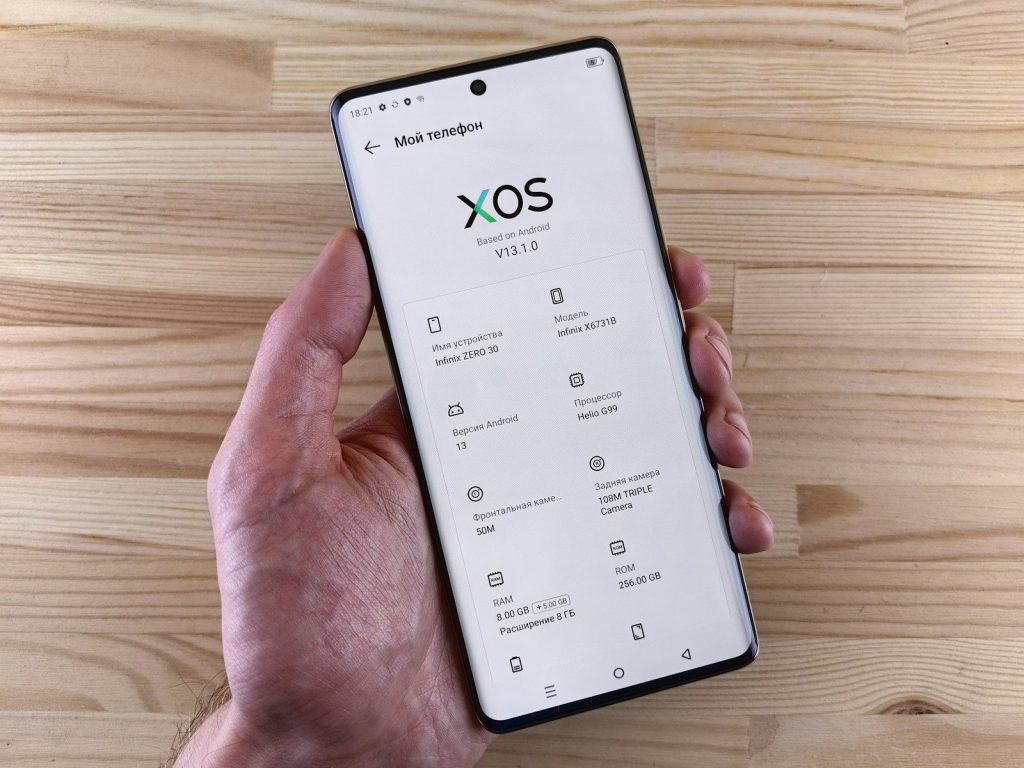
RAM helps the phone keep games and apps ready without slowing down. More RAM can be useful when switching between a game, chat app, browser, or screen recorder.
It can also help heavier games run with fewer pauses. RAM is not the only thing that matters, but when paired with a strong processor, it can help the phone feel quicker and more stable.
Plenty of storage space
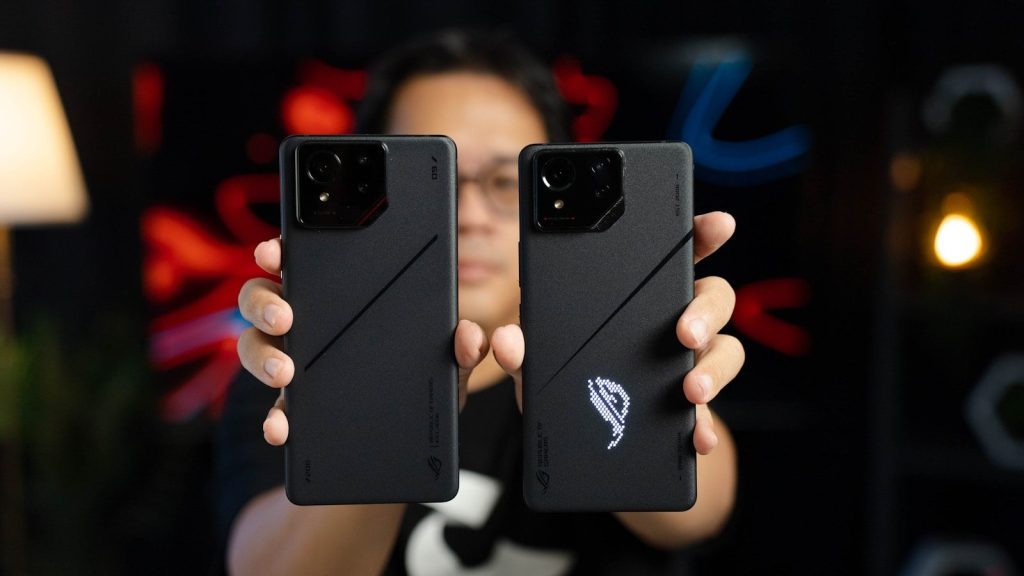
Games can take up a lot of room, especially when they include updates, extra maps, saved files, and high-quality graphics packs. Low storage can make a phone feel crowded fast.
A gaming-friendly phone should have enough space for several large games, photos, videos, and apps. Faster storage can also help games load quicker and reduce waiting between menus or levels.
Better cooling inside
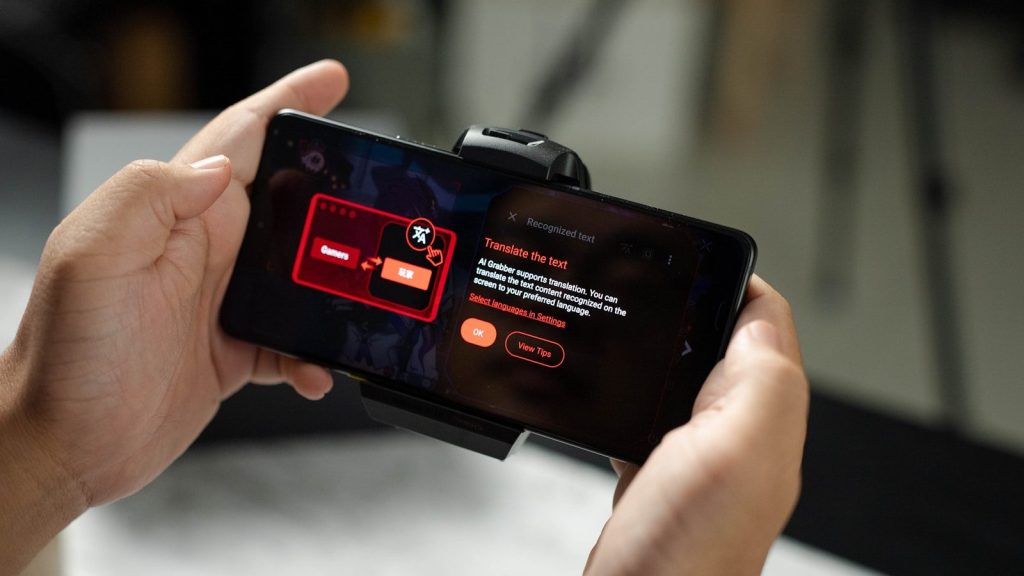
Gaming can heat up a phone, especially during long sessions. When a phone gets too warm, it may slow itself down to protect the hardware.
That is why cooling matters. Some gaming phones use vapor chambers, fans, or other heat-control designs to help performance stay steadier. Honor also lists cooling as one of the key areas to consider in a gaming phone.
A battery that lasts
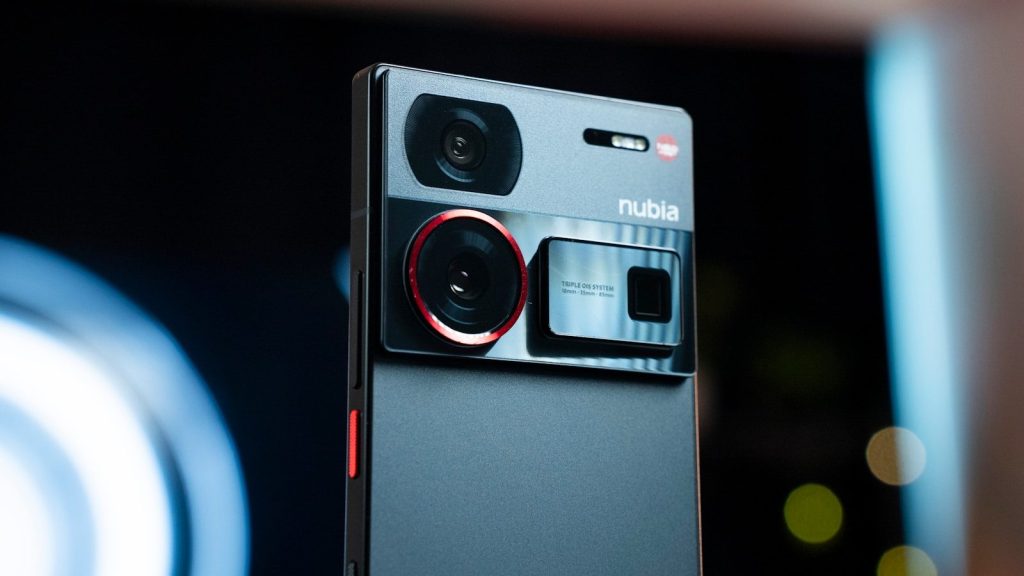
A great gaming phone needs a battery that can keep up. Games use more power than basic texting, browsing, or music because they push the screen, processor, graphics, and network.
A larger battery can help players enjoy longer sessions before reaching for a charger. Fast charging is also useful when the phone needs a quick boost between school, work, travel, or weekend plans.
Clear speakers and haptics
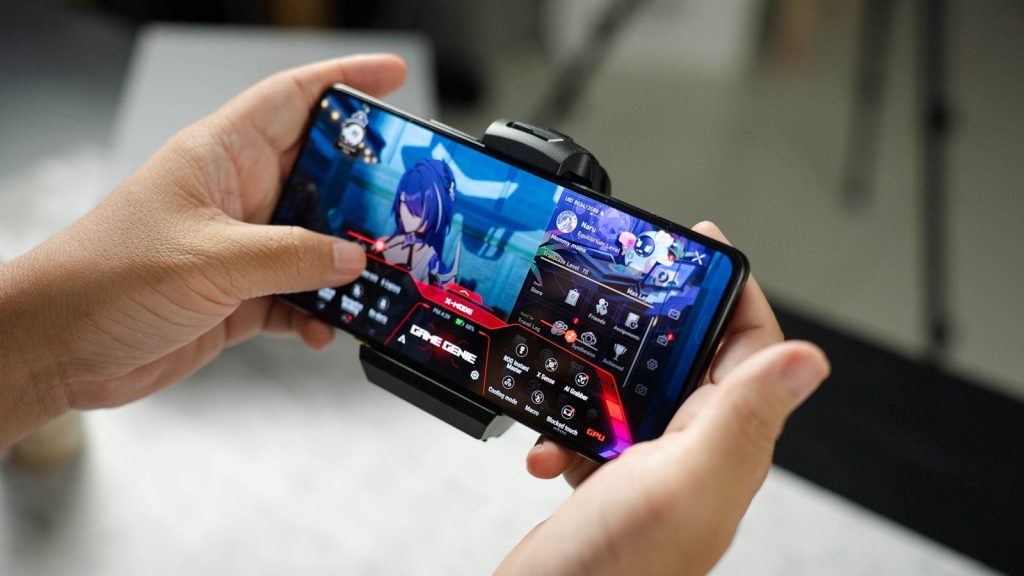
Sound can make games more fun and easier to follow. Good speakers help players hear footsteps, engines, alerts, music, and voice lines without needing earbuds every time.
Haptics also matter. Strong, clean vibration can make taps, crashes, hits, and other game actions feel more natural. Together, sound and haptics can make the phone feel more like a handheld gaming device.
Comfortable design and controls
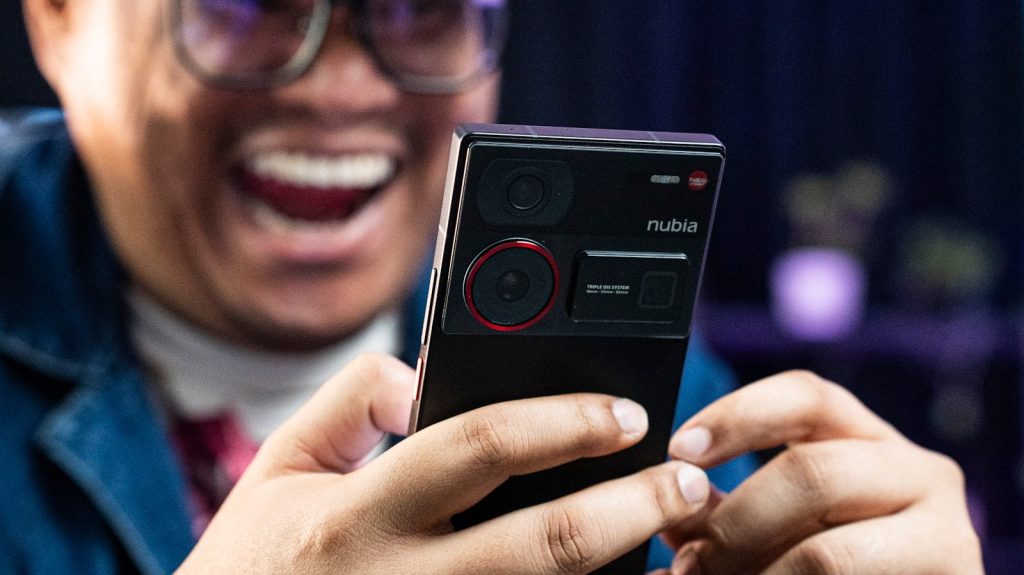
A phone can have great specs and still feel awkward after 30 minutes. Gaming comfort depends on weight, shape, grip, button placement, screen size, and how warm the phone gets.
Some gaming phones add shoulder triggers or game-focused controls for a more console-like feel. Even without those extras, the best phone should feel easy to hold and simple to control during longer play sessions.
Leave a Reply