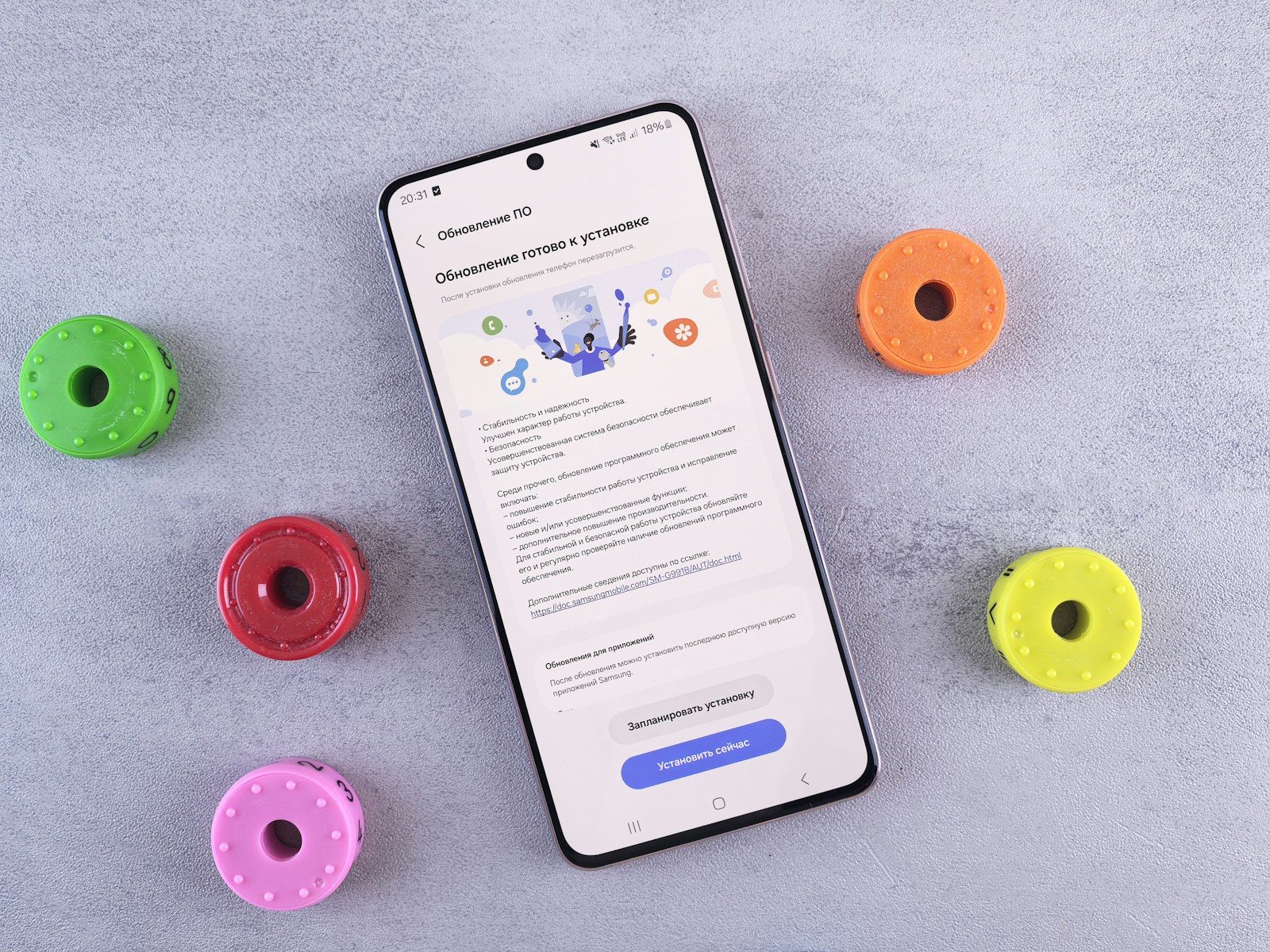
Android updates can feel confusing because “Android phone” does not mean one update schedule. Google builds Android, but each brand has to prepare updates for its own phones, features, chips, regions, and carrier versions. That is why a Google Pixel, Samsung Galaxy, OnePlus, Motorola, Xiaomi, Nothing, or Sony phone may receive the same Android version at very different times. Some brands also promise longer support on premium models than on budget phones. Android Authority notes that manufacturers, carriers, and chipset vendors can all affect how quickly updates arrive.
For buyers, the brand name matters almost as much as the phone’s camera, screen, or battery. A longer update promise can help a phone stay useful, safer, and easier to keep for years.
Google Pixel often leads
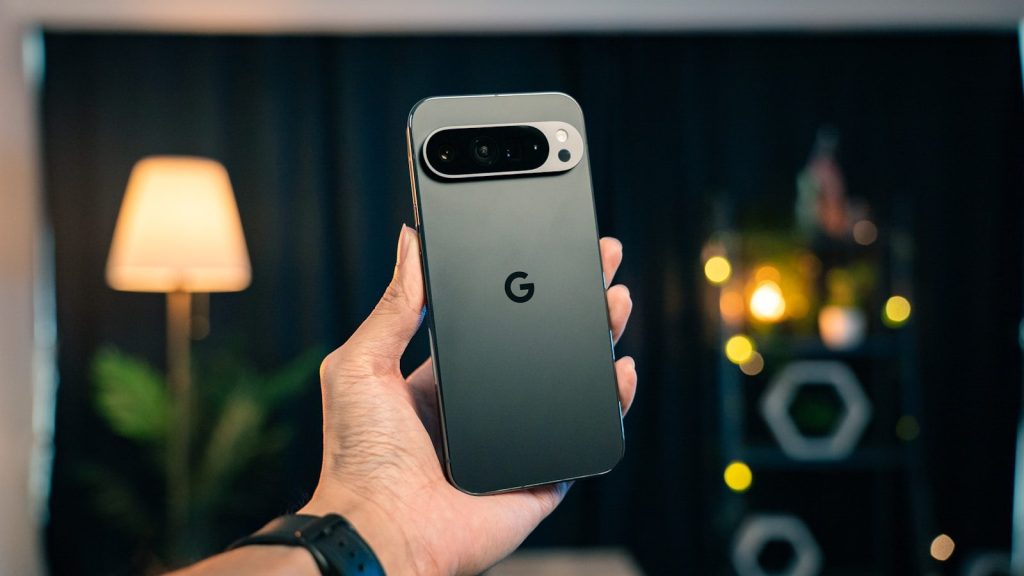
Google Pixel phones usually get Android updates early because Google makes Android and controls the Pixel software directly. That gives Pixel owners a cleaner path from new Android release to installed update.
Google says Pixel 8 and later phones get seven years of OS and security updates from their first U.S. Google Store availability date. Pixel 6, Pixel 7, and Pixel Fold models get five years of OS and security updates.
Samsung has raised the bar
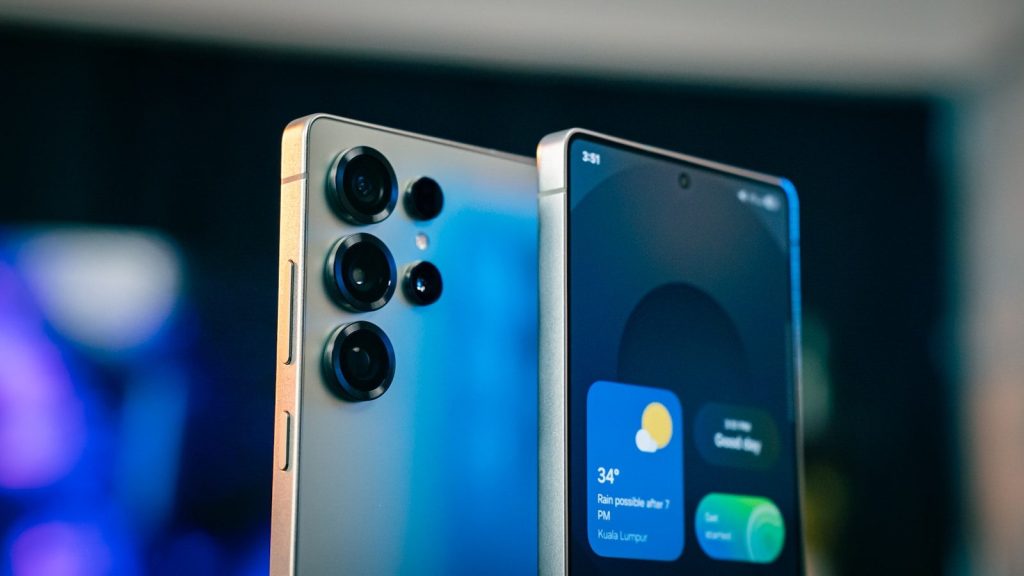
Samsung Galaxy phones are now among the strongest Android choices for long-term support. Newer Galaxy S and Z models have helped push Android brands toward longer update promises.
Samsung says it extended security update support for selected Galaxy devices by up to seven years starting in January 2024. Its update page also lists monthly, quarterly, and biannual update schedules for different Galaxy models.
OnePlus depends on the model
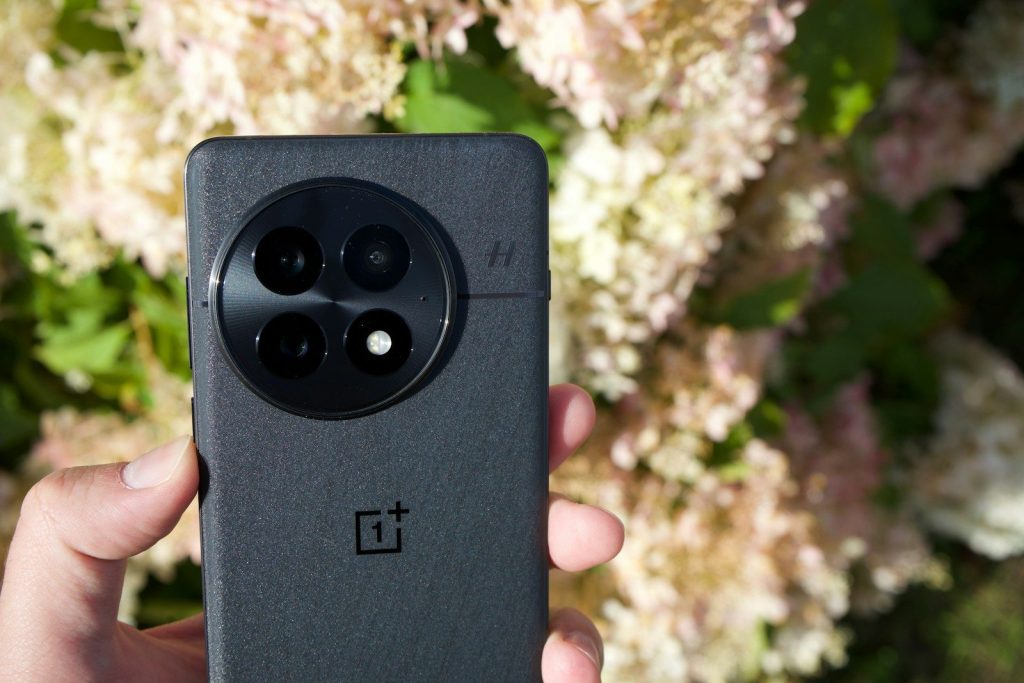
OnePlus can be strong on updates, especially for newer flagship and upper-midrange phones. But the exact promise depends on the model, region, and product line.
That means a OnePlus 13 series phone may not be treated the same as an older Nord or budget model. Buyers should check the support promise for the exact phone, not just assume every OnePlus device gets the same long runway.
Motorola varies a lot
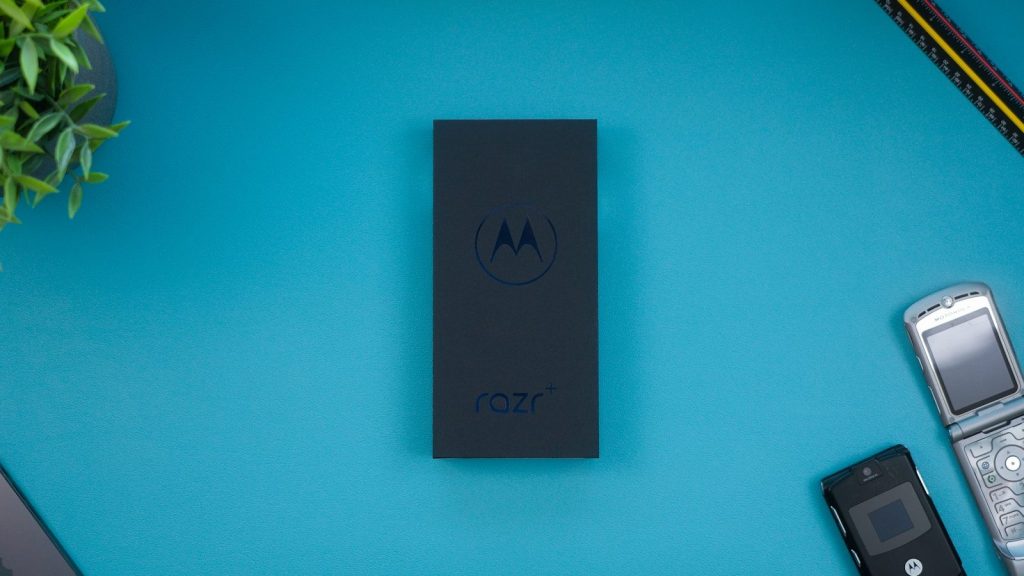
Motorola sells many types of phones, from budget Moto G models to premium Razr and Edge devices. That wide range is one reason update support can vary so much.
Motorola’s support page says users should select their product to see that phone’s security update cycle. It also notes that timing can vary by region, product, carrier, and channel.
Xiaomi can be uneven
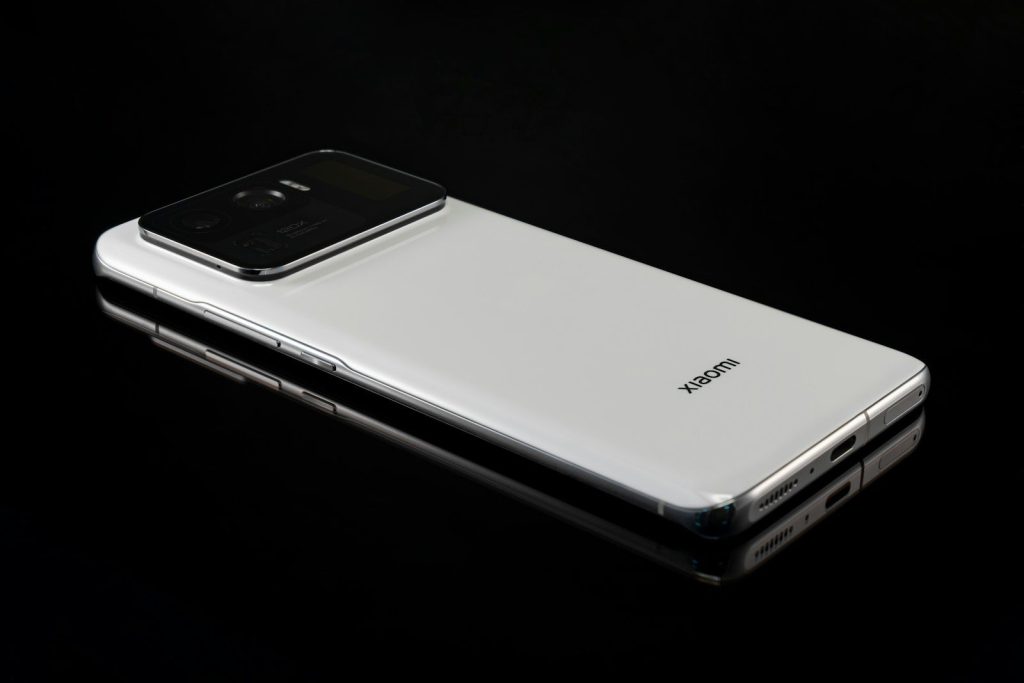
Xiaomi, Redmi, and POCO phones often offer strong hardware for the price, but update timing can depend heavily on the exact model and market. Flagship models usually get better treatment than cheaper phones.
Xiaomi maintains a security update page for smartphones and tablets, which helps users check support status. Still, buyers should confirm the exact model because Xiaomi’s lineup is large and update promises are not always the same across series.
Nothing is improving
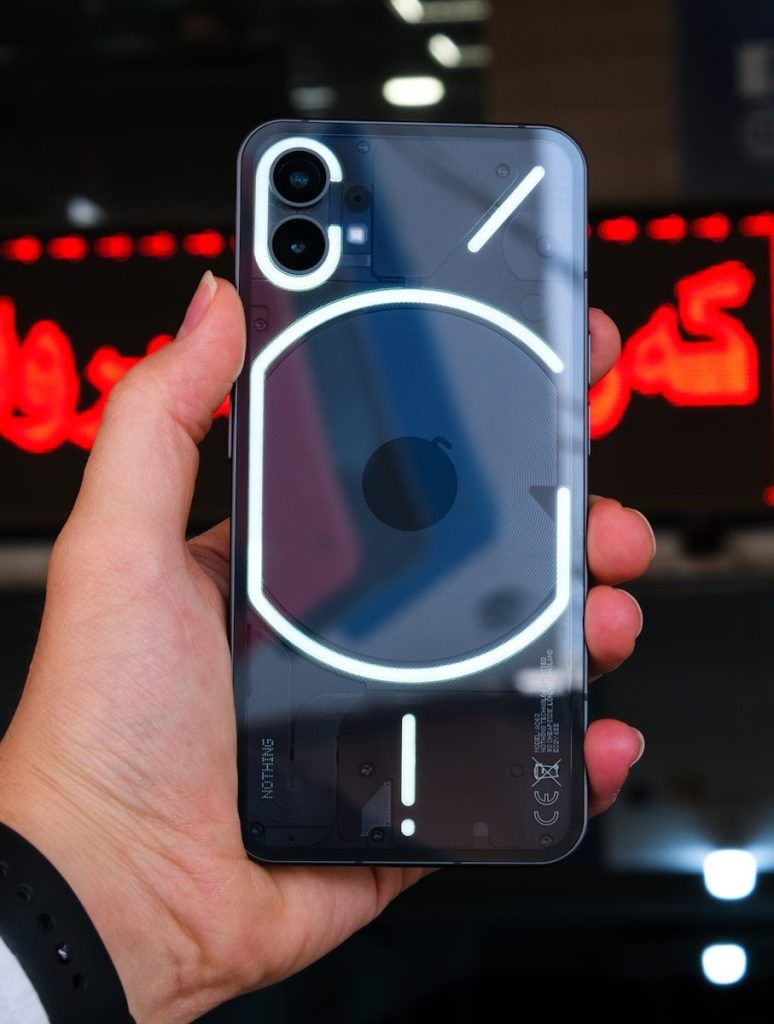
Nothing has built a smaller phone lineup, which can make its update story easier to follow than brands with dozens of models. Its clean software style also helps it stand out.
Reports around the Nothing Phone series show that newer models are getting longer security support than some earlier devices. Still, users should check the specific Nothing Phone model before buying, because OS upgrades and security patches may run on different timelines.
Oppo focuses on flagships
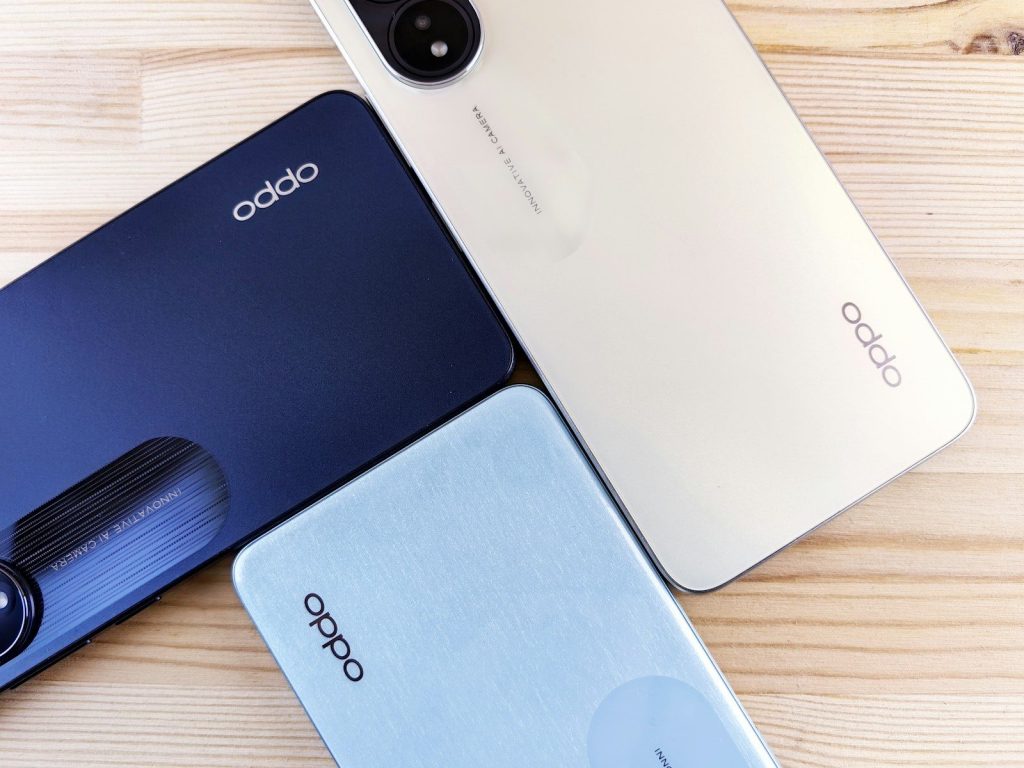
Oppo’s update support is often strongest on higher-end Find series phones. Midrange Reno and budget A-series models may have shorter or different schedules depending on the device.
Recent reporting says Oppo has offered up to five major Android OS updates for select newer Find models. That makes the exact product line important, because a premium Oppo phone and a cheaper Oppo phone may not receive updates for the same length of time.
Sony takes a narrower path
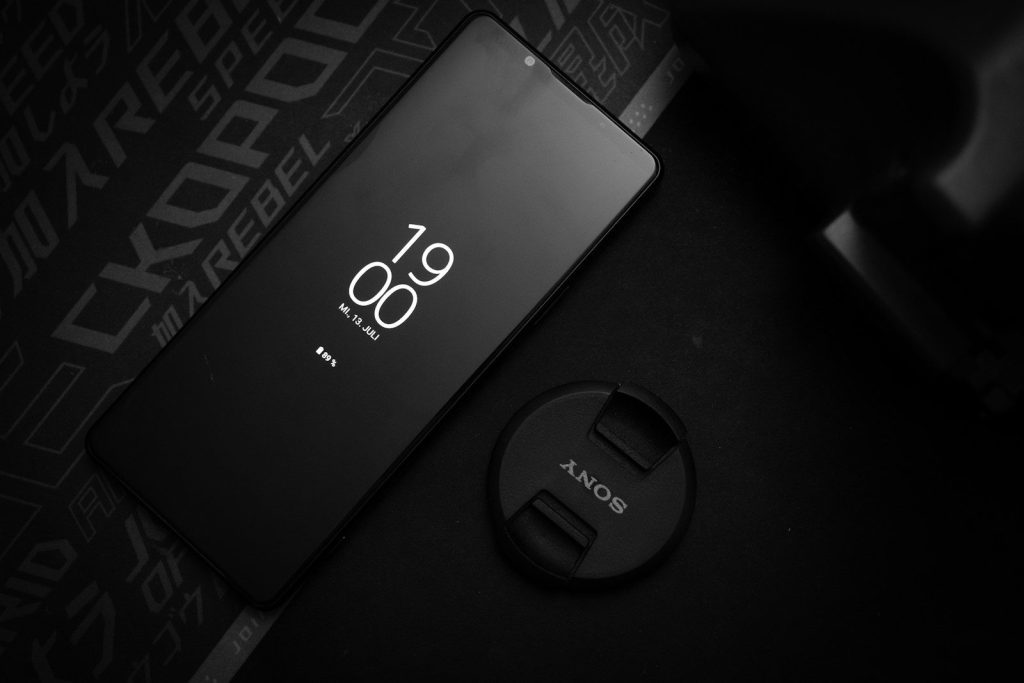
Sony Xperia phones have a smaller market presence in the U.S., but they still matter to fans of camera-focused Android phones. Update support can depend on the Xperia generation and region.
Sony’s Xperia software pages show model-by-model update histories, including Android version upgrades and security patch levels. That makes the support page useful for checking whether a specific Xperia model is still receiving meaningful updates.
Budget phones may lag behind
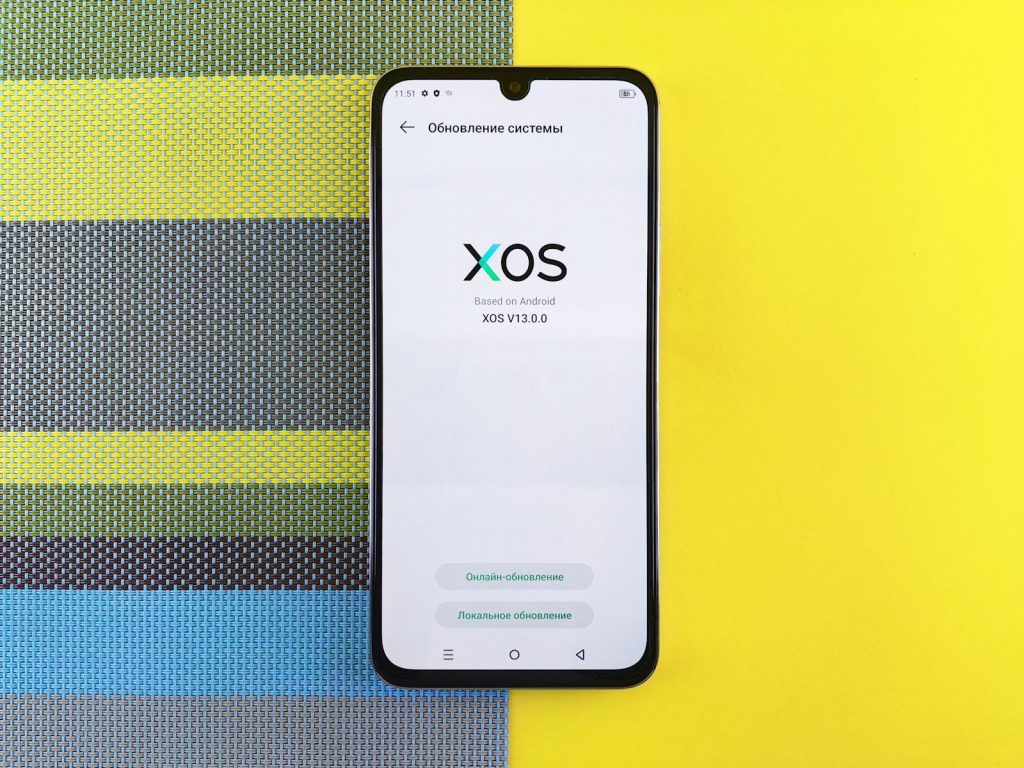
Brand matters, but price tier matters too. A flagship Samsung Galaxy, Google Pixel, or OnePlus phone often gets a stronger update promise than a low-cost model from the same company.
That does not mean budget phones are bad. It simply means shoppers should read the update policy before buying. A cheaper phone may save money upfront, but a longer-supported model can feel better over time.
Check before you upgrade
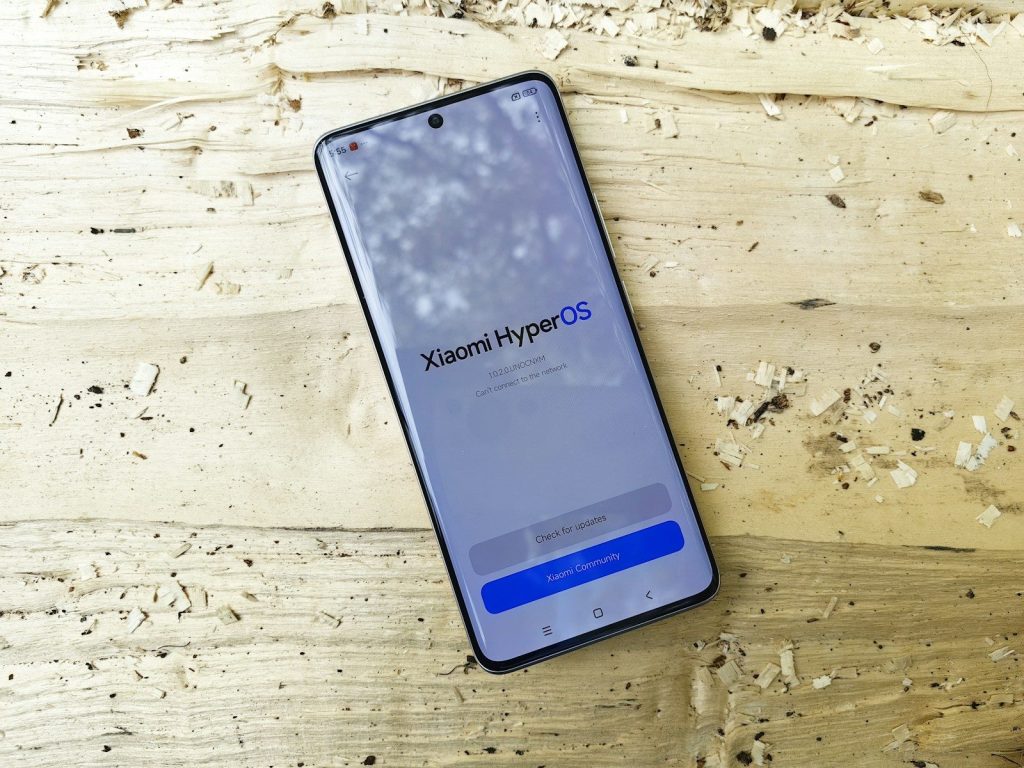
The safest move is simple: check the exact brand, model, and year before buying. Do not rely only on the Android version printed on the box or the name of the brand.
Google Pixel and Samsung Galaxy currently stand out for long support on newer models, while Motorola, Xiaomi, Oppo, OnePlus, Nothing, and Sony can vary more by device. The right Android phone is not just the one that feels fast today. It is the one that keeps getting care tomorrow.
Leave a Reply