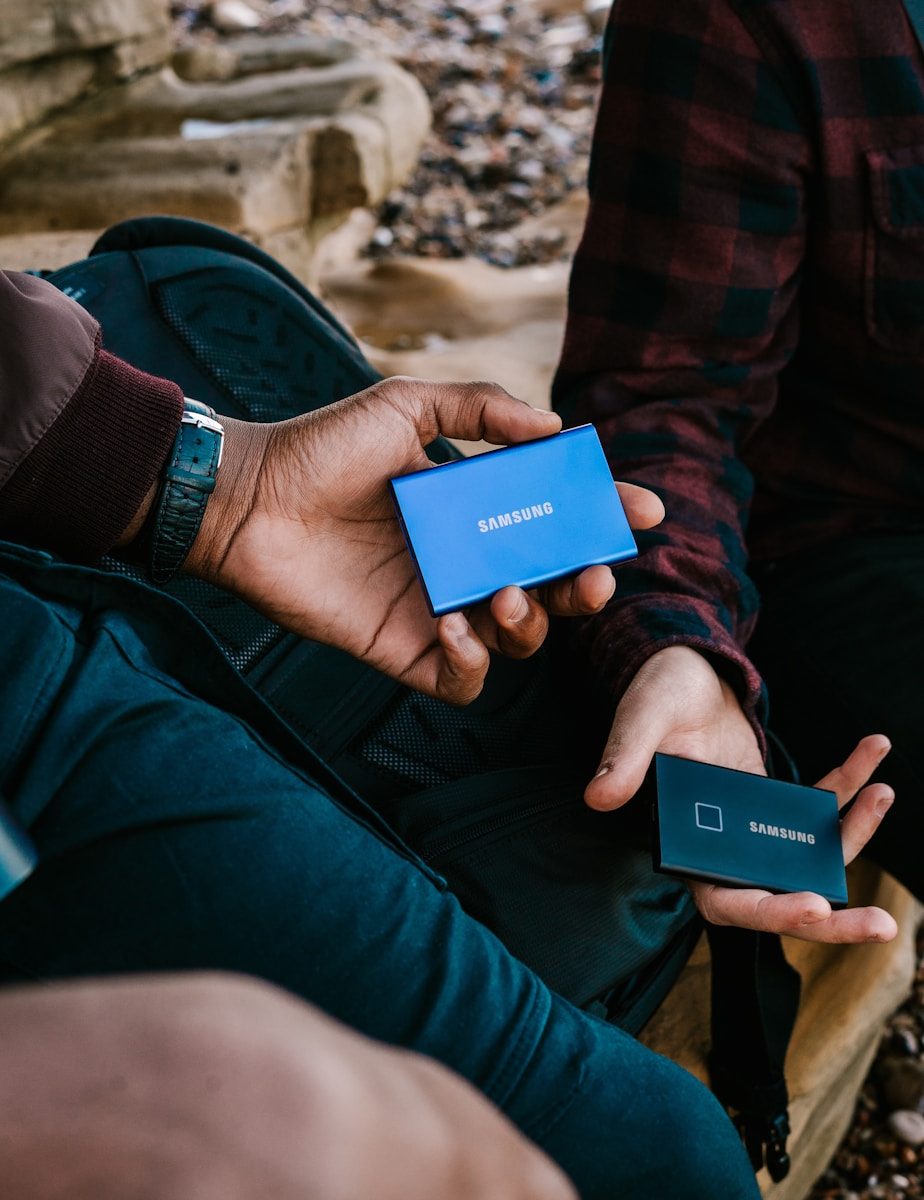
External SSDs used to feel like simple backup tools. Now they are becoming everyday work gear for creators, students, small business owners, and anyone handling large files. Photos, 4K video, game projects, design files, and phone footage can fill a laptop fast. A good external SSD gives people extra room without forcing them to replace their computer.
It also makes it easier to move work between a desktop, laptop, tablet, camera, or phone. Apple says recent Pro iPhone models can record ProRes video directly to compatible USB-C external storage, which shows how normal this workflow is becoming. For serious work, storage is no longer just a place to park files. It is part of the setup.
Speed changes daily work
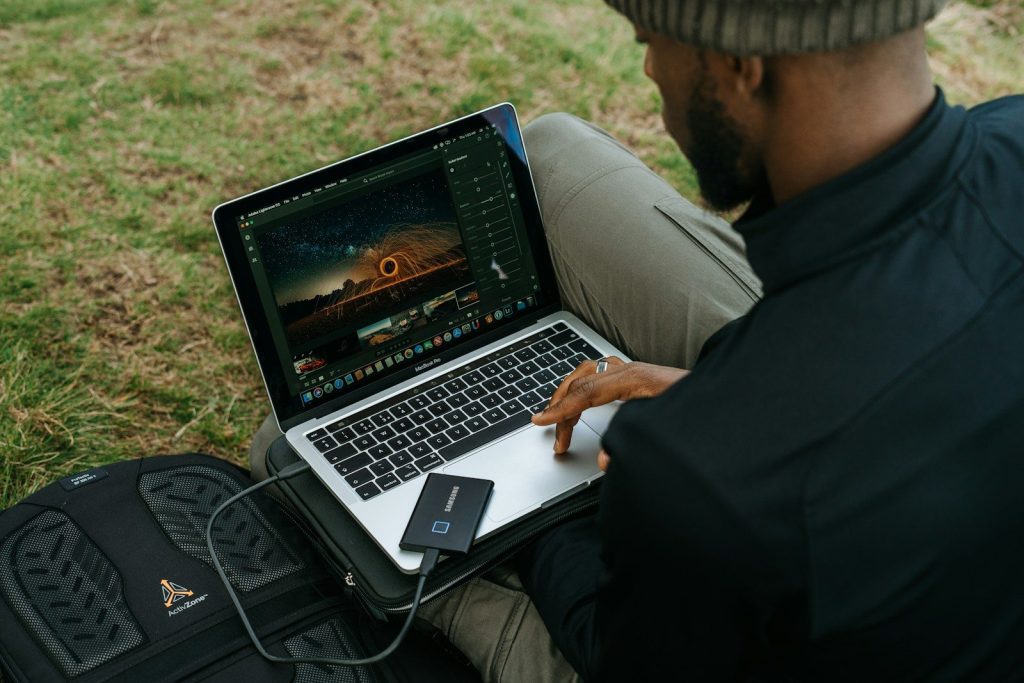
Waiting on large file transfers can break your focus. External SSDs help because they are much faster than older portable hard drives, especially when moving video clips, photo libraries, or project folders.
That speed matters during real work, not just benchmarks. Editors can open large media faster, photographers can move shoots quickly, and teams can pass files around without losing as much time between tasks.
Laptops fill up quickly
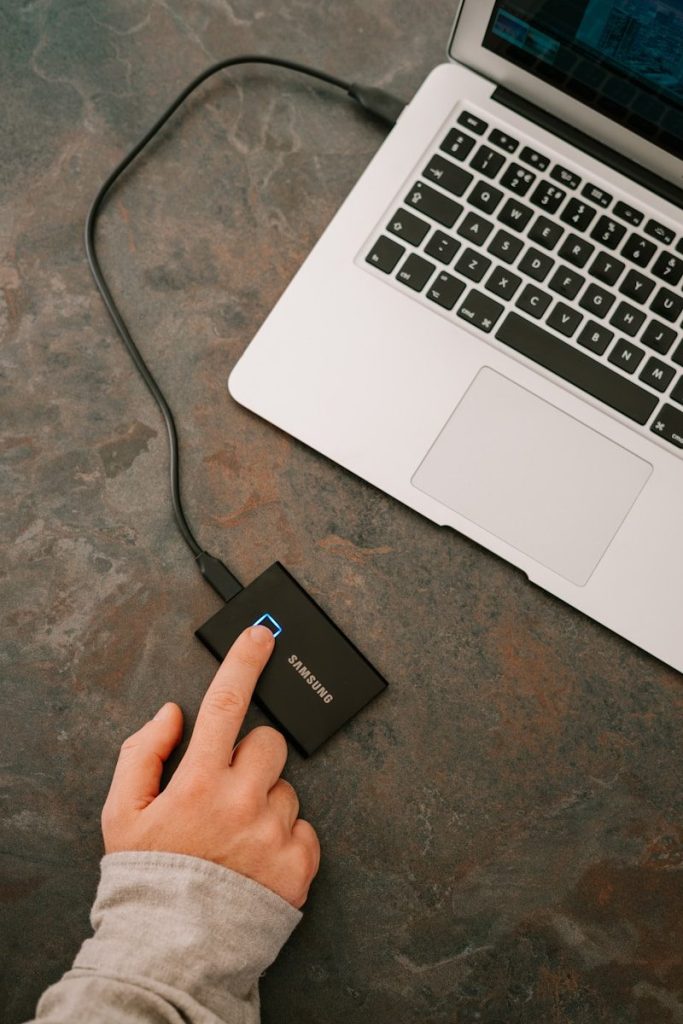
Many modern laptops are thin, fast, and expensive to upgrade. Once the built-in storage is full, users may have to delete files, move projects to the cloud, or buy a new machine sooner than planned.
An external SSD gives more breathing room. It can hold active projects, older work, media libraries, and backups. That makes a smaller laptop feel more useful for a longer time.
Video files keep growing
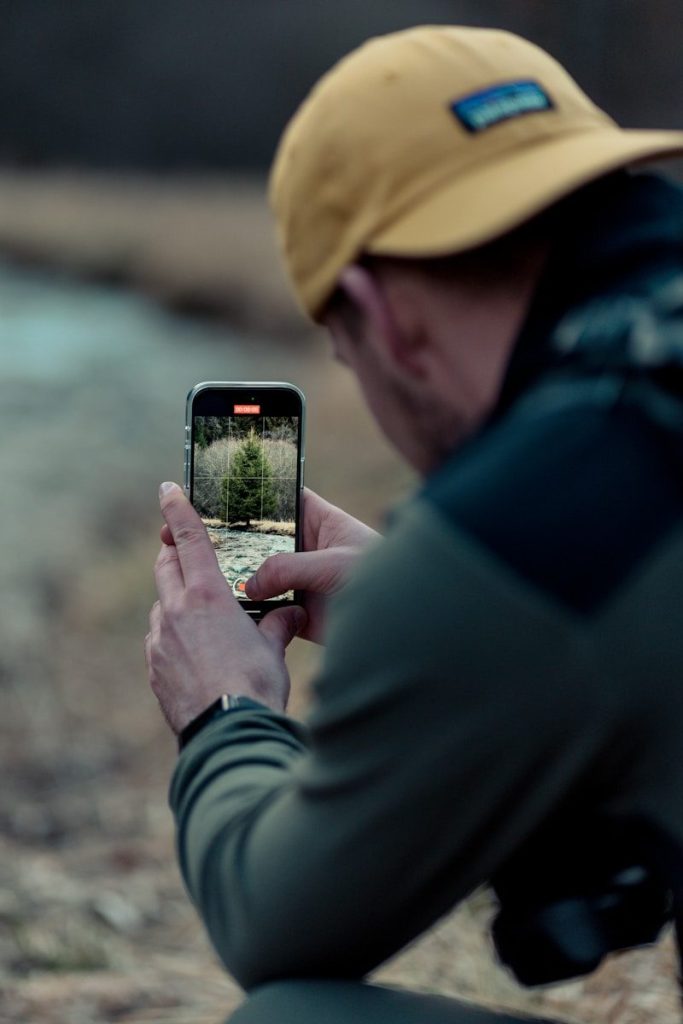
High-quality video can take up a huge amount of space. Apple notes that ProRes files can be much larger than HEVC files, and newer Pro iPhones can record ProRes directly to external USB-C storage when the drive and cable meet requirements.
That is a big shift for mobile creators. Instead of stopping to clear phone space, they can record straight to a drive and move the footage into an editing setup afterward.
Creators need portable setups
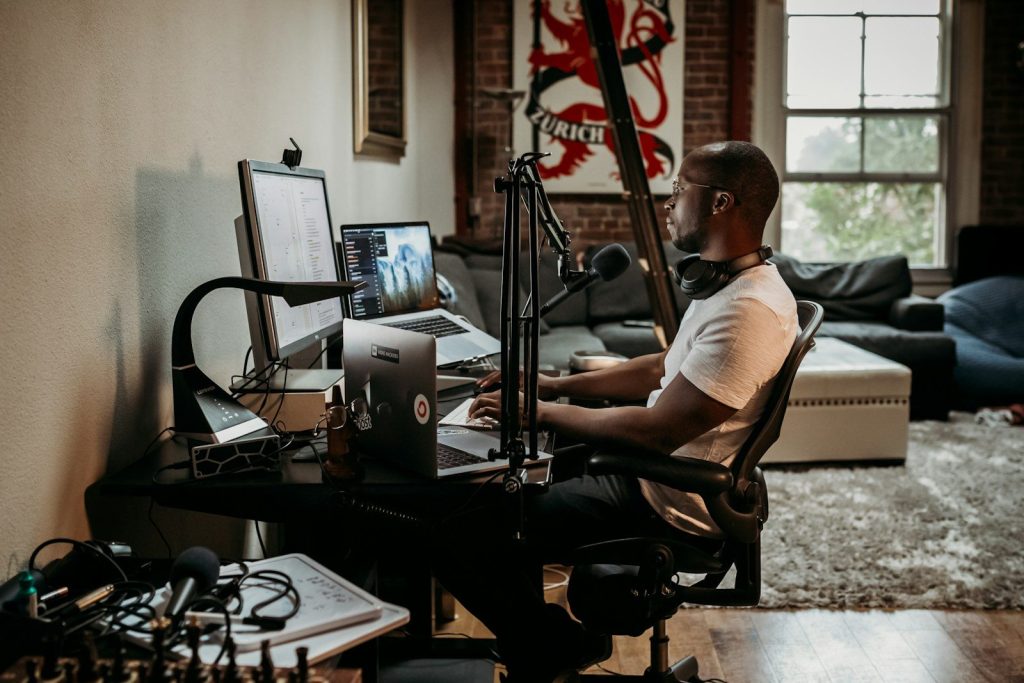
Not every serious workflow happens at a desk. Photographers, filmmakers, designers, and social media teams often work from studios, events, coffee shops, classrooms, or client locations.
A portable SSD helps carry the project, not just the files. Someone can shoot, copy, review, and edit from different places without depending only on one computer. That flexibility is why small drives now feel like work tools.
Cloud storage has limits
Cloud storage is useful, but it is not always the fastest choice. Uploads can take time, internet service can be uneven, and large files may create extra costs or delays.
External SSDs give users local control. Files are right there, even without Wi-Fi. For many workflows, the best setup is not cloud or drive. It is both working together, with the SSD handling fast local access.
Devices now connect easier
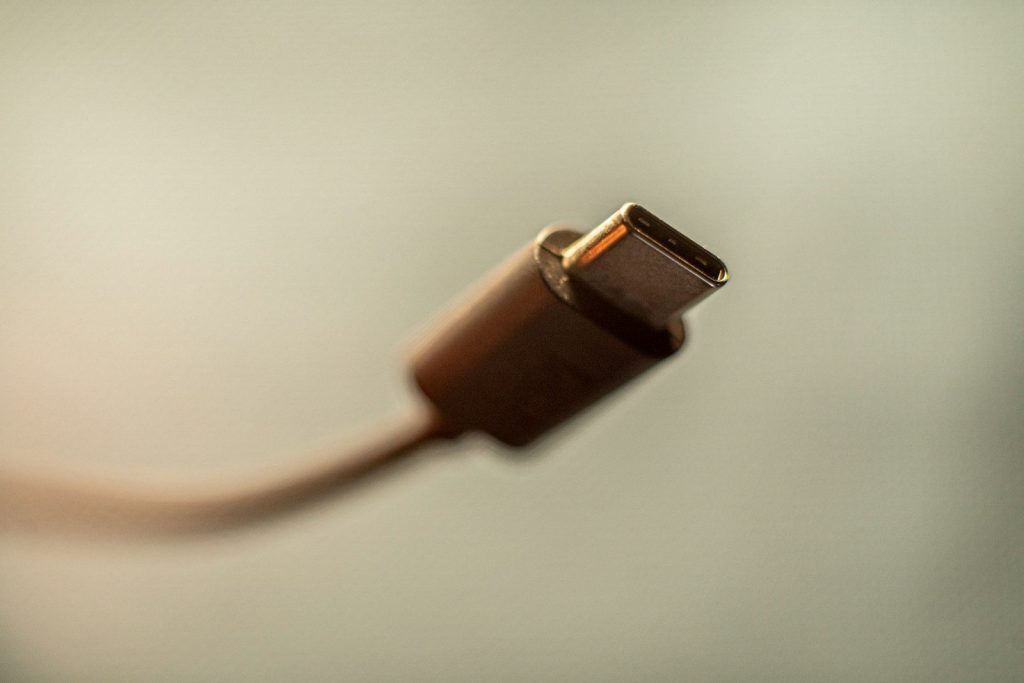
USB-C has made external storage simpler across many devices. A drive that works with a laptop may also connect to some phones, tablets, cameras, and gaming devices, depending on support and formatting.
That shared connection matters. It reduces the need for special adapters and makes storage feel more universal. Serious users want fewer roadblocks, and modern ports help external SSDs fit into more setups.
Fast drives help editing
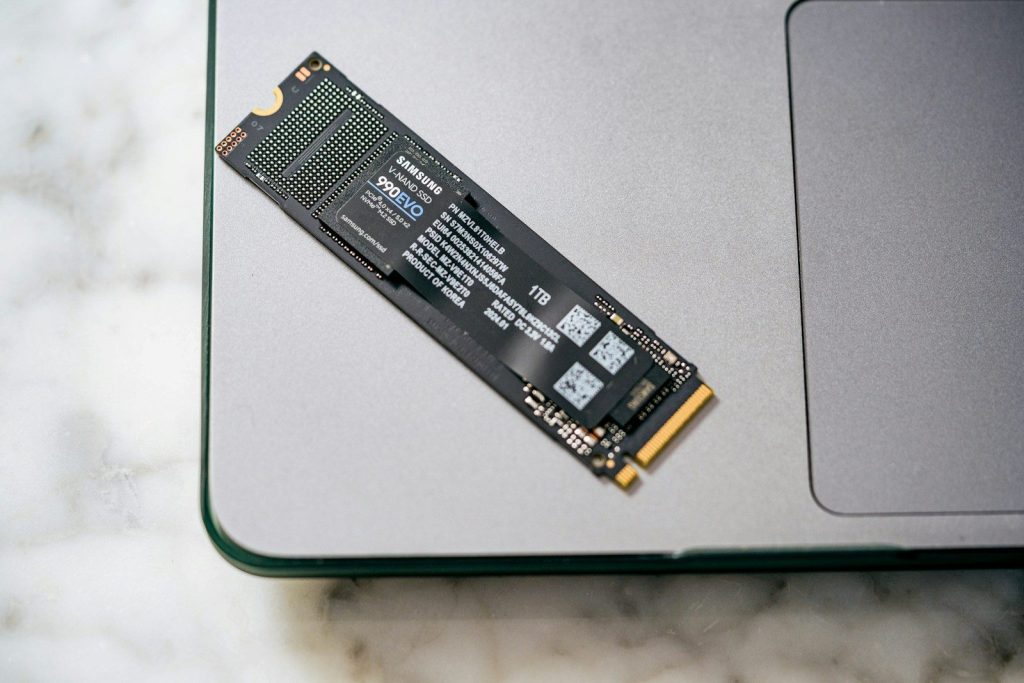
Some editors do more than store files on an external SSD. They may edit directly from the drive, especially when working with large media libraries or switching between machines.
The results depend on the drive, cable, port, and file type. Still, faster external SSDs can make editing setups cleaner. Instead of filling a computer’s internal drive, the active project can live on a separate, portable drive.
They make upgrades simpler

Buying a new computer just for more storage can be expensive. An external SSD offers a cheaper and more flexible path, especially for people who need space more than a faster processor.
That makes the drive part of a longer-term workflow. It can move from one computer to the next, hold older projects, and grow with changing needs. For many users, that is what makes external SSDs feel serious now.
Leave a Reply