Not long ago, satellite phone features sounded like something most people would never use. They were mainly tied to serious situations far from cell towers. That is changing fast. Newer phones and carrier services are increasingly using satellites for more than just urgent texts. Apple says iPhone 14 and later models can use satellite connections for emergency assistance, roadside assistance, messages, and location sharing when there is no cellular or Wi-Fi coverage.
T-Mobile’s T-Satellite with Starlink is also moving direct-to-cell service toward regular messaging and supported apps in places where towers cannot reach. These tools are still limited, and they work best with a clear view of the sky. But the direction is clear: satellite connectivity is slowly becoming part of normal mobile life, not just a last-resort backup.
Dead zones are the real target

Most people do not think about satellite service until their phone shows no bars. That is where this technology becomes useful. It can help fill gaps on rural roads, hiking areas, campgrounds, and other places where cell towers are too far away.
The goal is not to replace regular mobile networks. It is to give phones a backup path when normal service disappears. That makes satellite connectivity feel less like a luxury and more like a practical safety net.
Texting is just the start
Early phone satellite features focused mostly on short messages. That made sense because text uses less data and can work better over a slower connection. It also gives users a simple way to reach help or share basic updates.
Now the idea is growing beyond basic texts. Apple supports satellite messaging with friends and family on newer iPhones in supported areas, while T-Mobile has been expanding satellite access toward selected apps.
Apps are joining in
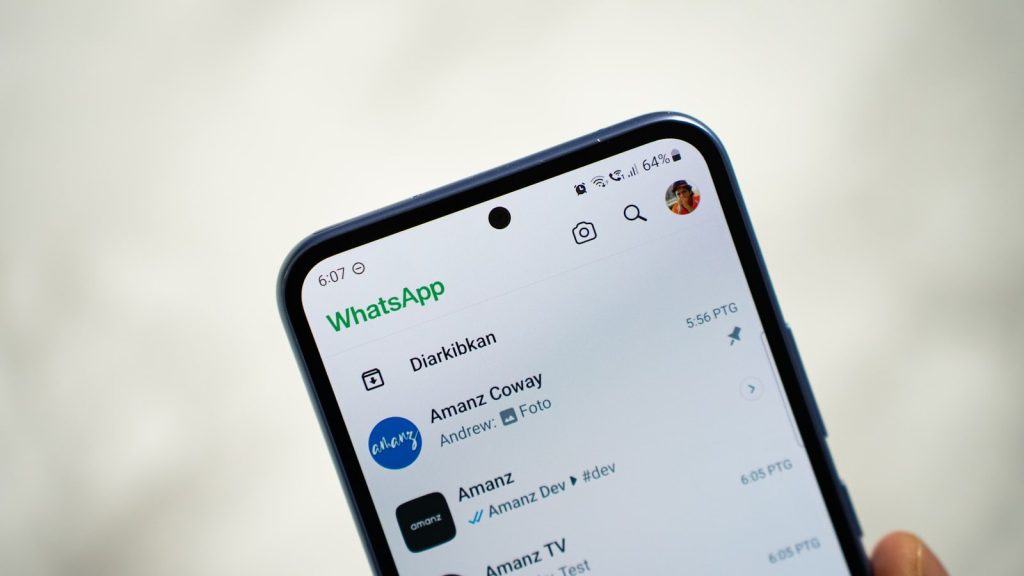
Satellite connections are becoming more useful as apps begin to support them. T-Mobile said its satellite service expanded to apps such as WhatsApp, Google Maps, AllTrails, AccuWeather, and others in areas without regular coverage.
That does not mean phones suddenly get full-speed internet from space everywhere. It means certain important app features may still work when a tower signal is missing. For many users, that could be enough to check a route, send an update, or get basic information.
Roadside help gets easier
Satellite service is not only for remote trails. A flat tire or car problem can happen on a quiet highway where cell service is weak. That is why roadside assistance through satellite matters.
Apple says supported iPhones can request roadside assistance by satellite when users are outside cellular and Wi-Fi coverage. For drivers, that turns the phone into a more dependable travel companion, especially in open areas with few nearby towers.
Location sharing matters
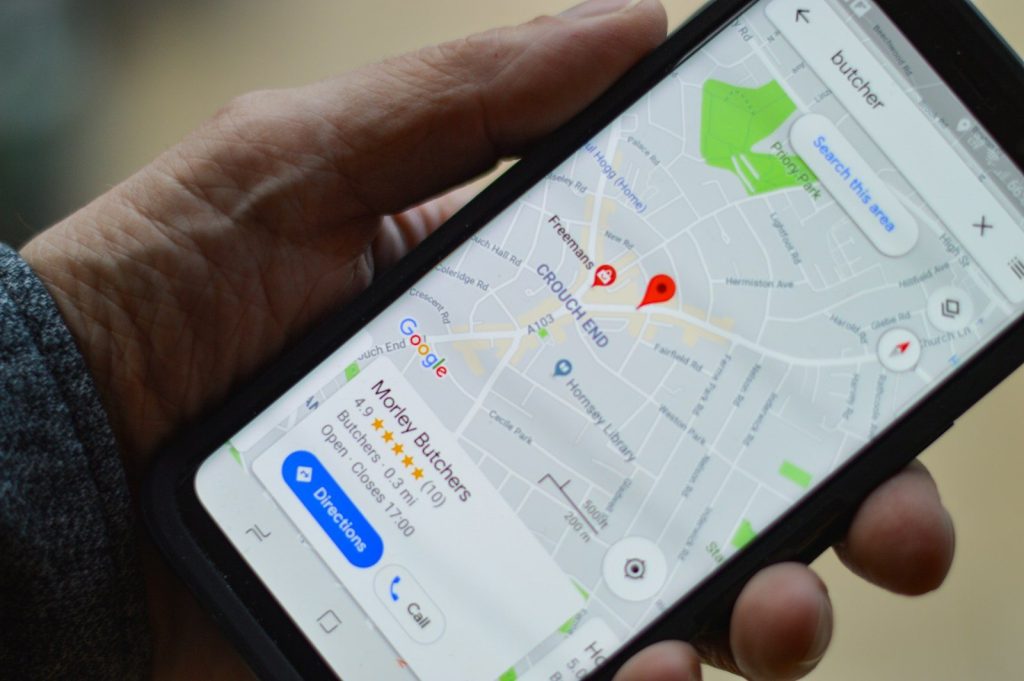
Sometimes the most important message is simply, “Here is where I am.” Satellite location sharing can help family members know a person’s position when normal service is gone.
Apple lists location sharing as one of its satellite features on iPhone 14 or later. That can be useful during road trips, outdoor plans, or travel through low-coverage areas. It is a small feature, but it can bring a lot of peace of mind.
Android is catching up
Satellite connectivity is no longer only tied to one phone brand. Google’s Pixel 9 series introduced Satellite SOS in the U.S. with support from Skylo, giving Android users a way to reach help when cellular and Wi-Fi are unavailable.
That shows the feature is becoming part of the wider smartphone market. As more phone makers and carriers support it, buyers may start seeing satellite access as a normal spec to check before upgrading.
Carriers see a bigger role

Wireless companies are looking at satellite service as a way to shrink coverage gaps. Reuters reported that Verizon, AT&T, and T-Mobile agreed in principle to create a joint venture aimed at reducing rural dead zones through satellite-based direct-to-device technology.
That kind of move shows how serious the industry is becoming. Instead of treating satellite service as a side feature, carriers are exploring it as part of the future coverage map.
Watches may benefit too
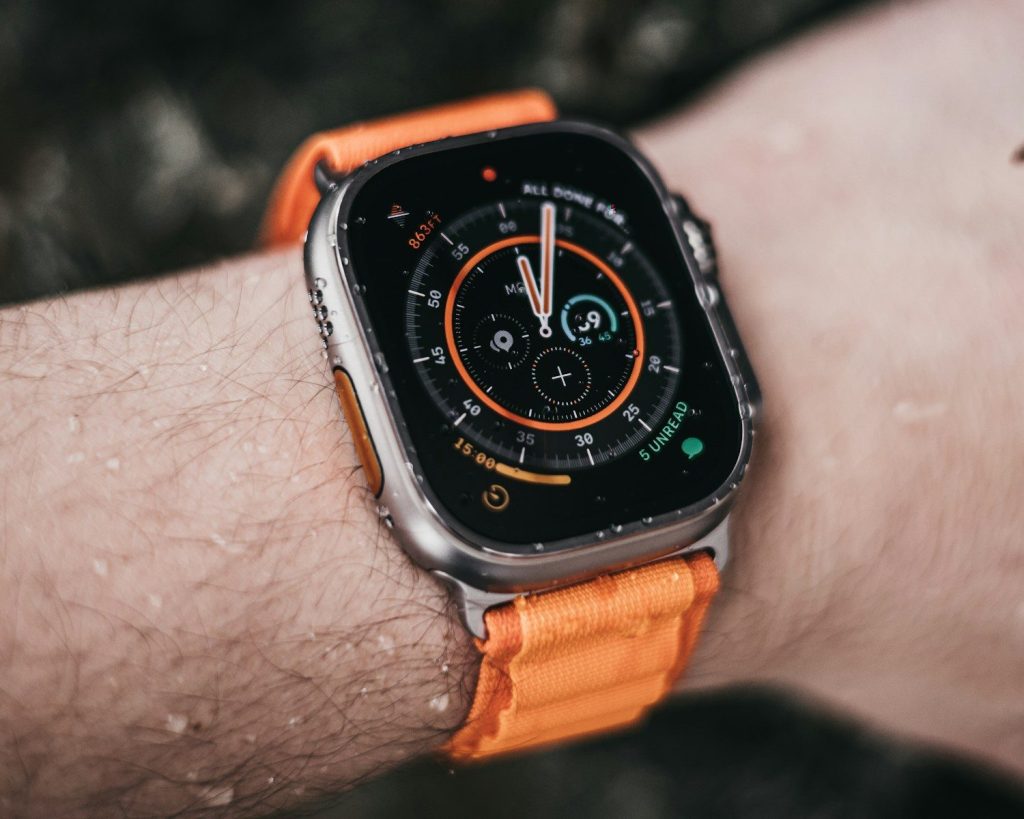
Satellite connectivity is also moving beyond phones. Amazon said Globalstar currently helps power satellite service for iPhone 14 or later and Apple Watch Ultra 3, supporting features like emergency texts, family messages, roadside help, and location sharing.
That hints at a broader future. A watch, phone, or other mobile device may be able to stay useful even when it is far from a tower. Small connected gadgets could become more dependable in more places.
Leave a Reply