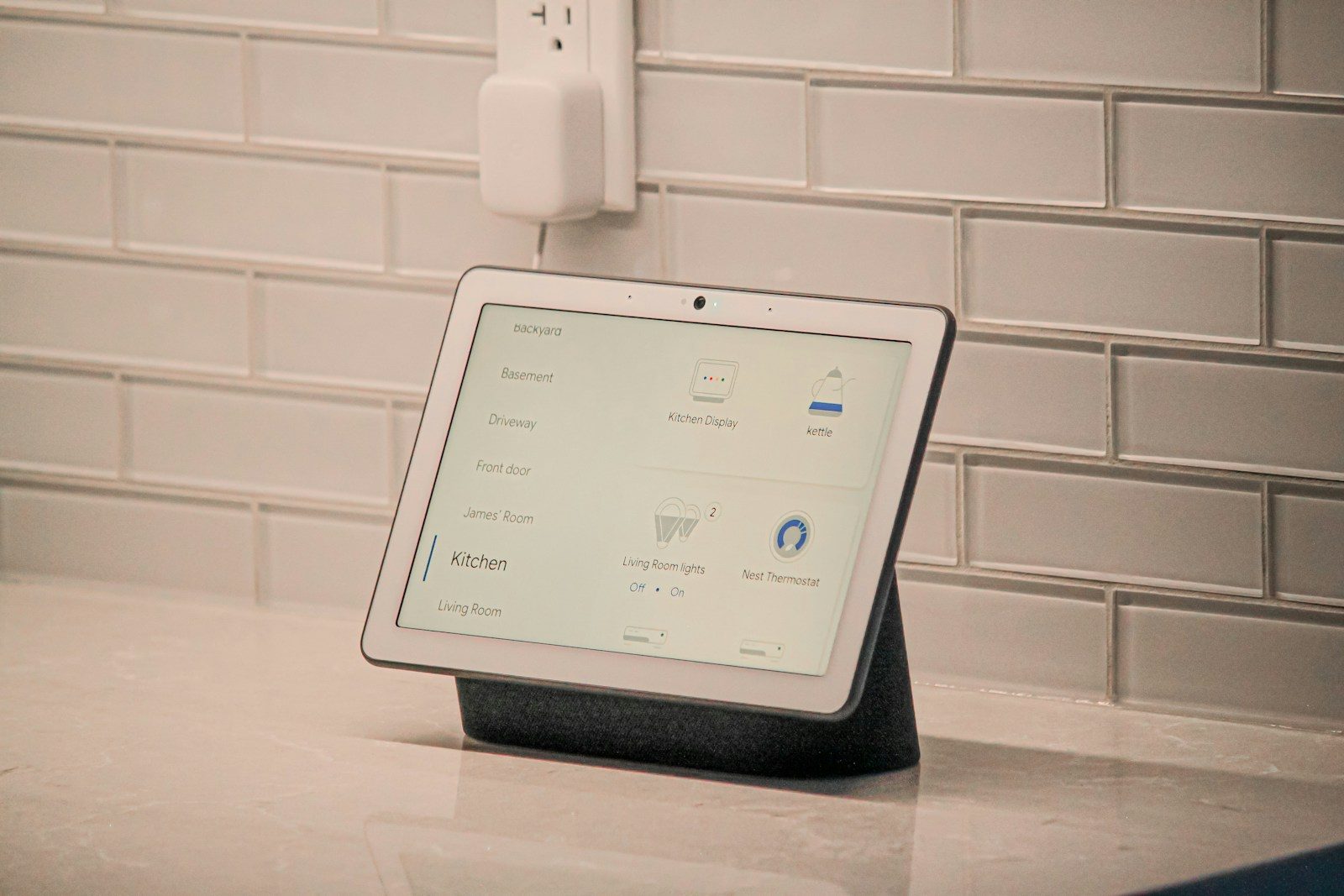
Smart home screens never fully disappeared, but for a while they felt stuck between a speaker, a tablet, and a digital photo frame. Now they may have a better reason to matter. Homes are filling with connected lights, cameras, locks, thermostats, plugs, and sensors, and controlling all of them from a phone can get annoying fast. A shared screen on the counter or wall can make the whole setup easier for everyone.
The timing also looks interesting. Google says Gemini for Home is coming to compatible speakers and displays, with smarter voice help and easier home control. Amazon’s Echo Hub is built as a touch control panel for lights, outlets, camera feeds, and routines. Matter support is also making smart home devices work together more smoothly across brands.
Phones are not always ideal
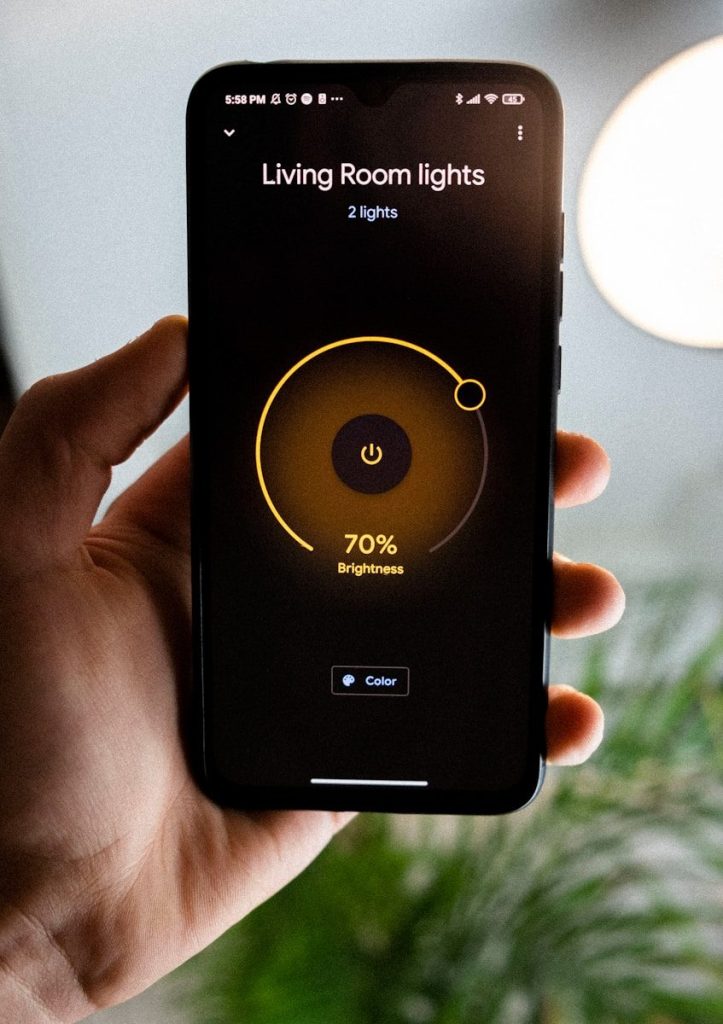
Phones are great for smart home control, but they are personal devices. If the person with the app is away, charging their phone, or busy, everyone else may struggle.
A smart home screen can sit in one shared spot. That makes it easier for family members, guests, or roommates to adjust lights, check a camera, or start a routine without hunting for someone’s phone.
Smart homes need a hub
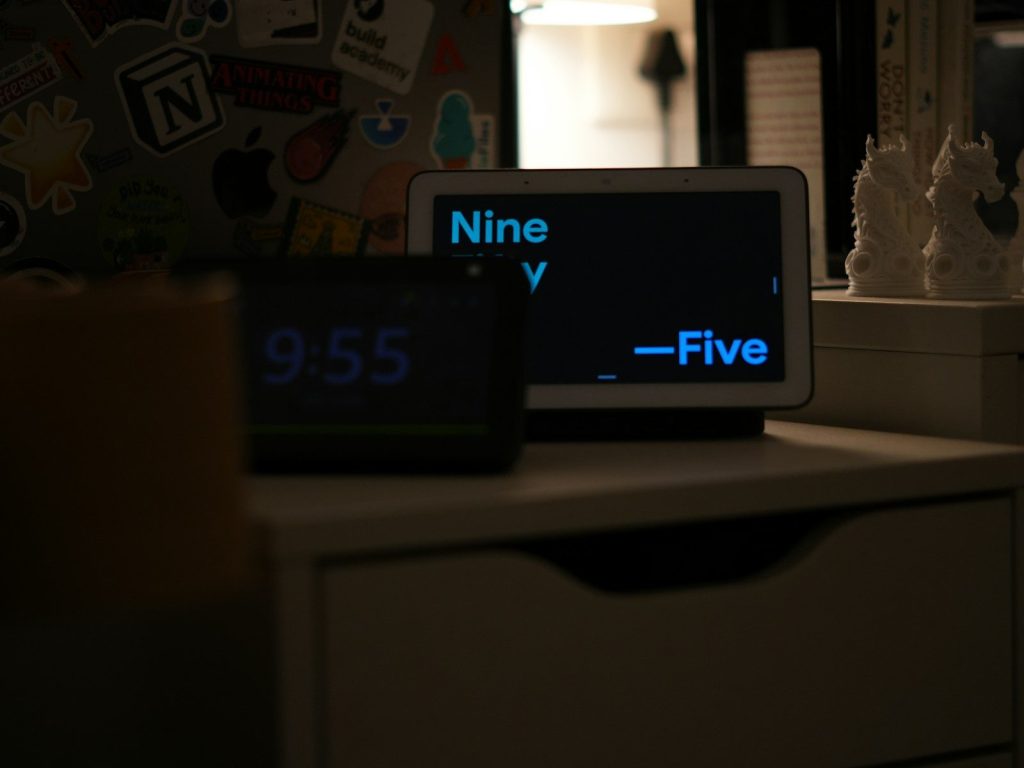
As homes add more connected devices, control can become messy. One app handles lights, another handles cameras, and another handles plugs or locks.
A home screen can bring common controls into one view. Amazon describes the Echo Hub as a dashboard for smart devices, routines, camera feeds, and widgets, which shows why screens can be more practical than flashy.
AI gives screens new purpose
Older smart displays often felt limited. They could show weather, timers, recipes, photos, and video calls, but they did not always feel essential.
AI could change that. Google says Gemini for Home will support more natural hands-free help and multi-step smart home commands on compatible speakers and displays, which could make screens feel more useful every day.
Voice still needs visuals
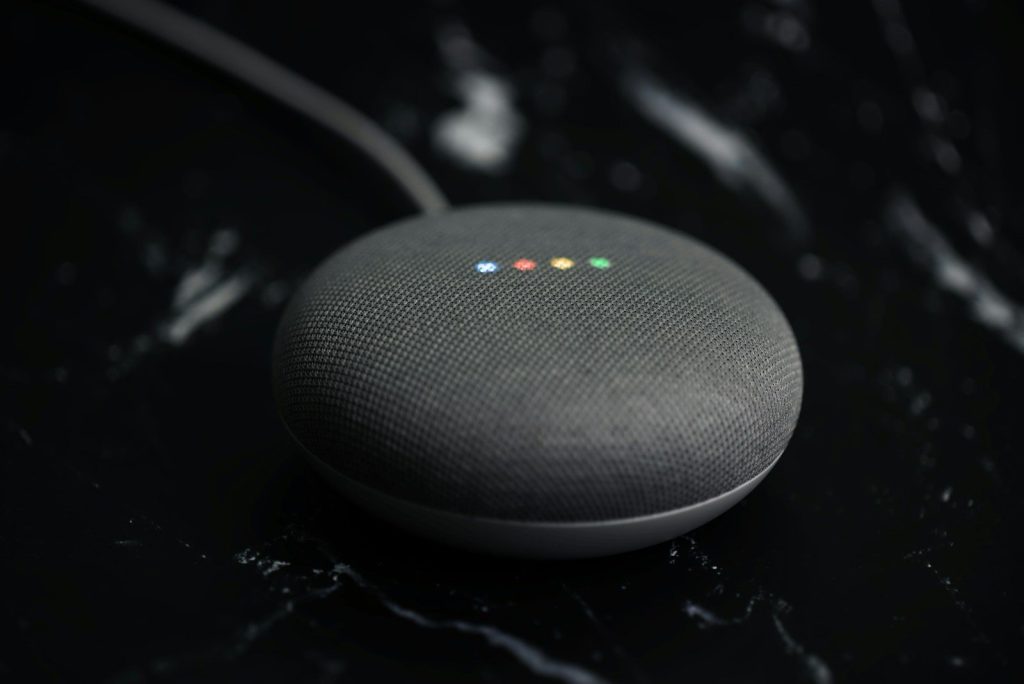
Voice control is handy, but it is not perfect. Sometimes you want to see camera previews, room temperatures, light levels, timers, calendars, or a list of devices.
That is where a screen helps. It gives voice commands a visual backup, so users can speak when it is faster and tap when it is clearer. The best setup uses both, not just one.
Matter reduces confusion
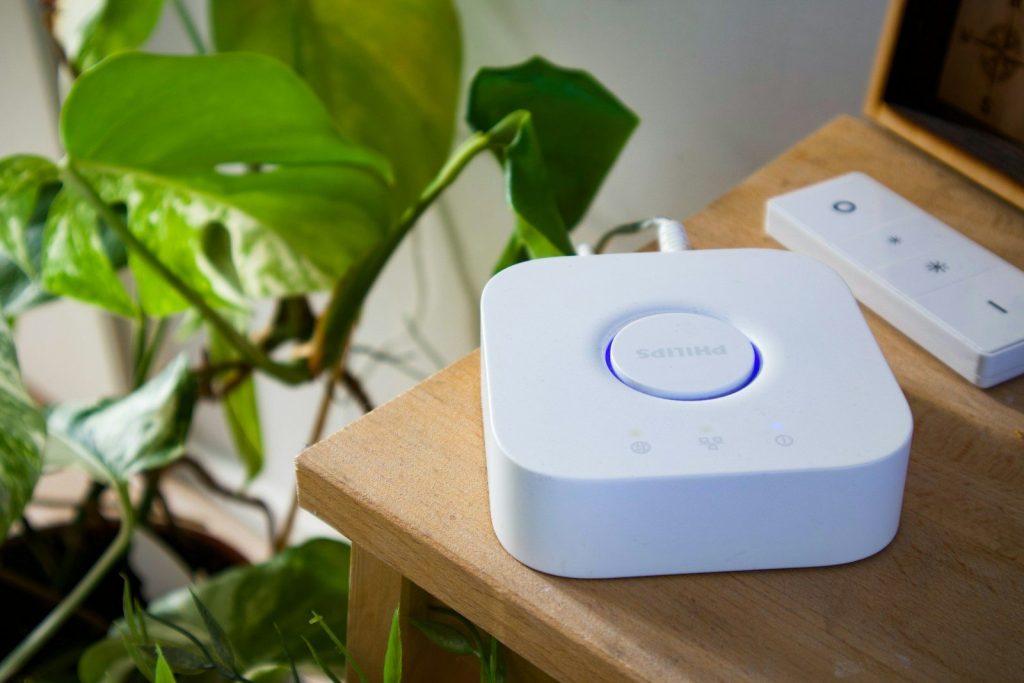
One reason smart homes felt frustrating was compatibility. Shoppers had to check whether a device worked with one platform, another platform, or a separate hub.
Matter is meant to make that easier. Amazon says Matter lets smart home devices connect directly to Alexa without a separate hub or skill, helping improve local control and reliability.
Wall screens feel practical
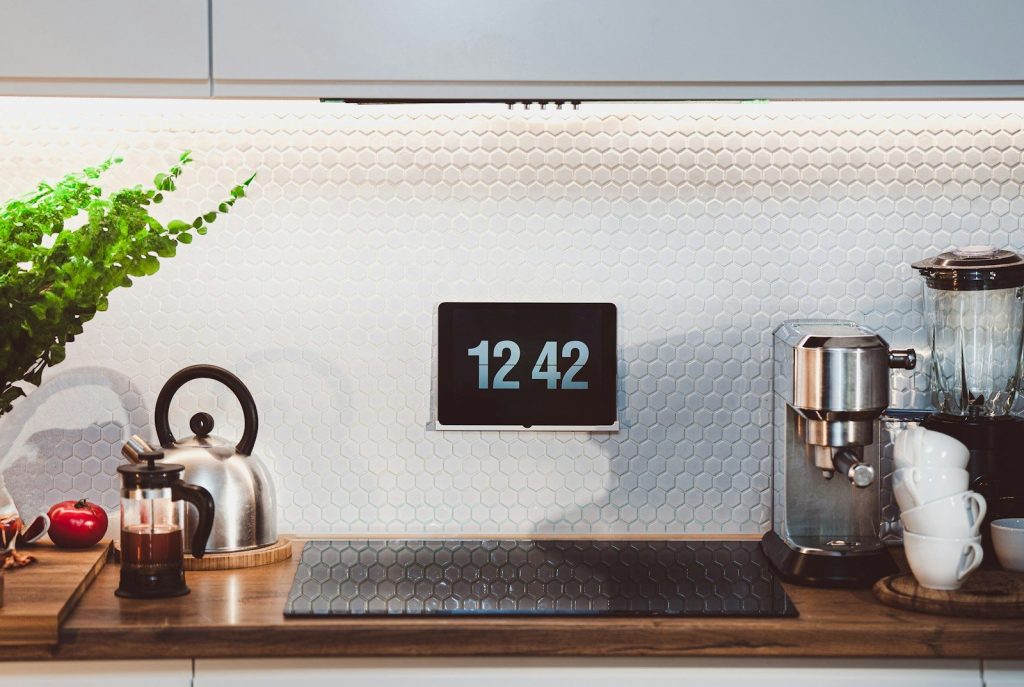
A wall-mounted smart screen can act like a modern control panel. Instead of opening an app, users can glance at one place for lights, cameras, reminders, and routines.
That makes sense in busy spaces like kitchens, hallways, and family rooms. A screen that stays put can become part of the home, not just another gadget that gets moved around.
Kitchens are a natural fit
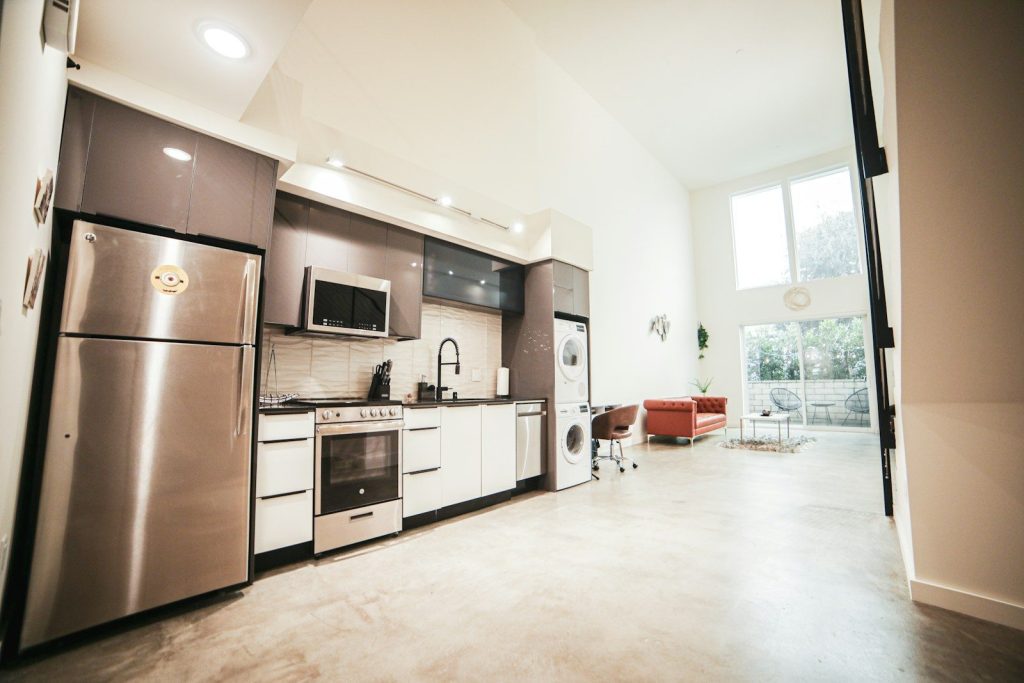
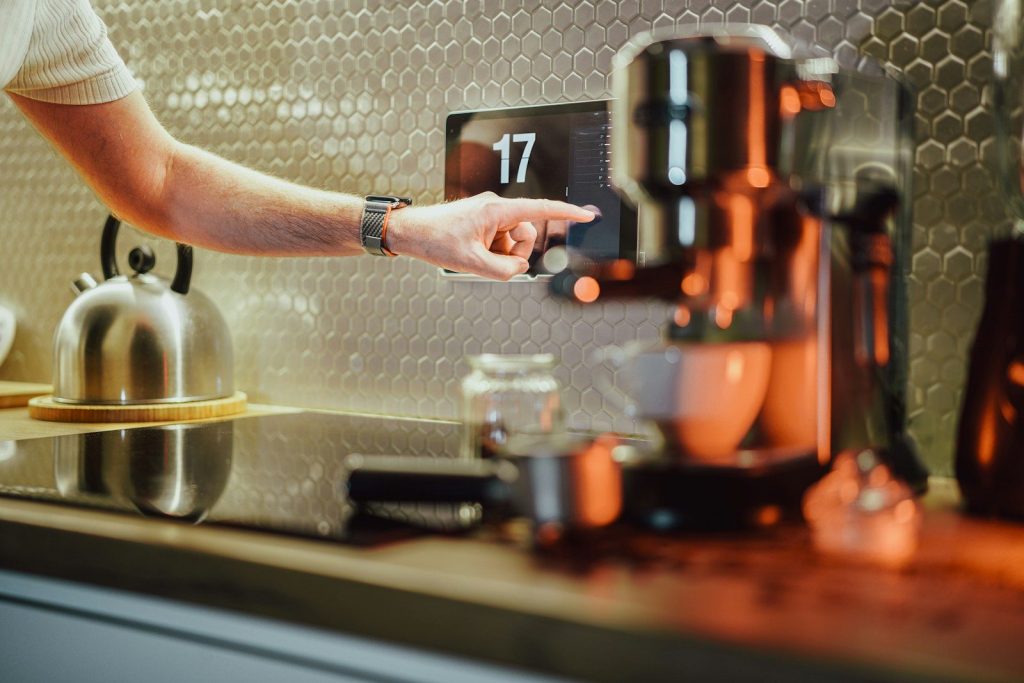
The kitchen may be the best place for a smart home screen. People already use it for timers, recipes, music, shopping lists, weather, and quick questions.
A screen also helps when your hands are full. You can ask for help by voice, then glance at the result. That mix feels more natural than balancing a phone on the counter.
Cameras become easier to check
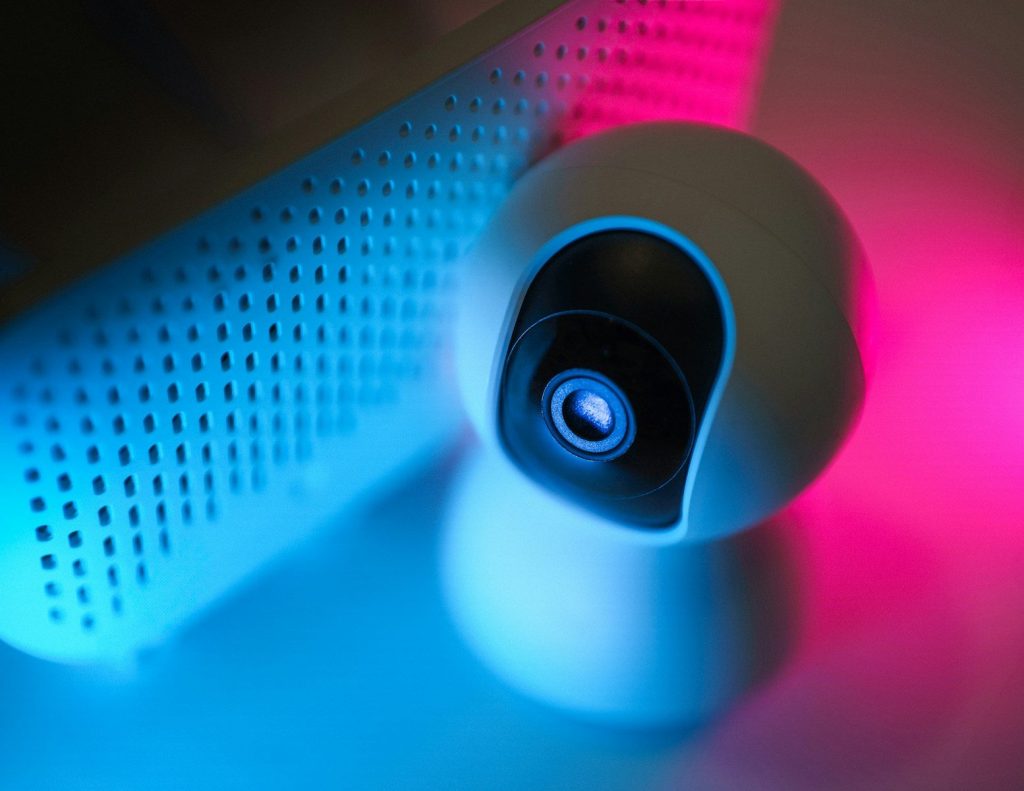
Smart cameras and video doorbells are more useful when you can see them quickly. A phone alert works, but opening the app can take extra steps.
A home screen can show camera feeds in a more direct way. Amazon promotes the Echo Hub as a way to view camera feeds from a dashboard, which is the kind of everyday use that gives screens a real job.
Apple could raise interest
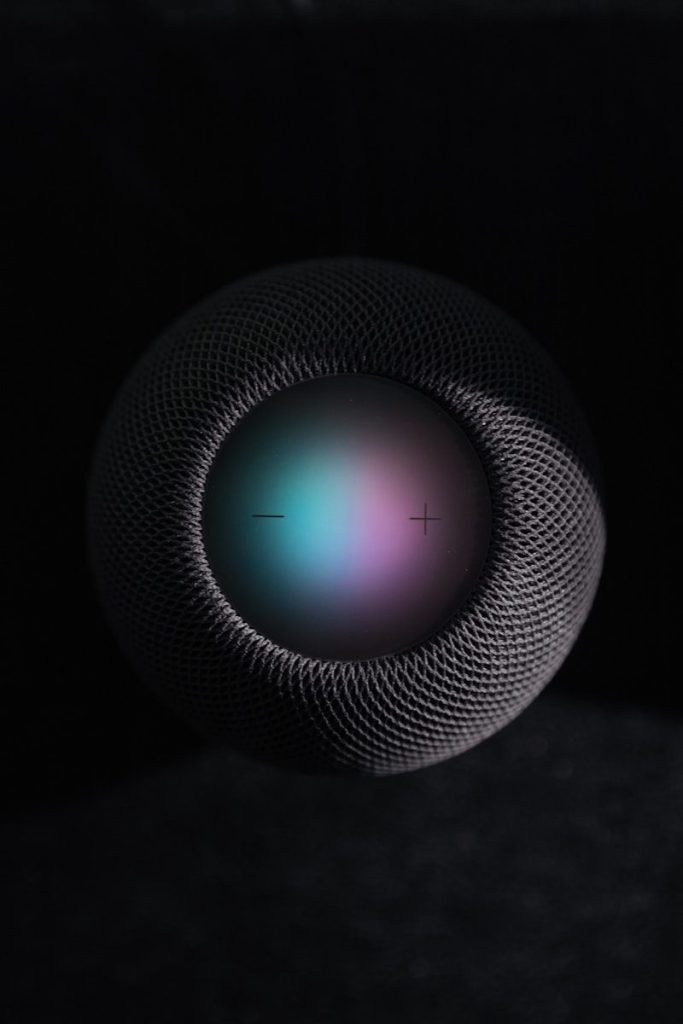
Apple has long been rumored to be working on a smart home display or command center. Recent reporting has described a possible home hub with a screen meant to control home devices.
If Apple enters the space, it could make smart home screens feel mainstream again. The key will be whether the device solves daily problems, not just whether it looks polished.
The comeback depends on usefulness
Smart home screens will not win people back just by being bright and pretty. They need to save time, reduce app juggling, and make connected homes easier for everyone.
That is why the comeback may be different this time. With AI, better dashboards, stronger compatibility, and more home devices to manage, smart screens finally have a clearer reason to exist.
Leave a Reply