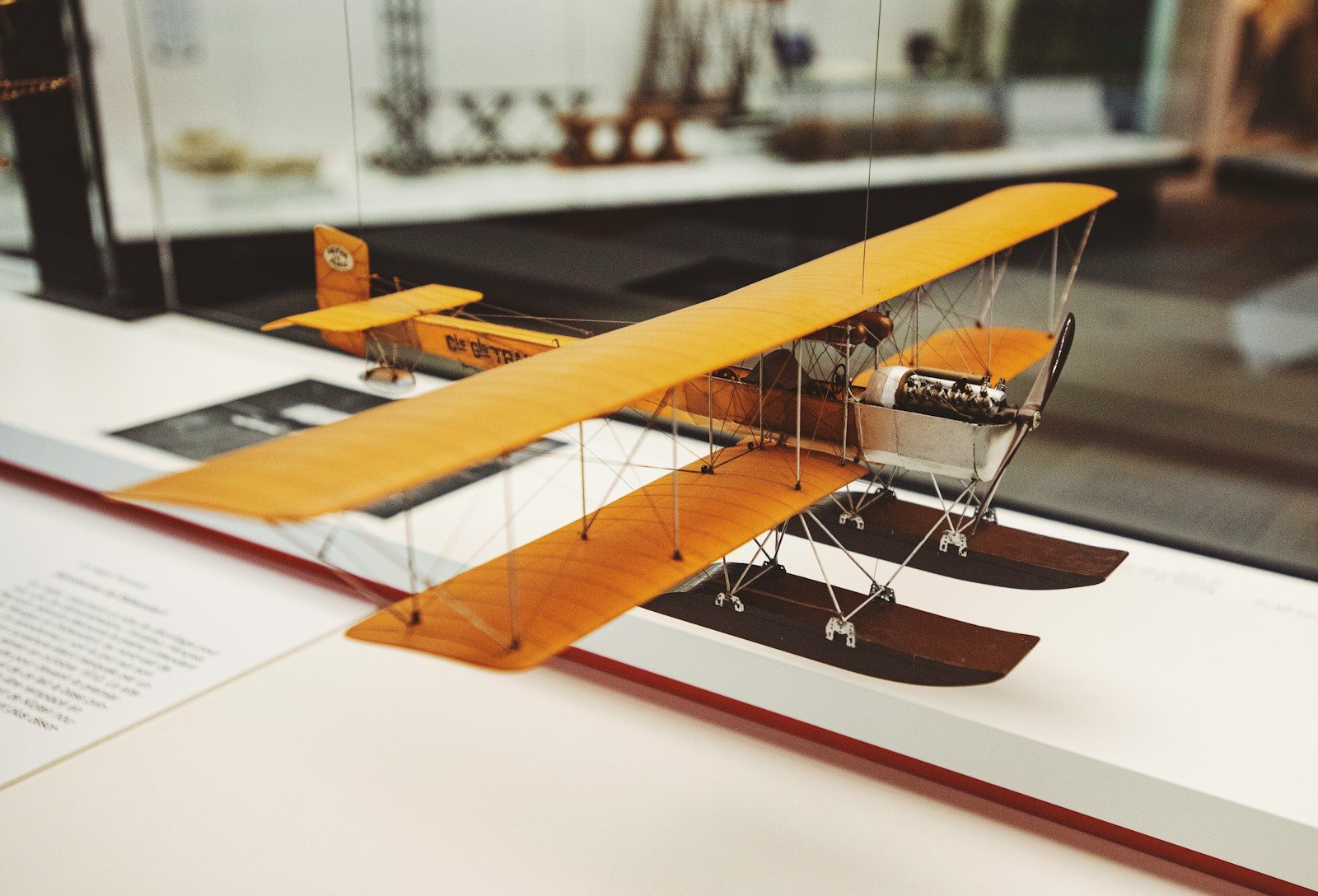
The history of flight is built on a legacy of bold ambition, creative engineering, and spectacular failure. For every successful aircraft that took to the skies, dozens of bizarre prototypes crashed or remained grounded. Early aviation pioneers had to invent the rules of aerodynamics through trial and error. According to historical records from the Smithsonian National Air and Space Museum, many of these strange designs failed because they ignored the basic laws of physics. Others were simply too complex for the technology of their era to support. By studying these creative misfires, aerospace engineers learned how to build the safe, efficient planes we rely on today. These historical relics reveal how close we came to a very different kind of aviation. But the journey begins with a massive, multi-winged wooden giant that promised to revolutionize ocean travel.
The multi-winged disaster of the Caproni Ca-60
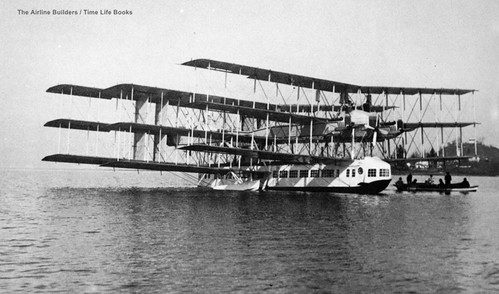
In 1921, an Italian designer built a massive flying houseboat called the Caproni Ca-60. It featured nine giant wings and eight powerful engines. According to aviation historians, the vessel was built to carry up to one hundred passengers across the Atlantic Ocean. During its first brief test flight over Lake Maggiore, the heavy wooden structure lifted only a few feet before plunging face-first into the water. The crash completely destroyed the aircraft and bankrupted the company. It proved that adding more wings does not guarantee better lift. But another designer was about to try a completely circular approach to flight.
Flying flapjacks and the disc-shaped V-173
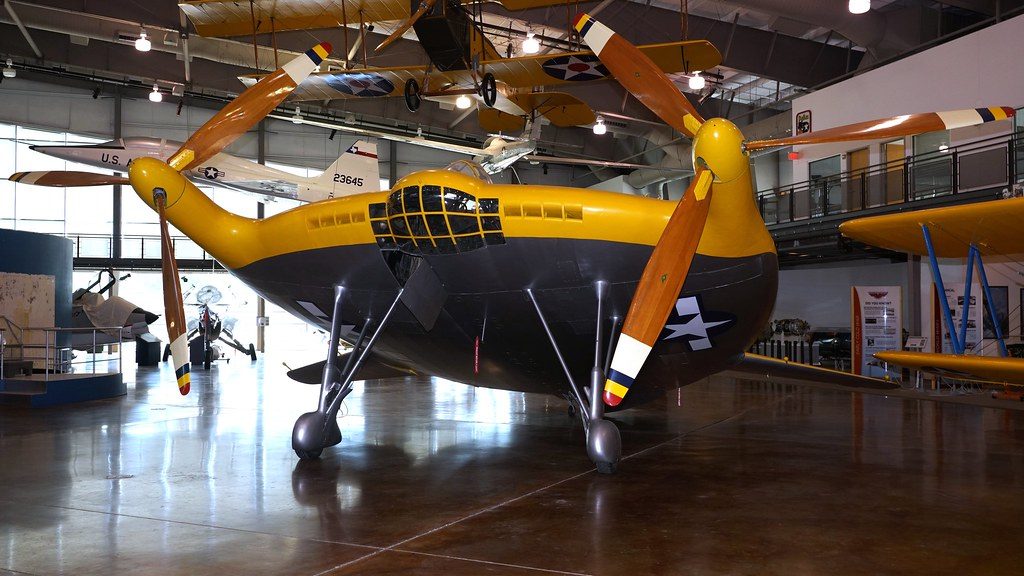
The United States Navy wanted a fighter plane that could take off from short runway decks during the Second World War. They approved the Chance Vought V-173, commonly known as the Flying Flapjack. According to military design records, the aircraft featured a flat, circular body that acted as a single wing. While the prototype was incredibly stable and could hover at slow speeds, the complex drive shafts created intense vibrations that were impossible to fix. The project was eventually canceled as the jet age arrived. But a legendary billionaire was about to build his own massive wooden failure.
The giant wooden failure of the Spruce Goose
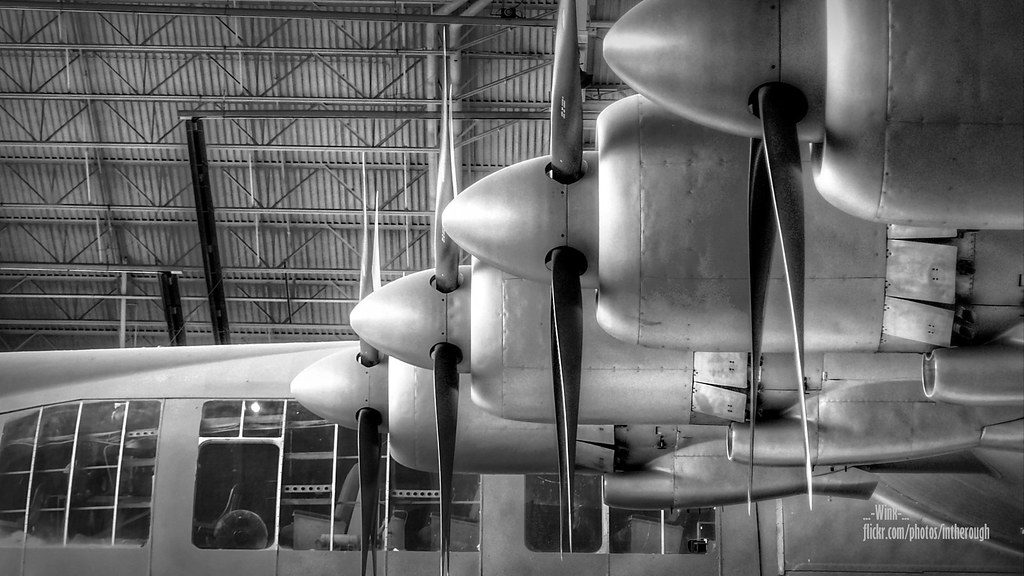
Howard Hughes wanted to build a massive cargo plane to transport troops across the ocean during the war. Due to wartime metal shortages, he constructed the entire plane out of birch wood. According to records from the Evergreen Aviation Museum, the Hughes H-4 Hercules was the largest flying boat ever built. It made only one brief flight in 1947, traveling just over a mile at an altitude of seventy feet. The giant plane never flew again and spent decades locked inside a massive climate-controlled hangar. But engineers were still determined to find a way to take off without a runway.
Sneaking into the sky with the Convair Pogo

The Convair XFY-1 Pogo was designed to take off vertically like a rocket and then transition to horizontal flight. It relied on a massive set of contra-rotating propellers on its nose. According to test flight reports from the US Navy, the aircraft successfully completed several vertical takeoffs and landings in 1954. However, the pilot had to look backward over his shoulder while landing, which was incredibly difficult and dangerous. The extreme mental strain on the pilots forced the military to cancel the project. Meanwhile, a French designer was building an even stranger circular craft.
The circular mystery of the French Coleoptere
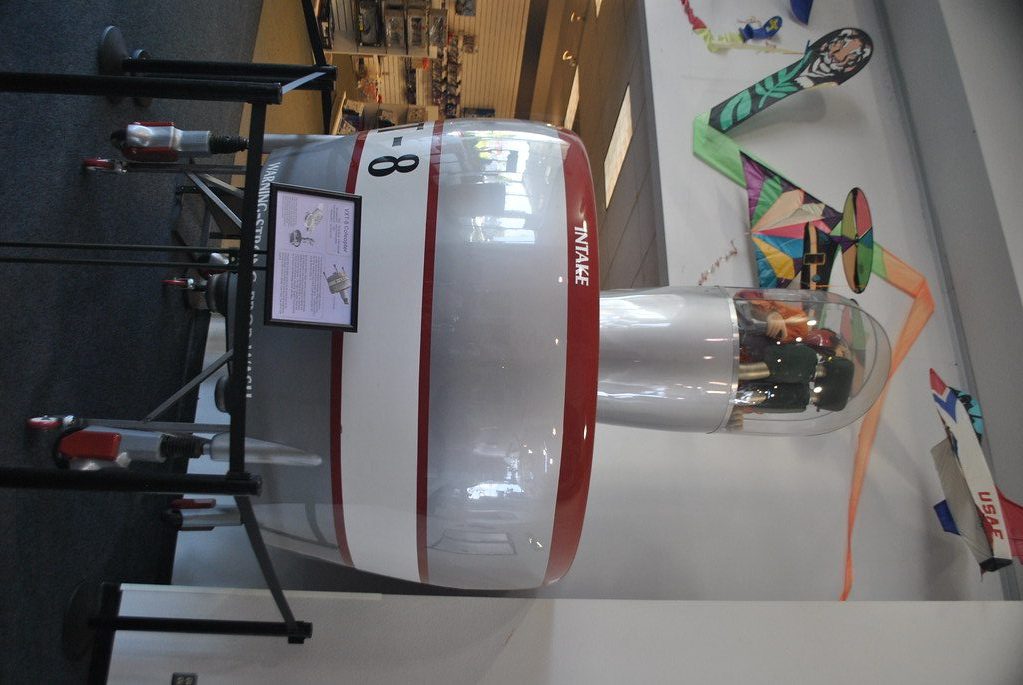
In the late 1950s, French engineers built an experimental jet called the SNECMA Coleoptere. It featured an unusual annular wing that formed a giant cylinder around the fuselage. According to historical archives, the jet was designed to take off vertically and fly at high speeds. During its ninth test flight, the circular wing caused the aircraft to spin violently out of control. The pilot successfully ejected, but the prototype was completely destroyed in the crash. This failure ended French research into cylindrical wings. But a supersonic design was about to cause its own share of trouble.
The supersonic instability of the F7U Cutlass
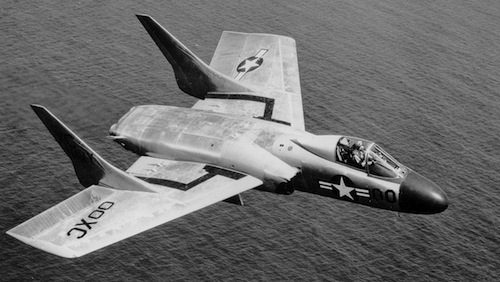
The Chance Vought F7U Cutlass was a radical tailless fighter jet built for carrier operations in the late 1940s. It featured swept wings and a unique twin-boom tail. According to reports from the Naval Historical Center, the jet suffered from severe engine issues and low landing visibility. The nose gear was notoriously fragile and would routinely collapse during hard carrier landings. These mechanical failures led to numerous accidents and the deaths of several test pilots. The aircraft was quickly retired after only a few years of service. But the search for speed was about to take a deadly turn.
Rocket-powered dangers of the Bachem Natter
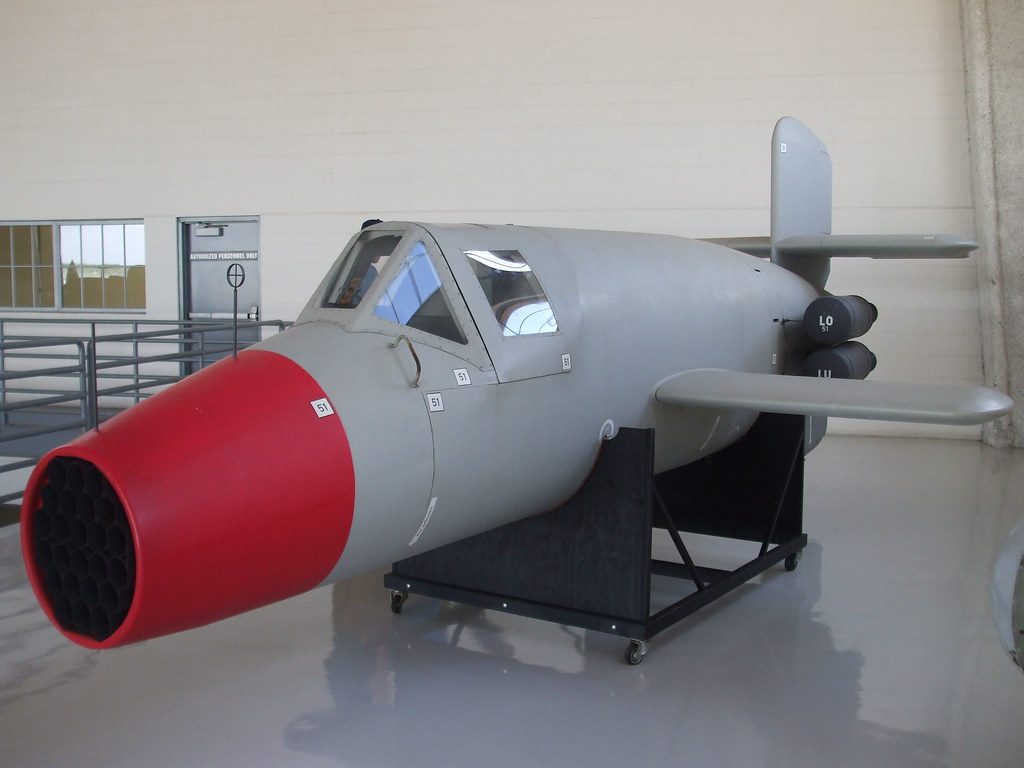
Germany faced devastating Allied bombing raids near the end of the Second World War. In response, they built a tiny, rocket-powered interceptor called the Bachem Ba 349 Natter. According to historical records, the aircraft was built primarily of wood and launched vertically from a launch tower. The pilot would guide the rocket toward the bomber formation and fire a volley of missiles. The pilot and the engine would then eject and parachute back to earth. The first manned test flight ended in tragedy when the canopy detached, killing the pilot. But these failures paved the way for modern flight.
How failure paved the way for modern flight

The history of aviation is built on the ruins of these failed experiments. Every crash and design flaw taught engineers valuable lessons about stability, materials, and safety. By pushing the boundaries of what was possible, these brave designers helped unlock the secrets of the sky. Today, modern computer modeling allows us to test radical ideas safely before they ever leave the ground. The strange shapes of the past continue to inspire new generations of aerospace designers. The dream of flight is still evolving, and the lessons of history are guiding the way.
Featured Image: Photo by tommao wang on Unsplash
Leave a Reply