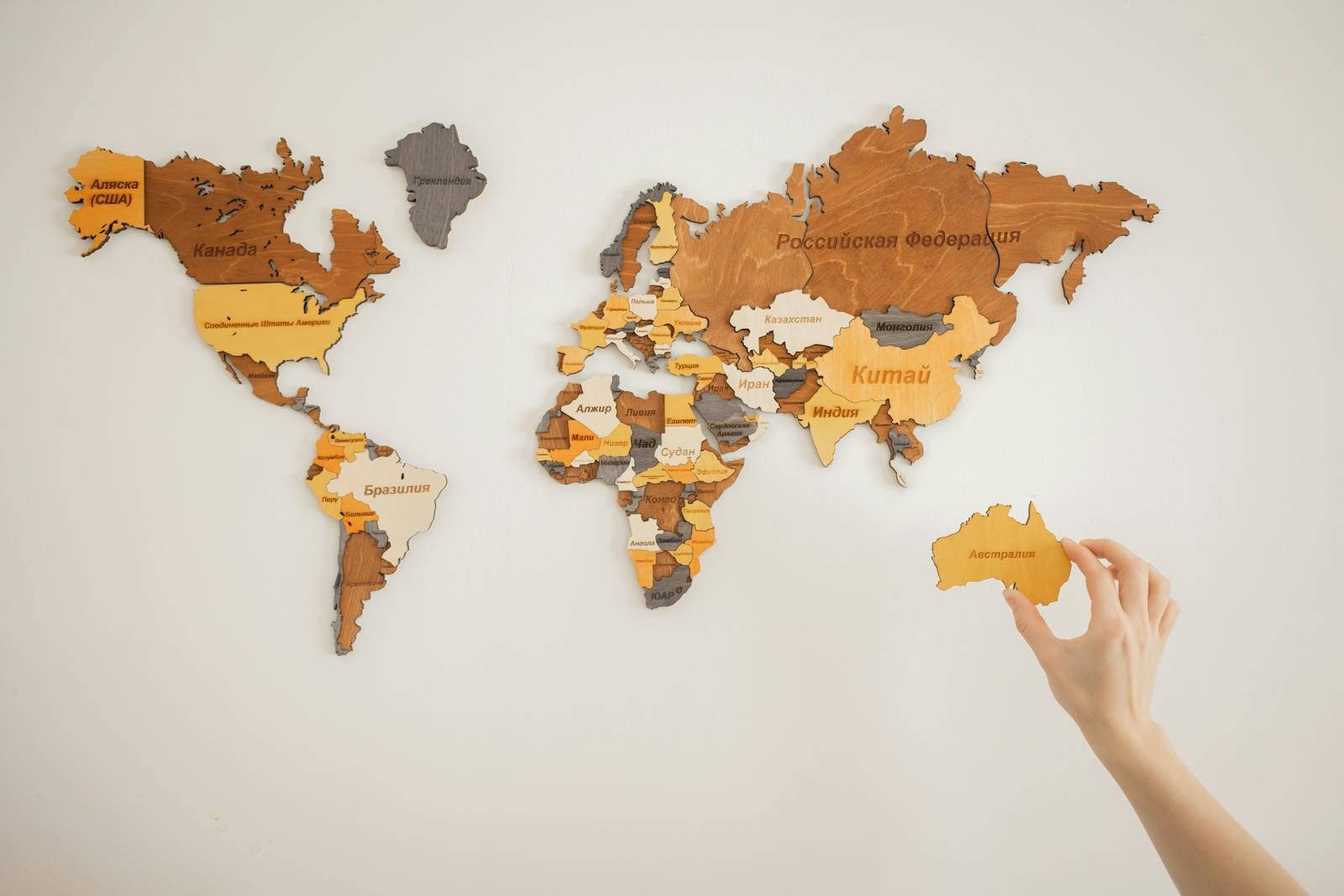
Geopolitical borders shift constantly. Russia has expanded its territory repeatedly throughout history. This expansion left a trail of dramatic conflicts that shaped the modern map. According to historians at the Wilson Center, these actions were driven by a desire for resources and strategic buffer zones. Some of these events are well-known. Others are buried deep in dusty archives. By examining this map, we can understand the origins of modern international tensions. It is a story of power and survival. The sheer scale of this history is absolutely eye-opening. But the first nation on our list fought one of the most intense battles of all.
The crucial battlegrounds of the Baltic region
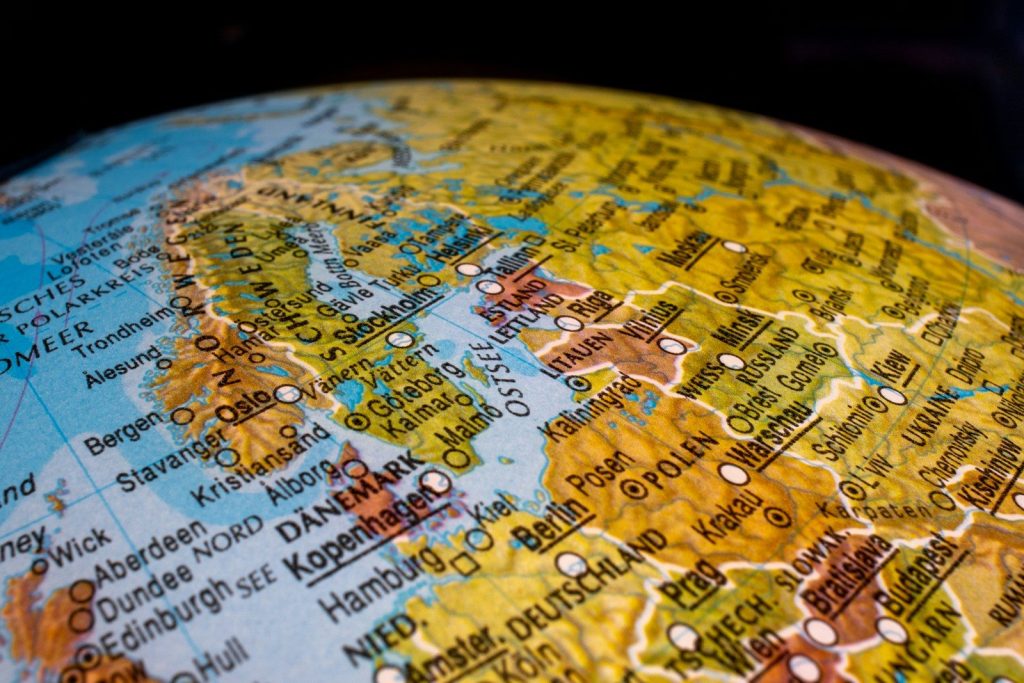
Estonia, Latvia, and Lithuania have a long history of foreign pressure. They spent decades under imperial and Soviet control. According to reports from the Baltic Assembly, these nations faced multiple waves of military occupation during the twentieth century. The strategic coastline of the Baltic Sea made them highly valuable targets. Despite severe political suppression, these nations maintained their distinct cultural identities. They eventually reclaimed their independence during the collapse of the Soviet Union. But this initial conflict was only the beginning of a much larger struggle for regional dominance.
The tragic division of Polish territory
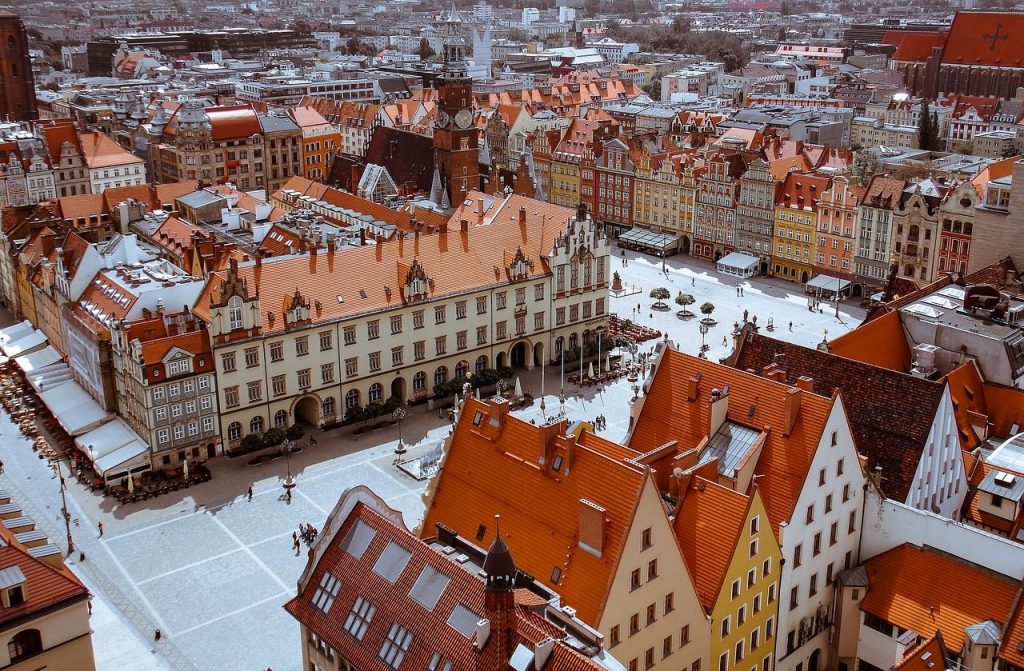
Poland has been invaded and divided multiple times by its powerful neighbors. The country essentially vanished from the map for over a century. According to historical records from the Polish Institute of National Remembrance, the most devastating blow came during the joint German and Soviet invasion of 1939. This aggressive partition tore families apart and destroyed cities. The nation struggled under decades of foreign control before finally breaking free. This dark era still influences Polish security policy today. But another historic neighbor to the north would soon face an even more brutal winter invasion.
Finland and the legendary Winter War
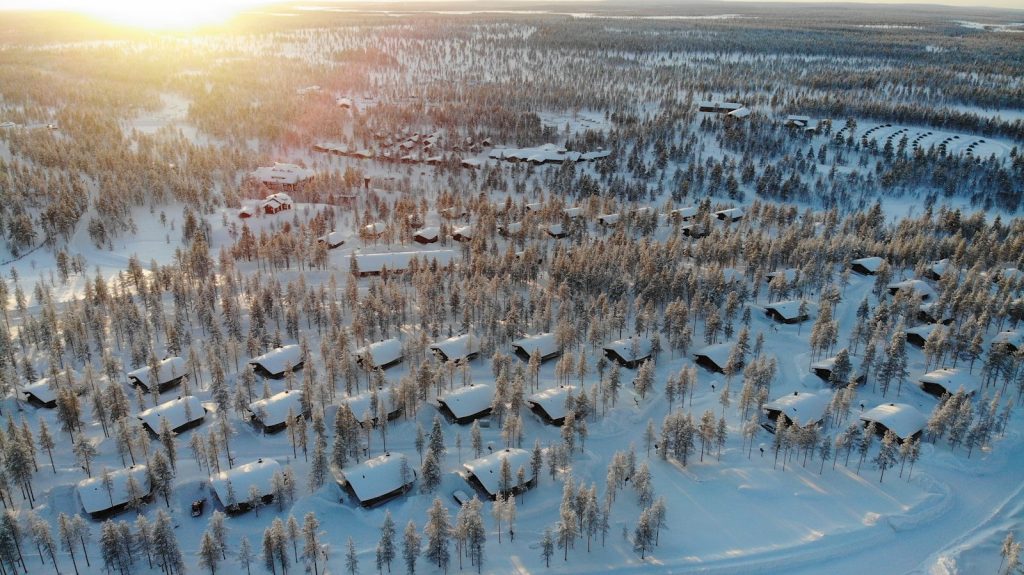
In 1939, the Soviet Union launched a massive surprise attack on Finland. They expected a quick victory. According to records from the Finnish Military Museum, the heavily outnumbered Finnish soldiers used the freezing winter landscape to their advantage. They relied on swift ski patrols and clever camouflage to hold back the invaders. While Finland eventually lost some border territories, it successfully preserved their national independence. It was a stunning achievement that surprised global observers. But the focus of this expansion was about to shift toward the rugged mountains of the south.
Stepping into the rugged Caucasus region
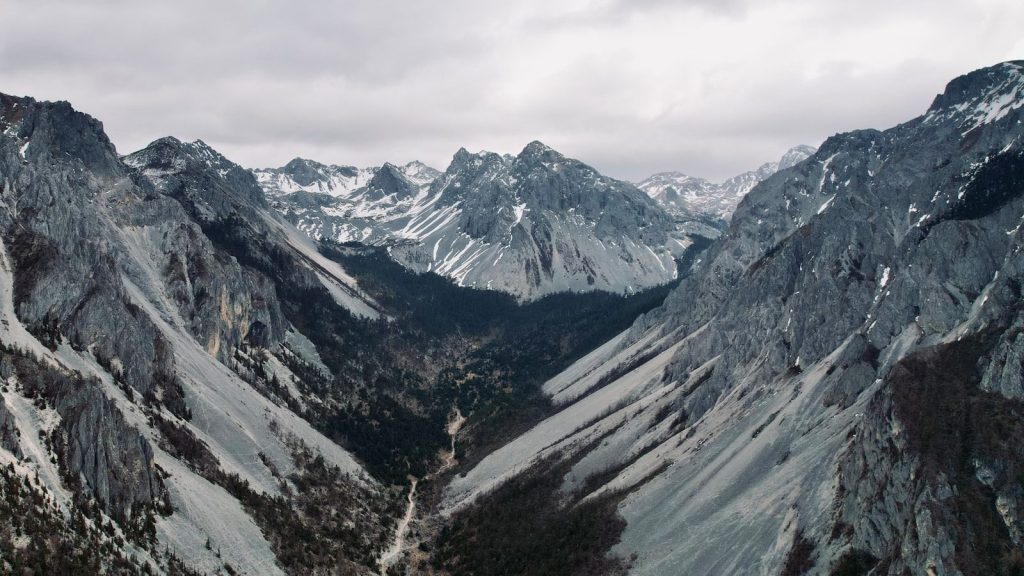
Georgia has faced repeated military interventions because of its strategic position between Europe and Asia. The most recent conflict occurred in 2008. According to reports from the Council of Europe, a brief war resulted in Russian troops taking control of two major breakaway regions. This intervention effectively halted Georgia’s efforts to join Western alliances. The local population continues to live under the shadow of this divided territory. It remains a highly volatile flashpoint in modern diplomacy. But another massive intervention in Europe would soon shock the world during the Cold War.
Crushing dissent in Eastern Europe
Hungary and Czechoslovakia attempted to introduce democratic reforms during the Cold War. These peaceful movements were met with swift military force. According to historical archives from the Cold War International History Project, Soviet tanks rolled into Budapest in 1956 and Prague in 1968 to crush the uprisings. These brutal crackdowns sent a clear message to other nations in the Eastern Bloc. It showed that any attempt to stray from Moscow’s control would be stopped. But the most costly conflict was yet to come in a rugged mountain territory.
The mountain trap of Afghanistan
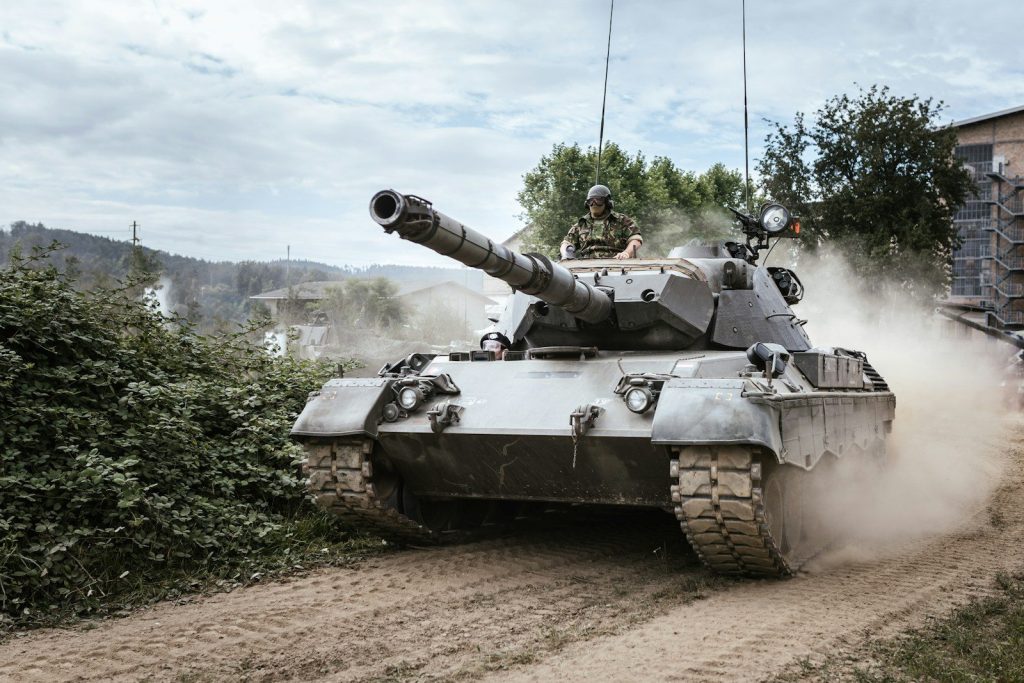
The Soviet Union invaded Afghanistan in 1979 to support a struggling communist government. They quickly became trapped in a long, bloody conflict. According to reports from the national archives, local resistance fighters used the difficult mountain terrain to wage a devastating guerrilla war. The conflict lasted for a decade and cost thousands of lives. It drained the Soviet economy and severely damaged its military reputation. This painful defeat contributed directly to the ultimate collapse of the Soviet state. But the modern era would bring a conflict that completely redefined global politics.
Modern lines drawn in Ukraine
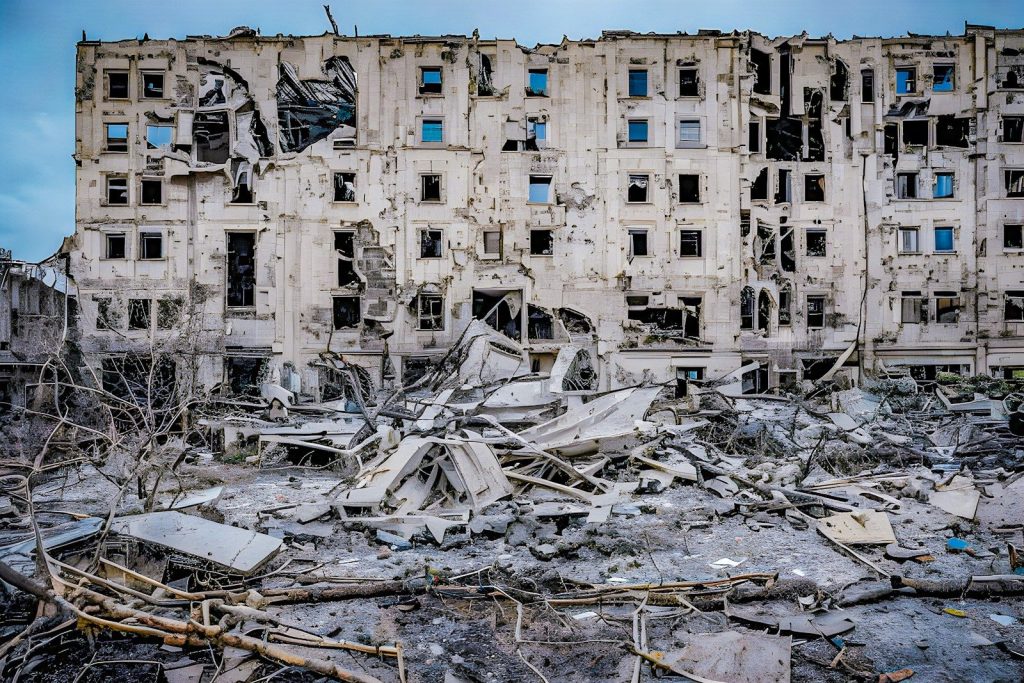
The ongoing conflict in Ukraine has reshaped the modern geopolitical landscape. It began with the annexation of Crimea in 2014. According to reports from the United Nations, the situation escalated into a full-scale military conflict in 2022. This war has caused a massive humanitarian crisis and triggered unprecedented global sanctions against Russia. It represents the largest military conflict in Europe since the Second World War. The resolution of this struggle will decide the future of European security. But looking at this long legacy reveals a final truth about how modern nations survive.
Learning from a long history of conflict
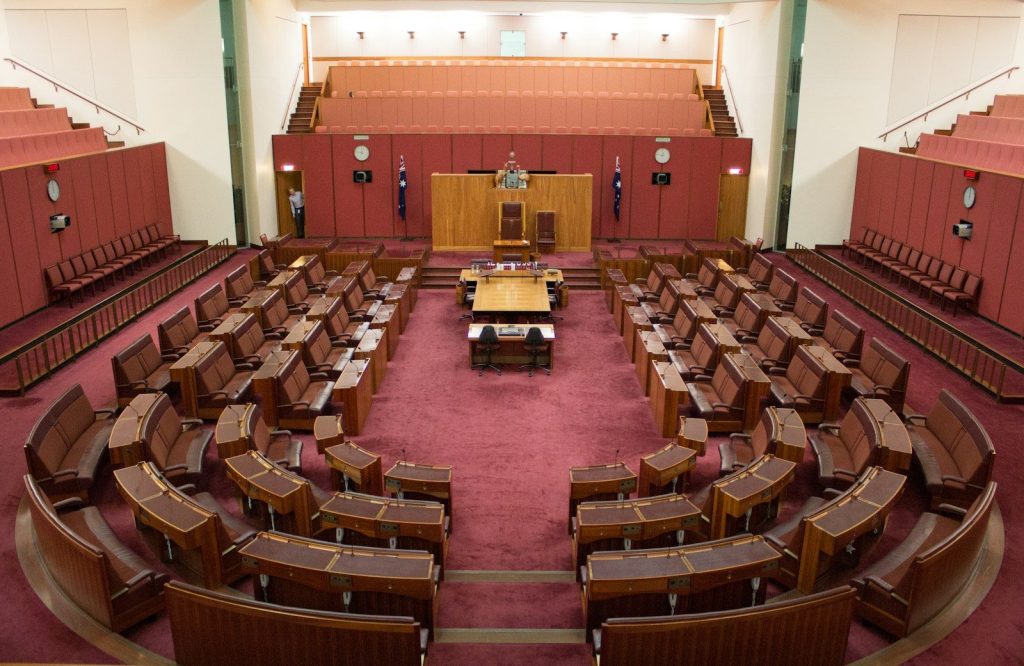
History is a powerful teacher. The story of these invasions shows how geography and power shape human destiny. Understanding these past conflicts helps us navigate the complex tensions of our modern world. It reminds us that peace is fragile and must be actively protected. By studying these events, global leaders can build better alliances and defense systems. The map of our world is still being written, and we must listen to the lessons of the past.
Featured Image: Photo by Monstera Production on Pexels
Leave a Reply