The deep ocean is one of the most hostile environments on Earth. It is a place of absolute darkness, crushing pressure, and freezing temperatures. Yet, when a research submersible dove to the bottom of the ocean, the crew spotted something that looked impossible. They saw what appeared to be a shimmering lake with a perfectly flat, dark surface. It looked exactly like a dark mirror resting on the seafloor. But as the submersible moved closer to investigate, the ocean researchers gasped. The edges of this mysterious lake were littered with the perfectly preserved bodies of deep-sea creatures. This discovery is shedding light on a terrifying natural phenomenon known as a brine pool. The science behind these underwater lakes of death is absolutely mind-boggling. It reveals how extreme chemistry can create a perfect, silent trap in the deep sea.
Diving into the deep unknown
Deep-sea exploration requires highly specialized submersibles. These vessels are built to withstand pressures that would instantly crush a human. According to reports from the Ocean Exploration Trust, a research team was exploring the Gulf of Mexico when they spotted the anomaly. The cameras on the robotic arm caught a strange, shimmering boundary on the seafloor. It looked like a body of water within the ocean itself. This bizarre sight immediately captured the attention of the scientific crew.
The illusion of an underwater lake
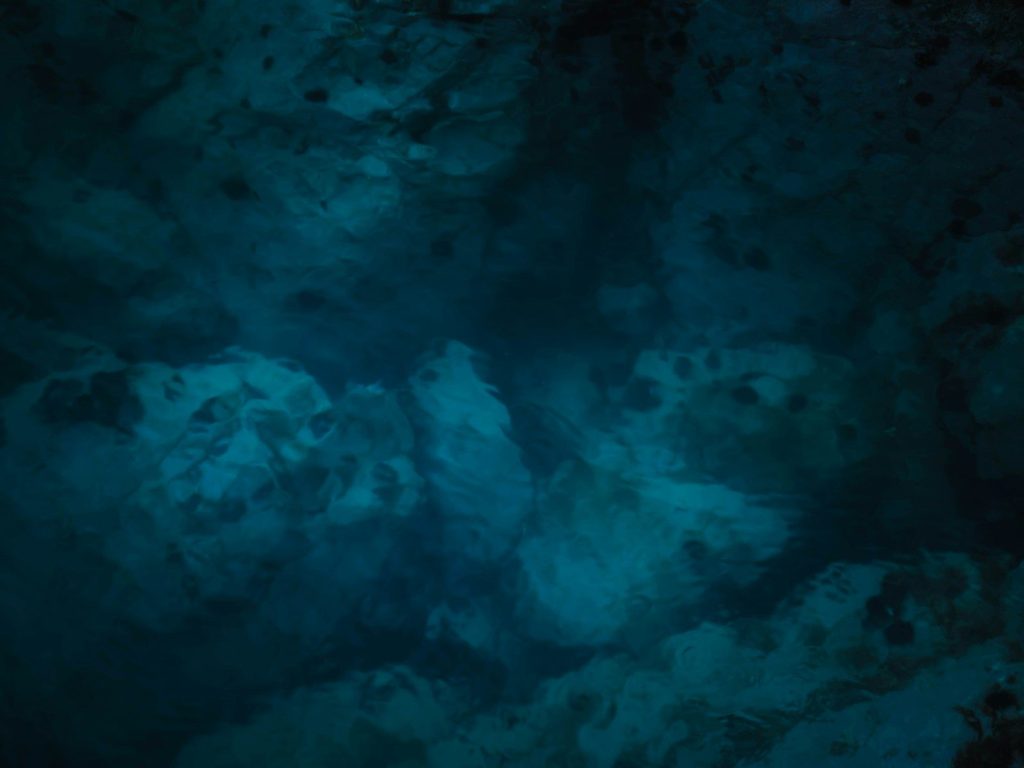
The shimmering surface was actually the boundary of a brine pool. These pools are bodies of water that have an incredibly high salt concentration. According to studies by researchers at the University of Miami, this water is up to five times saltier than normal ocean water. Because of this extreme density, the brine does not mix with the surrounding sea. It settles in deep depressions on the seafloor, creating a perfect underwater lake. But this beautiful mirror hides a highly lethal chemical secret.
A toxic chemical cocktail of death
Brine pools are completely devoid of oxygen. They are also packed with toxic levels of hydrogen sulfide and heavy metals. According to research published in the journal Scientific Reports, this chemical mix is highly lethal to almost all marine life. Any fish, crab, or shrimp that accidentally swims into the pool experiences immediate toxic shock. They cannot breathe in the dense, oxygen-free water. This rapid effect leads to a grim scene around the edges of the pool.
Finding the perfectly preserved victims
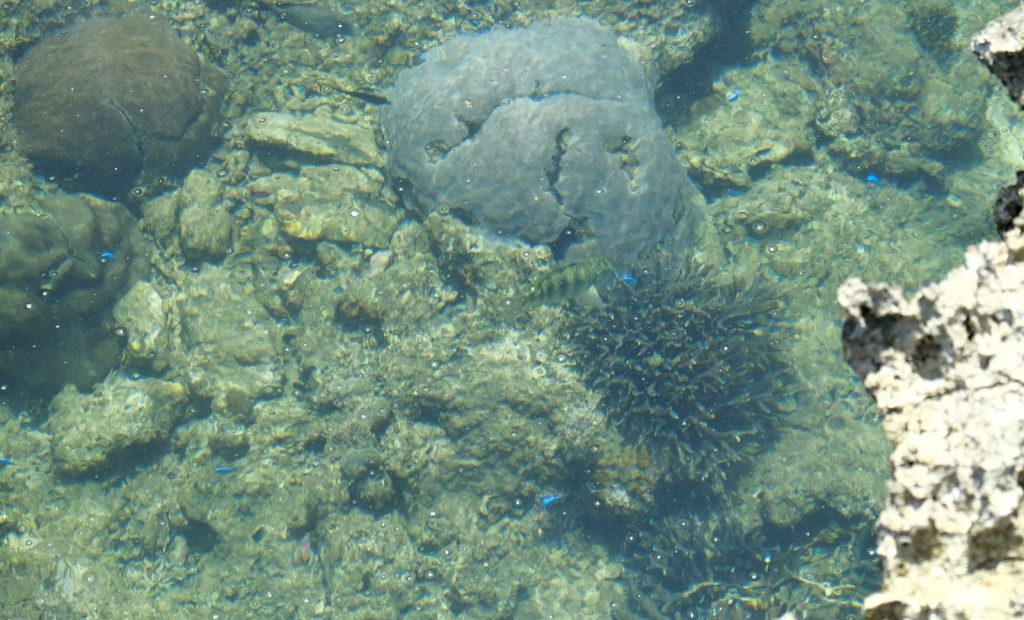
The edges of these brine pools are often covered in dead marine life. Submersible cameras have captured images of crabs and fish lying perfectly still at the water’s edge. According to marine biologists, these creatures have been dead for years. Yet, their bodies look as if they died just moments ago. They are not decaying. This eerie preservation is a direct result of the extreme environment inside the brine pool.
Why the bodies never decay
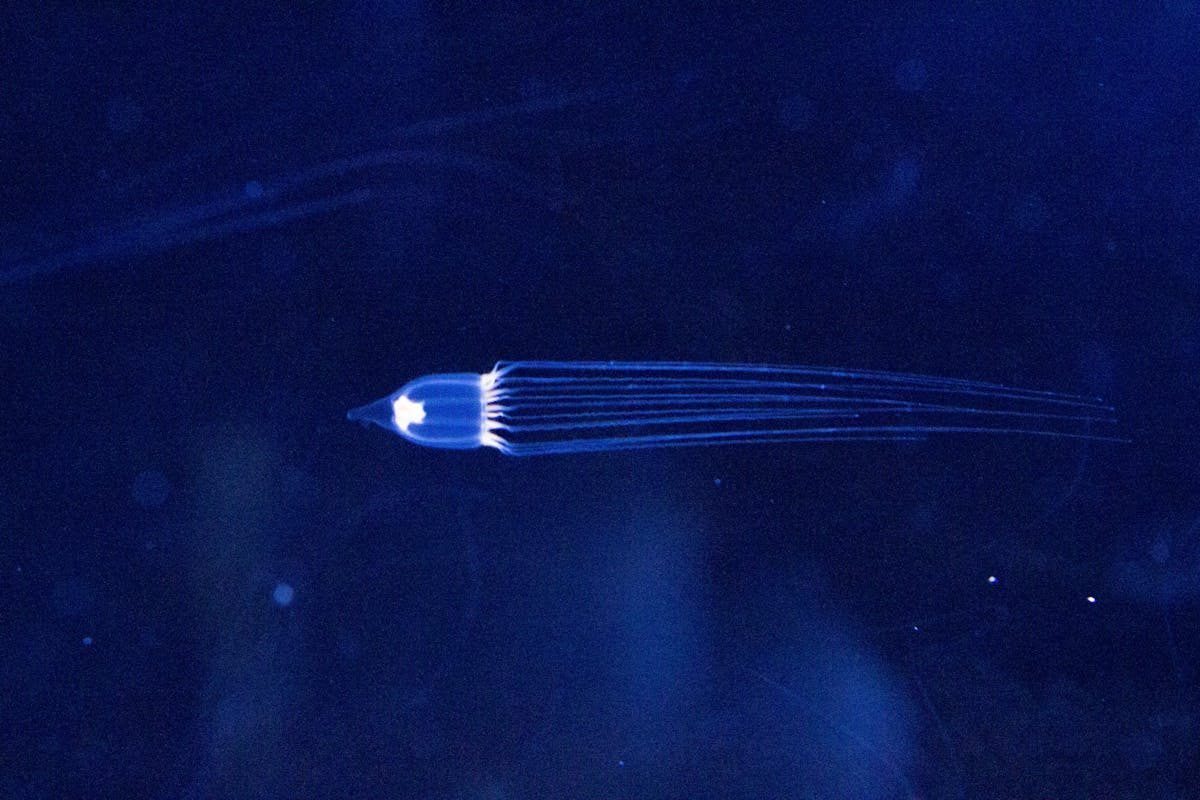
Decomposition requires oxygen and active bacteria. Because the brine pool contains zero oxygen, normal decaying organisms cannot survive inside the water. According to studies by the Marine Science Institute, the high salt content acts like a natural preservative, essentially pickling the creatures. This stops the natural process of decay completely. The bodies remain intact on the seafloor for decades. But these pools are not entirely lifeless.
Extreme life thriving in the dead zone
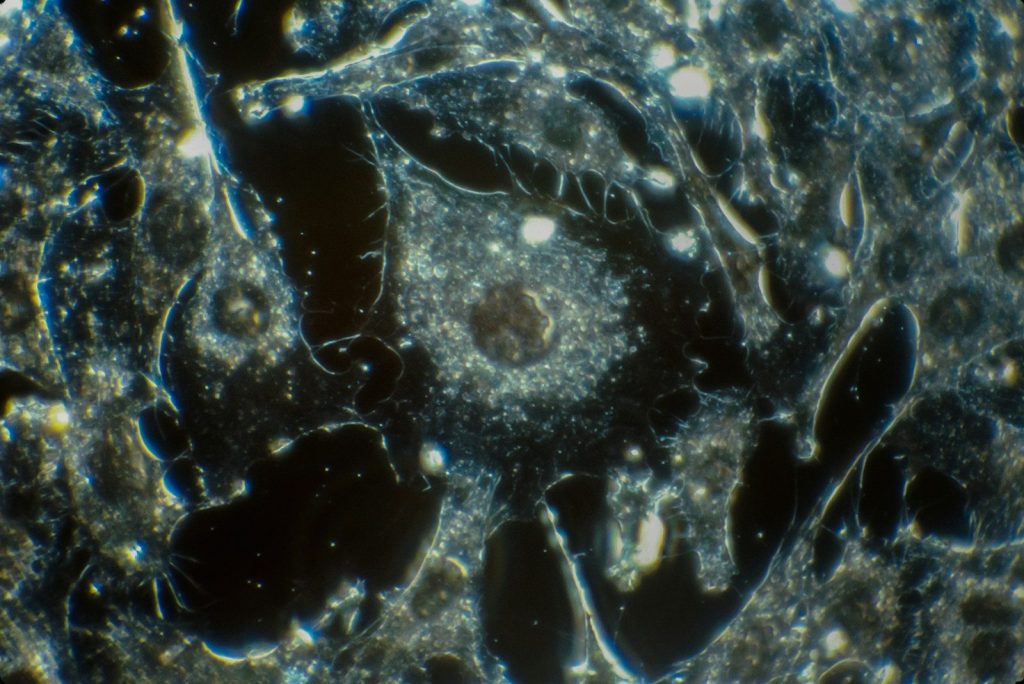
Brine pools are home to specialized organisms called extremophiles. These are bacteria and microbes that have adapted to survive in highly toxic environments. According to research from the University of Texas, these microbes use the chemical energy from the brine to create food. This process is called chemosynthesis. It allows a unique ecosystem to survive without any sunlight or oxygen. This discovery is helping scientists search for life on other planets.
Unlocking the deepest mysteries of Earth
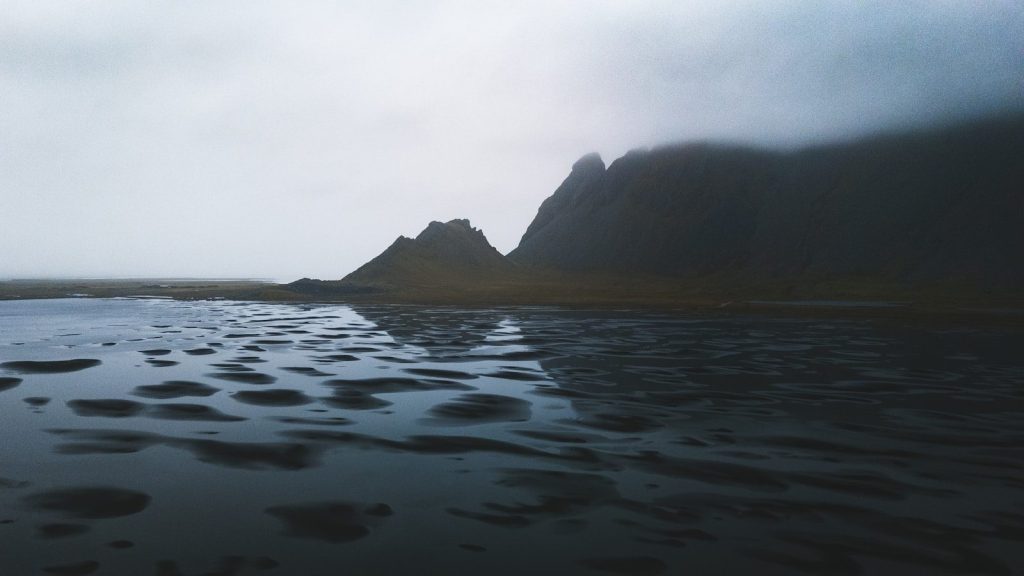
The discovery of brine pools is changing how we look at the ocean floor. These extreme environments prove that Earth still holds secrets that challenge our understanding of biology. By studying these pools, researchers are learning how life can adapt to the most hostile conditions imaginable. It is a powerful reminder of the diversity of our world. The deep ocean continues to be a frontier of endless discovery and scientific wonder.
Featured Image: Photo by Victor Oonk on Unsplash
Leave a Reply