
The daily routine of the British monarch is legendary. King Charles lives a highly structured life that is shaped by ancient royal traditions. This intense routine extends directly to his daily diet. According to reports from former royal chefs, the King follows a surprisingly strict eating schedule. He routinely skips lunch entirely and eats his final meal late in the evening. Nutritionists have spent years analyzing this unique dietary pattern to see how it impacts healthy aging. They are finding that his daily routine aligns closely with modern metabolic science. This extreme discipline might be the secret behind his high energy levels at an advanced age. But his eating habits are actually shaped by a very specific philosophy. His daily menu reveals a deep commitment to environmental health and personal wellness.
The Scientific Impact of Skipping Lunch
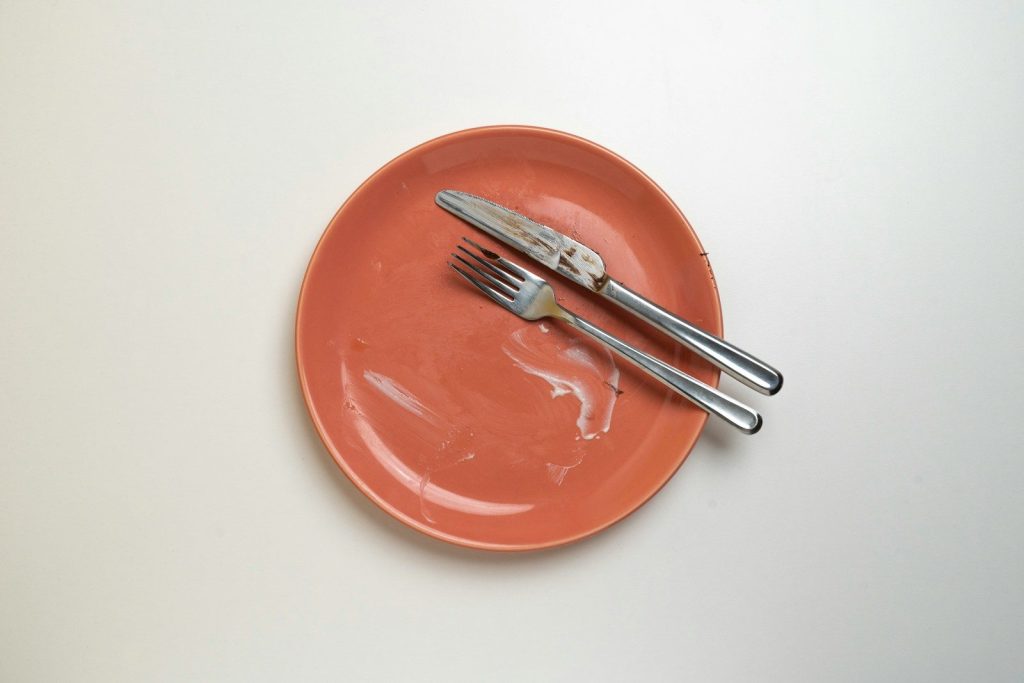
Skipping lunch is a form of intermittent fasting. This practice triggers a cellular process called autophagy. According to research published in The New England Journal of Medicine, fasting helps the body clear out damaged cells. This process can reduce chronic inflammation and improve cellular repair. For a busy monarch, this dietary choice keeps his mind sharp during long afternoon engagements. But skipping a meal requires intense discipline to avoid sudden energy crashes.
The Environmental Footprint of a Royal Menu
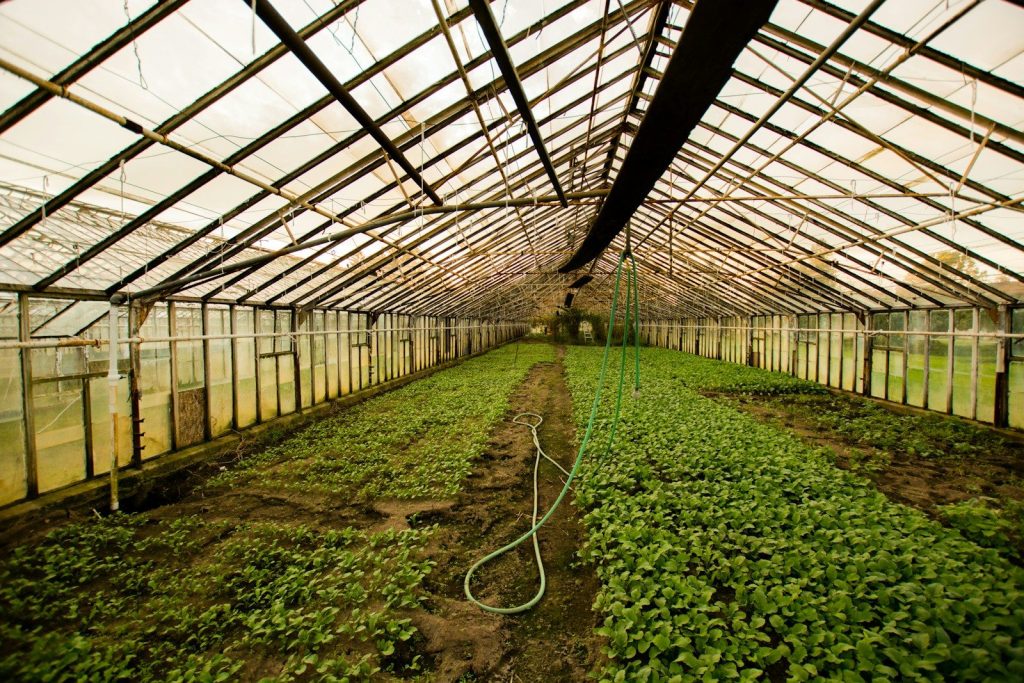
King Charles is a passionate champion of organic farming. He established the famous Duchy Home Farm in 1985 to practice sustainable agriculture. The King eats organic fruits and vegetables harvested directly from his estate. He also avoids eating meat or fish on certain days of the week to reduce his carbon footprint. This plant-based approach is highly praised by environmental scientists. It shows that luxury dining can be both healthy and sustainable.
The Dynamic Power of Local Sourcing
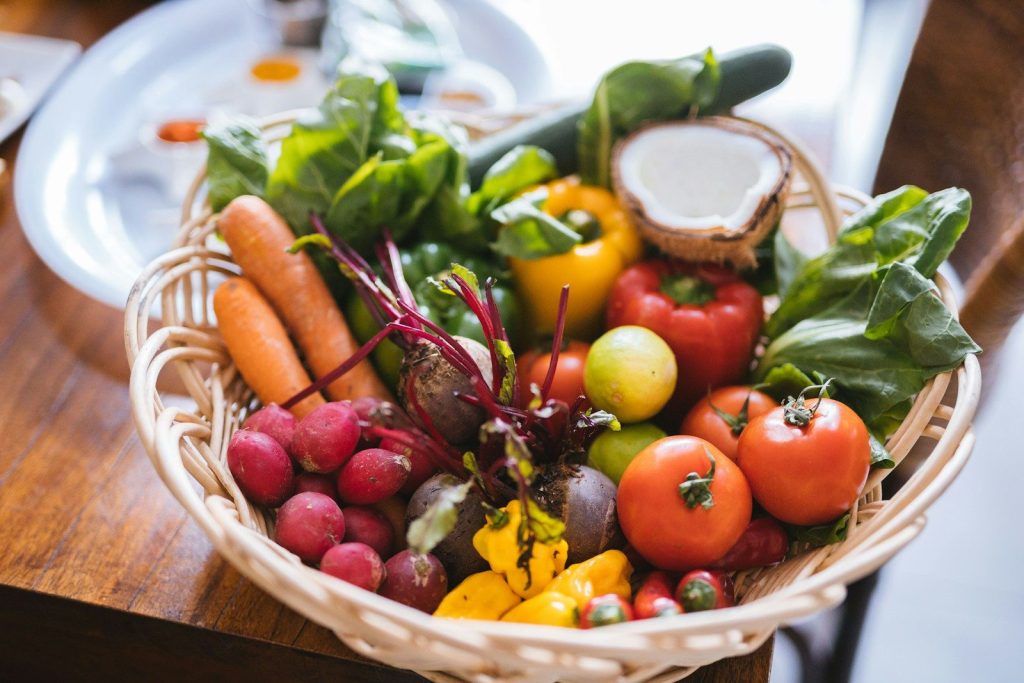
The royal family does not rely on imported processed foods. The King prefers locally sourced ingredients that are in season. This means his diet changes naturally throughout the year. Eating seasonal foods ensures he gets the highest concentration of vitamins and minerals. Nutritionists agree that local produce is much easier on the digestive system. But his beverage choices are just as deliberate as his food.
A Royal Obsession with Organic Tea

Water and tea are the primary beverages served at the royal table. The King is particularly fond of Darjeeling tea served with a small spoonful of organic honey. Honey contains natural antioxidants that help soothe the digestive tract. It also offers a gentle energy boost without causing a massive blood sugar spike. This simple beverage choice helps keep his hydration levels steady. But his dinner routine holds a very different kind of challenge.
The Metabolic Challenge of Late Night Dining

Eating late in the evening can sometimes disrupt sleep patterns. The body must work hard to digest food when it should be resting. However, the King keeps his evening meals relatively light to offset this effect. He often enjoys wild game or fresh fish paired with garden vegetables. This protein-rich combination supports muscle maintenance without overloading the stomach. But there is one specific food item that never appears on his plate.
Banishing Garlic From the Royal Household
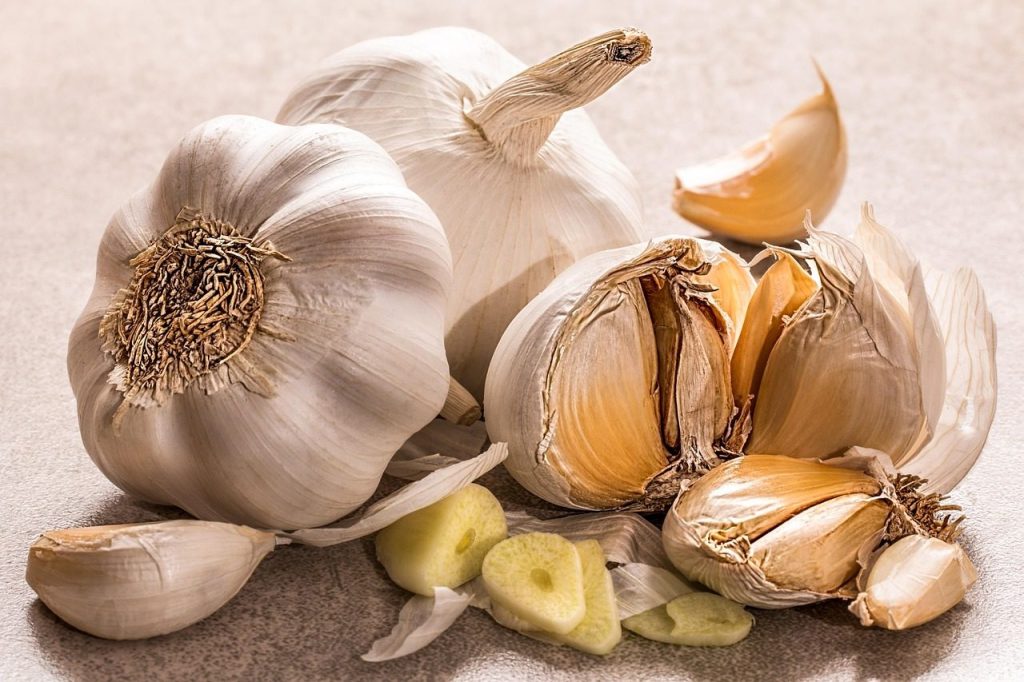
You will never find garlic or excess onions in a royal dish. This rule was established to prevent bad breath during important public meetings. While garlic is highly beneficial for the immune system, the King substitutes it with fresh herbs. He uses rosemary, thyme, and mint to flavor his dishes. These herbs are packed with essential oils that support gut health. This clever culinary swap keeps his meals flavorful and professional.
The Longevity Lessons of a Disciplined Life

The King’s diet proves that consistency is key to healthy aging. While his routine might seem eccentric, it is highly effective. By combining fasting, organic sourcing, and light dinners, he supports his metabolic health. This disciplined lifestyle allows him to fulfill his demanding royal duties. It shows that true wellness starts on your plate.
Crafting Your Own Sustainable Wellness Plan
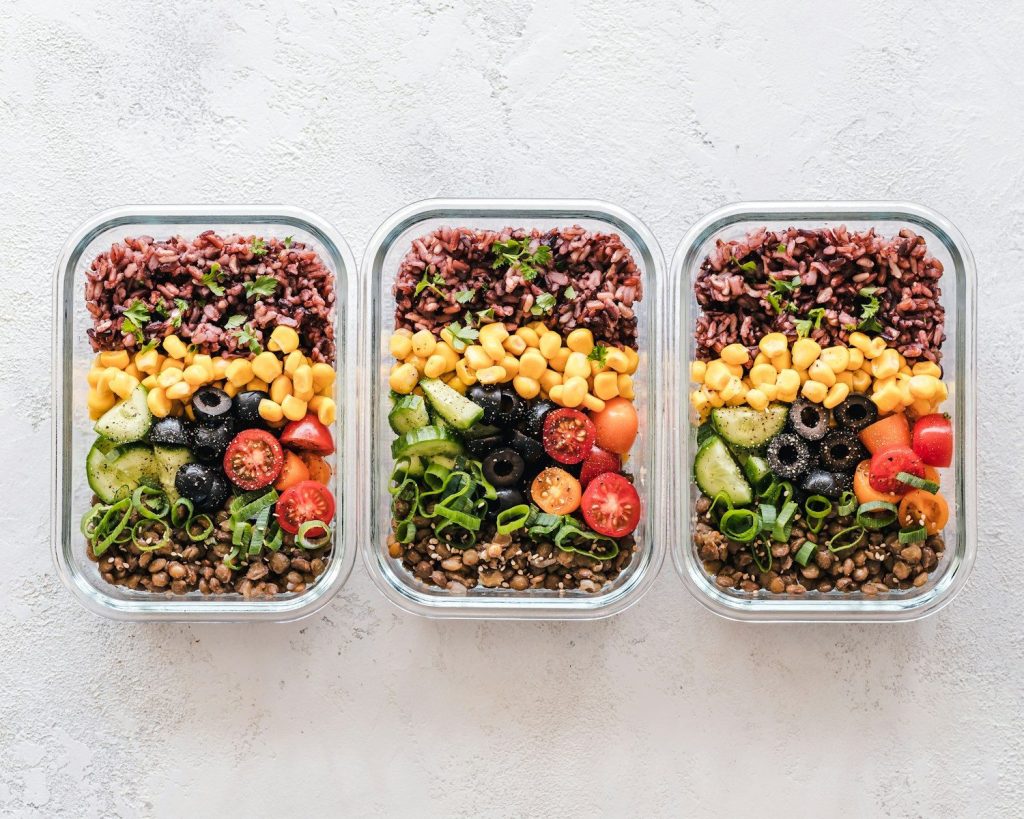
You do not need to be a king to eat like one. Anyone can adopt a more sustainable, organic diet. Start by choosing local produce and reducing your meat intake. Listen to your body and find an eating rhythm that keeps your energy steady. Small, disciplined changes can have a massive impact on your long-term health. Your body will definitely thank you for the extra care.
Featured Image: Photo by Alexander Kovalev on Unsplash
Leave a Reply