Tiny crustaceans may not look like headline makers, but ocean scientists are paying close attention to them. These small animals include amphipods, copepods, and krill-like creatures that live from sunny surface waters to the deepest seafloor. Some help feed fish, whales, seabirds, and other marine life. Others recycle nutrients, move carbon through the ocean, or reveal how much we still do not know about deep-sea habitats.
Recent discoveries have made that clearer than ever. In 2026, researchers announced 24 new deep-sea amphipod species from the Clarion-Clipperton Zone in the central Pacific, including a rare new superfamily. That finding showed how even tiny animals can reshape what scientists know about life under the waves.
Small bodies, huge impact
Tiny crustaceans are easy to miss, but they help keep ocean life moving. Many of them drift through the water or crawl across the seafloor, feeding other animals along the way.
Copepods, for example, eat microscopic plant-like organisms and pass that energy up the food chain. NOAA calls them “cows of the sea” because they help turn tiny ocean plants into food for larger animals.
New species keep appearing
Scientists recently described 24 new deep-sea amphipod species from the Clarion-Clipperton Zone, a vast area in the central Pacific. The discovery included one new superfamily, which is a much bigger scientific category than a single species.
That is why the news stood out. Finding a new species is exciting, but finding a whole new branch in the family tree shows how much deep-sea life remains unknown.
The deep sea hides them well
Many amphipods live far below the surface, where sunlight never reaches and pressure is extreme. These places are hard to visit, so scientists often know very little about the animals living there.
The Clarion-Clipperton Zone has become a major focus for researchers because it holds a surprising range of deep-sea life. Each new sample can reveal animals science has never named before.
They help feed the ocean
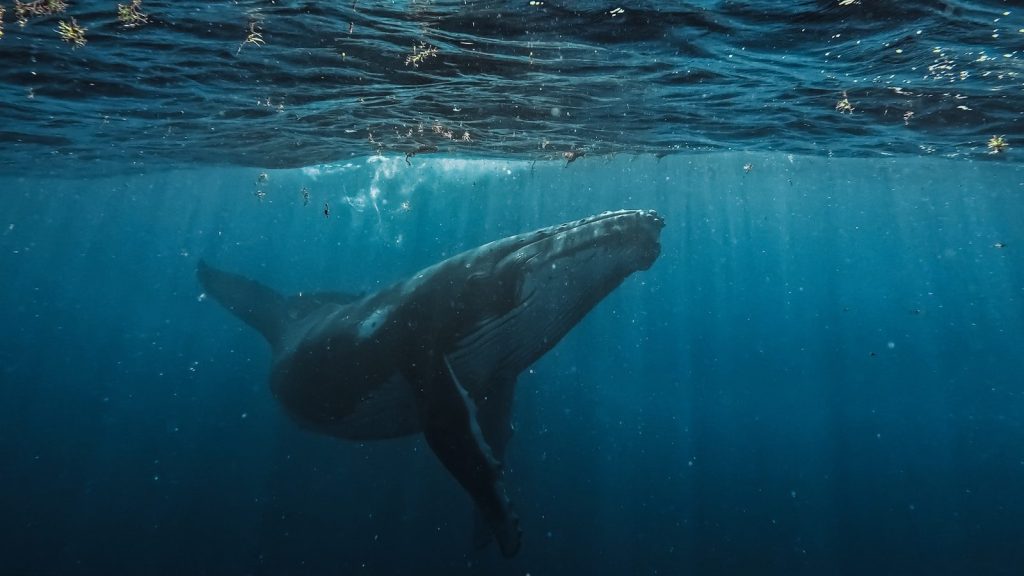
Small crustaceans are a major food source for fish, seabirds, squid, seals, sharks, and whales. Krill, which are shrimp-like crustaceans, are especially important in many marine food webs.
NOAA explains that krill form the base of marine food webs across the world’s oceans. Without these small animals, many larger ocean species would have a much harder time finding enough food.
Copepods move carbon
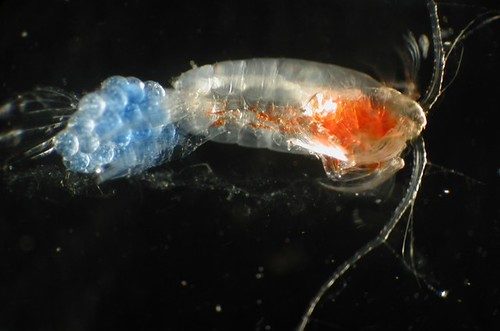
Some tiny crustaceans do more than feed other animals. They also help move carbon from surface waters into deeper parts of the ocean.
A 2025 Southern Ocean study found that migrating zooplankton help store carbon below 500 meters. The University of Plymouth reported that copepods made up about 80% of that seasonal carbon movement in the study area.
Names help protect life
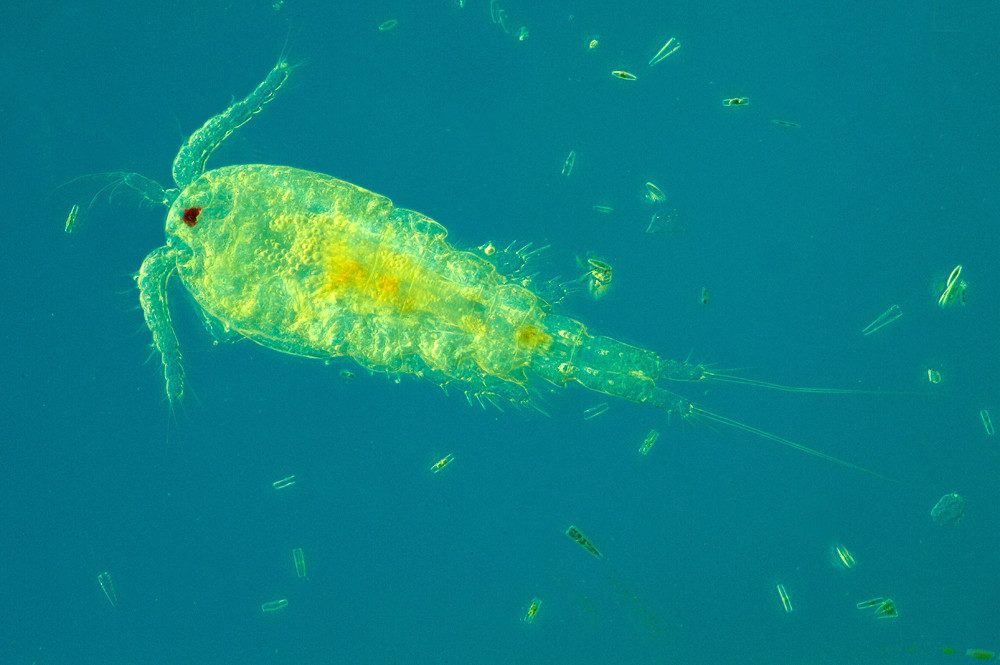
When a species has no name, it is harder to study, track, or protect. A name gives scientists a shared way to record where it lives and how it fits into an ecosystem.
That is one reason new crustacean discoveries matter. The more researchers know about deep-sea species, the better they can understand which habitats are rich, rare, or sensitive to change.
Tech makes discovery faster
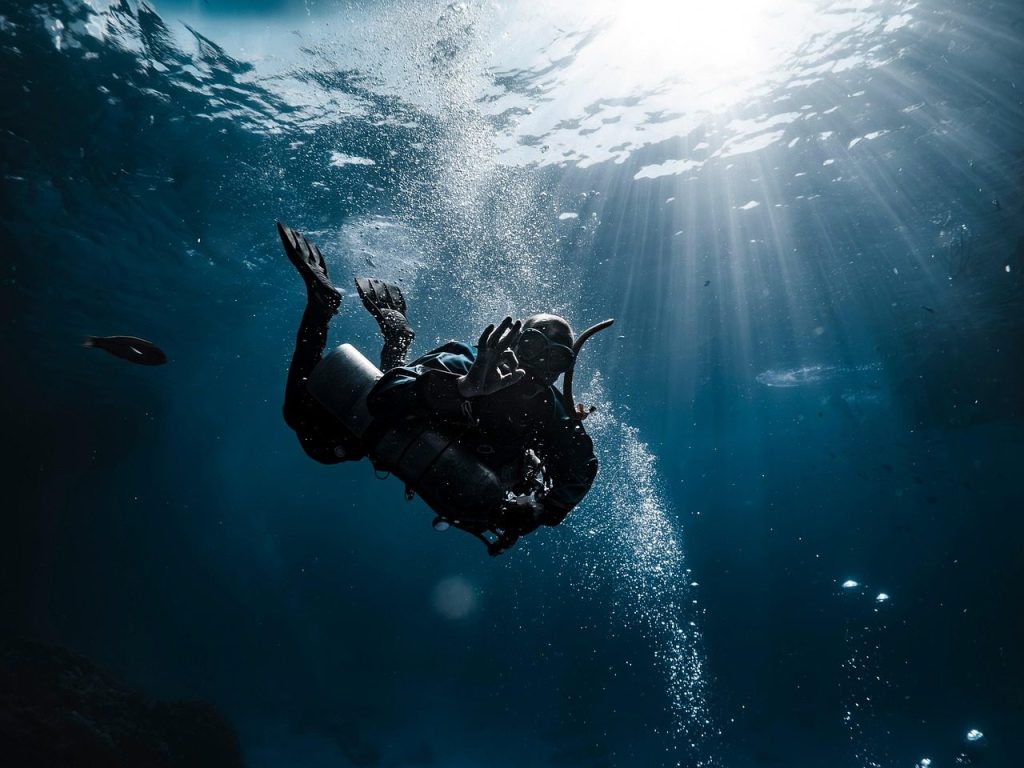
Modern ocean science uses more than nets and microscopes. Researchers now use DNA tools, deep-sea vehicles, imaging systems, and shared databases to study small animals in greater detail.
These tools help scientists sort species that may look similar at first glance. That is especially useful for amphipods, where tiny body features can reveal big differences between groups.
Some are ecosystem clues
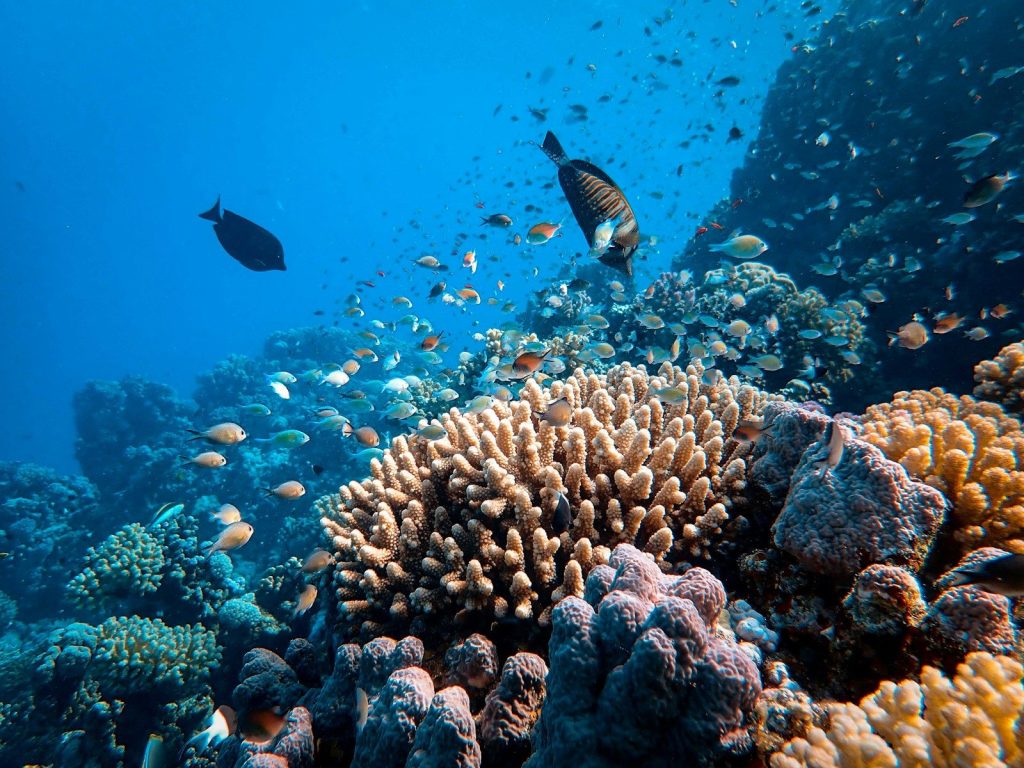
Tiny crustaceans can act like clues about ocean health. Because they are part of food webs and respond to changing conditions, scientists can study them to learn what is happening in the water.
A shift in crustacean numbers or locations can say a lot. It may point to changes in temperature, food supply, oxygen levels, or habitat quality.
Big projects are underway
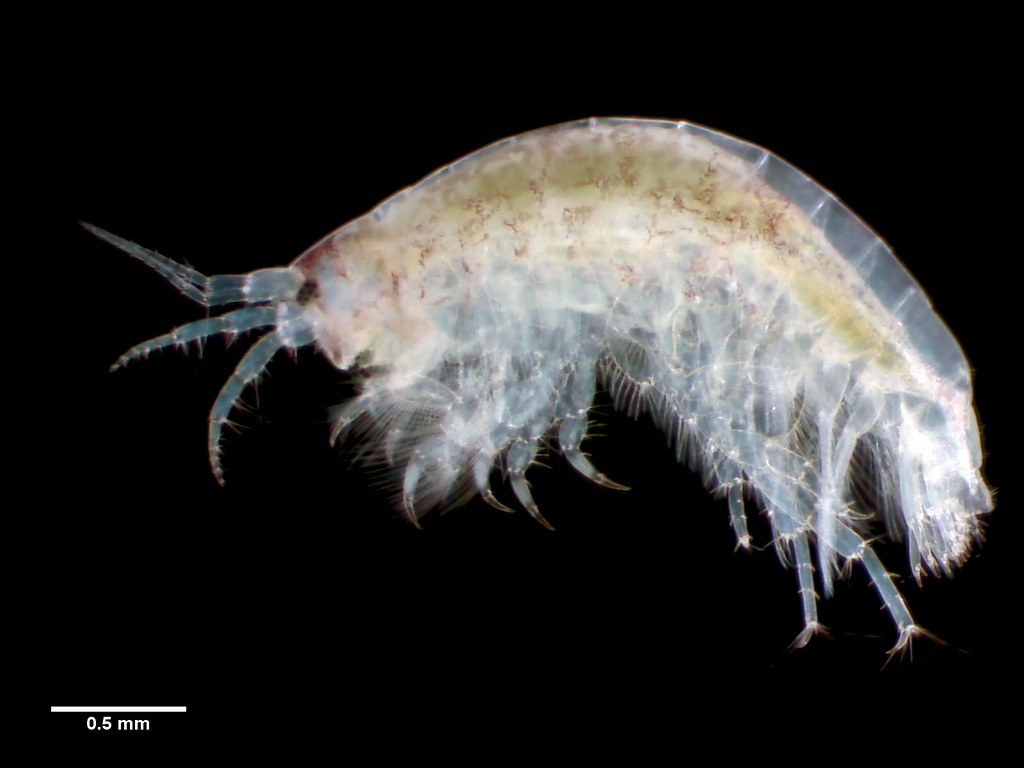
The Sustainable Seabed Knowledge Initiative’s “One Thousand Reasons” campaign aims to describe 1,000 unknown deep-sea species by 2030. The 24 new amphipods are part of that larger effort.
That goal shows why small animals are getting big attention. Scientists are trying to document deep-sea life while there is still time to understand it clearly.
Tiny creatures change the story
Tiny crustaceans remind us that ocean science is not only about whales, sharks, or coral reefs. Some of the most important discoveries can fit on a fingertip.
Their small size hides their importance. They feed larger animals, move carbon, reveal new branches of life, and help scientists see how much of the ocean is still waiting to be understood.
Leave a Reply