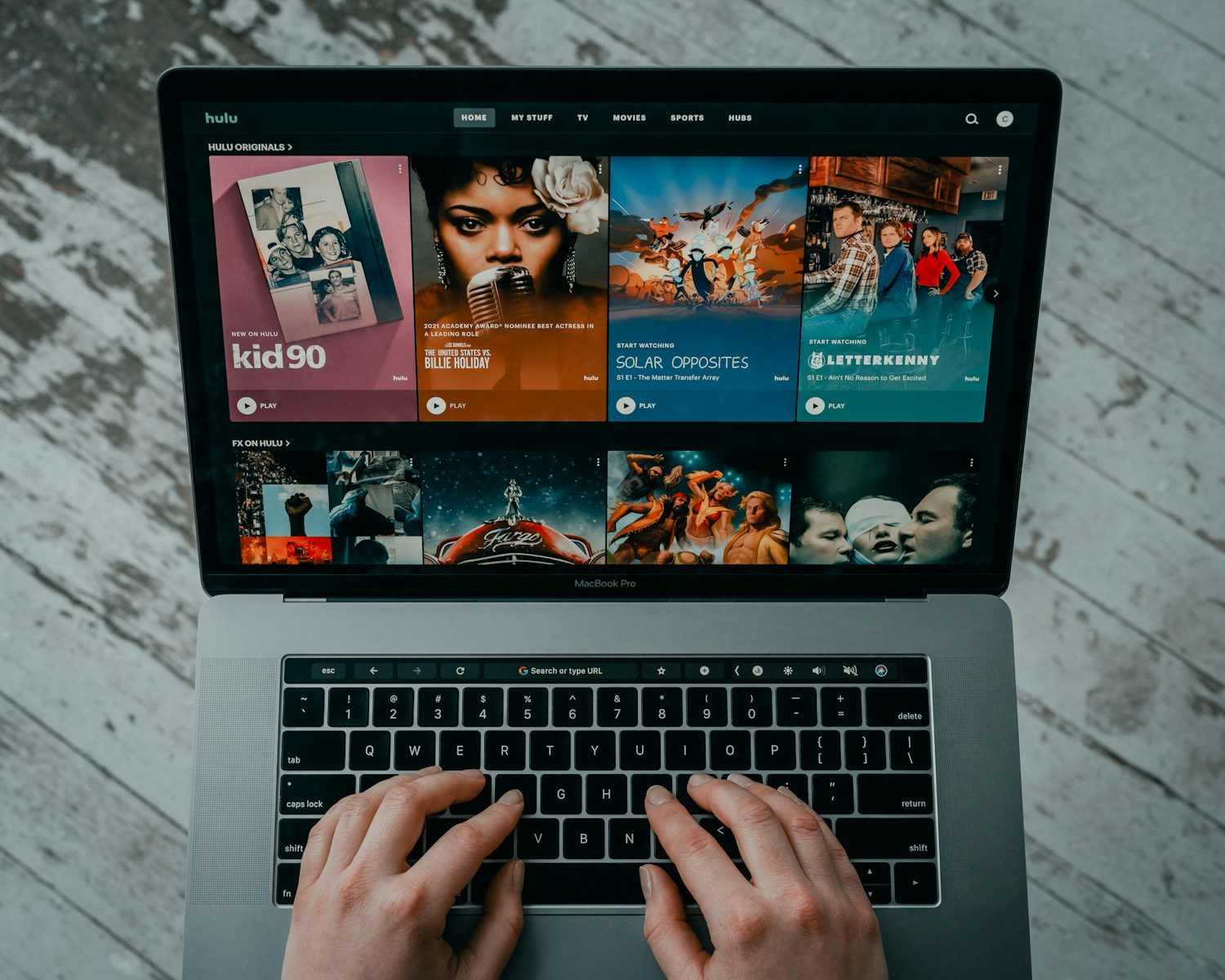
Streaming used to feel simple: pick an app, pay a monthly fee, and watch what you want. Now the picture is changing fast. Prices have risen, free ad-supported options are growing, live sports are moving across more platforms, and bundles are starting to look a lot like the cable packages people once left behind. Nielsen reported that streaming reached 47.5% of U.S. TV viewing in December 2025, showing how central it has become to daily entertainment.
The next phase may not be about having more apps. It may be about smarter packages, better ads, live events, social video, and services that try harder to keep viewers from canceling. For many households, streaming in 2026 and beyond could feel more flexible, but also more crowded and harder to compare.
Ads become more normal
Streaming was once sold as a cleaner break from traditional TV ads. That is changing. Many viewers now choose lower-cost plans that include ads because monthly entertainment bills can add up quickly.
Deloitte reported in 2026 that about 68% of streaming subscribers were paying for an ad-supported option, a sharp rise from 2024. That means ads may become part of the regular streaming experience again, just in a more targeted and digital form.
Bundles make a comeback
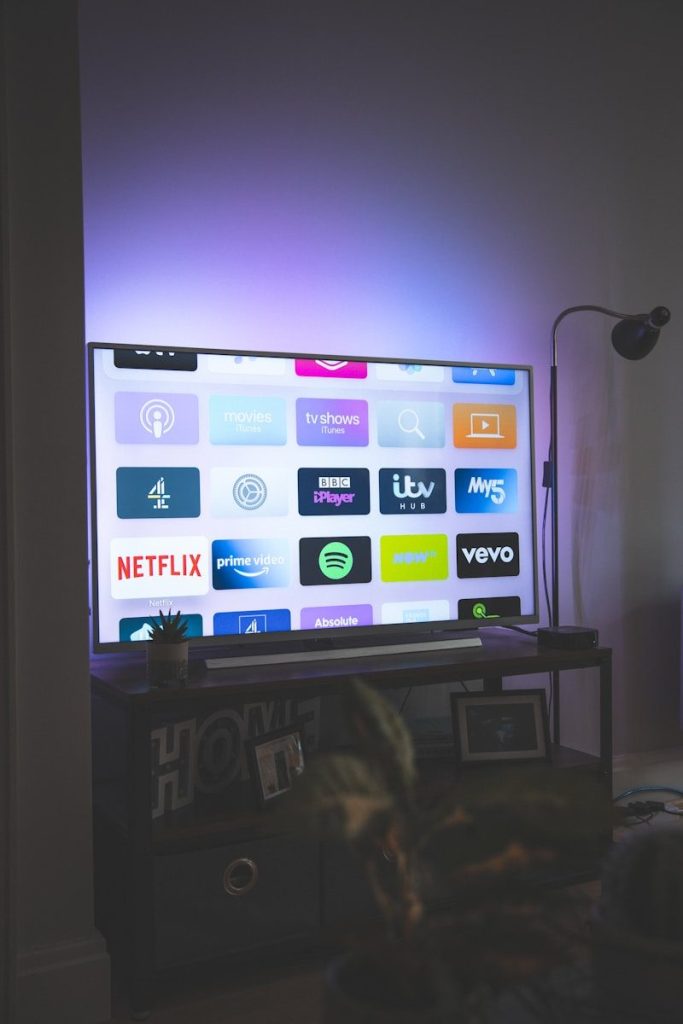
After years of separate apps, streaming companies are moving back toward bundles. Viewers may see more packages that combine video, music, sports, shopping perks, phone plans, or internet service.
This can make streaming cheaper and easier to manage, but it can also make choices confusing. The new question may not be “Which app do I want?” It may be “Which bundle gives me the most value without adding things I never use?”
Free channels keep growing
Free ad-supported streaming TV, often called FAST, gives viewers channels without a monthly bill. These services usually feel more like classic TV, with scheduled channels, familiar shows, and ads.
They may grow because many people want entertainment without another subscription. Nielsen has noted that sports-related FAST channels are becoming a major part of the free streaming world, giving fans highlights, documentaries, and related programming beyond live games.
Live sports shift online
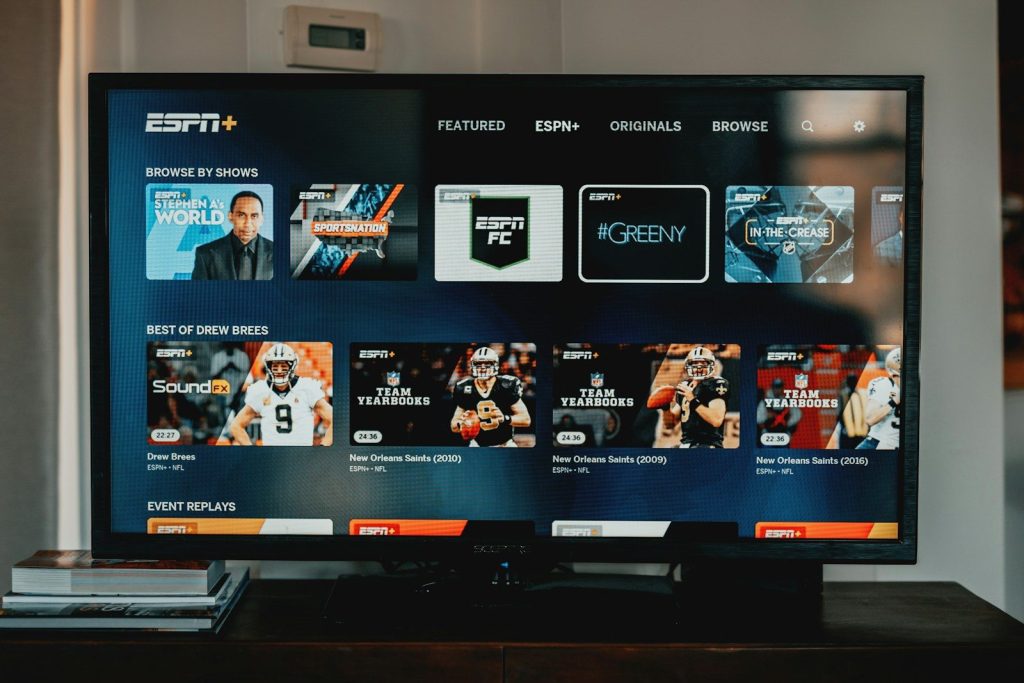
Sports may be one of the biggest reasons streaming changes. Major games, documentaries, highlights, and talk shows are now spread across many platforms, not just traditional TV channels.
Nielsen says streaming is changing live sports through multiplatform viewing and new ways to reach fans. That means viewers may need to follow leagues and events across more apps, especially as sports rights become more split between streaming and broadcast partners.
Social video competes harder
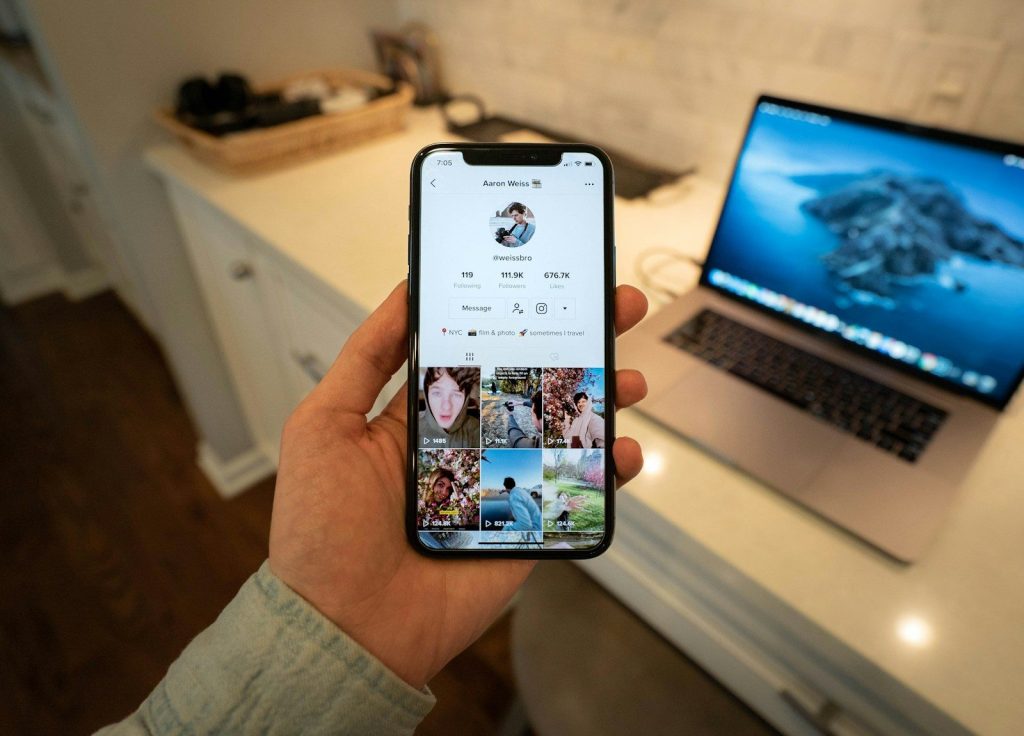
Streaming services are not only competing with each other. They are also competing with TikTok, YouTube, Instagram, gaming, podcasts, and creator content for attention.
Deloitte’s 2025 Digital Media Trends report said social platforms and user-made content are disrupting video entertainment. For younger viewers especially, short videos and creators may feel just as important as traditional shows or movies.
Recommendations may get smarter
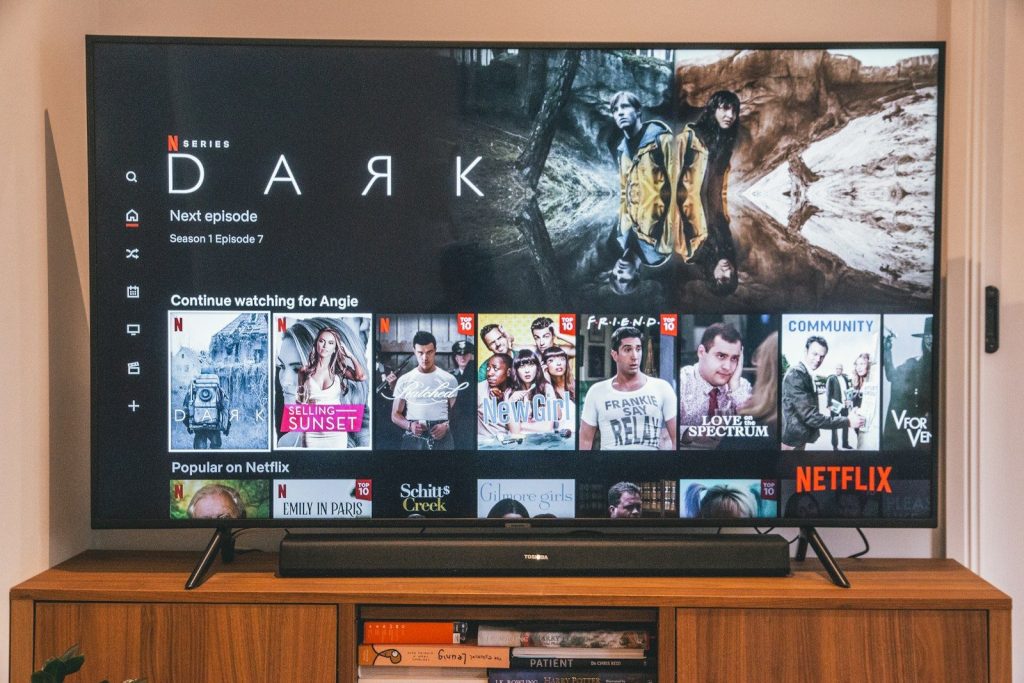
Streaming platforms already suggest what to watch, but those suggestions can still feel repetitive or random. In 2026 and beyond, services may use better data and AI tools to improve discovery.
The goal will be simple: help viewers find something good before they give up and close the app. Better recommendations could also help platforms promote smaller shows, older titles, live events, and ad-supported channels without overwhelming the screen.
Prices may stay under pressure
Streaming is no longer the cheap alternative it once seemed to be for every household. As more services raise prices or limit sharing, viewers may become more careful about what they keep.
That could lead to more canceling, rotating, and switching. People may subscribe for one show, pause for a few months, then return later. Streaming companies will need stronger reasons to keep viewers paying all year.
Ads get more connected
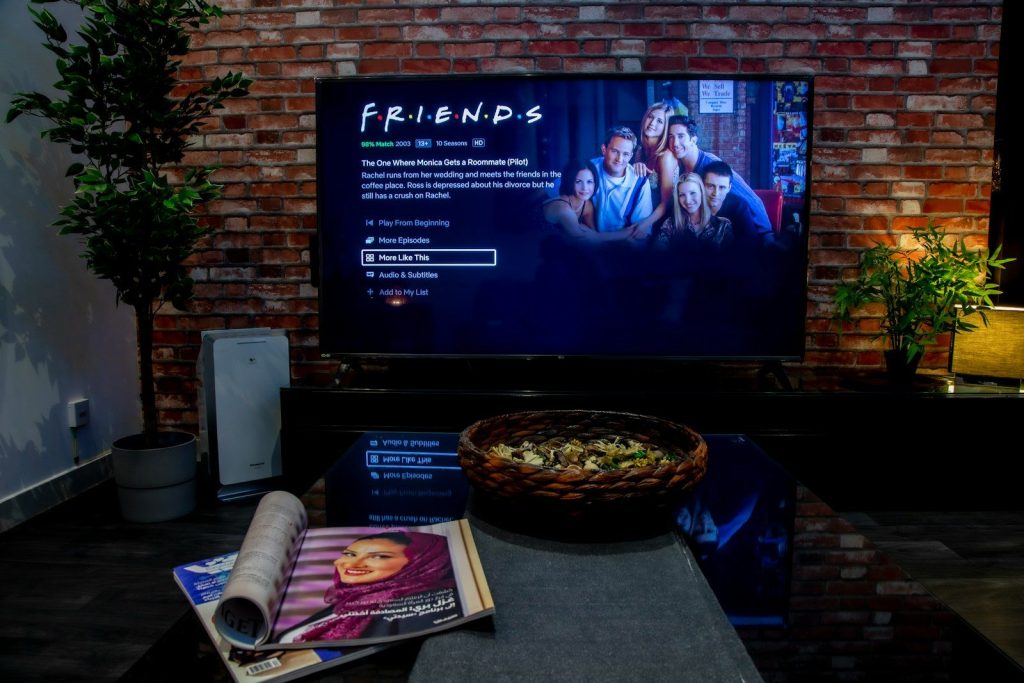
Connected TV ads are becoming a bigger business as more viewing moves through smart TVs, streaming sticks, and apps. Advertisers want the reach of TV with more digital-style targeting.
Nielsen reported that ad-supported platforms made up 72.4% of U.S. TV viewing time in the first quarter of 2025, with streaming representing 42.4% of that ad-supported viewing. That gives streaming services a strong reason to keep building ad tools.
Global growth shapes choices

Streaming is not only a U.S. story. Companies are chasing viewers around the world, which can change what gets made and promoted. More international hits may reach U.S. audiences faster than before.
PwC projects global entertainment and media revenue will keep growing through 2029, helped by advertising, live events, and video games. That broader market may push streaming platforms to think beyond movies and shows alone.
Viewers gain more control

The future of streaming may feel both better and messier. Viewers may get more free options, more live events, smarter search, and bundles that save money. They may also face more ads, more price changes, and more places to check.
The winners will likely be the services that make watching feel easy again. People do not want a puzzle every night. They want good shows, fair prices, clear choices, and fewer reasons to wonder where everything went.
Leave a Reply