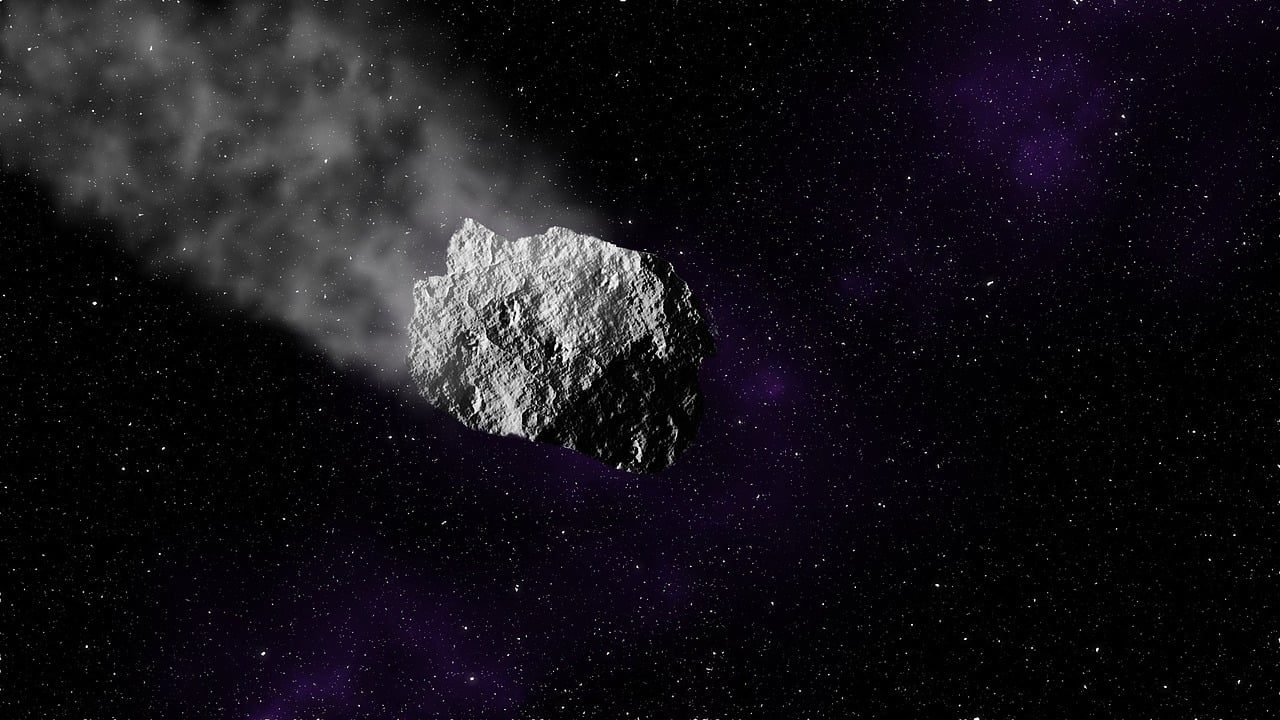
Space rocks do not arrive with flashing warning signs. Most look like tiny moving dots against a sky full of stars. Yet behind those dots is a global tracking system built from telescopes, math, shared data, and constant updates. Scientists do not simply “see” an asteroid once and know where it will go. They collect repeated observations, compare positions, calculate an orbit, and keep improving that path as more data arrives.
That work matters because near-Earth objects can pass close to our planet, and early warning gives researchers more time to study them. NASA’s Center for Near-Earth Object Studies, known as CNEOS, calculates orbit paths and checks possible future close approaches for known near-Earth objects.
Tiny dots tell big stories
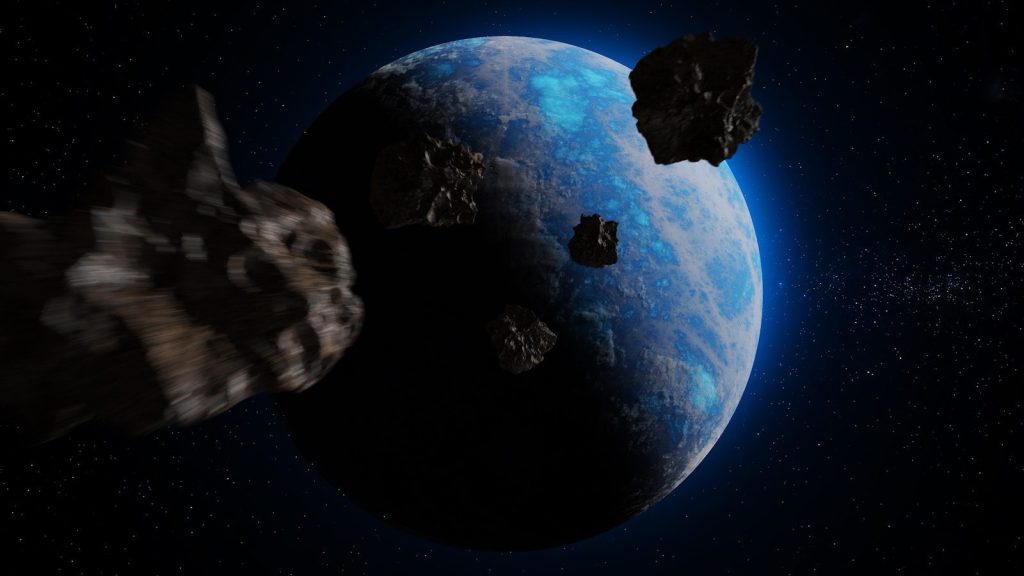
Most asteroids are not seen as giant rocks in a telescope. They often appear as small points of light moving slowly against the background stars.
That motion is the first clue. Once astronomers spot it, they can report the object’s position and time. Those early measurements help scientists begin building a path for where the object may travel next.
Sky surveys never sleep
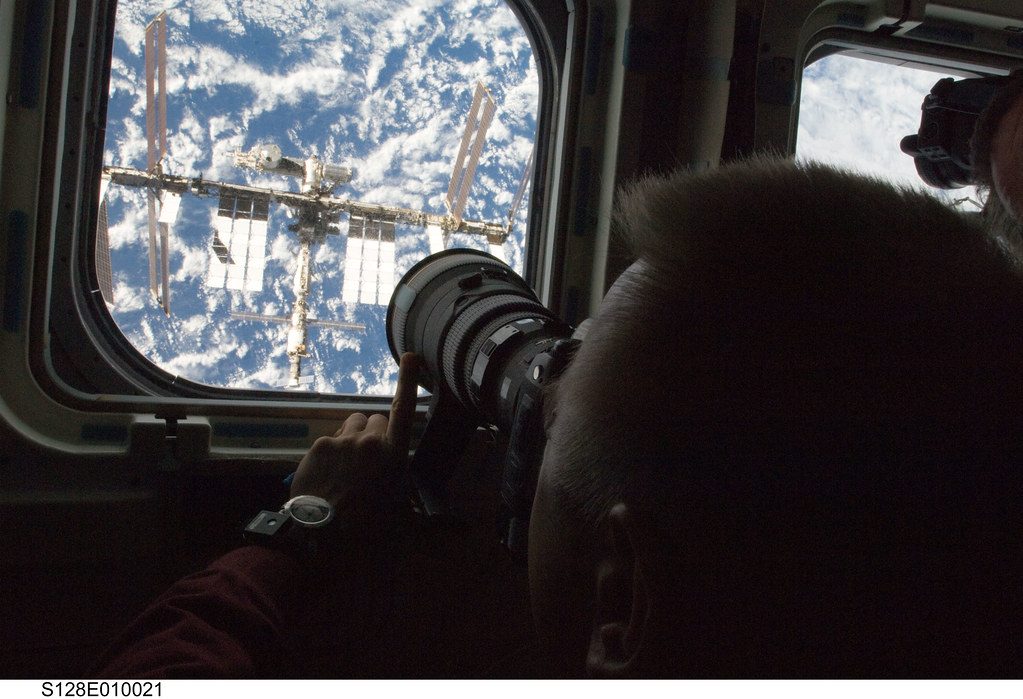
Asteroid tracking depends on wide-field surveys that scan large parts of the night sky again and again. These systems are built to notice movement, not just take pretty space pictures.
NASA says ATLAS became able to search the entire dark sky every 24 hours after new telescopes were added. That makes it a major part of the search for near-Earth objects.
One sighting is not enough
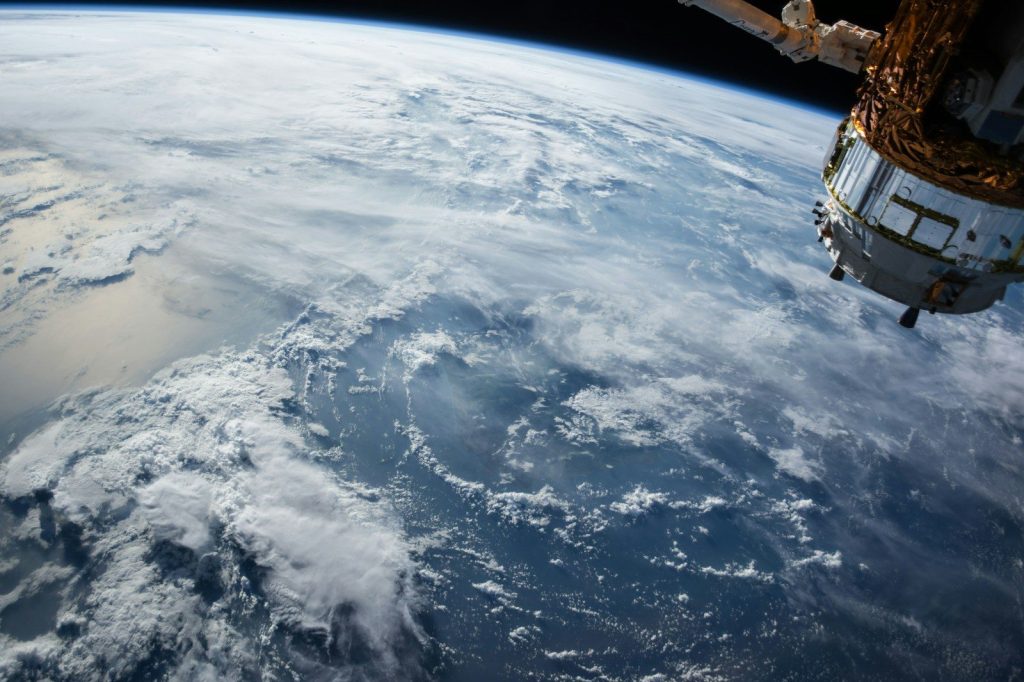
A single observation can start the process, but it does not tell the whole story. Scientists need several sightings over time to understand an asteroid’s speed, direction, and orbit.
The more observations they collect, the smaller the uncertainty becomes. That is why an object’s risk estimate can change quickly after discovery. New data often makes the path clearer.
The math does heavy lifting
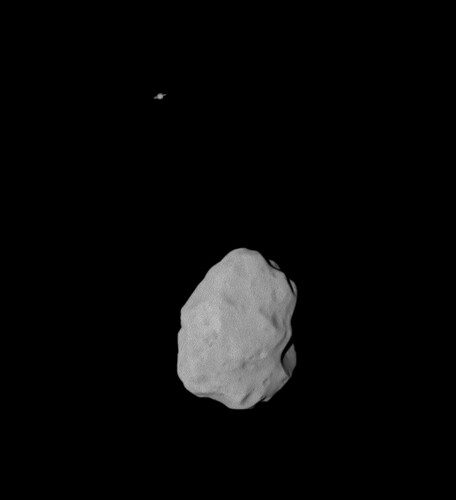
Once an asteroid is reported, computers compare its position with gravity, time, and possible future paths. This is where tracking becomes more than just watching the sky.
CNEOS uses reported positions to compute high-precision orbits and study possible future locations of hazardous objects near Earth. If needed, it can also estimate impact timing and location.
Close does not mean danger
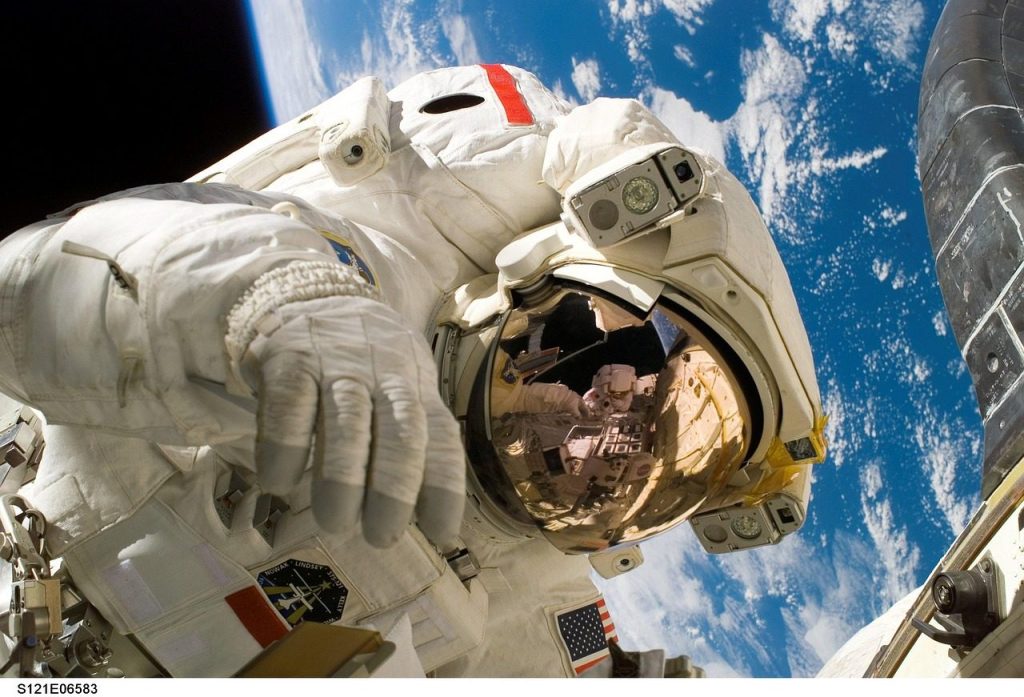
Many asteroids pass near Earth without posing a threat. In space terms, “close” can still mean thousands or millions of miles away.
That is why scientists focus on the exact path, not scary labels. CNEOS predicts close approaches and makes impact hazard assessments to support NASA’s planetary defense work.
Risk numbers can change
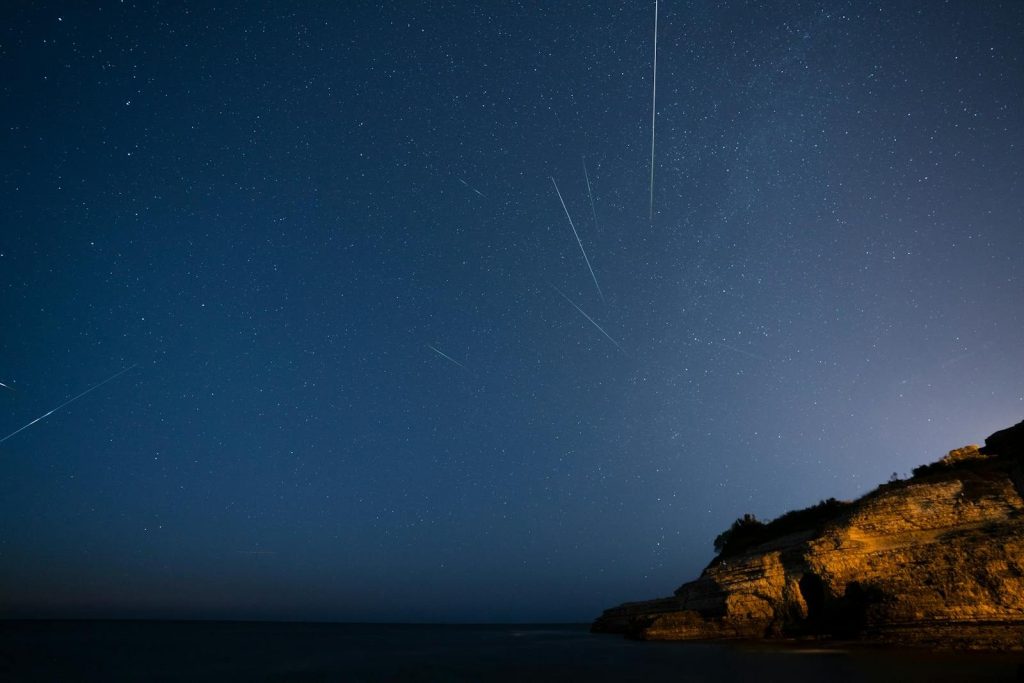
When a new asteroid is first discovered, its future path may be uncertain. Early risk numbers can rise or fall as scientists gather more observations.
That happened with asteroid 2024 YR4. NASA first monitored a small possible risk, then later said new calculations showed no significant threat to Earth in 2032 and beyond.
Global teams share the load
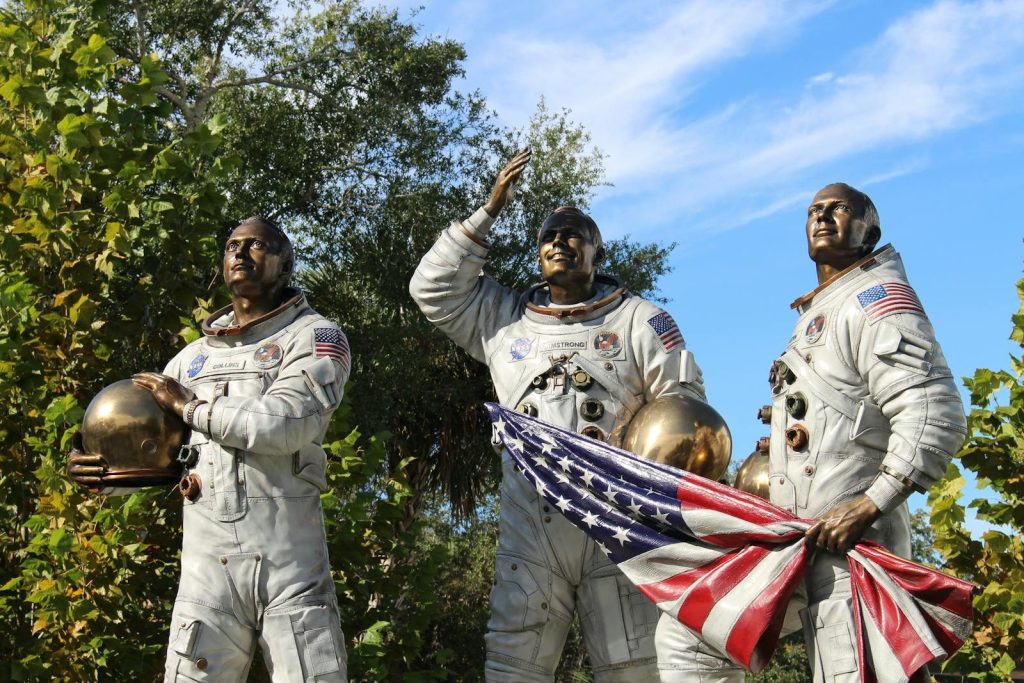
No single observatory can watch the whole sky perfectly. Weather, daylight, location, and equipment limits all matter.
That is why planetary defense uses a network approach. ESA says its Planetary Defence Office runs observation campaigns, searches for potentially hazardous asteroids, and calculates their orbits.
Infrared eyes may help

Some asteroids are dark, which makes them harder to spot in visible light. Future space telescopes can help by looking for heat instead of only reflected sunlight.
NASA’s NEO Surveyor is designed as a space telescope focused on detecting asteroids and comets that may be potential hazards. NASA lists its launch as no earlier than September 2027.
Faster warning means more options
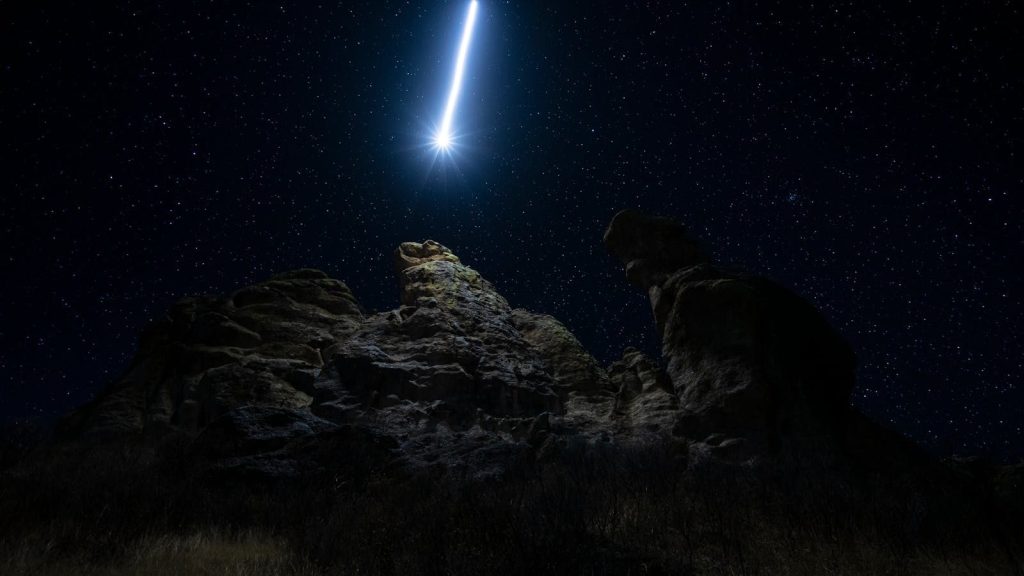
The earlier scientists find a space rock, the more time they have to study it. That time can help improve orbit predictions and guide future planning.
Early warning does not mean panic. It means better information. With more lead time, experts can make calmer, clearer decisions based on data instead of guesses.
Tracking protects curiosity too
Asteroid tracking is not only about safety. These objects are leftovers from the early solar system, so every close pass can teach scientists something.
By watching them carefully, researchers learn about their size, path, brightness, and behavior. The same science that helps protect Earth also helps explain how our neighborhood in space was built.
Leave a Reply