The deep ocean still feels like another planet, yet it is part of our own backyard. Far below the waves, tiny worms, shellfish, crustaceans, and other strange animals live in places most people will never see. Many of them do not even have official names yet.
That is a big problem. A species without a name is harder to study, protect, or even talk about. Researchers say much of marine invertebrate life is still under-described, even after centuries of ocean exploration. New projects like Ocean Species Discoveries are trying to speed up that process with better tools, shared expertise, and shorter, data-rich species reports. The goal is simple but urgent: document ocean life before fast-changing seas disturb it.
Hidden life needs names
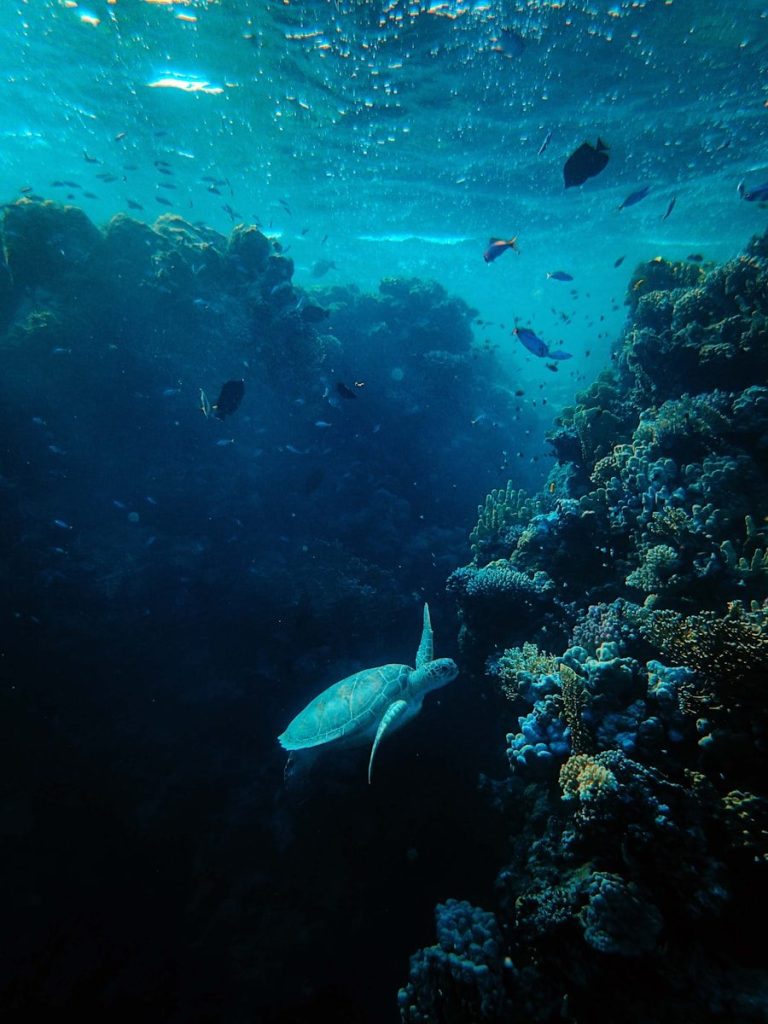
The ocean is packed with creatures that science has not fully recorded. Some are tiny, some live miles deep, and some look unlike anything seen on land.
Naming them is not just a formality. A scientific name gives researchers a way to track a species, compare findings, and understand where it fits in the ocean’s larger story.
Old methods take too long
Describing a new species can take years, and sometimes even decades. Researchers may need special images, expert review, DNA work, and careful comparisons with museum specimens.
That slow pace is a real challenge. SOSA notes that species description can face delays of 20 to 40 years, which is far too long when ecosystems are changing quickly.
A faster system is growing
Ocean Species Discoveries was created to help scientists publish clear, useful species descriptions faster. It focuses on marine invertebrates such as worms, mollusks, and crustaceans.
The second issue described 14 new species, two new genera, and one redescription across three major animal groups. That shows how teamwork can turn scattered discoveries into organized science.
New tools reveal more
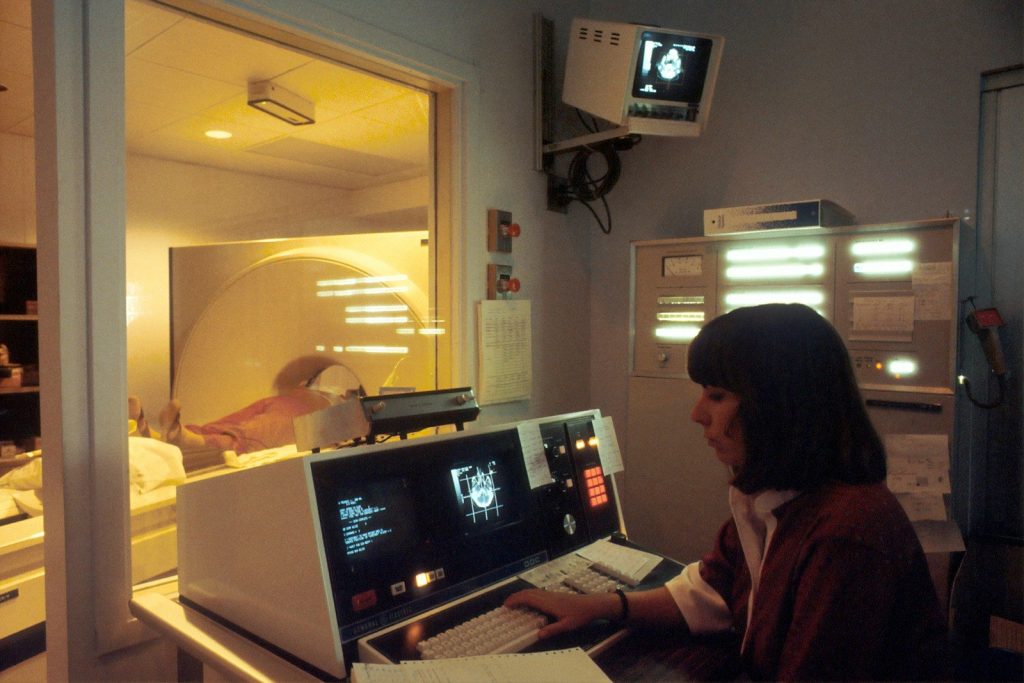
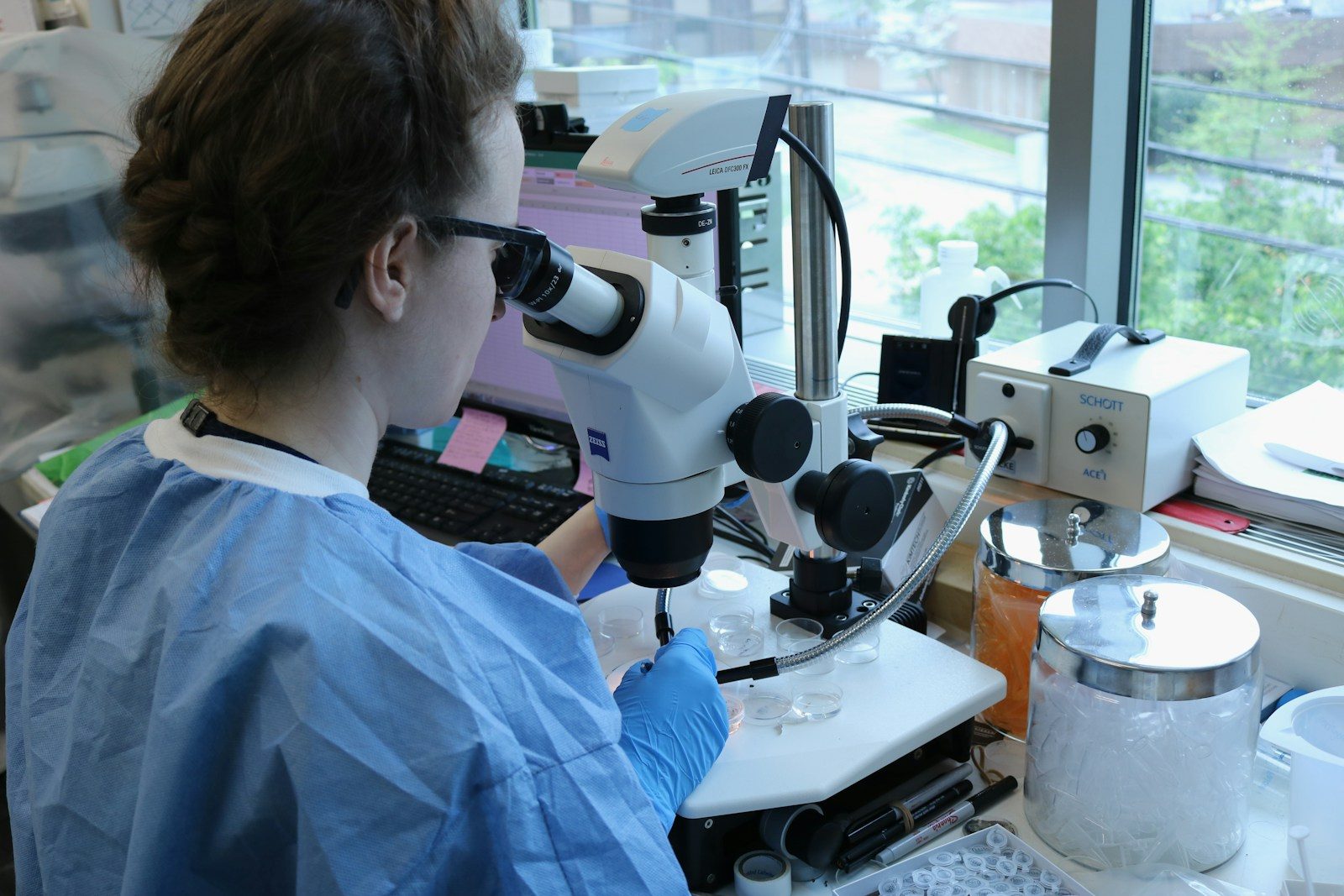
Modern labs can study ocean animals in ways that were not possible before. Light microscopes, electron microscopes, DNA barcoding, and micro-CT scans can reveal fine details without damaging rare samples.
That matters because many deep-sea specimens are precious. If scientists can study them carefully and preserve them, other researchers can return to the same material later.
The deep holds surprises
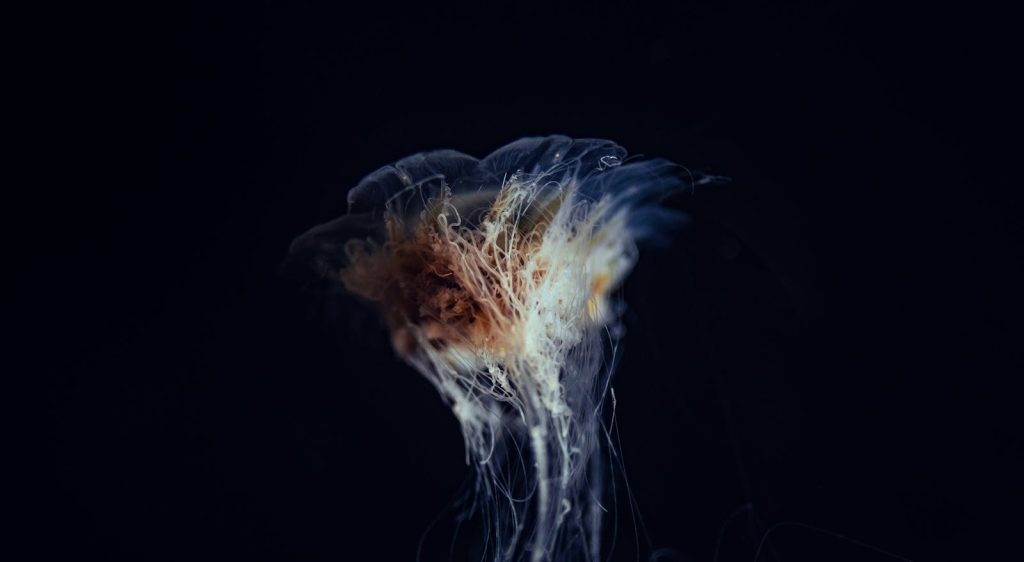
Some new species came from extreme depths. One mollusk, Veleropilina gretchenae, was collected from the Aleutian Trench at 6,465 meters, or about 21,200 feet.
Another species, Myonera aleutiana, is a deep-sea bivalve studied with non-invasive micro-CT scanning. The paper notes it is only the second bivalve with an anatomical description using that method.
Scans protect rare samples
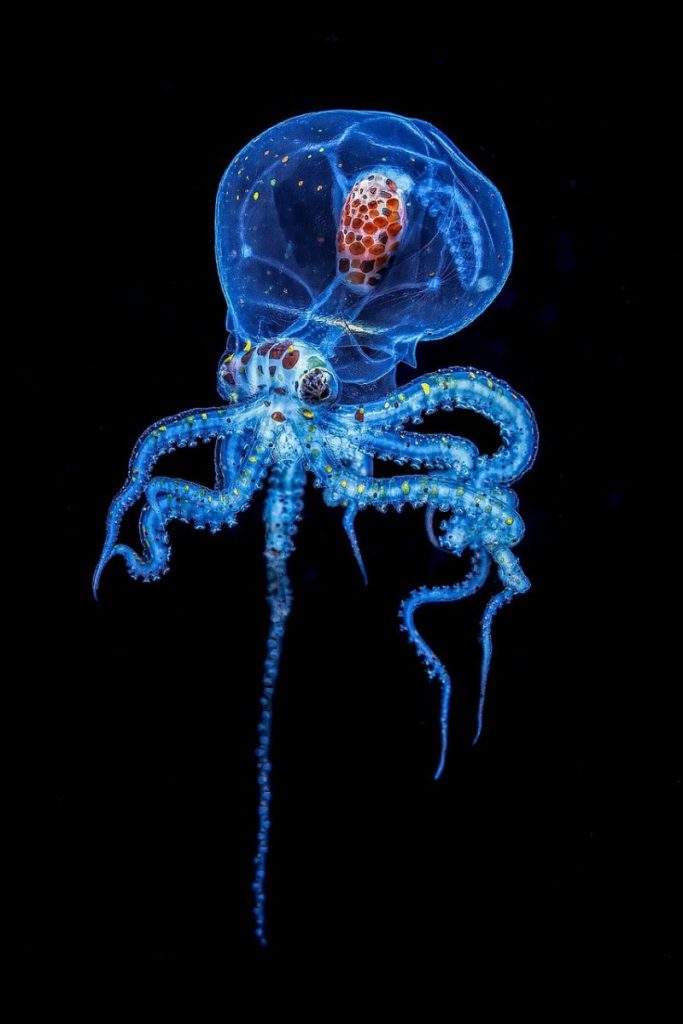
In the past, scientists often had to dissect animals to learn what was inside. That can be risky when a specimen is rare, fragile, or one of the only examples found.
Micro-CT scanning changes that. It creates detailed internal images while leaving the animal intact. For deep-sea research, that can mean more knowledge with less damage.
Tiny species can matter
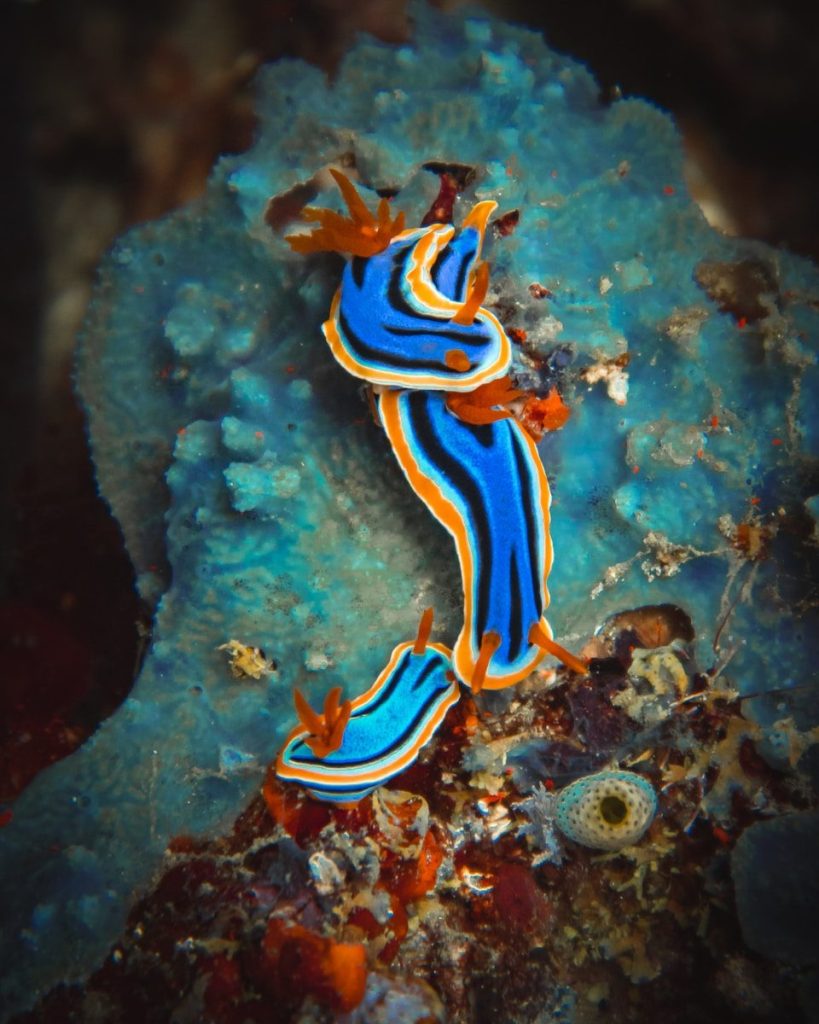
Small ocean animals may look easy to overlook, but they can play major roles in food webs, sediment health, and ecosystem balance. Losing them can affect more than one species.
That is why naming small life matters. A tiny crustacean, worm, or shellfish may hold clues about evolution, deep-sea survival, or how ocean habitats respond to change.
Names tell stories
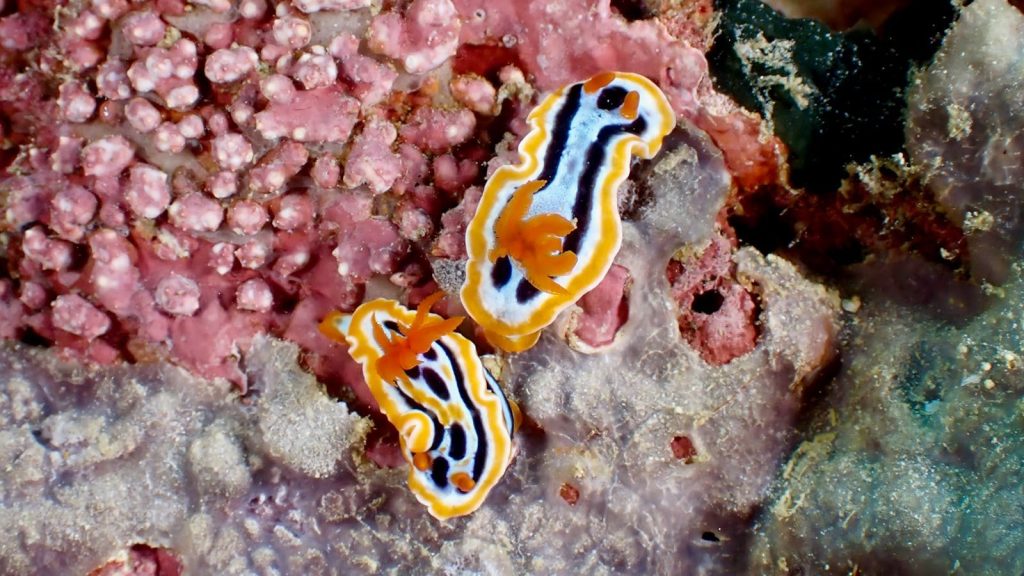
Some new species names honor people, places, or memorable features. One amphipod, Apotectonia senckenbergae, was named after Johanna Rebecca Senckenberg.
Another new animal, Zeaione everta, is a parasitic isopod with unusual bumps that reminded researchers of corn. These names help make hidden ocean life easier to remember and discuss.
Teamwork speeds discovery

No single scientist can describe every unknown ocean species alone. The work often needs taxonomists, imaging experts, DNA specialists, museum collections, and field researchers.
That is why shared labs and global networks are so important. SOSA’s Discovery Laboratory gives researchers technical support and tools that can help turn hard-to-study specimens into publishable science faster.
The race is not over
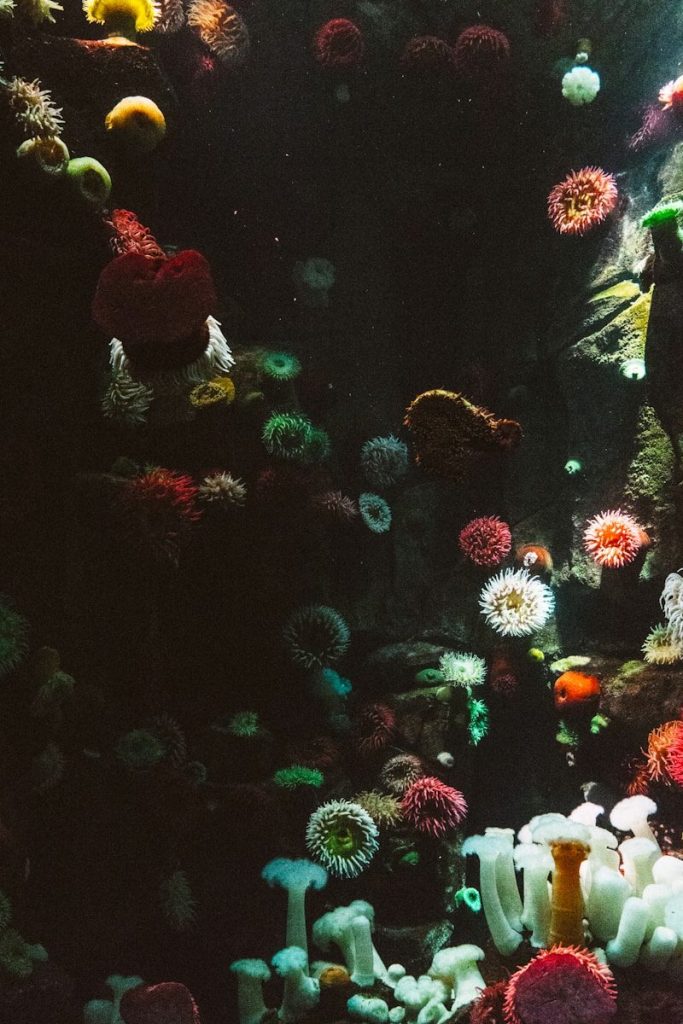
New deep-sea discoveries keep showing how much remains unknown. In 2026, researchers announced 24 new amphipod species from the Clarion-Clipperton Zone, including a new superfamily.
Each discovery is a reminder that the ocean still holds many blank spaces. Naming species cannot solve every threat, but it gives science a stronger starting point before those habitats change further.
Leave a Reply