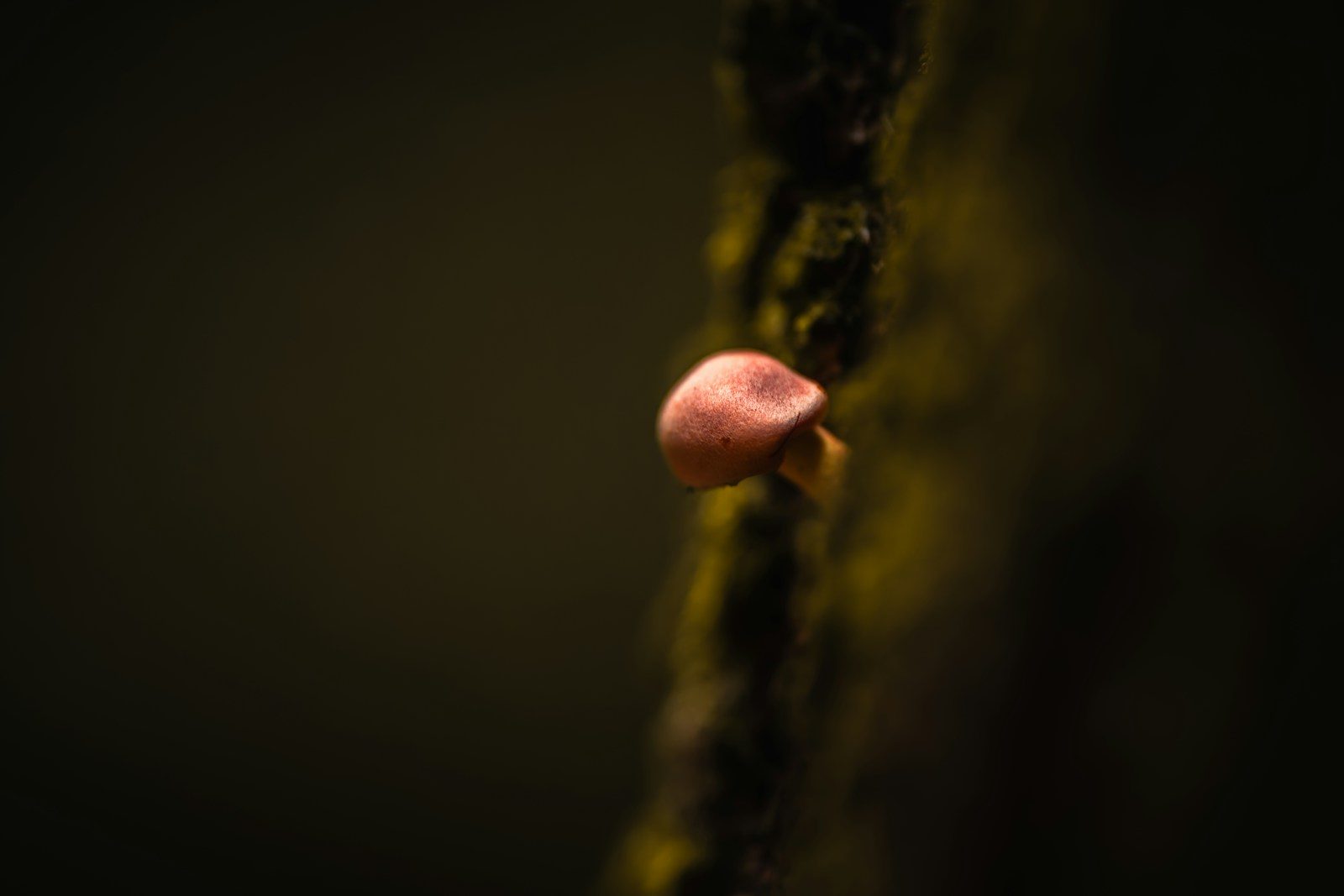
There is a silent killer spreading through hospitals around the world, and it isn’t a virus or bacteria. It is a fungus called Candida auris, often nicknamed “Super-Candida.” Scientists are terrified because this fungus is resistant to almost all known antifungal drugs. It can live on surfaces for weeks and spreads like wildfire in clinical settings. Once it enters the bloodstream, the mortality rate is a staggering sixty percent.
The scariest part? It seems to have emerged because of climate change, learning to survive in warmer temperatures, like the human body. Traditional medicine is failing to stop it. However, a new wave of high-tech weapons is being deployed to fight back. From AI to cold plasma, the war against the “last of us” fungus has begun.
The Fungus That Survives Almost Everything

Unlike common yeast, Candida auris is a master of survival. It can withstand heavy-duty disinfectants that kill almost anything else. Hospitals have had to rip out floor tiles and ceilings just to get rid of it. It creates a “biofilm,” a protective shield that makes it nearly invincible to standard cleaners. This resilience is why it has become a global health threat in record time. But scientists have found a weakness in the fungus’s own DNA
AI is Hunting for the Perfect Cure

Developing a new antifungal drug normally takes over a decade. We don’t have that much time. Scientists are now using powerful AI to scan millions of chemical compounds in days. The AI can predict which molecules will shatter the fungus’s protective biofilm. Recently, AI discovered a brand-new class of drugs that are showing incredible promise in labs. It is a race between biological evolution and artificial intelligence. But drugs aren’t the only way to kill it.
Killing Fungus with Cold Plasma Technology

One of the most exciting new weapons is cold plasma. This isn’t the stuff inside a star; it is a room-temperature ionized gas. When sprayed on a surface or skin, it creates “reactive species” that rip the fungus apart. It is completely safe for humans but deadly for Super-Candida. This could be used to sanitize hospital rooms in minutes without using a single drop of toxic chemicals. But what if the fungus is already inside a patient’s body?
Nanobots That Hunt the Fungus in Your Blood
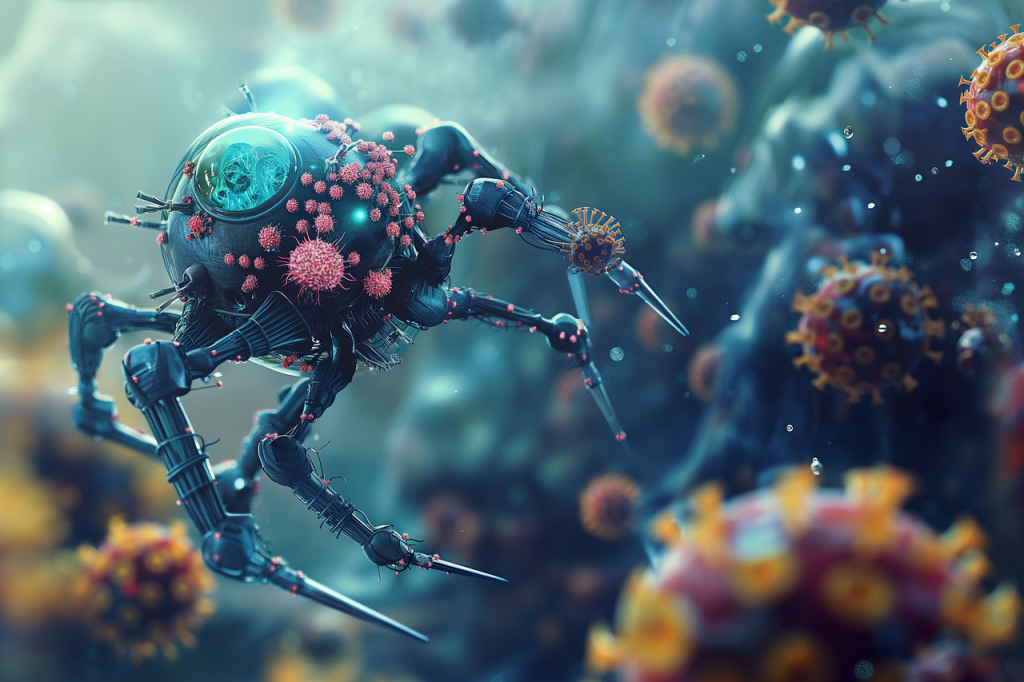
The future of treatment might involve tiny “hunters” inside your veins. Engineers are developing nanobots that can specifically target fungal cells while ignoring healthy human cells. Once they find the fungus, they can deliver a concentrated dose of medicine or use heat to destroy it. This precision would eliminate the side effects of traditional medicine. It sounds like science fiction, but early tests are proving very successful. However, the fungus is also trying to adapt to these new threats.
Climate Change and the Rise of Superbugs

Scientists believe Super-Candida is just the beginning. As the world gets warmer, many fungi are adapting to higher temperatures. This makes it easier for them to infect humans, whose high body temperature used to be a natural shield. We are seeing a fundamental shift in how diseases work. To stay ahead, we need to monitor the environment as much as we monitor patients. This is where “smart” hospital sensors
Smart Sensors That Detect Infection Early
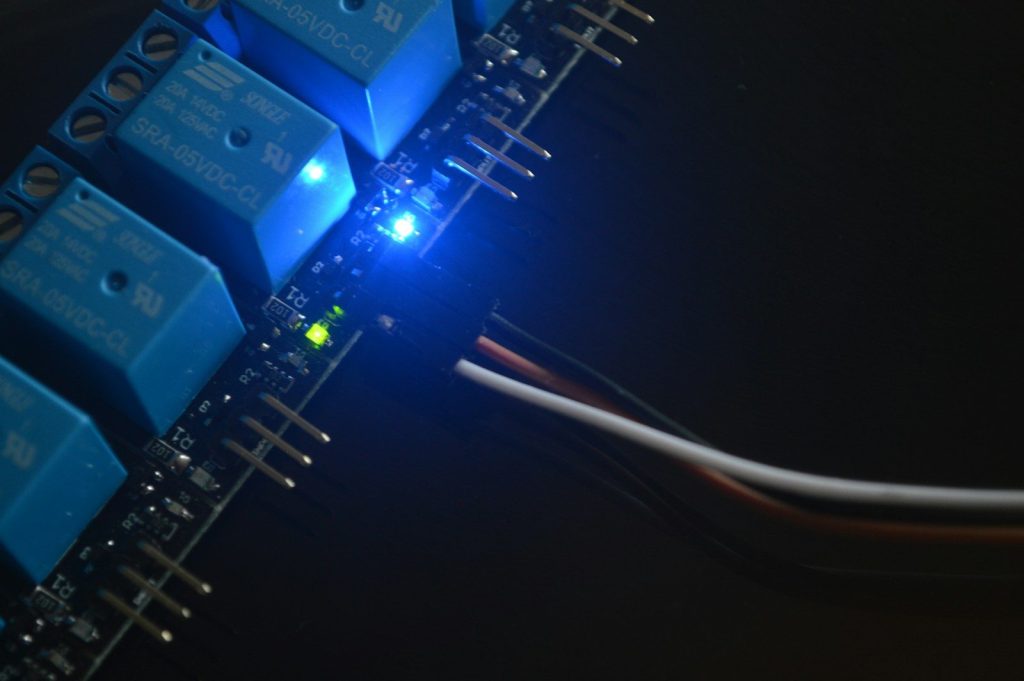
The best way to stop an outbreak is to find it before it starts. New IoT sensors can “smell” the chemicals produced by Super-Candida in the air. These sensors can be placed in hospital ventilation systems to provide real-time monitoring. If the fungus is detected, the system can automatically trigger a lockdown or extra cleaning. It is a digital immune system for our buildings. But there is one more technology that could change the game entirely.
Using Light to Destroy the Threat

light, sanitization, medical tech Source: Unsplash
Far-UVC light is a specific wavelength that kills germs but is safe for human eyes and skin. Hospitals are beginning to install these lights in high-traffic areas to constantly kill the fungus in the air. It’s a passive defense that works 24/7. Between AI, plasma, and light, we have a fighting chance. If you think the fight against fungus is complex, wait until you see how quantum computers will solve every other problem we have.
Featured Image:Photo by Doncoombez on Unsplash
Leave a Reply