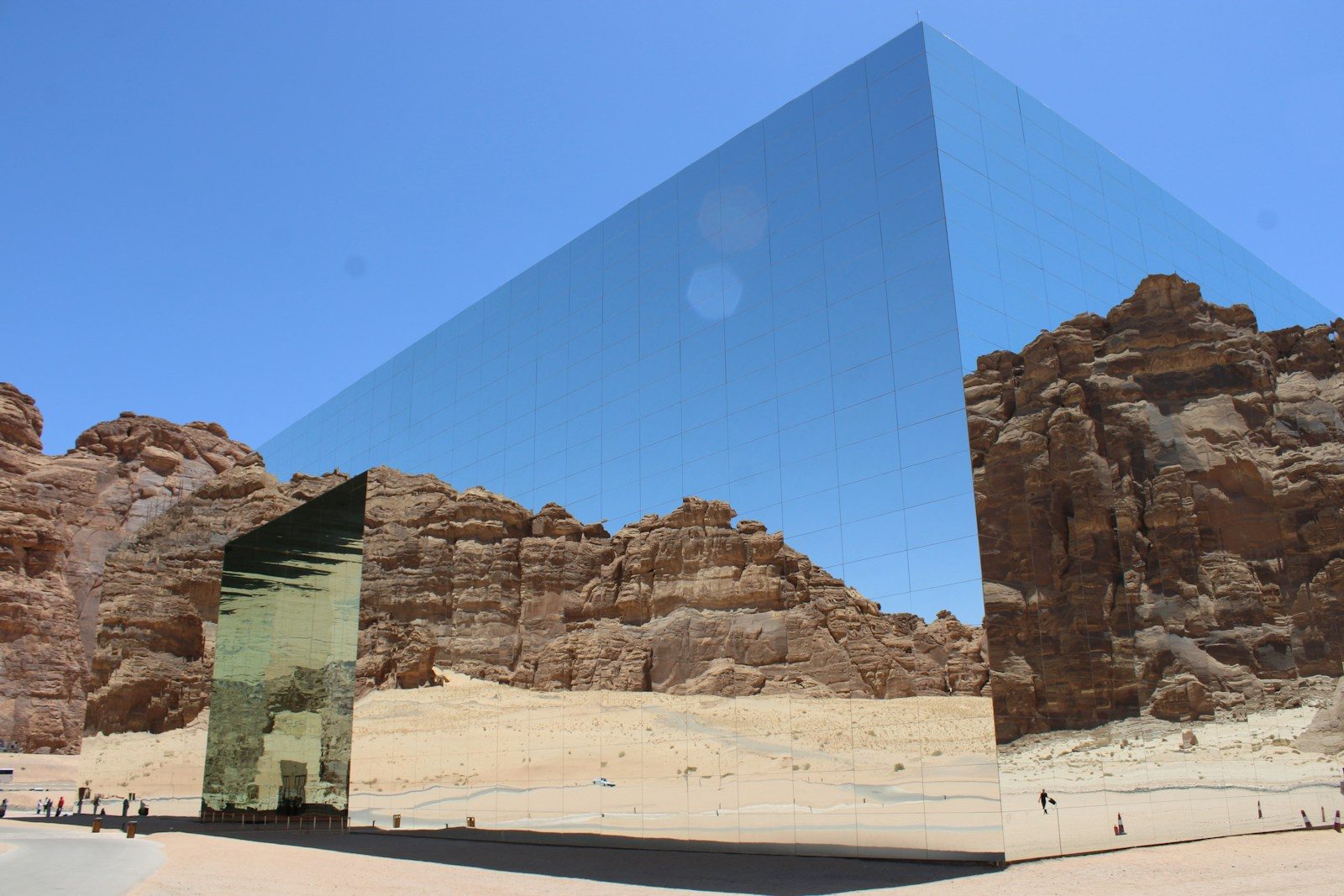
Saudi Arabia is trying to build a sci-fi future in the middle of a scorching wasteland. The project is called NEOM, and its crown jewel is a 100-mile-long mirrored city known as “The Line.” It was supposed to be a revolution in how humans live, with no cars, no streets, and zero carbon emissions. However, building a skyscraper that stretches for miles across a desert is proving to be much harder than the glossy trailers suggested. In 2026, reports are surfacing that the project is being scaled back significantly.
What was meant to house millions might now only accommodate a few thousand residents by the end of the decade. Engineers are facing impossible physical challenges, from the way heat expands the mirrored glass to the logistical nightmare of moving materials to a remote location. It is becoming the most expensive construction project in history, and it’s hitting a wall of reality that looks like a multi-billion-dollar disaster. But the temperature isn’t the only thing threatening to destroy the project. Wait until you see the secret mirror problem that scientists are now warning about.
The Physics of a Hundred Mile Mirror
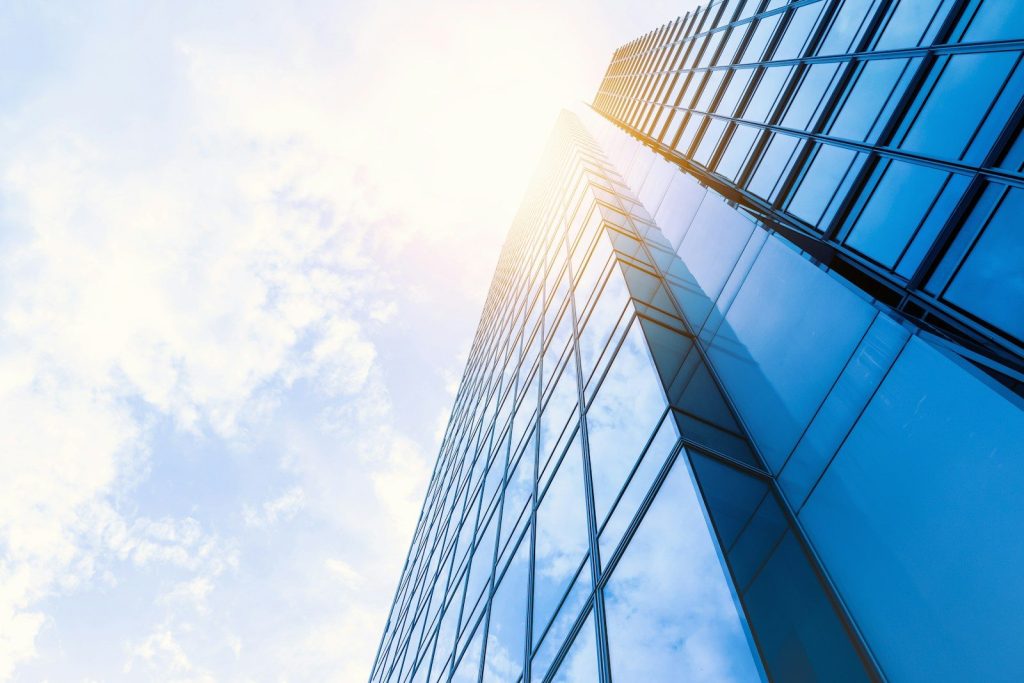
A building that is 170 kilometers long and covered in mirrors creates a massive environmental barrier. Mirrors reflect the sun, which can create “death rays” of concentrated heat on the desert floor. This isn’t just dangerous for local wildlife; it is a nightmare for the internal cooling systems. To keep people alive inside, the city would need a power plant larger than almost any other on Earth just to run the air conditioning. The cost of fighting the sun could bankrupt the project before it even opens. But the wind might be an even bigger threat to the structure’s stability.
Fighting the Invisible Desert Gale
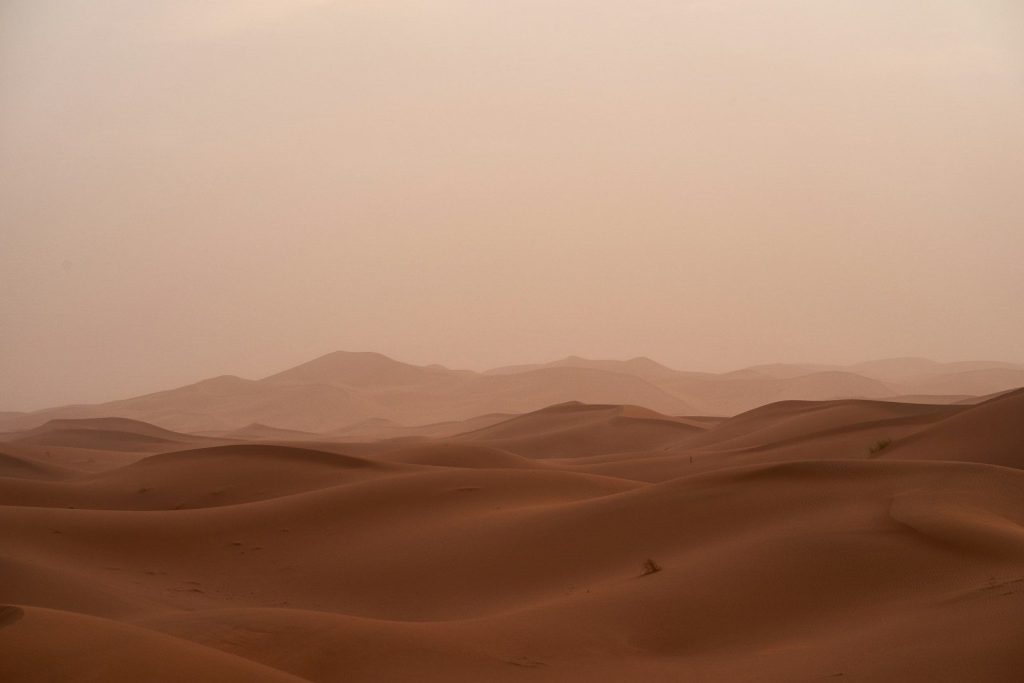
When you put a 1,600-foot-tall wall in a flat desert, you create a massive sail. The wind pressure against the mirrored glass is immense and constant. Engineers have to figure out how to keep the building from vibrating or tipping under the force of the desert gales. Traditional skyscrapers allow wind to flow around them, but a continuous wall has nowhere for that energy to go. If the glass cracks, the entire pressure system fails. But how do you even get the building materials to such a remote spot?
The Logistical Chain is Breaking
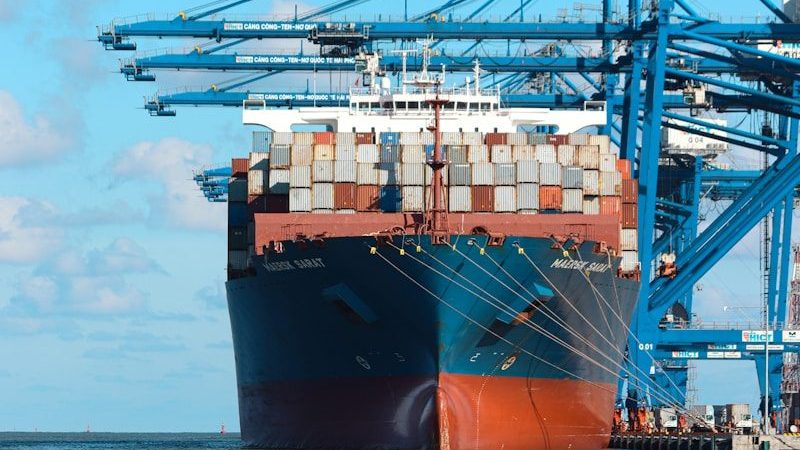
NEOM is being built in a place with no ports, no rail lines, and very few roads that can handle heavy machinery. Every single bolt, beam, and glass panel has to be shipped across thousands of miles. This creates a bottleneck that adds billions to the price tag every time a shipment is late. If one part of the chain fails, thousands of workers sit idle in the heat. It is a puzzle of timing and money that is falling apart under pressure. But wait until you see the human cost of this desert dream.
A Workforce Under the Sun
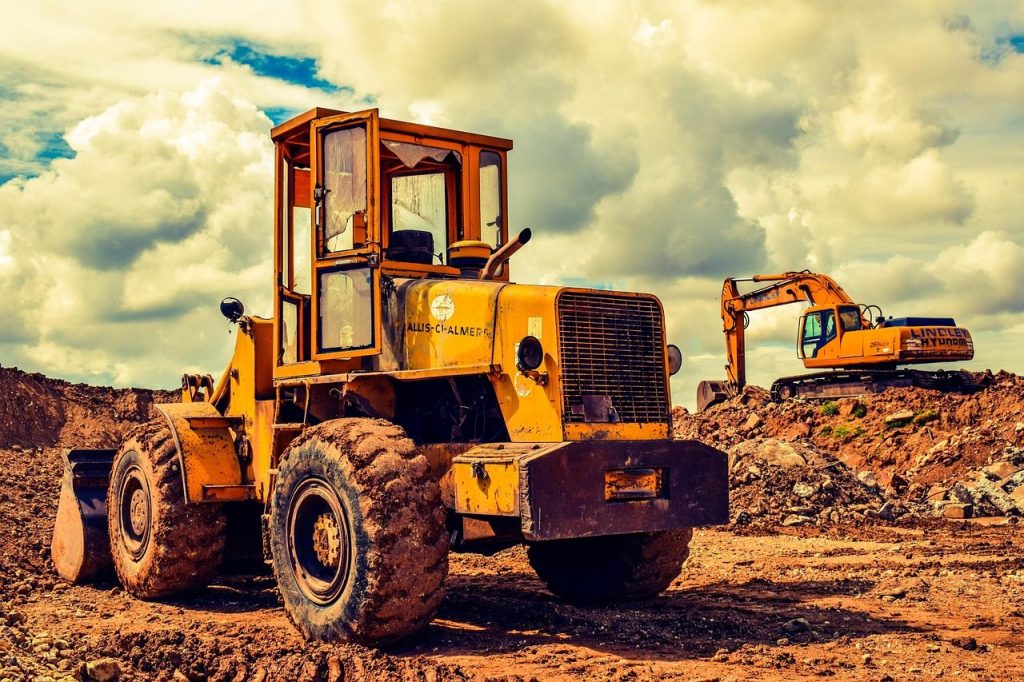
Building in 120-degree heat is not just difficult; it is deadly. Thousands of workers are toiling around the clock to meet impossible deadlines set by the government. There are growing concerns about the safety and living conditions of the people actually building the dream. When the schedule slips, the pressure on the labor force increases, leading to mistakes. In mega-engineering, a small mistake can lead to a total collapse. But the financial bleeding might be what kills the project first.
The Sovereign Wealth Fund Leak

Saudi Arabia has a lot of oil money, but even they have limits. The estimated cost of NEOM has climbed to over $1.5 trillion. To keep the project alive, the government is borrowing money and trying to attract foreign investors who are becoming nervous. If the investors pull out, the machines stop. The “Line” is becoming a giant hole in the ground that eats cash faster than it can be filled. But environmentalists have another reason to worry about this giant wall.
A Trap for Migrating Birds
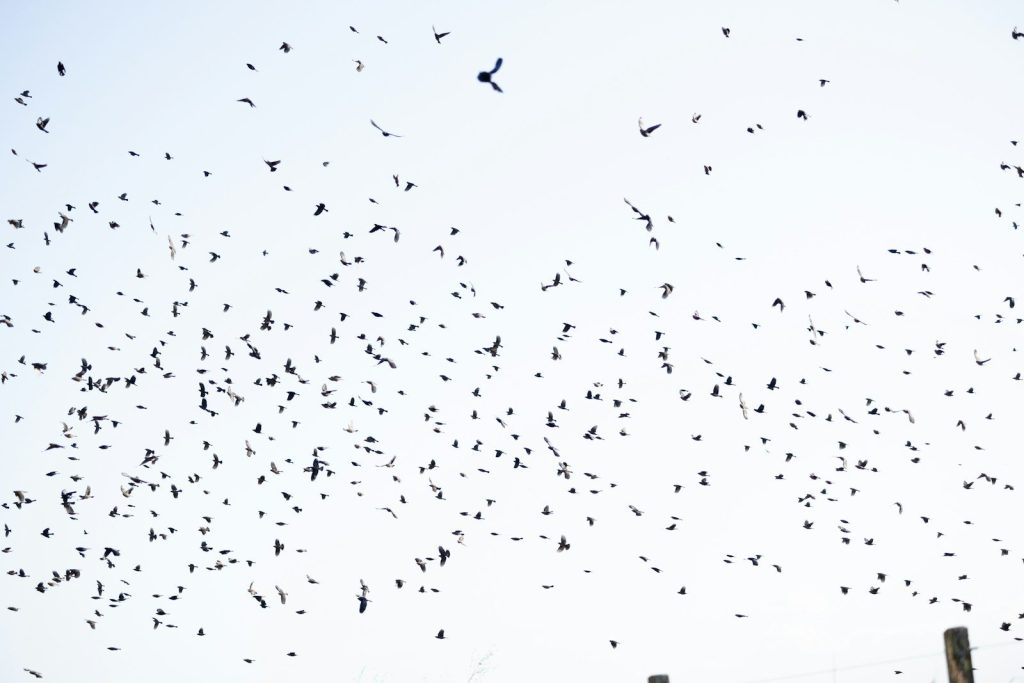
Millions of birds migrate through the Saudi desert every year. A 100-mile-long mirrored wall is a death trap for them because they cannot see the glass. This could trigger an ecological disaster that affects bird populations across entire continents. Engineers are trying to find bird-safe glass, but covering a 100-mile wall in it is incredibly expensive. It is one more problem on a list that is getting too long to manage. But what happens if the city runs out of water?
The Quest for Desalinated Life
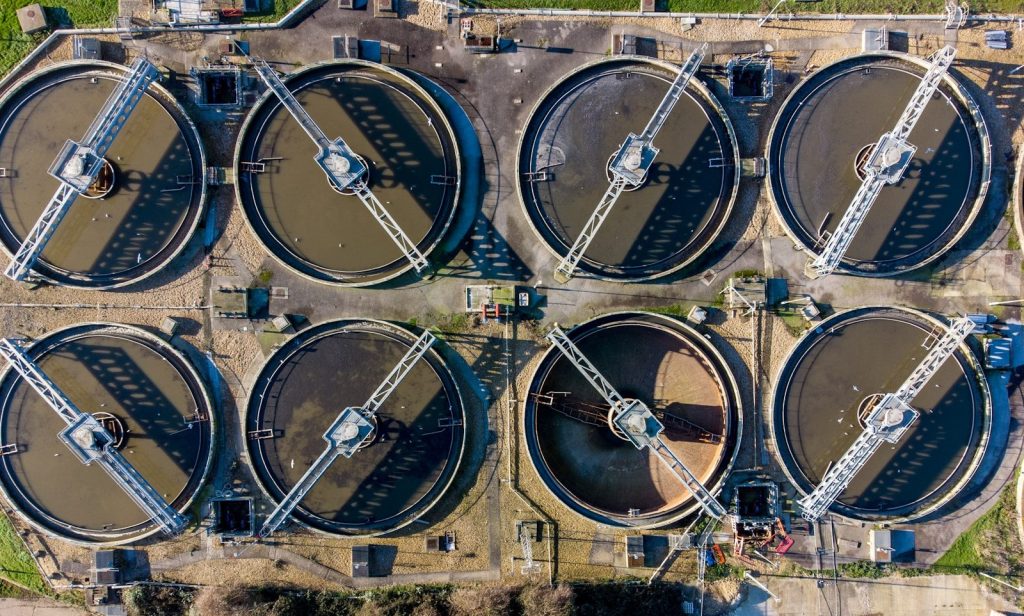
A city in the desert needs water, and there isn’t any in the ground. NEOM will have to rely entirely on massive desalination plants. These plants are expensive to build and require huge amounts of energy to run. If the power goes out, the city dies in hours. Engineers are struggling to create a system that is 100 percent reliable in such a harsh climate. It is a high-stakes gamble with human lives. But is the whole project just a massive PR stunt that went too far?
The Future of the Desert Dream
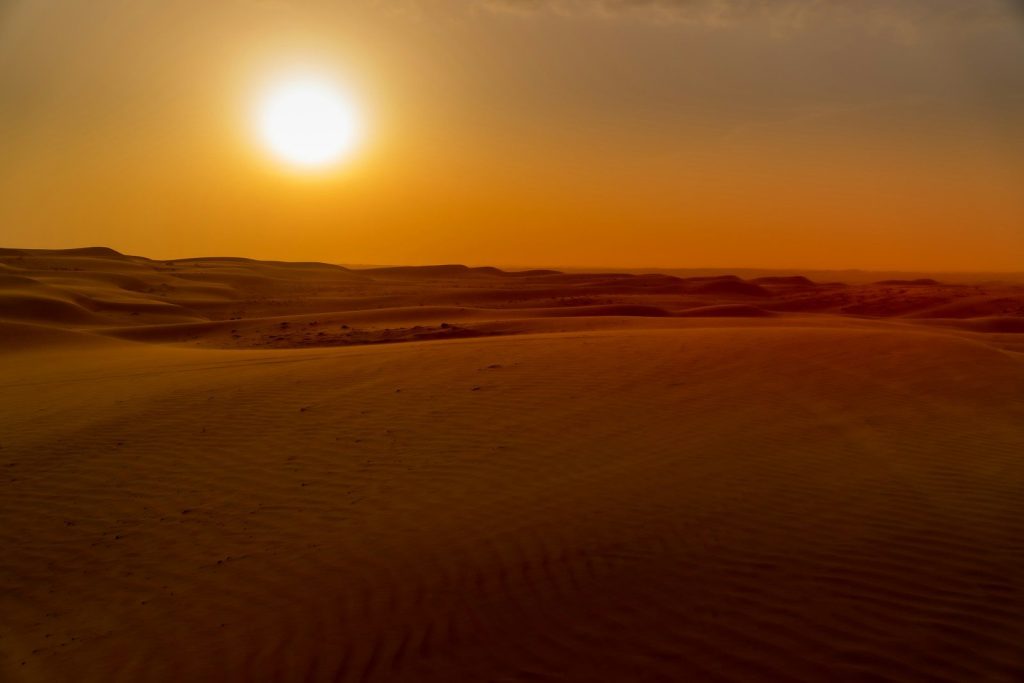
NEOM was supposed to show that Saudi Arabia was ready for a post-oil world. Instead, it is showing the limits of what money can actually buy. The project is a warning to all mega-engineers that nature always has the final word. While parts of the city will eventually be built, the original dream is slowly fading into the sand. We have to decide if we are building for humans or just for a photo op. But while Saudi Arabia builds walls, global factories are making a different kind of change. Are you ready to see why human managers are being fired?
Featured Image: Photo by Arne Backhaus on Unsplash
Leave a Reply