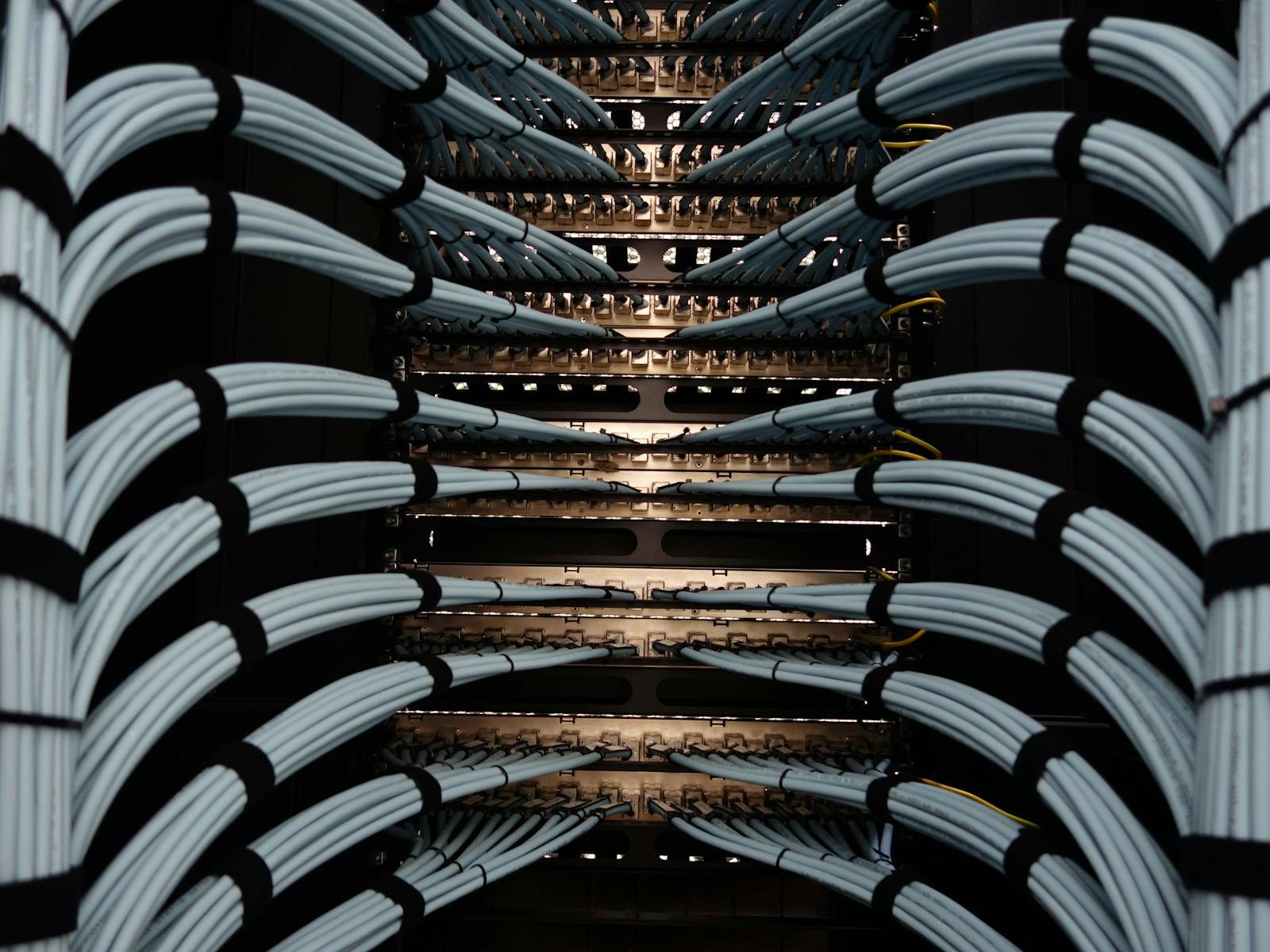
The world is obsessed with Artificial Intelligence, but nobody is talking about the massive utility bill it leaves behind. In 2026, a shocking report revealed that “Hyperscale” AI data centers are now consuming more electricity than entire developed nations like Ireland or Denmark. These giant server farms are the hidden engines of our digital lives, running 24 hours a day to process billions of requests. As we move toward a fully automated future, the strain on the global power grid is reaching a breaking point.
Most people think of the internet as something invisible and weightless. In reality, it is made of millions of hot, hungry machines that require constant cooling and massive amounts of energy. Every time you ask an AI to write an email or generate an image, a small spark of power is pulled from a grid that is already struggling. This isn’t just an environmental concern; it is a matter of national security. Some cities are already seeing “energy blackouts” because the data centers are taking all the available power. But wait until you see the secret cooling methods these giants are using to stay online.
The Secret Liquid Cooling War
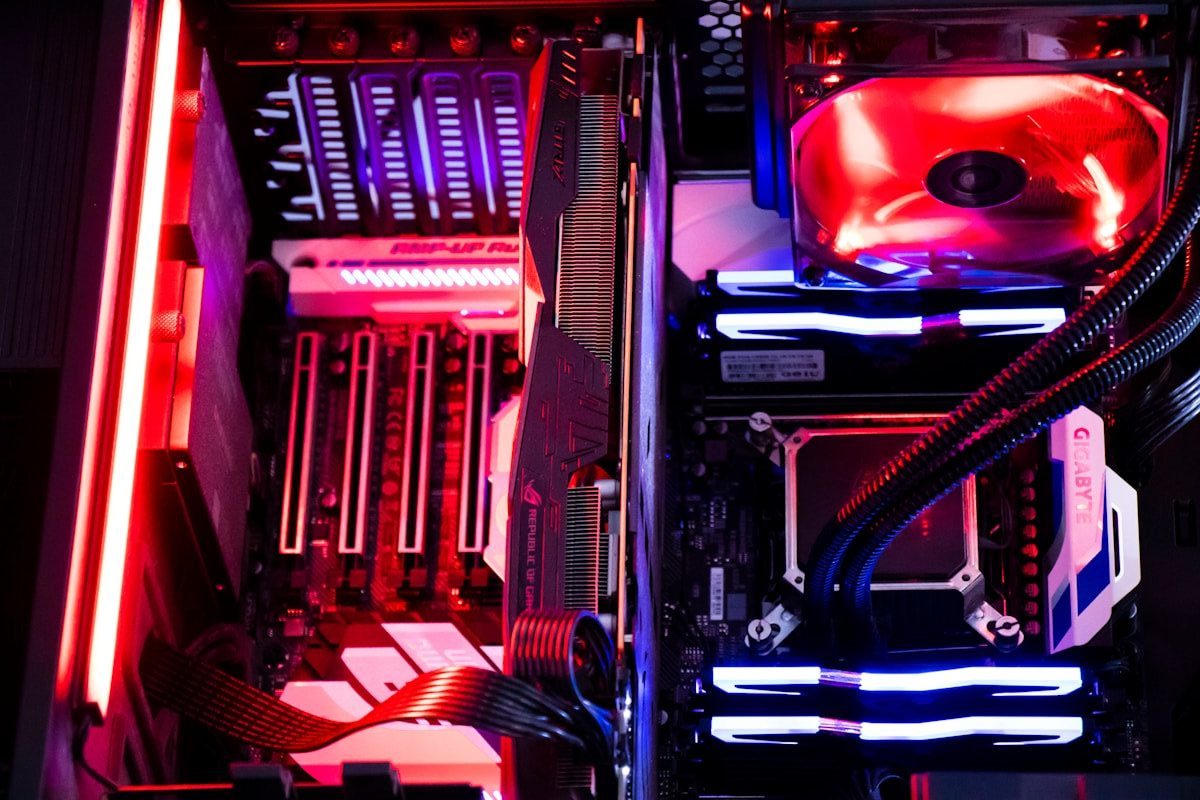
Standard air conditioning isn’t enough to keep a 2026 AI supercomputer from melting. Tech giants are now using “Immersion Cooling,” where entire server racks are submerged in specialized non-conductive fluids. These liquids absorb heat much faster than air, allowing the machines to run at impossible speeds. It looks like a high-tech aquarium, but the cost of this “Synthetic Blood” is staggering. This race for cool air is changing where these centers are built. But why are they moving to the most remote places on Earth?
Moving Data to the Arctic Circle

To save money on cooling, companies are building data centers in the freezing cold of the Arctic. By pulling in the naturally frigid air, they can run their AI models with zero refrigeration costs. These “Frozen Fortresses” are becoming the new gold mines of the North. However, the heat being pumped back out is starting to affect the local permafrost. We are essentially trading a digital upgrade for a melting landscape. But the energy problem is even bigger than just the temperature.
AI vs The Global Crypto Grid

We used to blame Bitcoin for destroying the energy grid, but AI has officially taken the crown. A single AI training run can use as much power as 1,000 households use in a year. While crypto mining is slowing down, the demand for AI is exploding. This has created a “Power War” between digital currencies and intelligent machines. Governments are now being forced to choose which industry gets to keep the lights on. But wait until you see what happens when the local power runs out.
Neighborhoods Living in the Dark
In tech hubs like Northern Virginia and West London, the local residents are starting to feel the squeeze. The power demand from data centers is so high that new housing projects are being delayed because there isn’t enough electricity to go around. People are finding themselves living next to giant, humming warehouses that never sleep while their own streets go dark. It is a manufacturing flaw in our modern urban planning. But can “Small Modular Reactors” save the day?
Nuclear Power for the Cloud
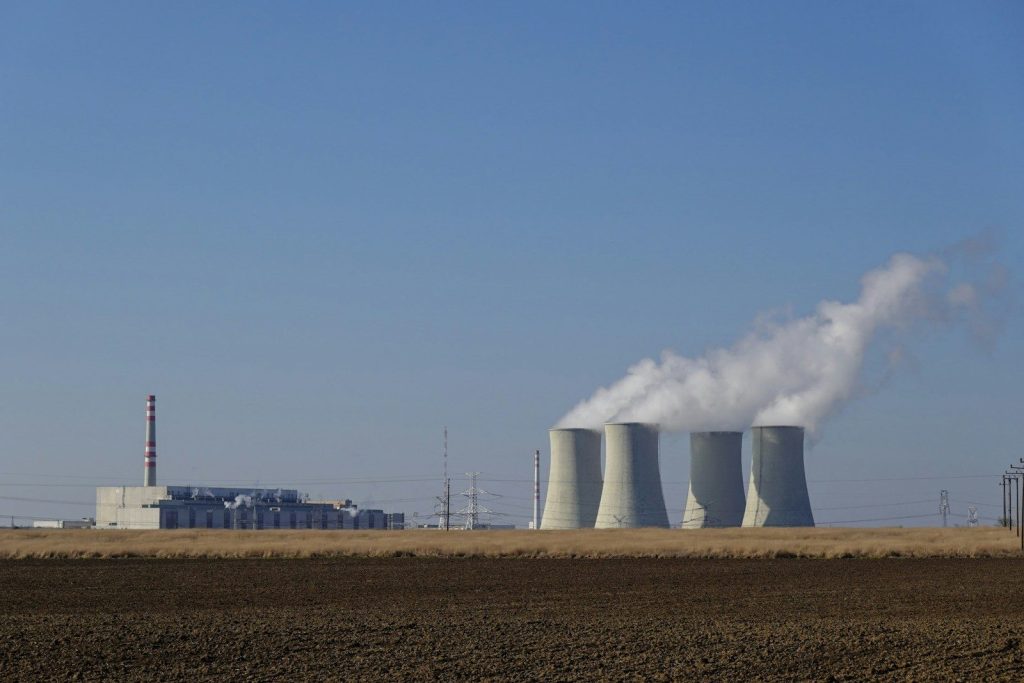
Tech giants are no longer waiting for the government to provide power. They are now building their own private nuclear reactors. These “Small Modular Reactors” (SMRs) are designed to provide constant, carbon-free energy directly to the server racks. It is a radical move that turns tech companies into energy providers. This could solve the power crisis, but it raises terrifying questions about what happens if a private reactor has a “glitch.” But the environmental cost isn’t just about electricity.
The Massive Thirst of the Machine

Energy isn’t the only resource being devoured. These centers require billions of gallons of fresh water to keep their cooling systems running. In drought-prone areas, this has led to a “Water War” between farmers and tech companies. We are essentially choosing between “thirst” and “processing power.” Some experts warn that by 2030, our thirst for AI could lead to a global water shortage. But is there a way to make AI “think” more efficiently?
The Quest for the Lean Brain

Scientists are racing to create “Lean AI” models that require 90 percent less power. By optimizing the code, we might be able to get the same results without crashing the grid. This is the “Holy Grail” of 2026 engineering. If we fail, the AI revolution might just flick the switch on human civilization. We are in a high-stakes race against our own inventions. But wait until you see the next discovery that is changing how we choose our own children.
The Final Verdict on the AI Grid
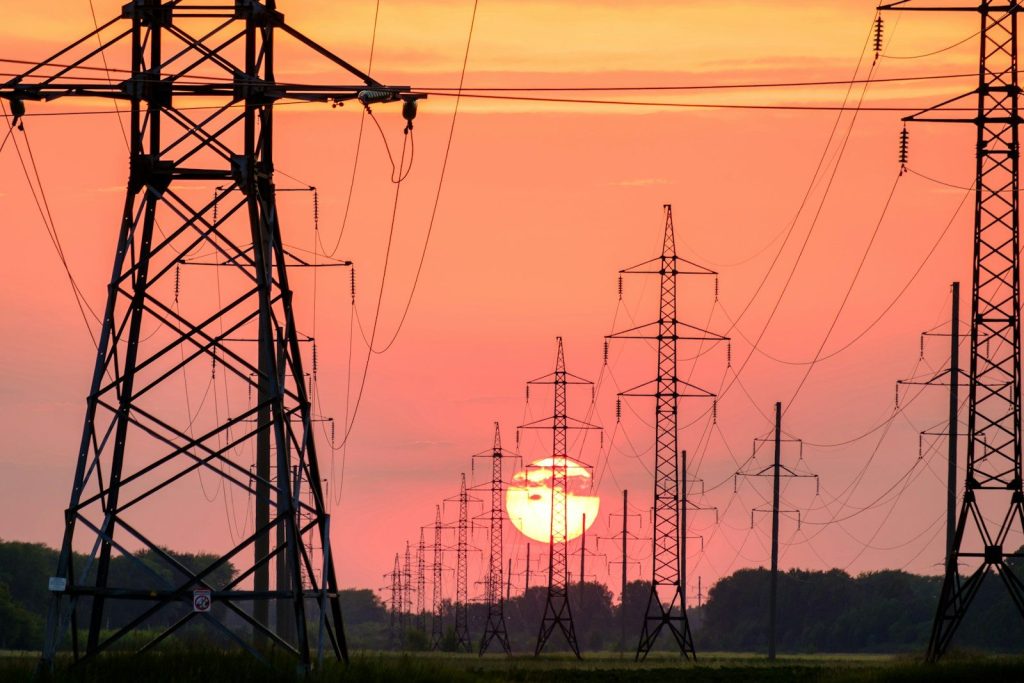
We have reached the end of the “infinite resource” era. The AI data centers of 2026 are a wake-up call for the planet. We have to decide if the convenience of digital intelligence is worth the physical cost to our world. The future is bright, but it is also incredibly hungry. Stay curious, because the next big breakthrough is already hitting the news. Are you ready for the “Embryo Scoring” technology that is terrifying the medical world?
Featured Image: Photo by panumas nikhomkhai on Pexels
Leave a Reply