
Big Tech used to look almost unstoppable because its biggest companies had mountains of cash. But the AI race is changing the rules. Building smarter tools now means building massive data centers, buying expensive chips, securing power, and expanding cloud capacity at a pace few industries have ever seen.
That is why companies like Amazon, Microsoft, Alphabet, Meta, and Oracle are turning more often to debt markets. Cash still matters, but it is no longer enough on its own. The next stage of AI will be fought with software, servers, electricity, and billions in borrowed money.
Cash is no longer enough

For years, the biggest tech companies could fund huge projects mostly from the cash their businesses generated. AI has changed that math. Building the next wave of data centers, chips, servers, and power systems now costs far more than ordinary expansion.
That is why borrowing has become a bigger part of the plan. J.P. Morgan estimates that AI-linked data center and hyperscaler borrowing has reached about $455 billion across 27 issuers, with Amazon, Microsoft, Alphabet, Meta, and Oracle tied to a large share of it.
AI needs physical muscle

AI may feel like software, but it depends on massive real-world infrastructure. Every chatbot, search tool, coding assistant, and image model needs powerful chips, cooling systems, fiber connections, backup power, and large buildings packed with servers.
That is the expensive part many people do not see. As AI tools spread into phones, workplaces, shopping, search, and cloud services, Big Tech needs more capacity before customers even ask for it. That means companies are spending now and hoping the payoff comes later.
Spending keeps climbing fast

The AI buildout is moving at a pace that would have sounded extreme just a few years ago. Recent reports show major tech firms planning hundreds of billions of dollars in 2026 capital spending, with some estimates placing combined hyperscaler spending above $700 billion.
That money is not just going toward flashy AI apps. Much of it is being poured into data centers, chips, networking gear, energy contracts, and cloud capacity. These are the foundations needed to keep AI services fast, available, and competitive.
Bond markets become key

When companies borrow at this scale, bond markets become part of the AI story. Big Tech can sell bonds to investors, then use that money to fund long-term projects without draining all of its cash at once.
That approach gives companies more flexibility. It also gives bond buyers a wide range of choices, because different deals can carry different timelines, rates, and risks. AI is no longer just reshaping tech products. It is also changing how large companies raise money.
Oracle faces big demand

Oracle stands out because it is trying to expand its cloud business quickly. Reports have tied the company to large financing needs as it builds capacity for major AI and cloud workloads. J.P. Morgan’s estimate linked Oracle to about $133 billion in debt sales.
The reason is simple: cloud providers need enough data center space to serve customers that want powerful AI systems. If demand keeps rising, the companies with enough capacity may have an edge. If demand slows, the debt load becomes harder to justify.
Meta builds more capacity

Meta is also spending heavily on AI infrastructure, even though it does not rent out cloud servers the same way Amazon, Microsoft, Google, or Oracle do. Its AI needs are tied to products such as social platforms, ads, recommendation systems, and new AI features.
J.P. Morgan linked Meta to about $89 billion in borrowing, including some financing connected to data center arrangements outside its balance sheet. Reuters also reported that Meta was working on a roughly $13 billion financing package for a data center in El Paso, Texas.
Global borrowing is growing
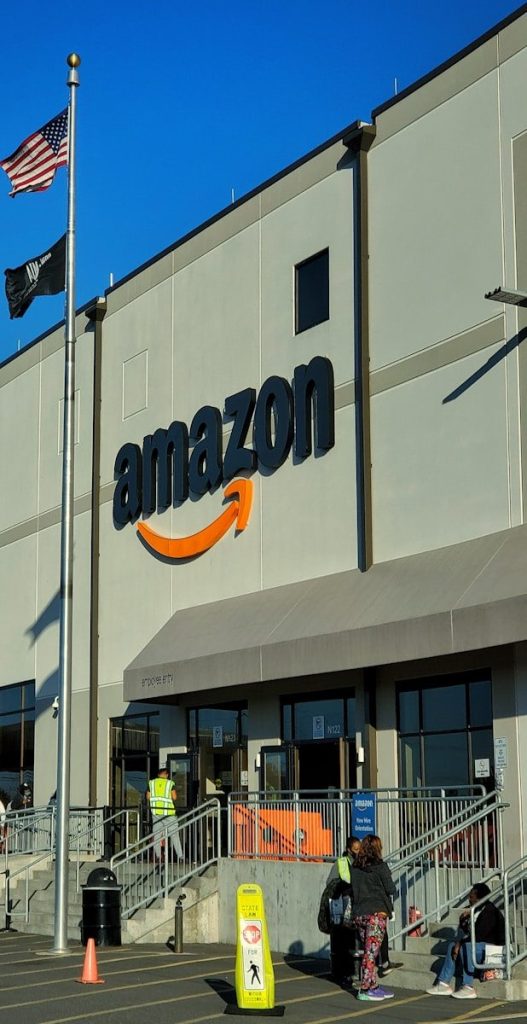
Big Tech is not only borrowing in the U.S. Reuters reported that Alphabet and Amazon have turned to overseas debt markets as AI infrastructure costs keep rising. Alphabet planned a yen bond sale, while Amazon prepared a Swiss franc bond sale.
That shows how global this funding race has become. These companies are looking for money wherever markets are open and attractive. AI may be built in data centers, but the financing behind it can stretch across countries and currencies.
Investors want a payoff

The big question is whether all this spending will pay off. Investors are watching closely because AI projects can cost billions before they produce clear profits. Data centers take time to build, and customers must keep paying for AI services at high enough levels.
Some analysts have warned that AI spending could pressure cash flow and reduce money available for buybacks or dividends. Still, Big Tech is betting that falling behind would be more costly than borrowing to stay ahead.
Energy becomes part of AI
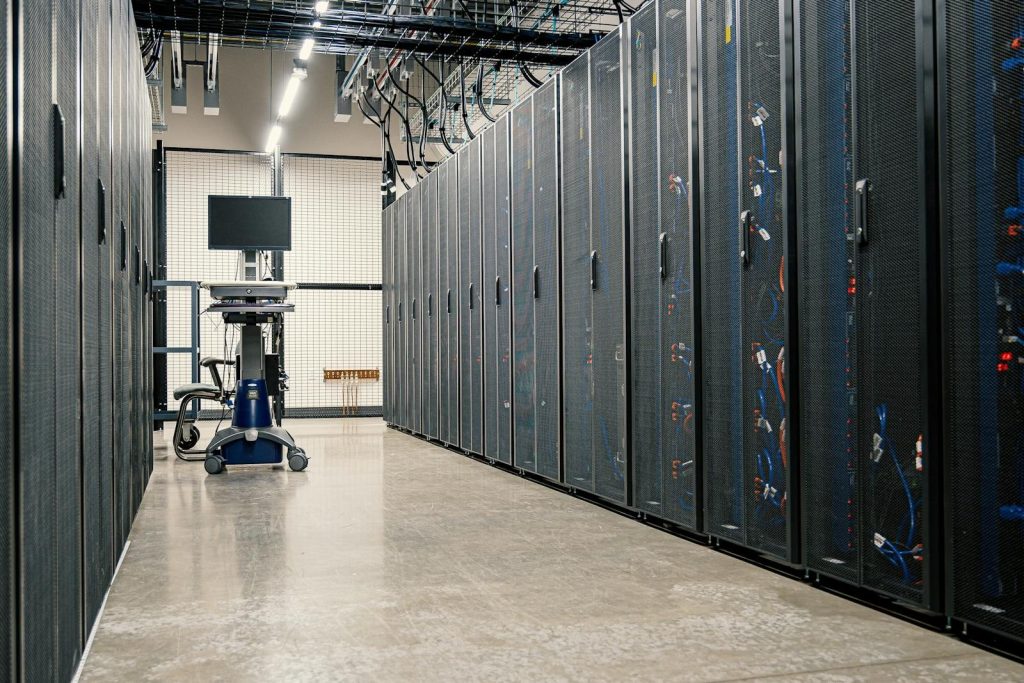
AI data centers need a lot of electricity. That makes power supply, cooling, grid connections, and backup energy a major part of the spending plan. A company cannot run advanced AI systems without reliable energy powering them.
This is why the AI boom now reaches beyond Silicon Valley. Utilities, construction firms, chip suppliers, cooling companies, and infrastructure investors are all connected to the same buildout. The race is not only about better models. It is also about who can power them.
The race is still open

Borrowing billions does not guarantee success. Some companies may build the right capacity at the right time. Others may spend too much before demand is clear. That is why the AI boom is exciting, but also risky.
For now, Big Tech appears willing to keep pushing. The companies leading AI believe scale matters, and scale costs money. Their message is clear: the future of AI will not be won with software alone. It will also be won with capital, concrete, chips, and power.
Leave a Reply