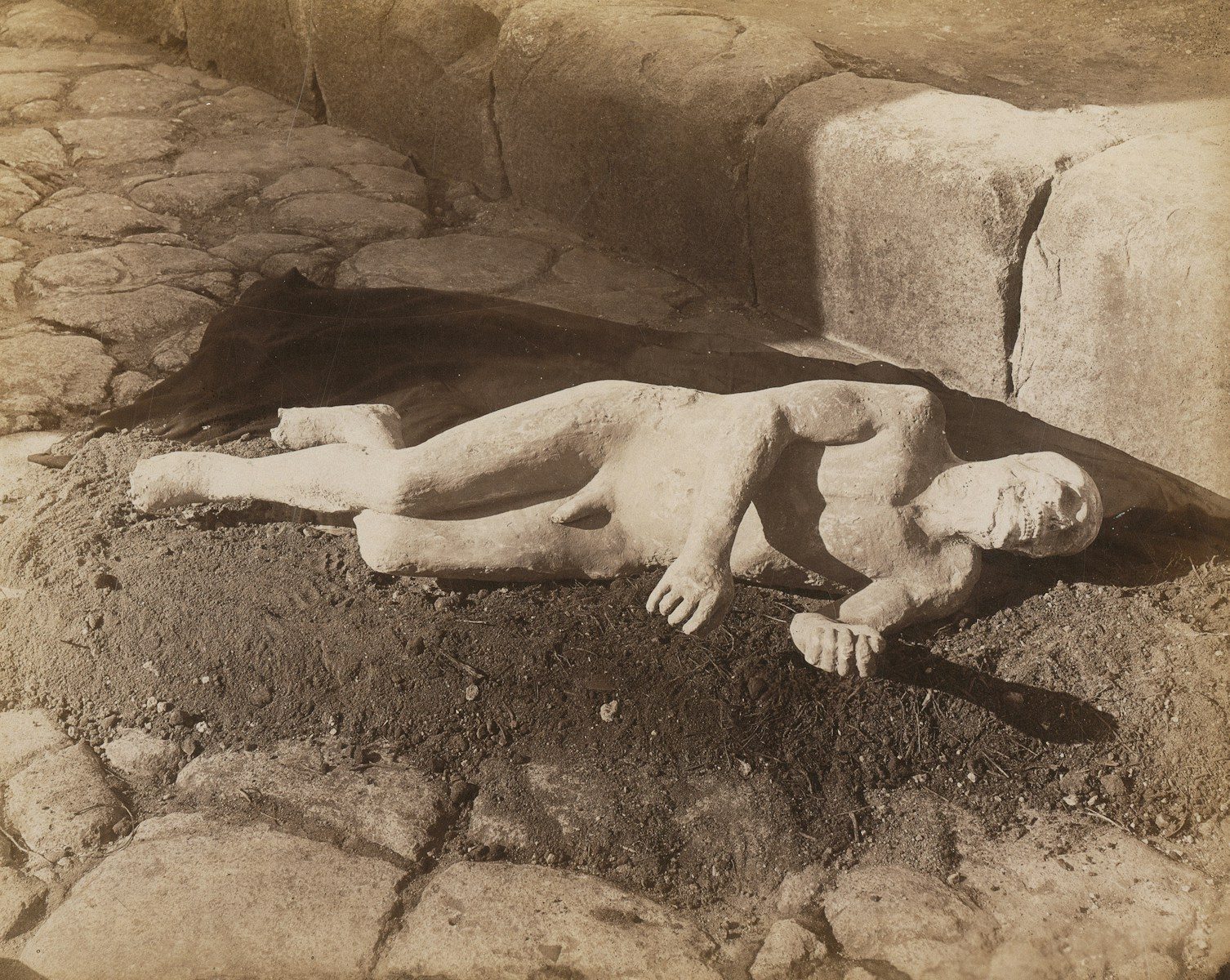
Deep in the Altai Mountains of Siberia, a team of archaeologists has just cracked open a portal to a forgotten world. They have discovered a massive, undisturbed tomb belonging to the Scythians—the legendary nomadic warriors who terrified the ancient Greeks. Because the tomb was built into a permafrost zone, it has acted as a giant natural refrigerator for over 2,300 years. This isn’t just a site of old bones; it is a time capsule of “eerie” perfection.
Inside, researchers found the mummified remains of royalty, still wearing their clothes and covered in intricate tattoos that look like they were inked yesterday. The Scythians were known for their love of gold and their brutal rituals, and this tomb contains both in shocking amounts. From gold-plated horses to masks made of human skin, the relics are a grim reminder of a culture that lived and died by the sword. But how did these items stay so perfect for two millennia?
The Secret of the Frozen Mound
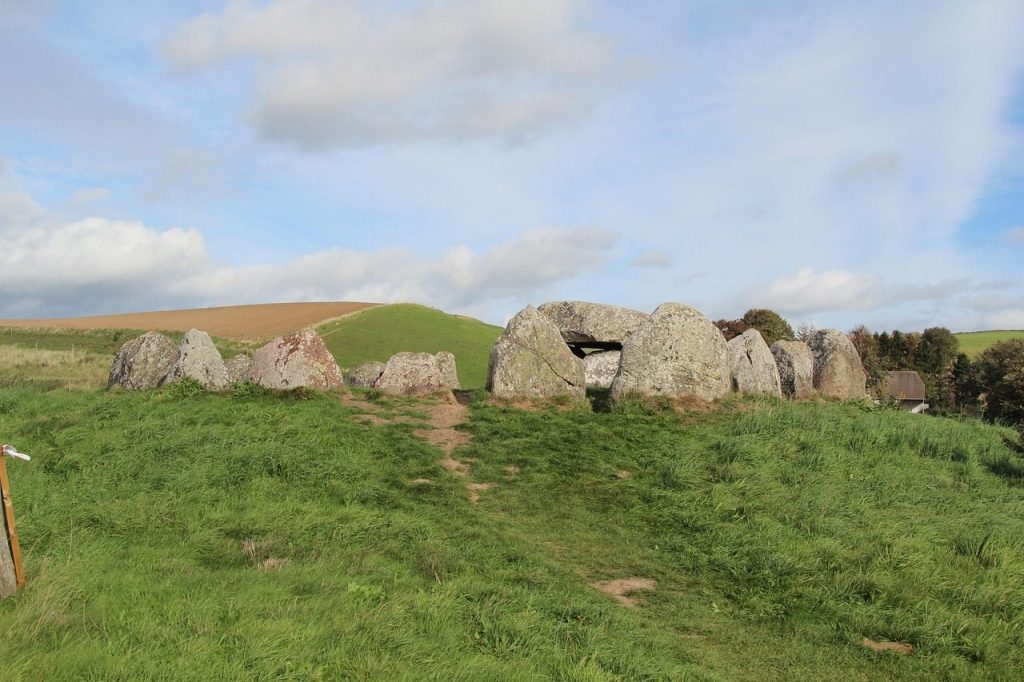
The Scythians built their tombs, called “Kurgans,” by stacking stones over a wooden burial chamber. In the Altai region, rainwater would seep into the stones and freeze. This created a permanent block of ice inside the tomb that never melted, even in summer. This “frozen shield” prevented bacteria from breaking down organic materials. We are finding leather, wood, and silk that are as strong as the day they were buried. But the most disturbing find was the skin.
Tattoos of the Ancient Dead
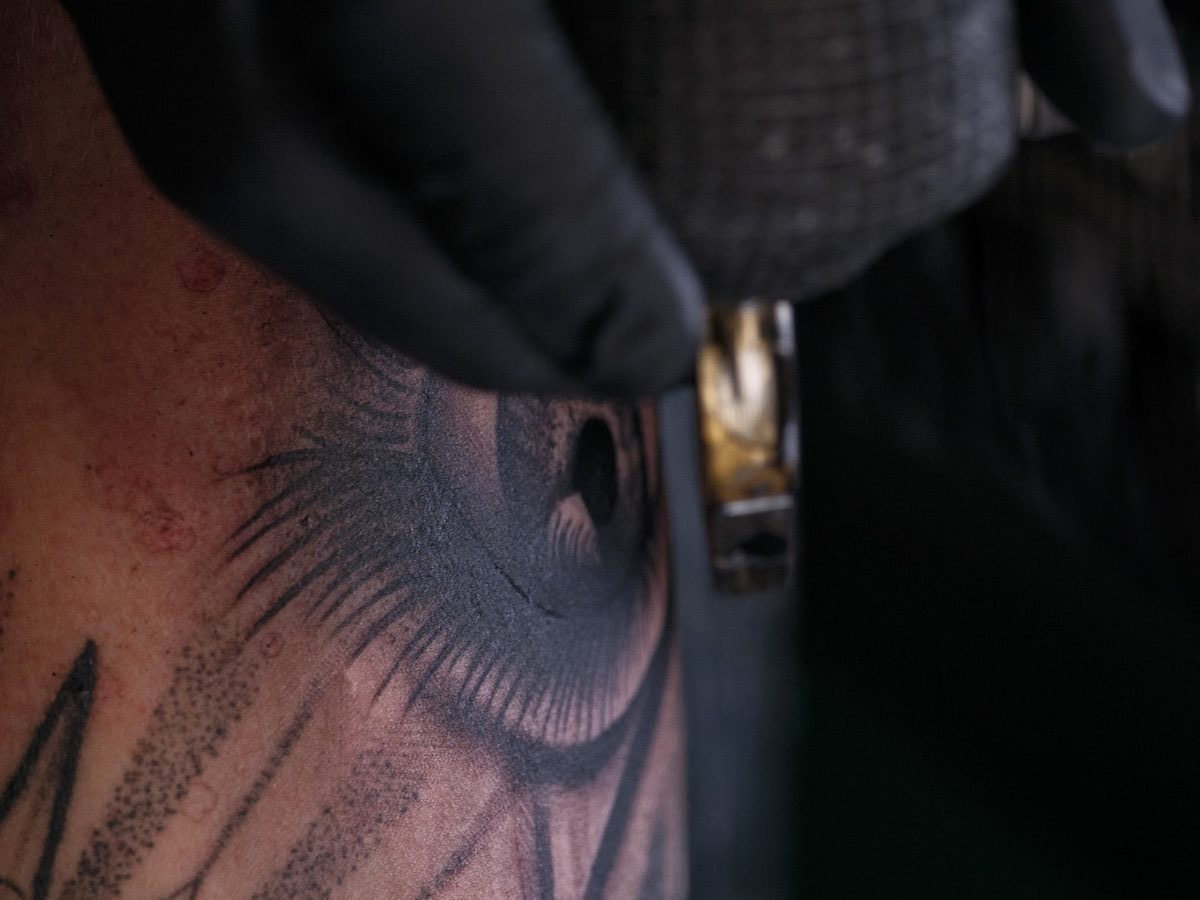
One of the mummies in the tomb is a high-ranking warrior whose entire body is covered in complex tattoos. The designs feature mythical creatures like griffins and “monstrous” deer with flowering antlers. For the Scythians, these tattoos weren’t just art; they were a map of the warrior’s life and rank. The ink has stayed so clear that scientists can actually see individual needle marks. But wait until you see the gold-covered companions that were found next to him.
Horses Built for the Afterlife
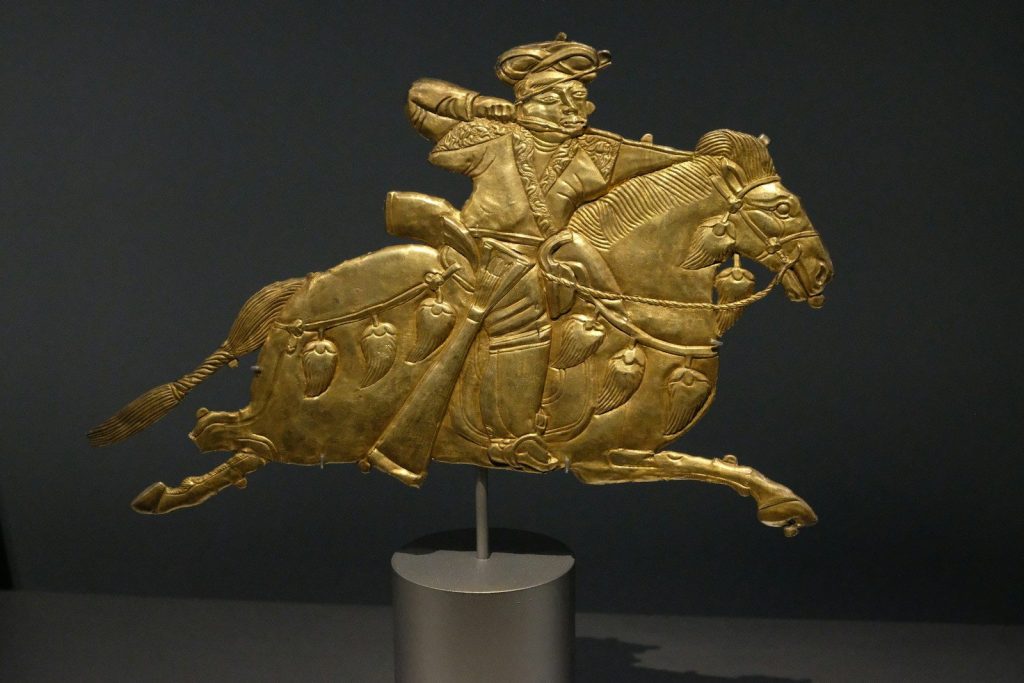
The Scythians believed that a warrior needed his horses in the next world. In this tomb, eighteen horses were found sacrificed and placed in a circle around the main chamber. Each horse was wearing a “costume” made of gold and silver. Some wore masks that turned them into dragons or reindeer. These weren’t just work animals; they were spiritual guides designed to fly the king to the stars. But the humans weren’t the only ones wearing masks.
The Eerie Face of the Shaman
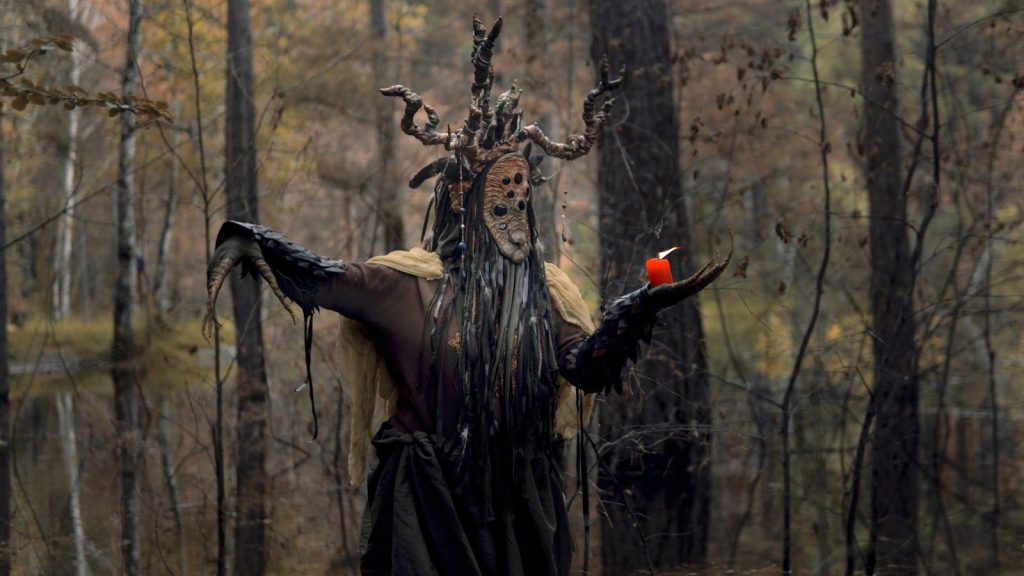
In a smaller side chamber, researchers found a set of masks made from processed leather and real human hair. These were likely used by shamans during the burial ceremony. The Scythians were famous for using hemp and “magic” herbs to enter trances before talking to the dead. The masks have a terrifying, frozen expression that was meant to scare away evil spirits. It is a level of ritualism that feels like it belongs in a movie. But why did they need so much gold?
A King’s Ransom in Gold

The tomb is packed with hundreds of small gold plaques that were once sewn onto the royal clothing. These plaques depict scenes of lions attacking stags and warriors in battle. The Scythians were master goldsmiths, but they had no permanent cities. They carried their entire bank account on their backs. Finding this much gold in one spot is a miracle, as most Scythian tombs were looted centuries ago. But there is a hidden danger in the tomb that still works.
Weapons Still Sharp Enough to Kill
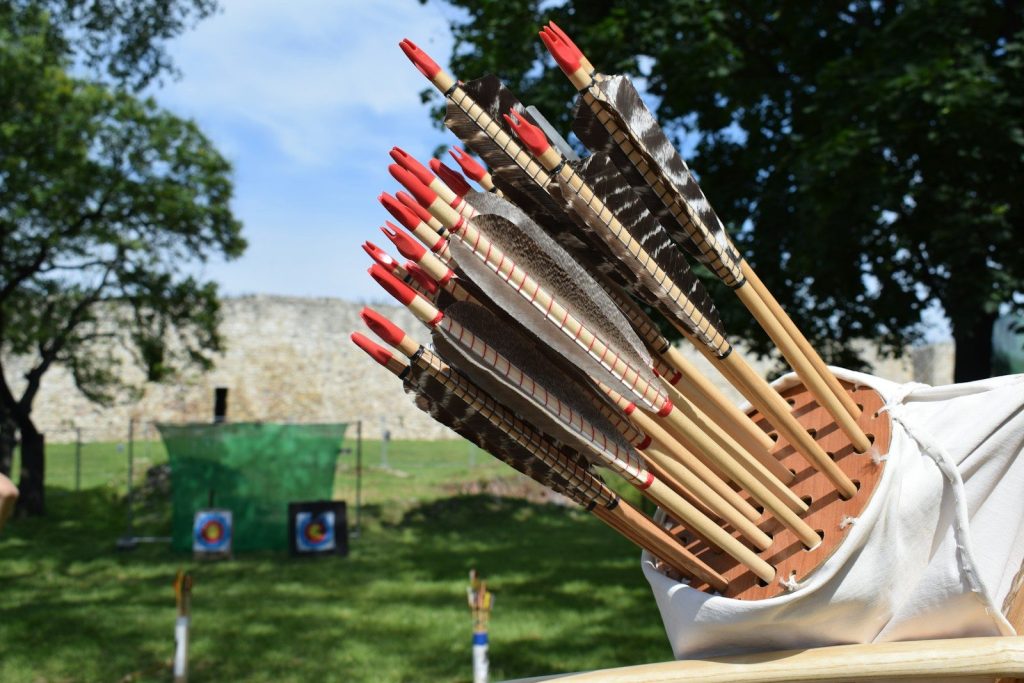
The researchers also found a “Gorytos,” which is a combined bow-case and quiver, still full of arrows. The tips of these arrows are coated in a dark, sticky substance. In the ancient world, Scythian archers were famous for using “deadly venom” made from snake blood and rotted human remains. Even after 2,300 years, the residue is being handled with extreme caution. The warriors are still guarding their king. But wait until you see the secret message hidden in the “Knot” found under a modern city.
The Future of the Scythian Legacy
The excavation of this frozen Kurgan will take another five years. Scientists are using 3D scanners to map the mummies’ internal organs before the ice melts. Every relic tells a story of a culture that was both beautiful and terrifying. We are finally learning the truth about the “ghosts of the steppe.” But while we dig in the mountains, a construction crew in a busy city just hit a “Solomon’s Knot” that has been waiting to be solved.
Leave a Reply