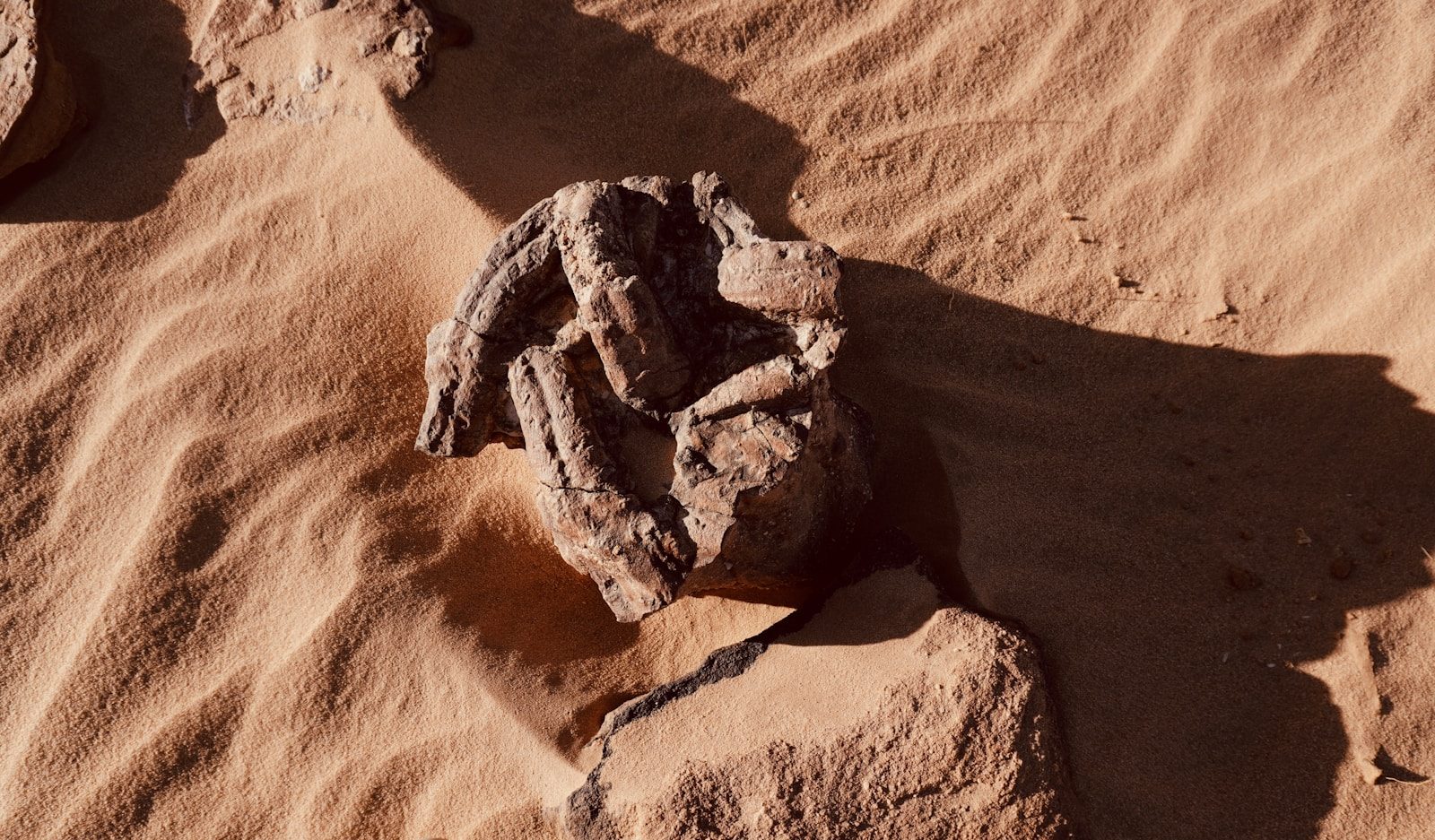
A typical afternoon walk in the desert just turned into a historical sensation. An 8-year-old boy playing near his home has made the discovery of a lifetime. While exploring a dry riverbed, he spotted a smooth, white stone that looked out of place among the jagged rocks. After brushing away the dust, he realized he was looking at a face staring back at him from the dirt. He had found a perfectly preserved marble head of a Roman god, dating back over 1,700 years.
Archaeologists were called to the scene immediately and were stunned by the quality of the carving. This isn’t just a fragment; it is a high-status piece of art that suggests a much larger, hidden complex might be buried right beneath the sand. The boy’s sharp eyes have opened a new chapter in local history that experts didn’t even know existed. But the real mystery is why this specific god was found so far from any known Roman city. Wait until you see which deity it actually represents.
A Face Frozen in Time
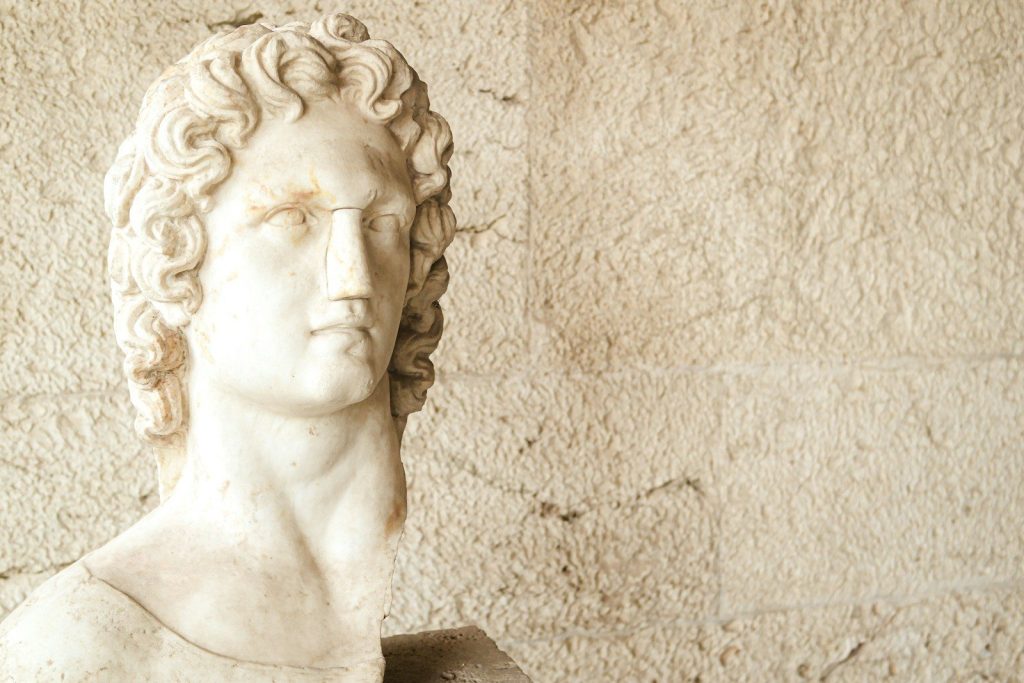
The statue head is made of fine Mediterranean marble, a material that had to be imported from thousands of miles away. It depicts a young man with curly hair and a crown of laurel leaves. Experts believe it represents Apollo, the god of light and music. The craftsmanship is so detailed that you can still see the pupils of the eyes and the texture of the hair. It is a masterpiece that has survived centuries of erosion and war. But how did it end up in a remote desert wash?
The Secret of the Ancient Villa
Shortly after the boy found the head, ground-penetrating radar revealed something massive. Just a few feet below the surface where he was playing lies the foundation of a sprawling Roman villa. It appears that a wealthy official once lived in this remote outpost, bringing his expensive art and luxury lifestyle with him. The villa features at least twelve rooms and traces of a private bathhouse. But the researchers found something even more valuable than marble in the next room.
Gold Coins in the Dust

Inside what was likely the villa’s treasury, archaeologists discovered a hoard of gold coins. These coins date to the reign of Emperor Diocletian, which helps pinpoint exactly when the villa was abandoned. The coins are in “mint” condition, meaning they hadn’t circulated much before they were buried. It looks like the owner left in a great hurry, leaving their fortune behind. The question is, what were they running from?
A Sudden Escape from Danger
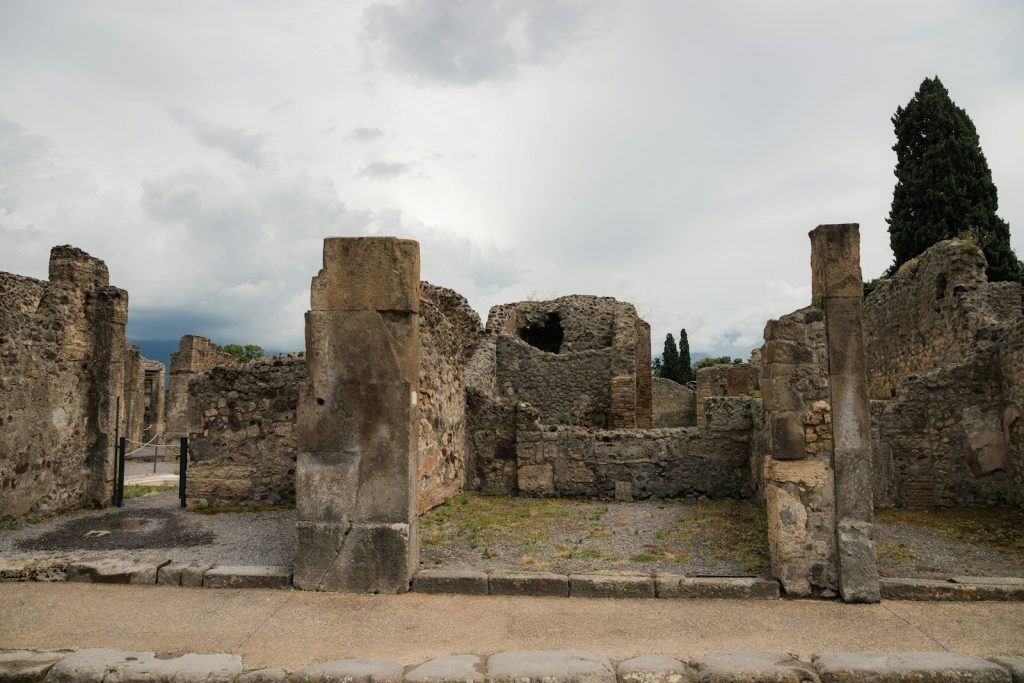
Evidence of charring on the walls suggests the villa was attacked. Around 300 AD, the Roman borders were becoming unstable, and nomadic tribes were frequenting the area. The high-status owner likely fled the moment the first signal fires appeared on the horizon. They grabbed what they could, but the heavy marble statue of Apollo was left to fall into the dirt. But wait until you see the “protection” the owner left at the front door.
The Guardian of the Threshold
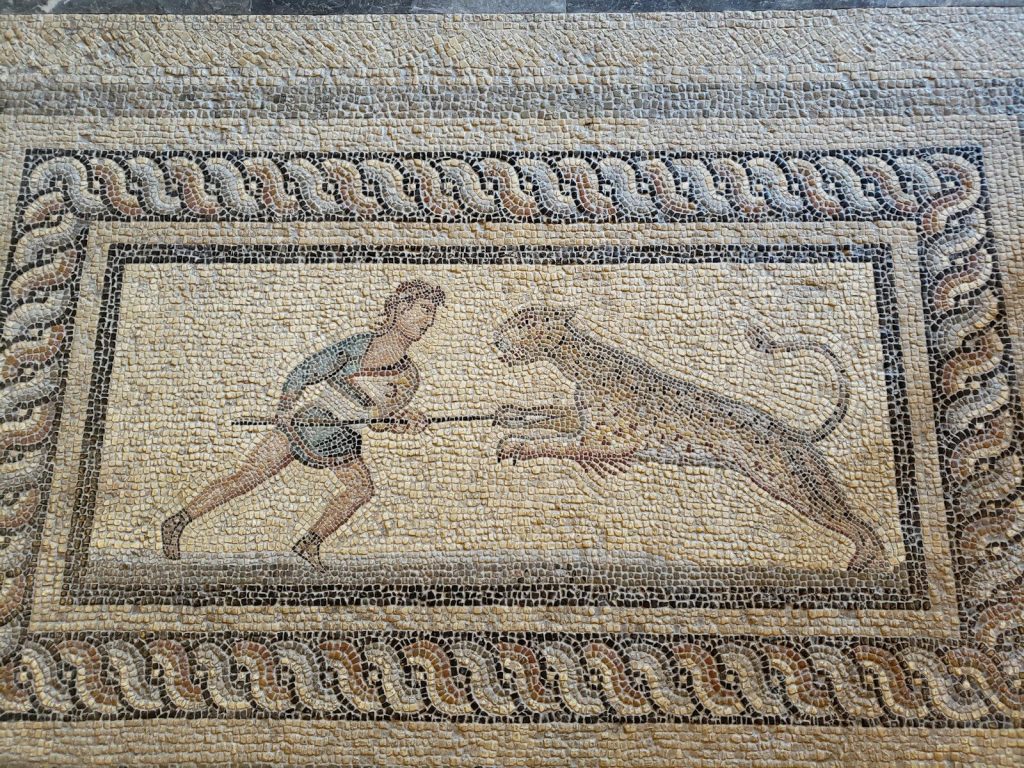
At the entrance of the villa, a stunning mosaic floor was uncovered. It depicts a guard dog with the Latin words “Cave Canem” (Beware of the Dog). Even in the middle of the desert, Roman citizens were obsessed with security and style. The colors of the stones are still vibrant after being shielded from the sun for 1,700 years. This discovery shows that the desert was once a place of high fashion and international trade. But what happened to the boy who found it all?
From Playtime to National Hero
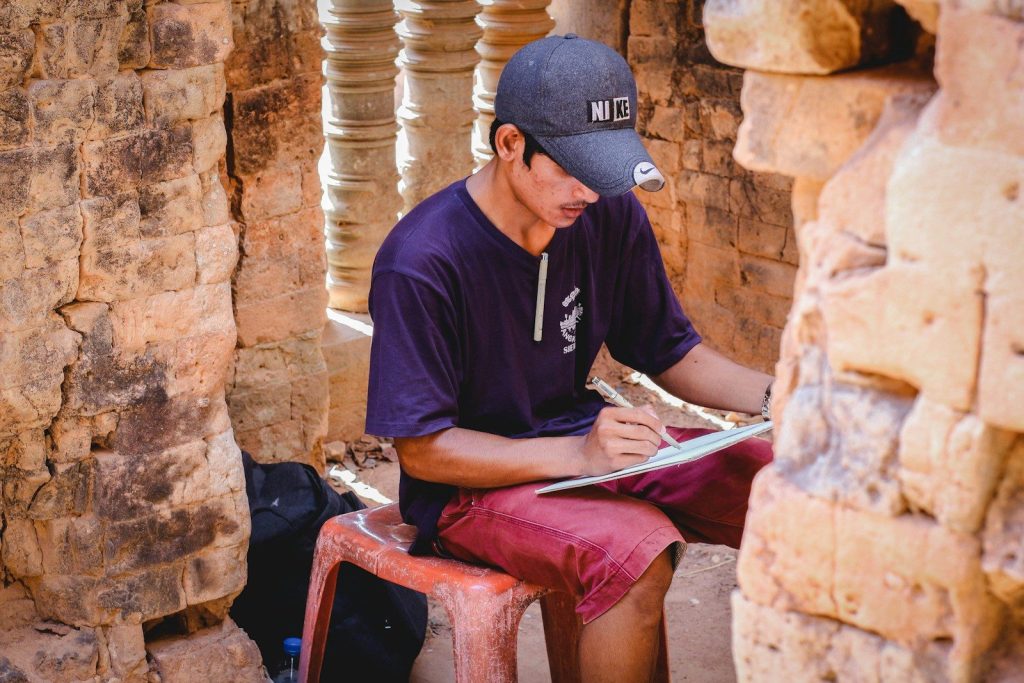
The 8-year-old discoverer is now a local celebrity. The government has awarded him a certificate of honor for his “archaeological intuition.” He says he wants to be a historian when he grows up, but for now, he’s just happy his “weird stone” turned out to be a god. The site is now a protected national monument, and digging will continue for years. But while the Romans were building villas, another culture was changing the world on horseback.
The Legacy of the Find
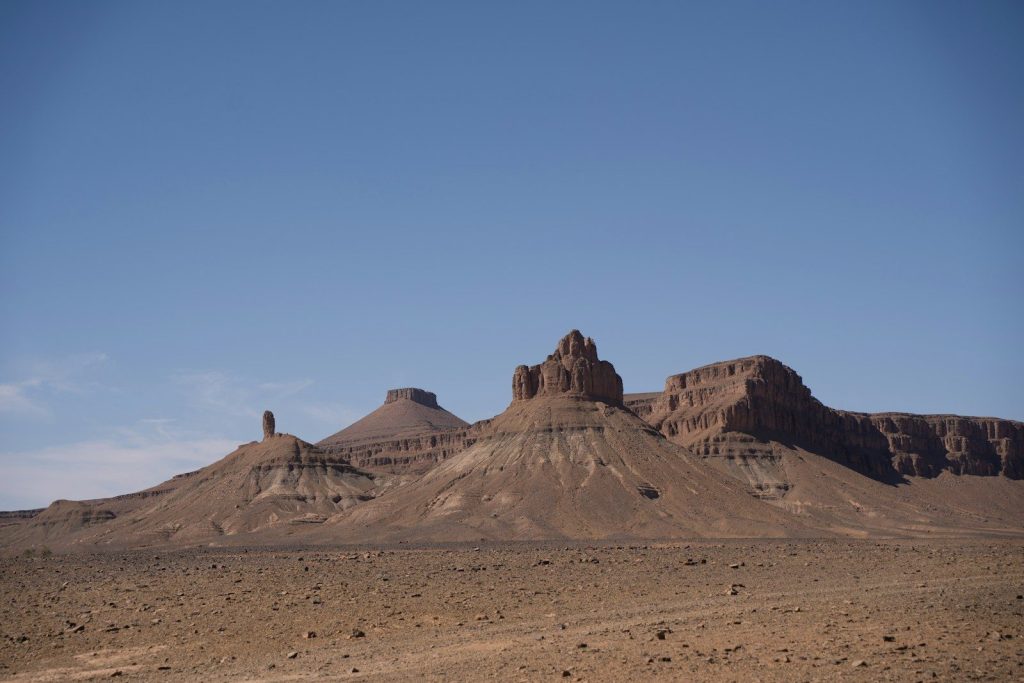
The discovery of the Roman god has changed how we view the ancient frontier. It proves that Roman influence was much wider and more permanent than we previously thought. Every artifact pulled from the dirt tells a story of survival and ambition. The desert still holds thousands of secrets, and this 8-year-old just proved that anyone can find them. But are you ready for the new proof that says our history books have the dates of horse riding all wrong?
Featured Image: Photo by Azzedine Rouichi on Unsplash
Leave a Reply