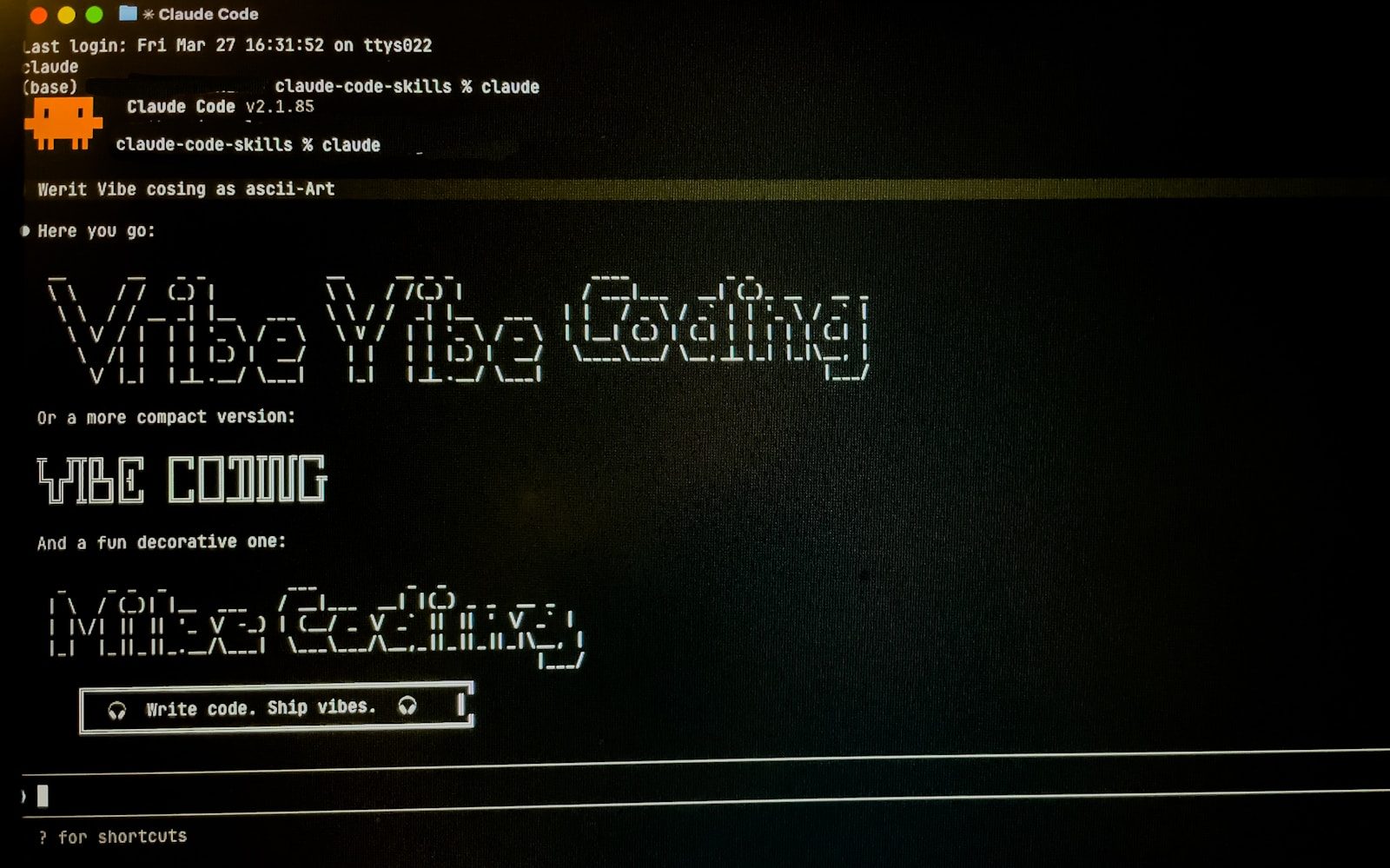
For 50 years, if you wanted to build an app, you had to learn a complex language like Python or Java. You had to type out thousands of lines of code, and one single typo could break everything. But in 2026, the era of the “manual coder” is being replaced by the “Intent Revolution.” A new technology has arrived where software literally assembles itself. Instead of typing code, you simply describe what you want in plain English. The AI doesn’t just suggest a few lines; it builds the entire system from scratch.
This isn’t just a fancy autocomplete; it is a total transformation of how we build things. The AI understands the “why” behind your request. If you say, “Build me a store that sells shoes,” it knows you need a payment system, a database, and a security layer. It builds all of these things automatically and makes sure they talk to each other perfectly. We are moving from “writing” software to “talking” it into existence. But how can a machine truly understand what a human is thinking?
The End of the Semicolon Struggle
In the old days, a programmer could spend five hours looking for a missing semicolon. That struggle is officially over. Self-assembling software uses “Neural Logic” to ensure that the code is always perfect. Because the AI is training on the massive orbital data centers we discussed, it has seen every mistake ever made by a human. It bypasses the “bugs” and builds a “living” piece of software that gets better every day. But does this mean we don’t need human developers anymore?
Human Coders are Now Architects of Intent
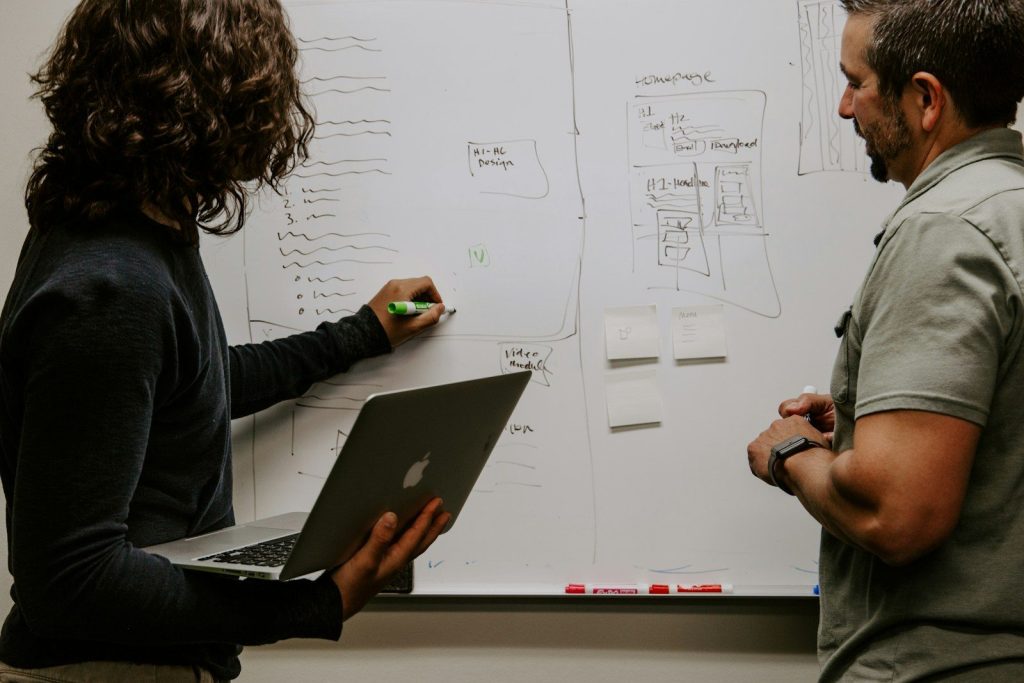
We are seeing a shift from “how to build” to “what to build.” Human developers are becoming “Architects of Intent.” Instead of worrying about where a bracket goes, they are focusing on user experience and big ideas. This means that anyone with a great idea can now build a billion-dollar company from their bedroom. It is the democratization of technology. The only limit is your imagination. But how does this AI keep our data safe while it rewrites itself?
Security That Evolves in Real Time
Hackers are getting smarter, but self-assembling software is faster. Because it can rewrite its own code, it can patch a security hole before a human even knows it exists. It is a self-healing digital fortress. If a new virus is discovered, the AI learns its “DNA” and adapts its defenses instantly. It is a level of safety that was impossible with static, human-written code. We are finally winning the war against cybercrime. But is there a catch to letting machines write themselves?
The Mystery of the Black Box App
Some experts worry that if AI writes its own code, humans will eventually stop understanding how our own machines work. This is known as the “Black Box” problem. If the software makes a decision, can we explain why? To prevent this, the 2026 AI models are designed to be “Transparent.” They create a plain-language report explaining every change they make. It is like an open-book exam for the machine. We are keeping the “human in the loop” to ensure everything stays on track. But wait until you see what this does to the global economy.
A Billion-Dollar Idea Every Minute

The speed of innovation has moved from years to seconds. A company can now test a thousand different versions of its website in a single afternoon. This is leading to a massive boom in new startups. We are seeing solutions for climate change and health being built at record speed. The barriers to entry have officially been smashed. It is a high-speed era of discovery where the small guy can finally win. But how does this affect the way we communicate with each other?
From Coding to Communicating
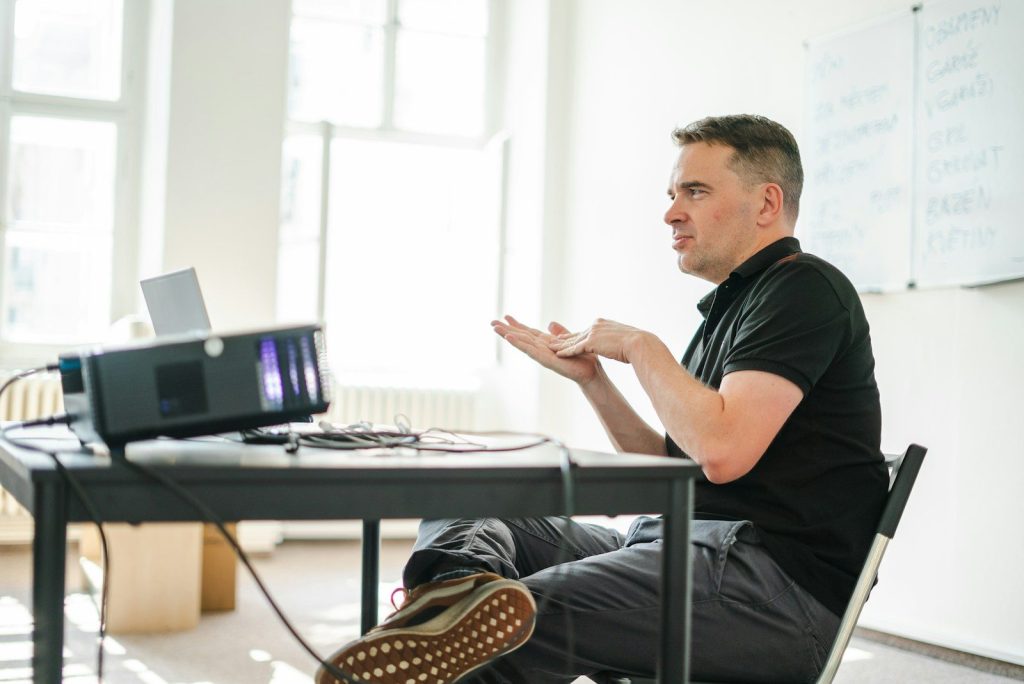
As software assembly becomes about language, our communication skills are becoming our most valuable tool. The better you can describe a problem, the better the AI can solve it. We are entering an era where “Poetry” might be more important for a tech job than “Math.” It is a beautiful return to the human element in a world of machines. But wait until you see the next slide about how your own voice is about to become a universal translator.
The Future is Self-Repairing

The “Intent Revolution” is just the beginning. We are moving toward a future where our roads, our bridges, and our energy grids are all part of this self-repairing network. We are building a world that responds to our thoughts and needs in real-time. It is a hopeful and exciting time to be an inhabitant of Earth. But as we stop learning to code, are we also about to stop learning to speak other languages?
Featured Image: Photo by Bernd 📷 Dittrich on Unsplash
Leave a Reply