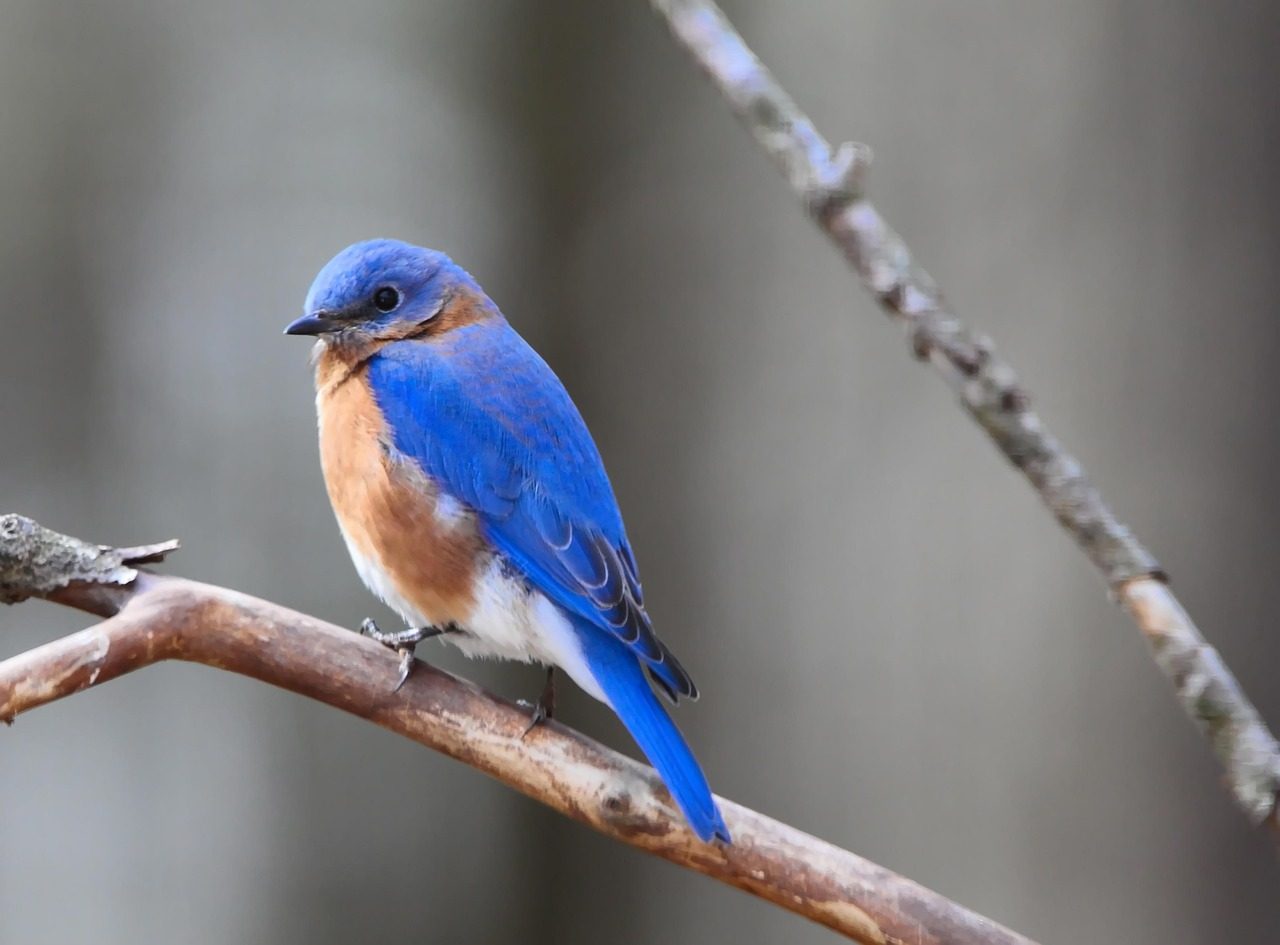
Blue is the rarest color in nature. While you might see a bright blue jay or a mountain bluebird in your backyard, you are actually looking at a scientific lie. Unlike red, yellow, or brown, which come from pigments in the feathers, there is no such thing as “blue pigment” in birds. If you were to take a blue feather and grind it into powder, the powder would be a dull, dark gray. The blue you see is a masterpiece of physics known as “structural color.”
This discovery is hitting the news as a major win for biomimicry. Scientists are studying bird feathers to create “paint that never fades” and screens that use zero energy. We are looking at a world where the most beautiful things we see are actually tricks of the light. It turns out that the bluebird is essentially a living prism. But how does a piece of protein actually “create” a color out of thin air? Wait until you see the microscopic structures hiding in the wings.
The Secret of the Tyndall Effect
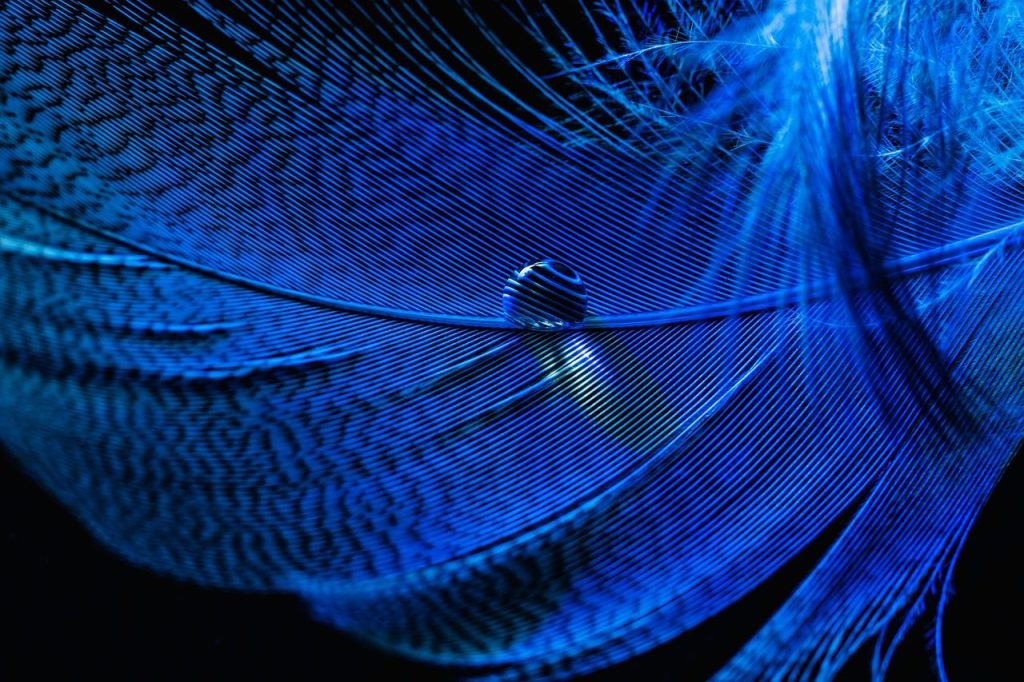
Bird feathers are made of keratin—the same stuff as your fingernails. In “blue” birds, the keratin is full of millions of tiny air pockets. When sunlight hits these pockets, the shorter wavelengths of light (blue) are scattered in every direction, while the longer wavelengths (red and yellow) are absorbed by a layer of dark melanin underneath. This is called the Tyndall effect. It is the same reason the sky looks blue. The bird is literally wearing a piece of the sky. But wait until you see what happens when the sun goes down.
The Disappearing Act at Sunset
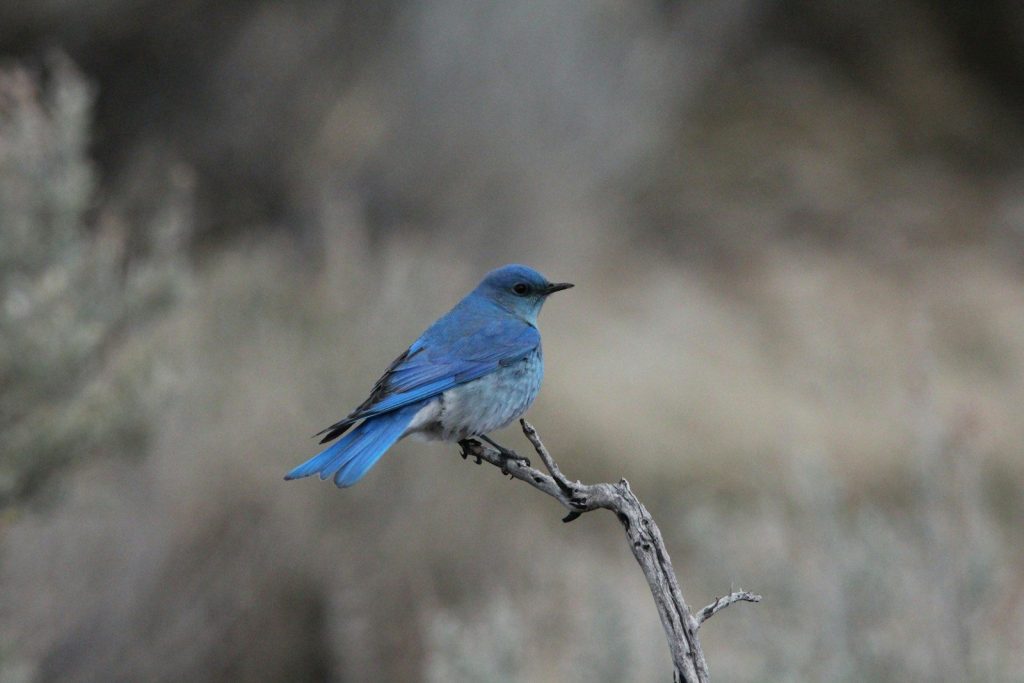
Because the blue color depends entirely on how light scatters, a bluebird can “change” color depending on the angle of the sun. In the shade or during a cloudy day, the bird might look gray or even black. This “shimmering” effect is why bluebirds often seem to appear and disappear in the forest. They are masters of a “light-based” camouflage that forward-thinking hunters are now trying to copy. But why doesn’t this happen to red birds?
Why Red Birds are the “Real” Deal
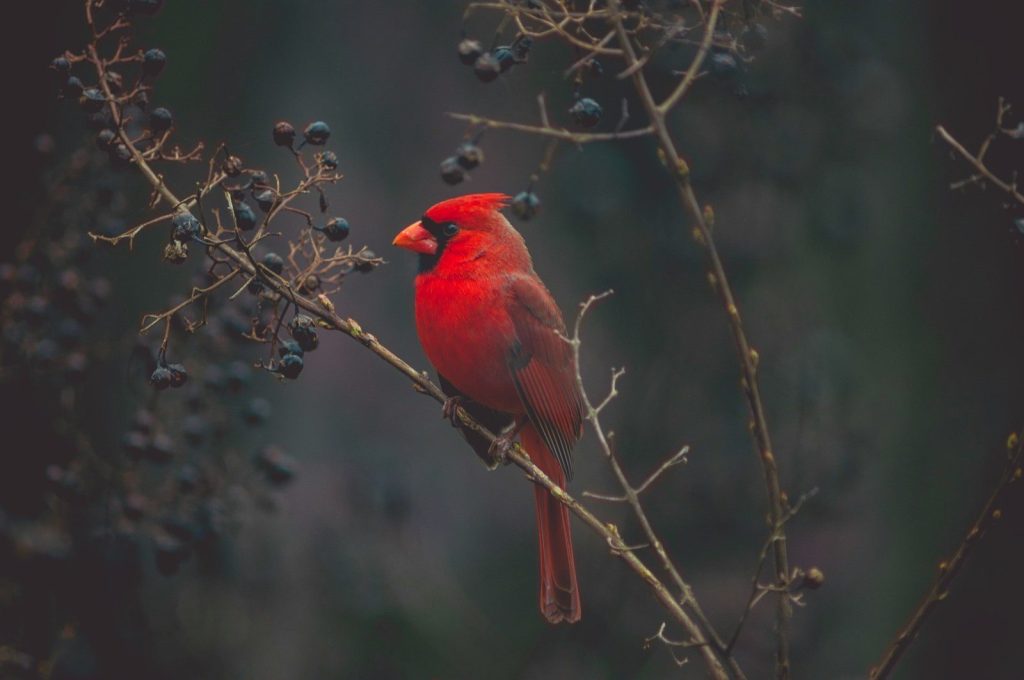
Red birds, like the Northern Cardinal, get their color from “carotenoids”—chemicals found in the berries and seeds they eat. If you grind up a red feather, it stays red. This is a “chemical color” that is stable and consistent. Red birds are effectively “dying” their feathers from the inside out. Blue birds, however, have to maintain the perfect “shape” of their feathers to stay blue. If the feathers get dirty or wet, the illusion breaks. But this “structural” secret is also found in your own eyes.
The Mystery of the Blue Human Eye
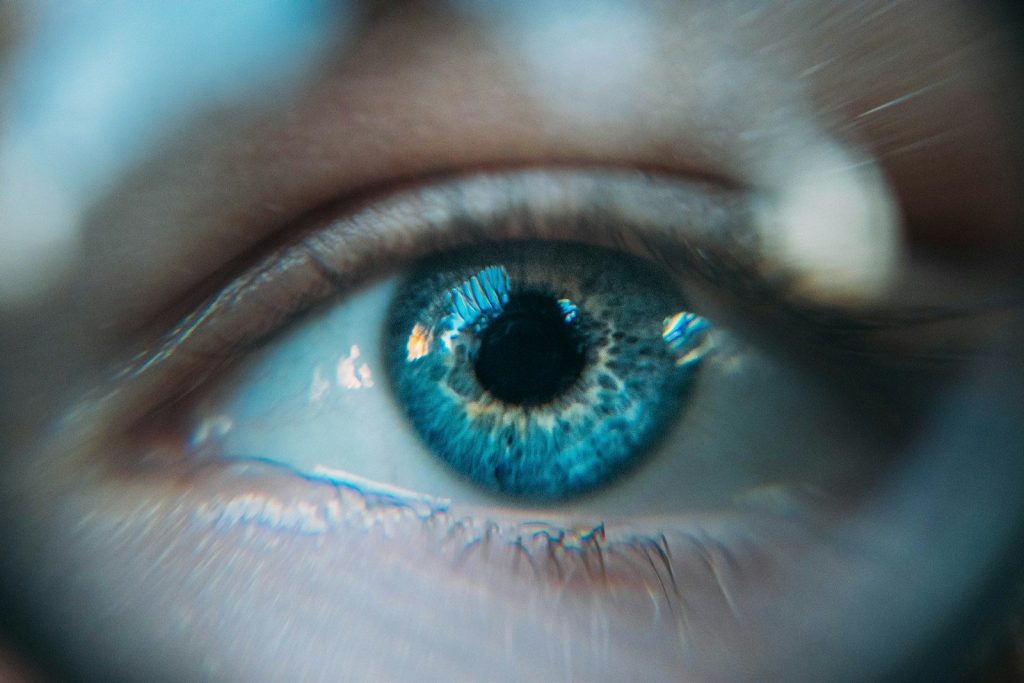
Just like the bluebird, there is no blue pigment in human eyes. Everyone on Earth technically has brown eyes, but some people have “structural color” in their iris. The blue in a person’s eye comes from light scattering through the clear stroma layer. If you have blue eyes, you are literally looking through a trick of the light every time you check the mirror. This biological similarity is helping doctors understand how light affects our vision. But wait until you see the “Blue Butterfly” problem.
The Most Vibrant Lie in the Jungle
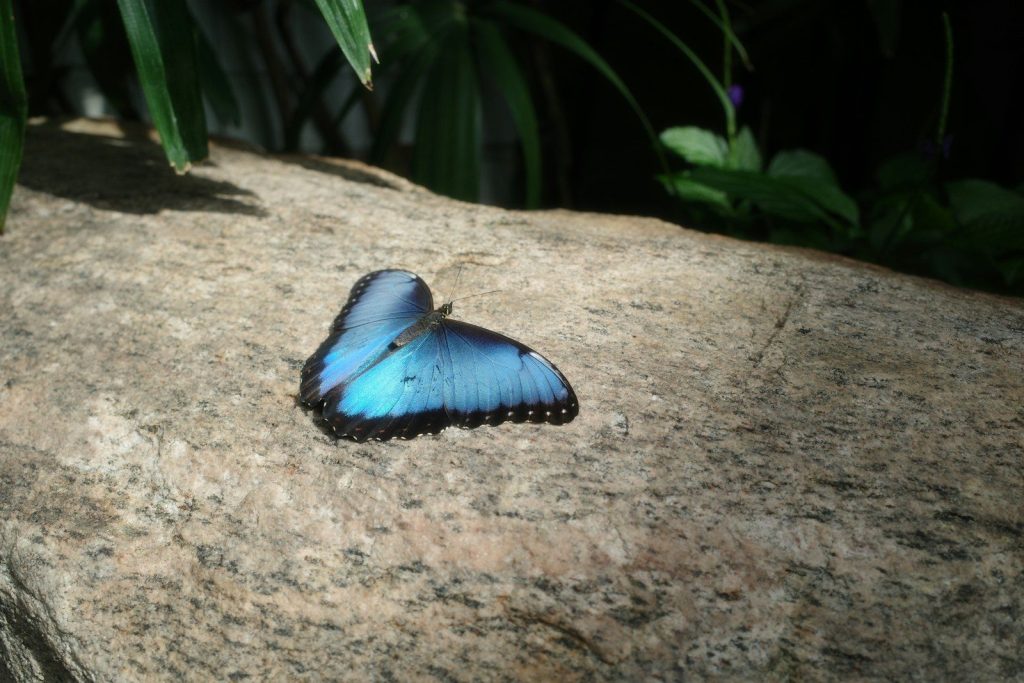
The Blue Morpho butterfly is the king of structural color. Its wings are so bright they can be seen from low-flying planes. This is because the “scales” on its wings are shaped like tiny Christmas trees that bounce light back with incredible efficiency. Scientists are now trying to “grow” these structures in labs to create the next generation of digital displays. We are copying a butterfly’s “lie” to make our phones look better. But can this tech actually help save the planet?
Cool Buildings and the Blue Shield
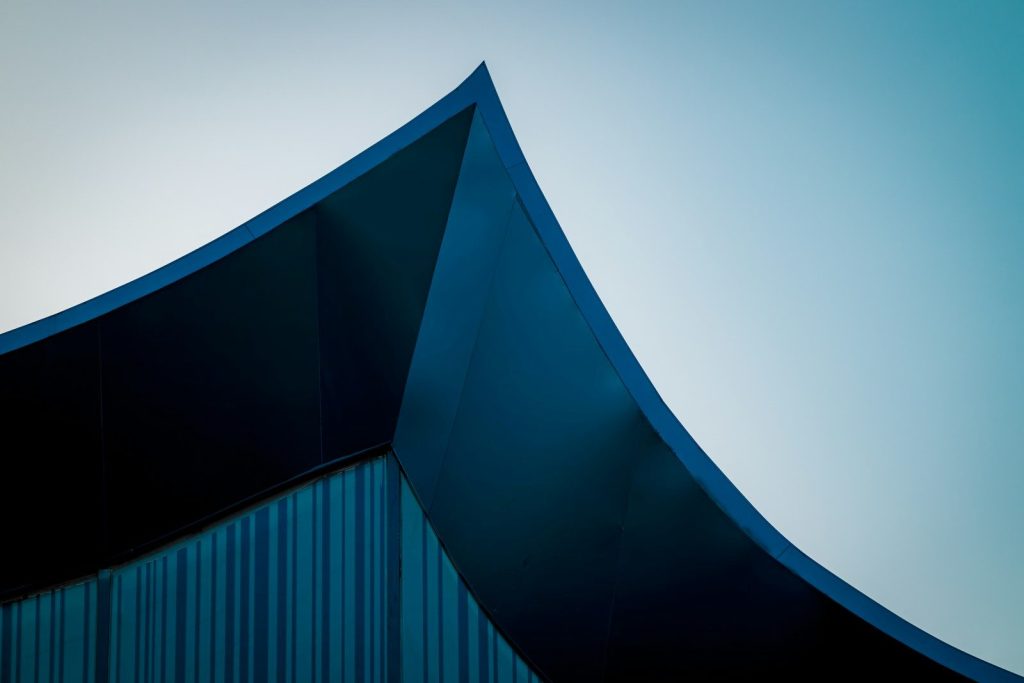
Because structural color scatters light instead of absorbing it, things that are “structurally blue” stay much cooler in the sun. Engineers are designing “structural blue” paints for roofs and cars that can lower internal temperatures by 10 degrees without using any power. It is a total revolution for sustainable building. We are using the bluebird’s secret to fight global warming. But wait until you see the “lost” continent that was just found under the ice.
Why We Need to Protect the Illusion
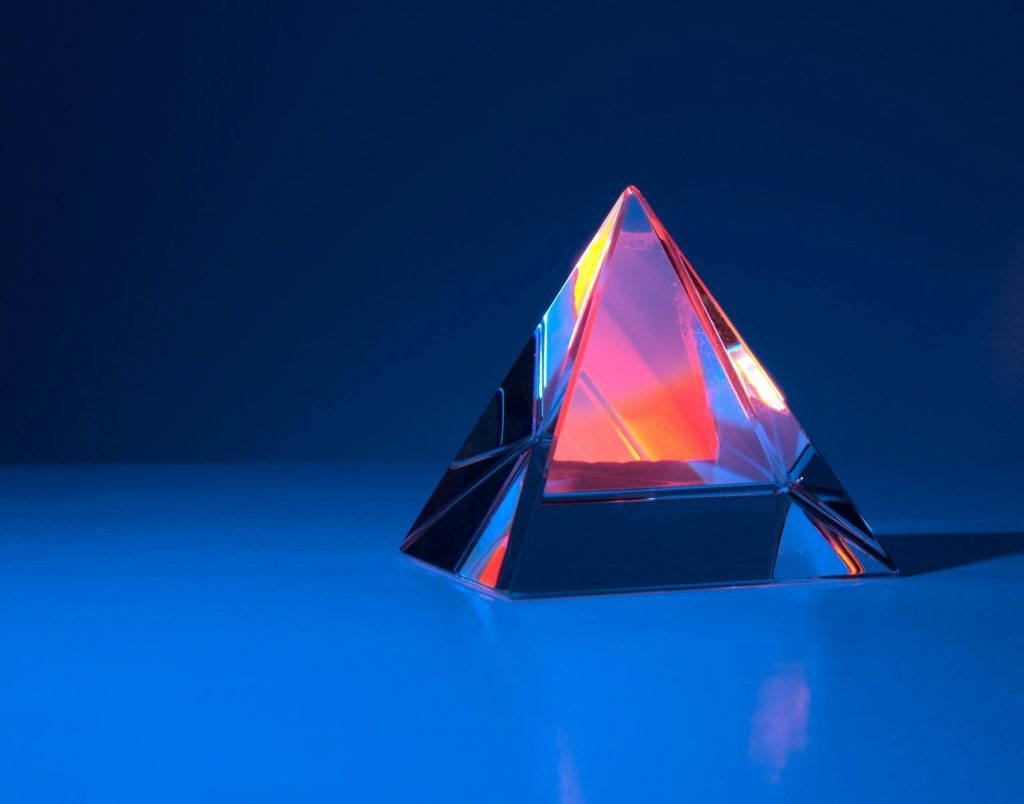
As the environment changes, birds are struggling to keep their “structural” secrets. Pollution and habitat loss affect the health of their feathers, which can dull their color and make it harder for them to find mates. Protecting the bluebird means protecting the physics of our world. We are in a race to preserve the most beautiful “optical illusions” on Earth before they fade away forever. But while we look at the feathers, a new world is being mapped under the South Pole.
The Future is Structurally Blue
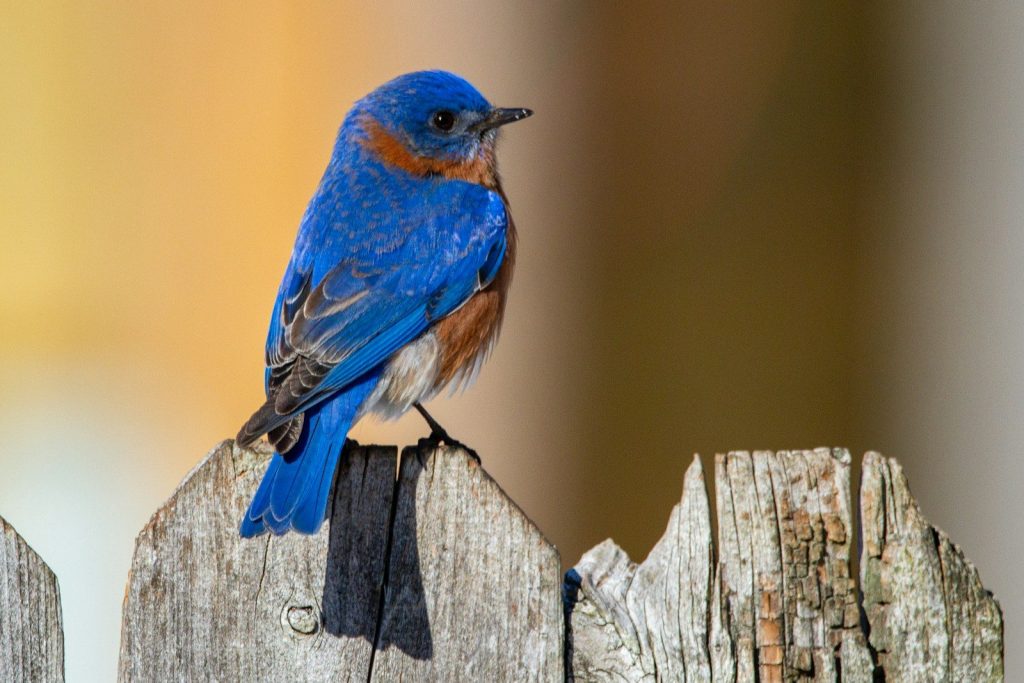
The bluebird teaches us that what we see isn’t always what is there. It is a reminder to keep looking closer, even at the things that seem simple. The science of light is opening new doors for our technology and our understanding of life. We are finally learning to see the world for what it truly is—a masterpiece of design. But are you ready for the “frozen” secret hiding at the bottom of the world?
Featured Image: Photo by Naturelady on Pixabay
Leave a Reply