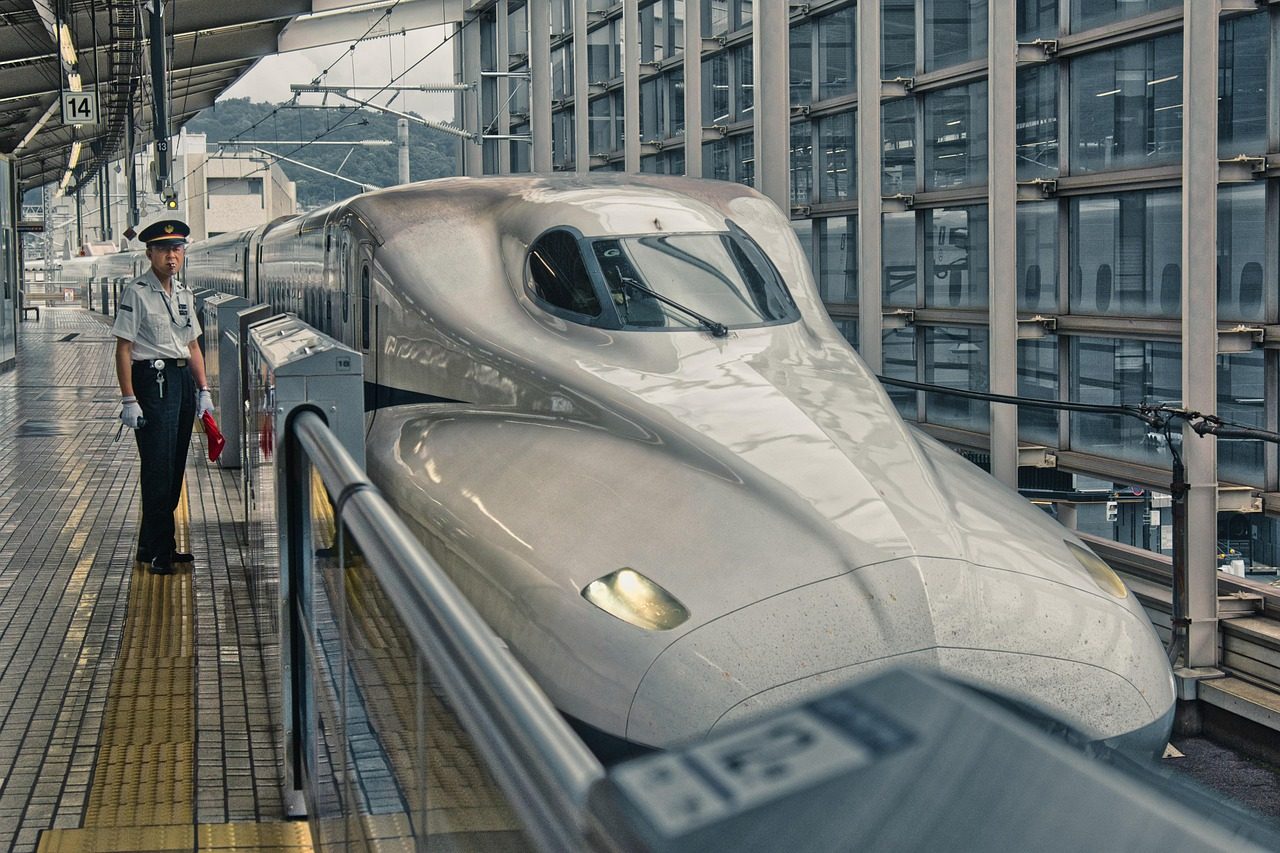
Japan is the world leader in high-speed rail, but even they have limits. For years, the world has been waiting for the “L0 Series” Maglev. This train doesn’t use wheels; it floats on a cushion of powerful magnets and can reach speeds of 374 miles per hour. It was supposed to connect Tokyo to Nagoya in just 40 minutes. However, the project is currently hitting a massive wall of delays. What was supposed to open next year is now pushed back to 2034 or even later.
The “Maglev Mystery” is hitting the news as a warning about the limits of mega-engineering. The cost has ballooned to over $64 billion, making it one of the most expensive projects in human history. It isn’t just about the money; the physical challenges of building a track that must be perfectly straight through the Japanese Alps are almost impossible to solve. Every mile of the track is a battle against nature. But the biggest problem isn’t the magnets or the speed—it is something hidden deep underground. Wait until you see the “water war” that stopped the drills.
The Tunneling Nightmare Through the Alps
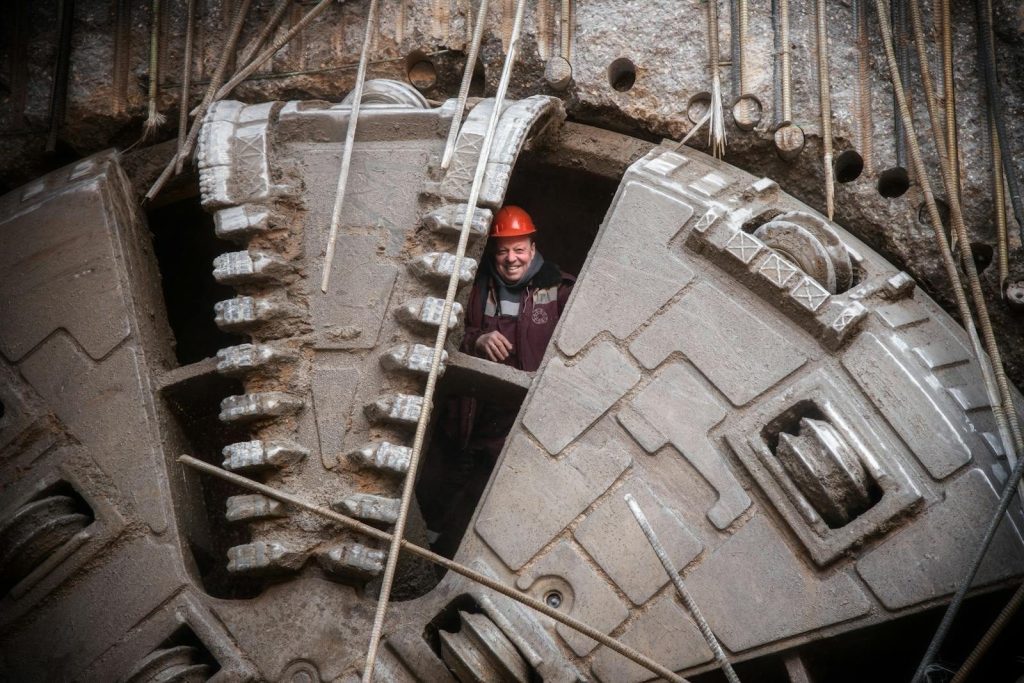
To maintain its incredible speed, the Maglev cannot turn. This means it has to go in a perfectly straight line, which requires boring giant tunnels through the jagged Japanese Alps. Over 80 percent of the track will be underground. Engineers are finding that the rock in this region is unstable and full of hidden fault lines. One wrong move with a drill could cause a massive collapse. But the rock isn’t the only thing hiding in those mountains.
The Water War That Paralyzed Progress

Local residents in the Shizuoka region are terrified that the tunnels will drain their groundwater. The Oi River is the lifeblood of the local farms, and scientists warn that the Maglev construction could leak billions of gallons of water into the tunnels. This has led to a massive political standoff that has stopped construction for years. Without water, the local economy dies, and without the tunnel, the train never runs. But how do you move a river back into the mountain?
Magnet Strength and the Heat Problem
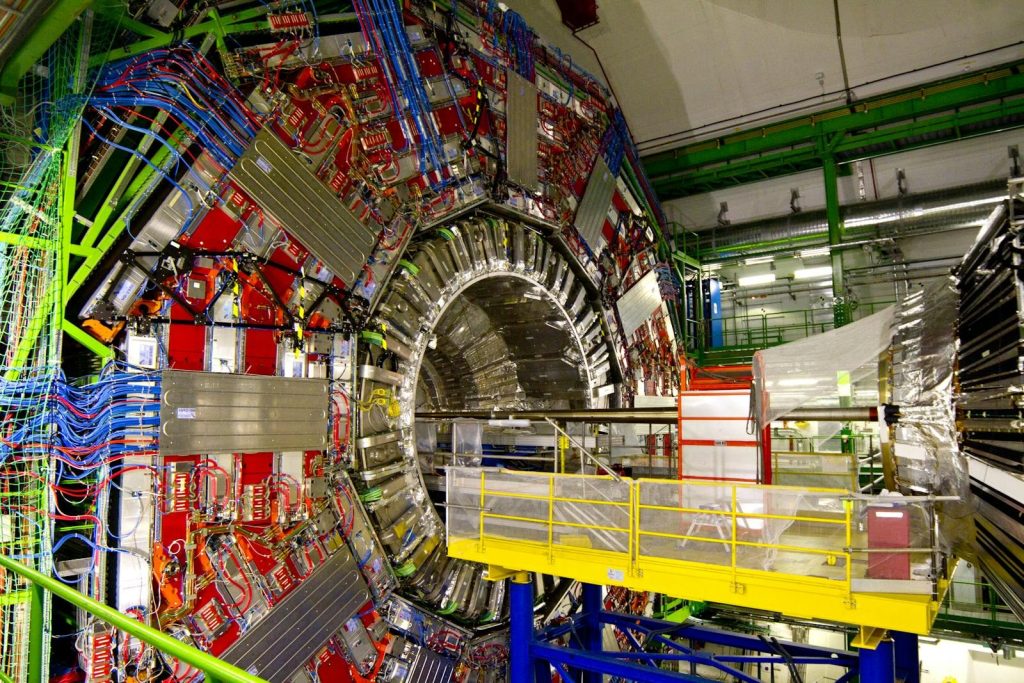
The Maglev uses superconducting magnets that must be kept at -452 degrees Fahrenheit. Keeping magnets that cold while moving at 300 miles per hour creates a massive amount of heat. Engineers are struggling to build a cooling system that is reliable enough for daily use. If the magnets warm up by even a few degrees, the train loses its lift and crashes onto the track. It is a high-speed game of physics that leaves zero room for error. But what about the passengers inside?
The Sonic Boom in the Tunnel
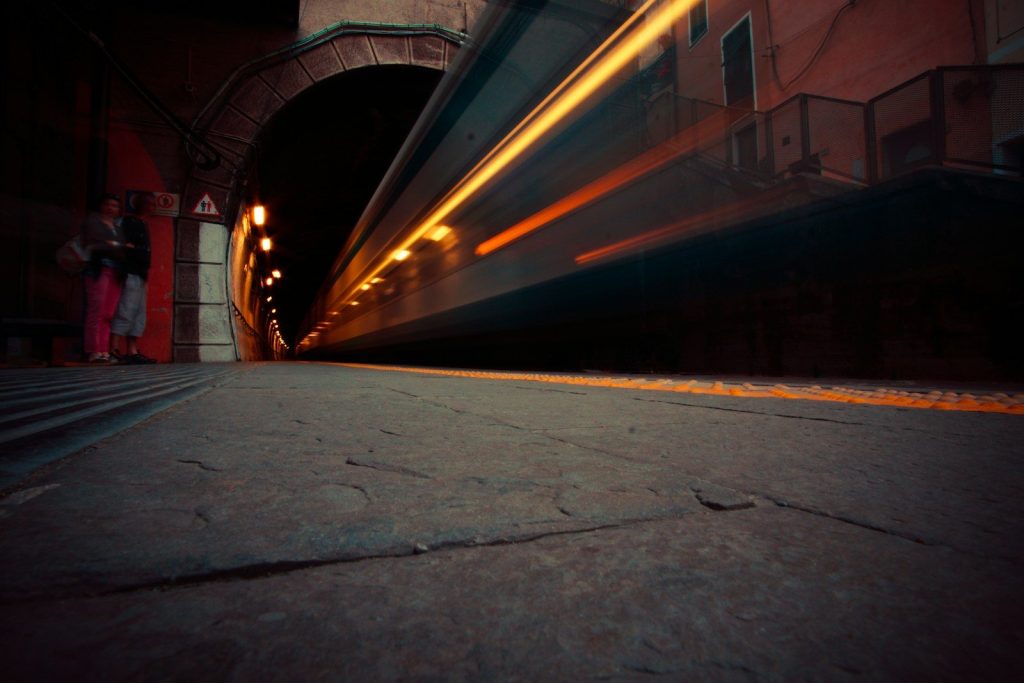
When a train enters a tunnel at 300 miles per hour, it pushes a massive wall of air in front of it. This creates a “micro-pressure wave” that sounds like a literal explosion when it exits the other side. This “sonic boom” can shatter windows in nearby villages and disturb wildlife for miles. Engineers have to build specialized “hoods” on the tunnel entrances to quiet the noise. It is an expensive and complex fix for a problem no one saw coming. But wait until you see the energy bill.
A Train That Guzzles Electricity
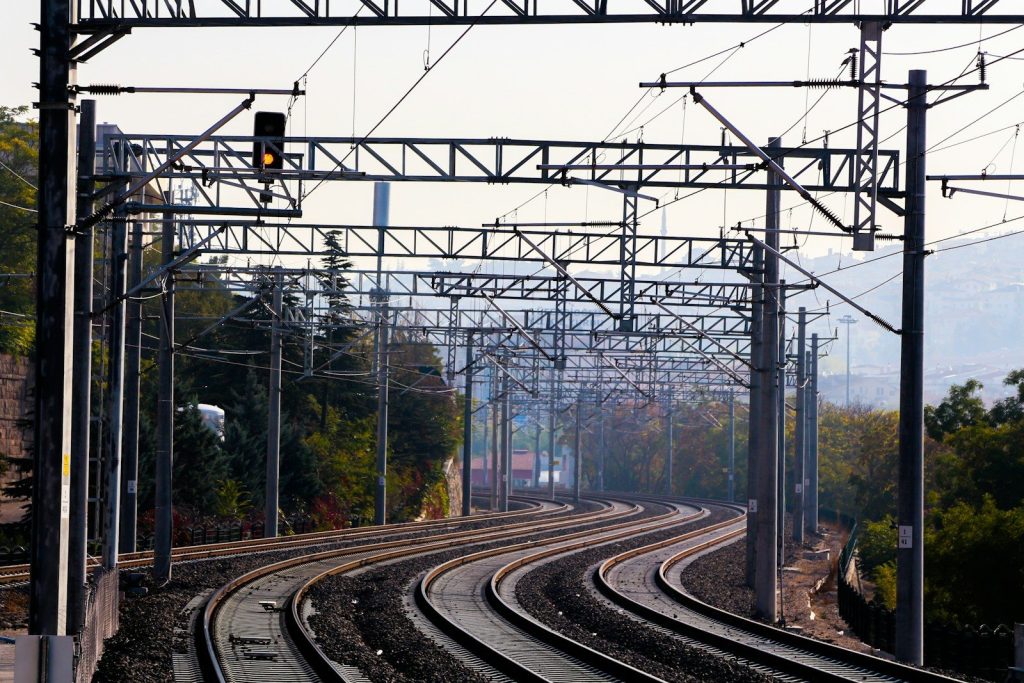
The Maglev uses three times more electricity than the current high-speed trains. In a world trying to reach “Net Zero,” a train that requires its own dedicated power plant is a tough sell. Critics argue that the time saved—only 50 minutes—is not worth the massive environmental cost. Japan is now forced to choose between being the fastest nation on Earth or the greenest. But the financial bleeding might be what stops the train first.
The Debt Trap of the Century

The project is being funded by a private company, but the government has had to step in with massive loans to keep it alive. If the train doesn’t open soon, the interest on that debt will become unpayable. We are looking at a “too big to fail” scenario that could bankrupt one of the world’s most successful rail companies. It is a cautionary tale for any nation planning a mega-project. But could there be a secret competitor?
Why the Shinkansen is Still King
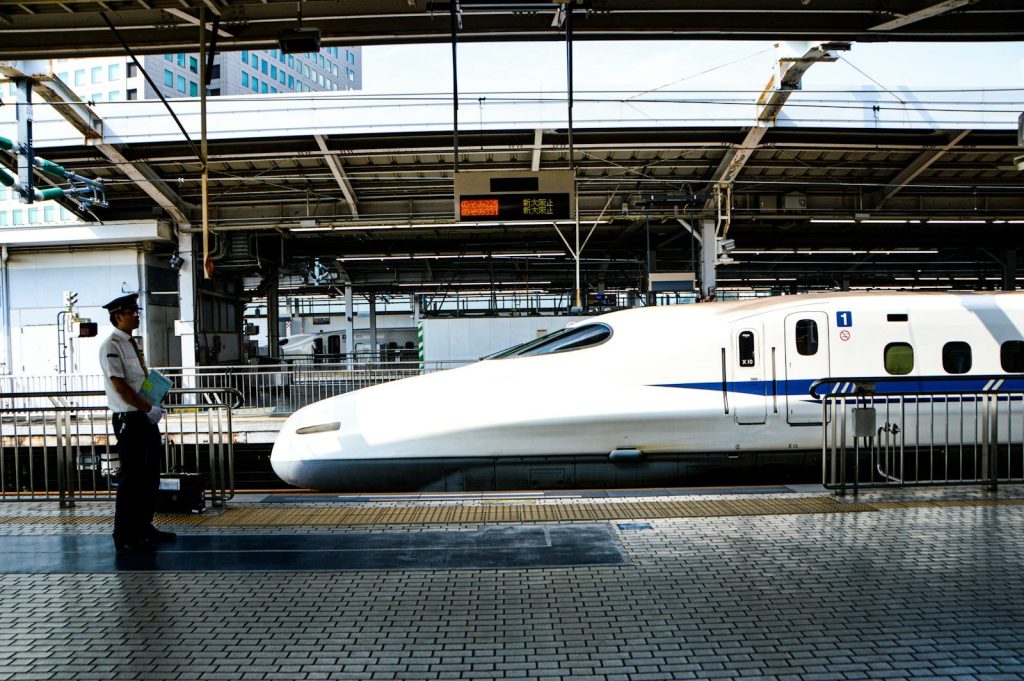
While the Maglev is stuck in the mountains, the existing Bullet Train (Shinkansen) is getting faster and more efficient every year. Many people are asking if we even need the Maglev anymore. The current trains are already the safest and most reliable in the world. Why spend $64 billion for a few extra minutes of speed? The debate is splitting the nation in two. But as we struggle to move across Japan, we are also looking up. Could we build an elevator to space?
Leave a Reply