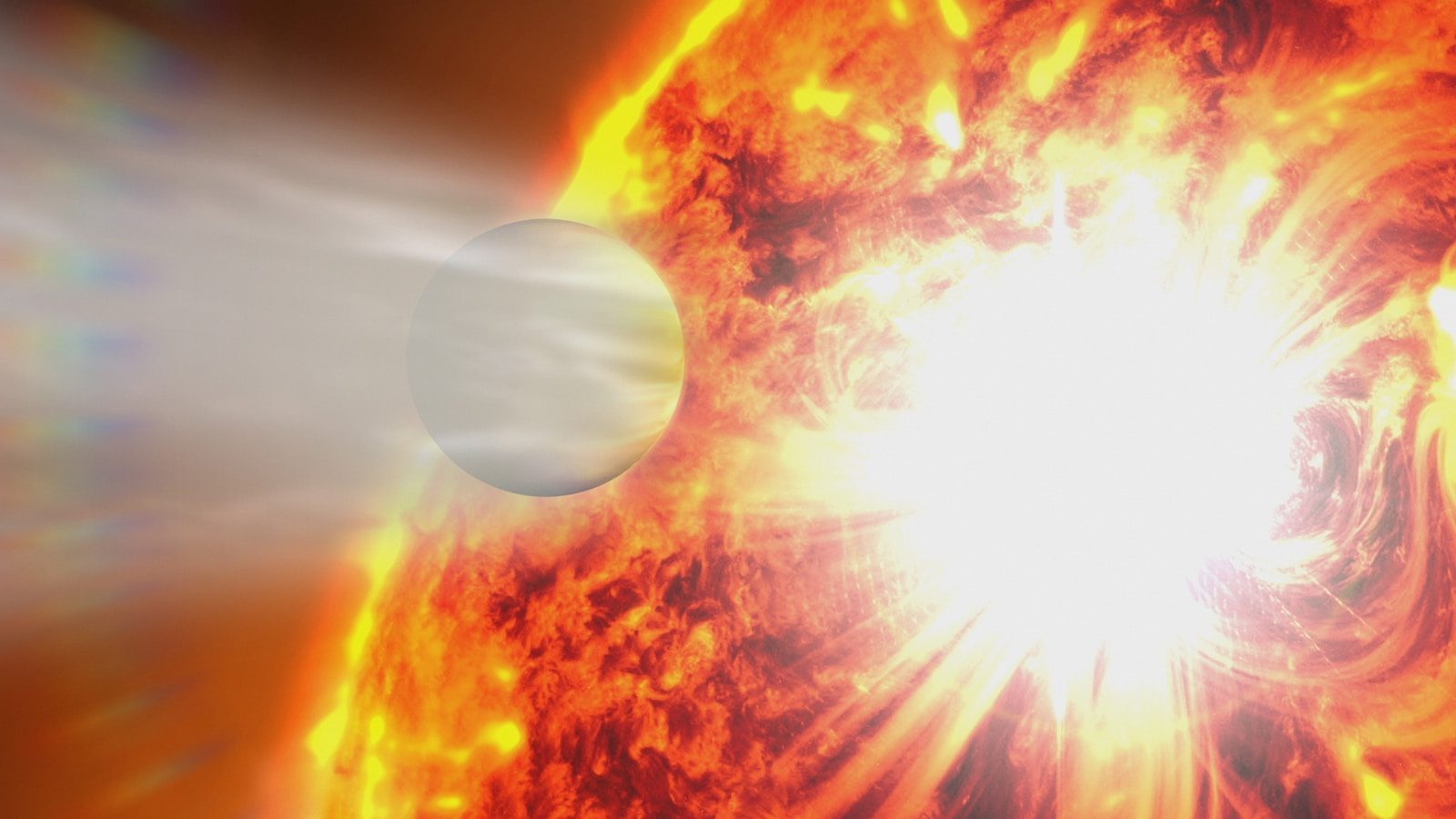
We take the internet for granted, but it is actually a very fragile physical network. Thousands of miles of undersea cables and a delicate electrical grid are all that keep our digital world alive. Scientists are now warning that we are entering a period of high solar activity known as the “Solar Maximum.” During this time, the sun can release massive bursts of energy called Coronal Mass Ejections (CMEs). If a large enough storm hits Earth, it could fry the electronics that run the web.
This is being called the “Internet Apocalypse.” While we have seen small solar storms before, a direct hit from a “Carrington-level” event would be a total game-changer. It wouldn’t just be a temporary outage; it could physically damage the hardware that allows the internet to exist. We are talking about months, or even years, of global darkness. But how can a spark on the sun actually break a cable at the bottom of the ocean?
The 1859 Warning from the Past

In 1859, a massive solar storm hit the Earth. Known as the Carrington Event, it was so powerful that telegraph wires caught fire, and operators were shocked by their equipment. People in Hawaii could see the Northern Lights. Back then, we didn’t have much electronics to break. If that same storm hit today, it would cause trillions of dollars in damage. It is a biological certainty that a storm of this scale will hit us again. The only question is when. But wait until you see why the undersea cables are the biggest problem.
Undersea Cables are the Weakest Link
Most of our data travels through fiber-optic cables under the ocean. While the glass fibers themselves are safe from solar radiation, the “repeaters” are not. These are electronic boxes placed every 50 miles to boost the signal. A solar storm creates massive electrical currents in the Earth’s crust that can travel through the water and fry these repeaters. If the undersea network dies, the world’s continents are instantly cut off from each other. It would be the end of the global economy. But your own home would also be in danger.
The Collapse of the Electrical Grid
Solar storms don’t just hit the internet; they hit the power grid. These storms can overload the giant transformers that move electricity to your neighborhood. These transformers are massive, expensive, and take months to build. If a solar storm destroys thousands of them at once, the lights might stay out for an entire year. Without power, there are no servers, no Wi-Fi, and no way to charge your phone. We are living in a house of cards that is built on electricity. But can we actually see the storm coming?
The 30 Minute Warning from NASA
We have satellites that watch the sun 24/7. When a CME erupts, we can see it happen. However, these particles travel so fast that we only have about 30 to 60 minutes of warning before they hit our atmosphere. This gives power companies just enough time to “soft-shut” the grid to prevent permanent damage. But for the internet repeaters at the bottom of the sea, there is no easy way to turn them off. We are essentially racing against a cosmic bullet. But wait until you see the economic fallout.
The Multi-Trillion Dollar Digital Blackout
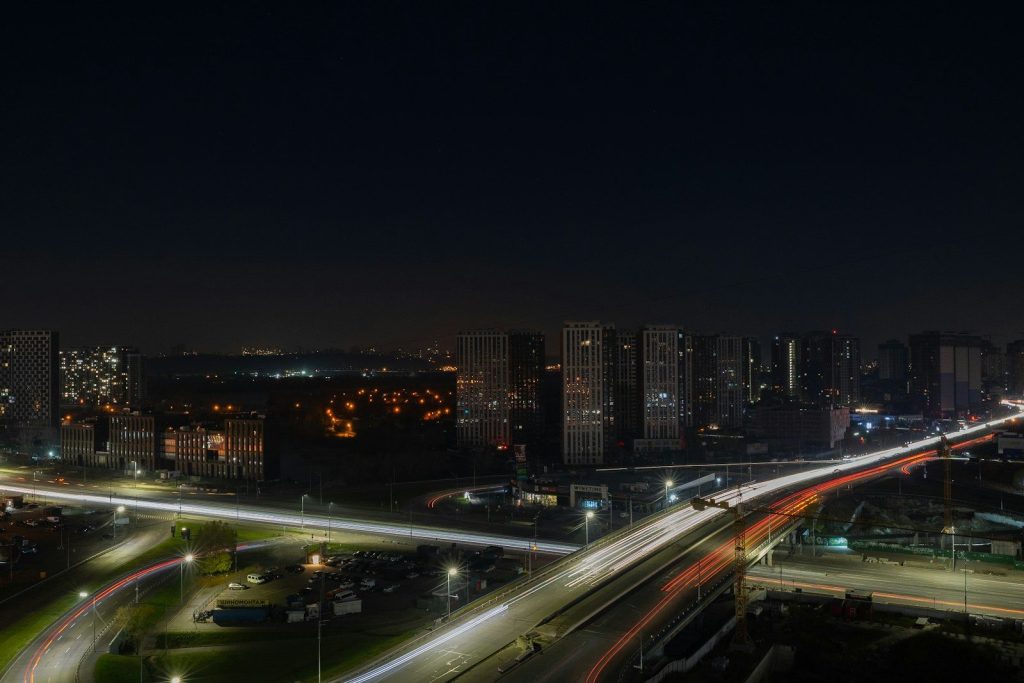
If the internet goes down for just one day, the global economy loses billions. If it goes down for a month, the world will enter a total collapse. Modern banking, food supply chains, and hospitals all depend on the web. Without the internet, we wouldn’t know where our food is or how to pay for it. A solar storm is a “black swan” event that could reset our civilization by a hundred years. It is the ultimate test of our resilience. But is there a way to build a “solar-proof” internet?
Building the Shield for the World
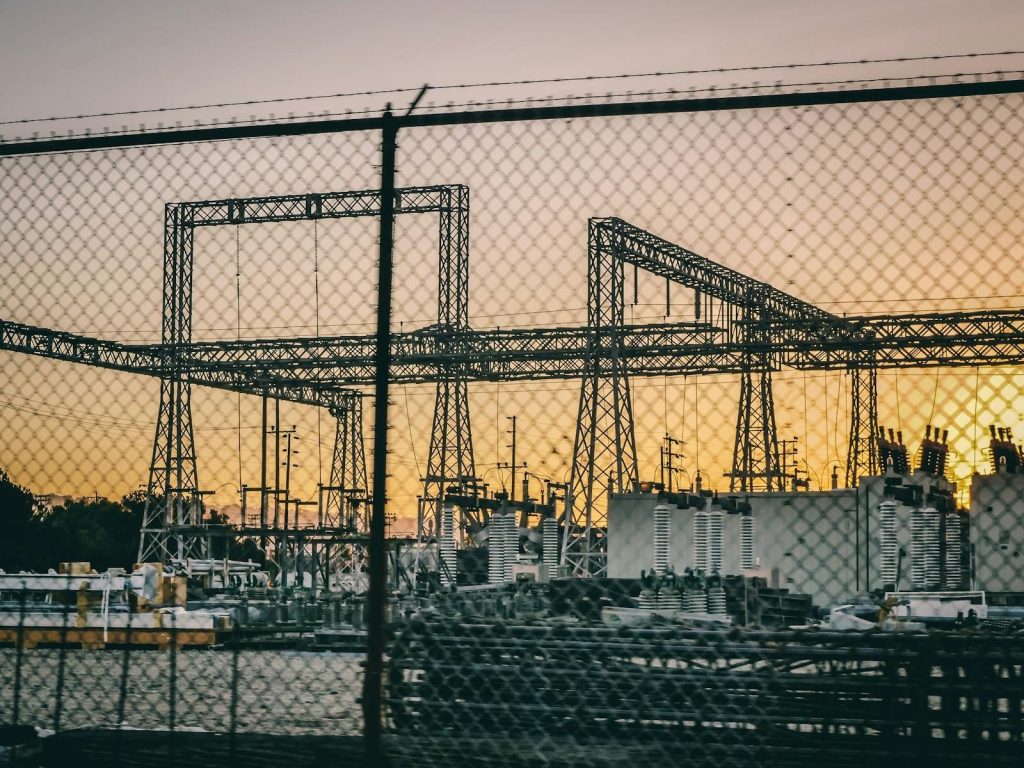
Scientists are now working on ways to protect our cables. This involves adding more grounding wires and building smarter repeaters that can handle electrical surges. Some engineers are also suggesting we use “Mesh Networks” and satellite internet like Starlink as a backup. However, satellites are even more vulnerable to the sun than cables are. We are in a race to harden our infrastructure before the next big flare. But how does this affect you personally?
Survival in a World Without the Web

If the internet were to “delete” tomorrow, our lives would change instantly. We would have to go back to paper maps, landline phones, and physical cash. It is a sobering thought for a generation that has never been disconnected. The solar storm threat is a reminder that we are just guests on a planet that is part of a very active solar system. Our technology is powerful, but nature is always stronger. But keep your eyes on the stars, because the story isn’t over yet.
Featured Image: Photo by NASA Hubble Space Telescope on Unsplash
Leave a Reply