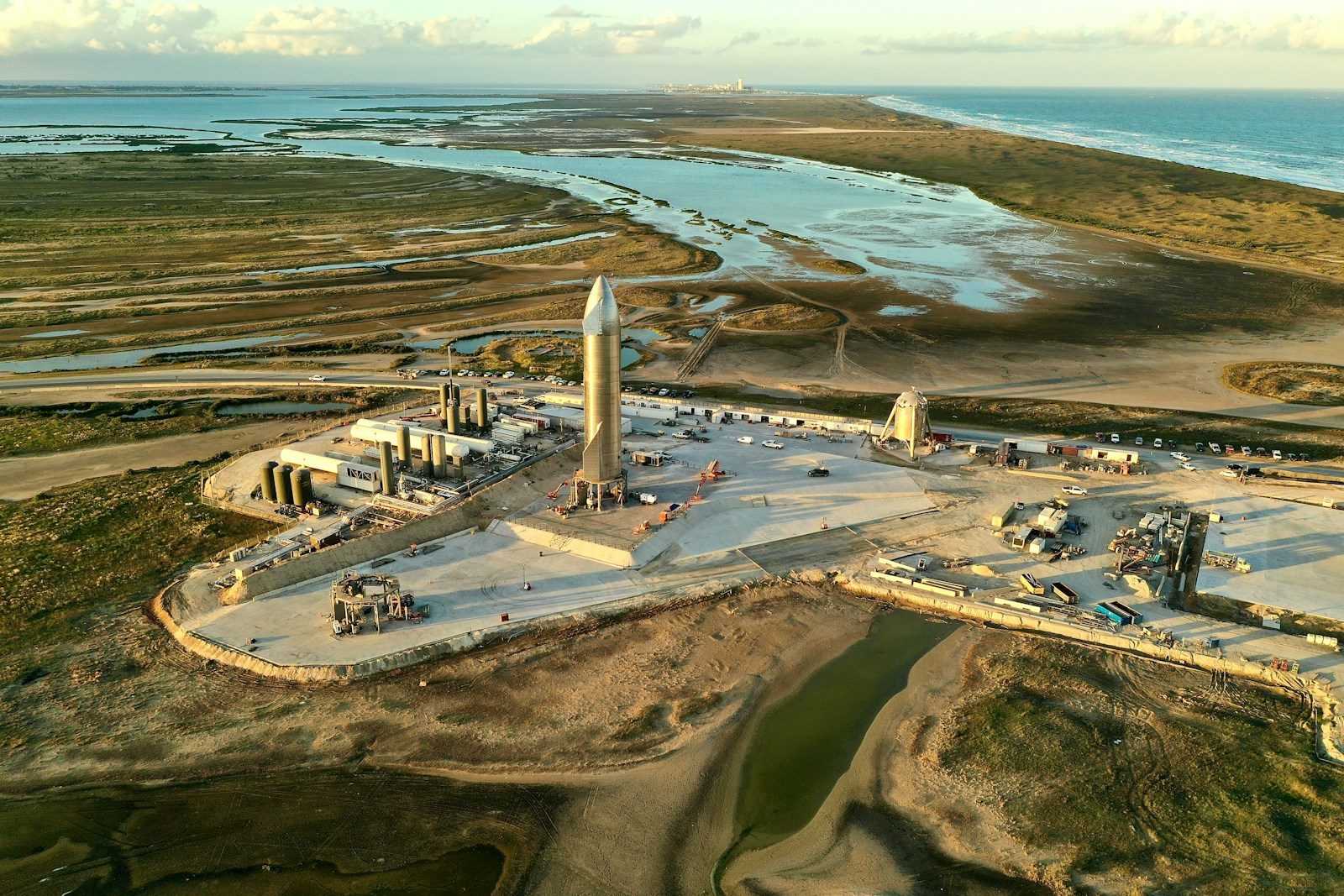
SpaceX’s Starship consists of the Super Heavy booster and an upper-stage spacecraft powered by Raptor engines. SpaceX describes it as the most powerful launch vehicle developed, with a fully reusable configuration intended to carry more than 100 metric tonnes to orbit. Generating that much thrust means the launch mount, flame-control equipment, fuel systems and tower must operate as an integrated part of the vehicle.
The first launch revealed a serious ground problem
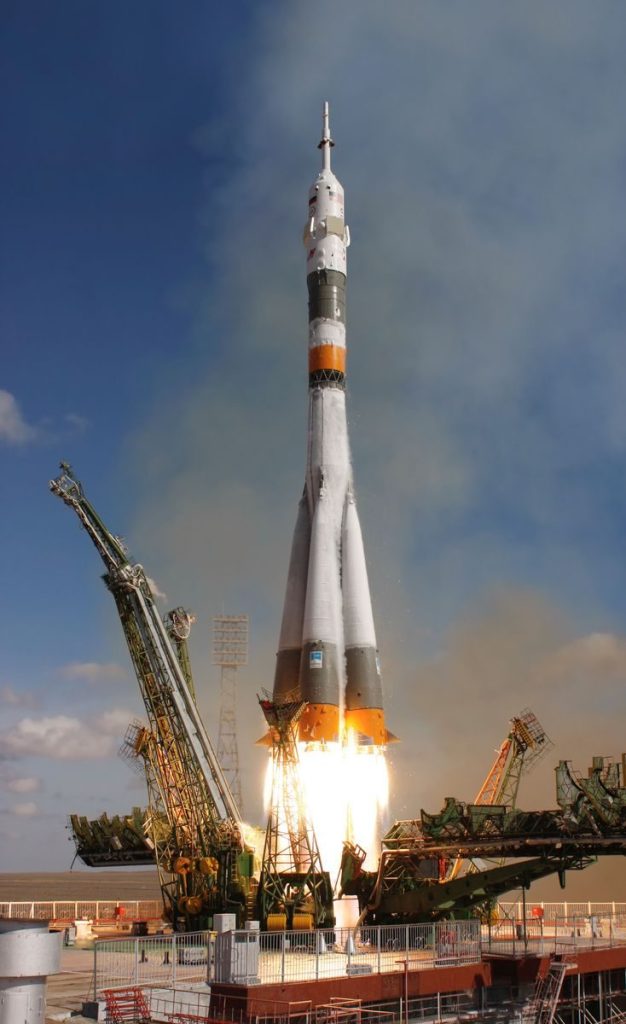
During Starship’s first integrated test flight on April 20, 2023, the rocket successfully cleared the tower, but its exhaust severely damaged the concrete beneath the launch mount. Debris and dust were thrown across the surrounding area. Scientific analysis later described how intense exhaust pressure penetrated beneath the failed surface and contributed to a powerful eruption of soil, sand and construction material.
Thirty-three engines create an extreme environment
Super Heavy’s 33 Raptor engines produce concentrated heat, pressure, vibration and acoustic energy during ignition. A launch pad must redirect those forces without allowing exhaust to undermine the mount or send dangerous debris toward the rocket. Starship’s scale made ground protection especially difficult because the original orbital launch mount did not use the deep flame trench commonly found beneath many heavy-lift launch systems.
A water-cooled steel plate became the first major fix
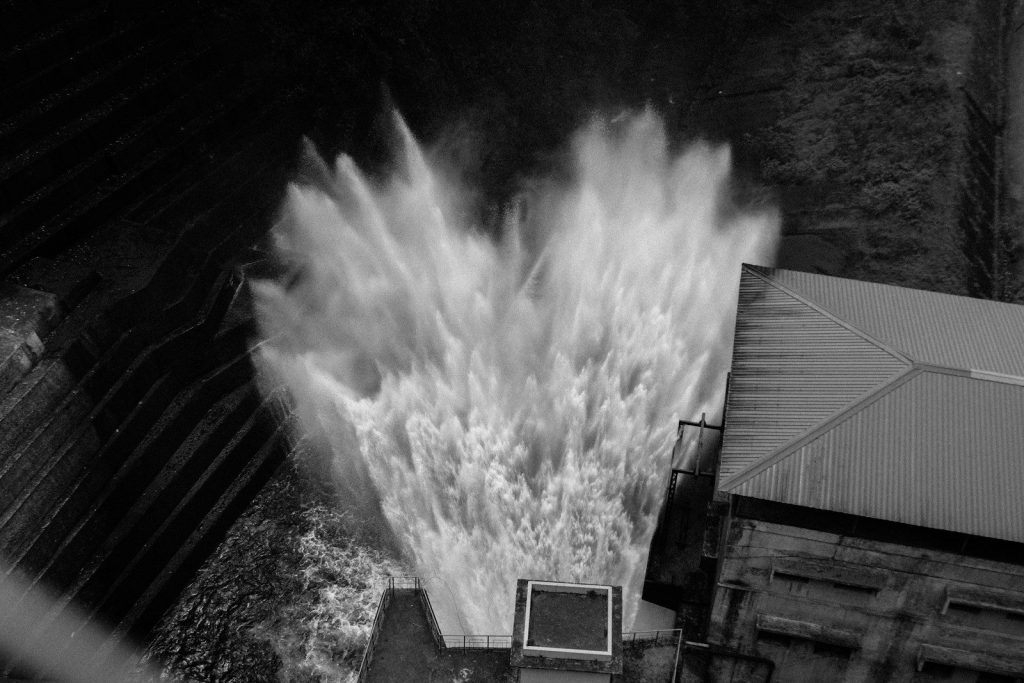
After the 2023 damage, SpaceX reinforced the original pad and installed a steel flame deflector supplied by a high-volume water system. Water released beneath the vehicle absorbs heat, reduces acoustic energy, and helps prevent exhaust from directly striking vulnerable concrete and soil. Later launches showed substantially less visible destruction beneath the mount, although the system continued to evolve between flights.
Pad 2 adopts a dedicated flame-management structure
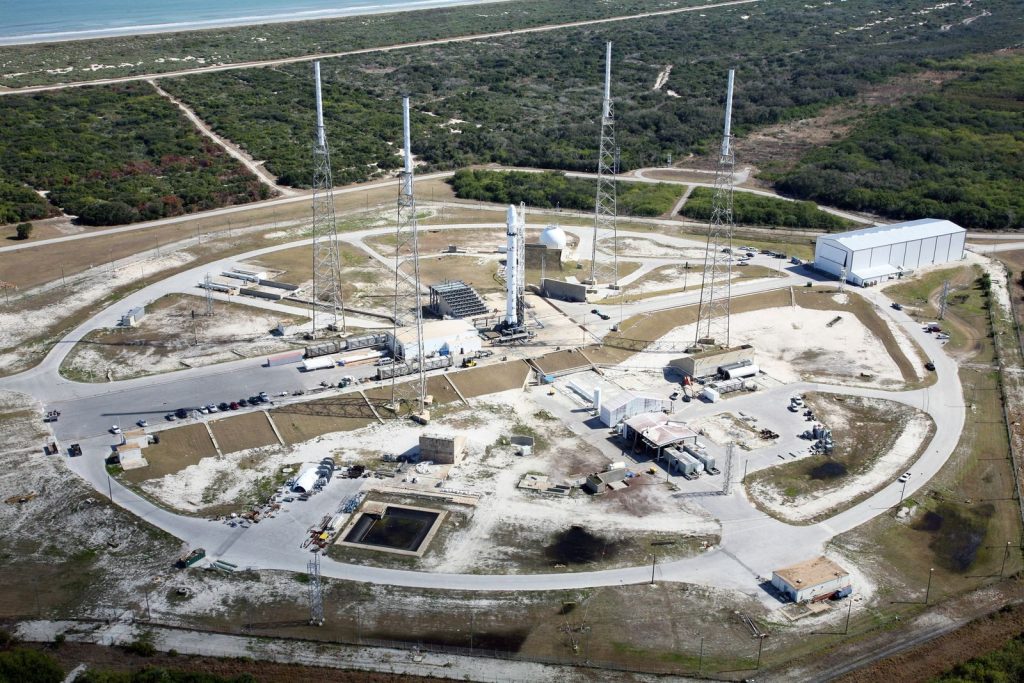
The second Starship launch site at Starbase incorporates a redesigned mount and a more conventional flame-trench-and-diverter arrangement. Instead of allowing exhaust to expand directly beneath the vehicle, the system channels it away from the rocket and surrounding equipment. The design reflects lessons from earlier tests and recognizes that rapid rocket reuse depends on a pad that can survive repeated launches with limited repair work.
The tower does far more than support launches
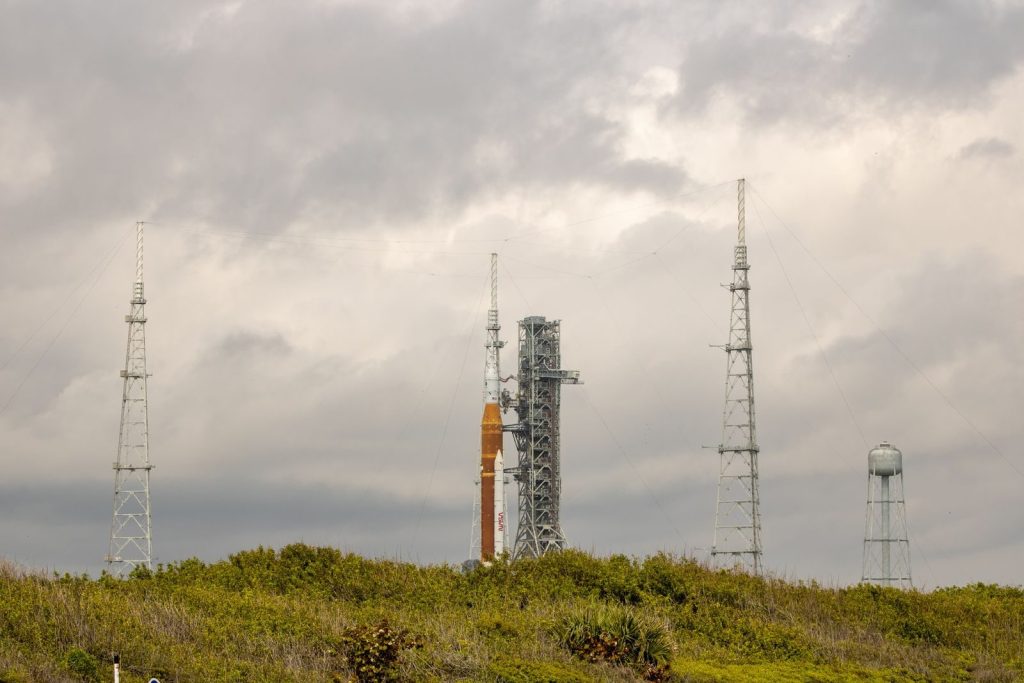
Starship’s ground system includes a tall integration tower with mechanical arms used to stack the spacecraft on the booster. SpaceX also intends the arms to catch returning Super Heavy boosters, removing the need for conventional landing legs. Fuel-loading equipment, electrical connections, communications systems and safety controls must all work within tightly coordinated countdown and recovery operations.
Flight 12 marked Pad 2’s operational debut
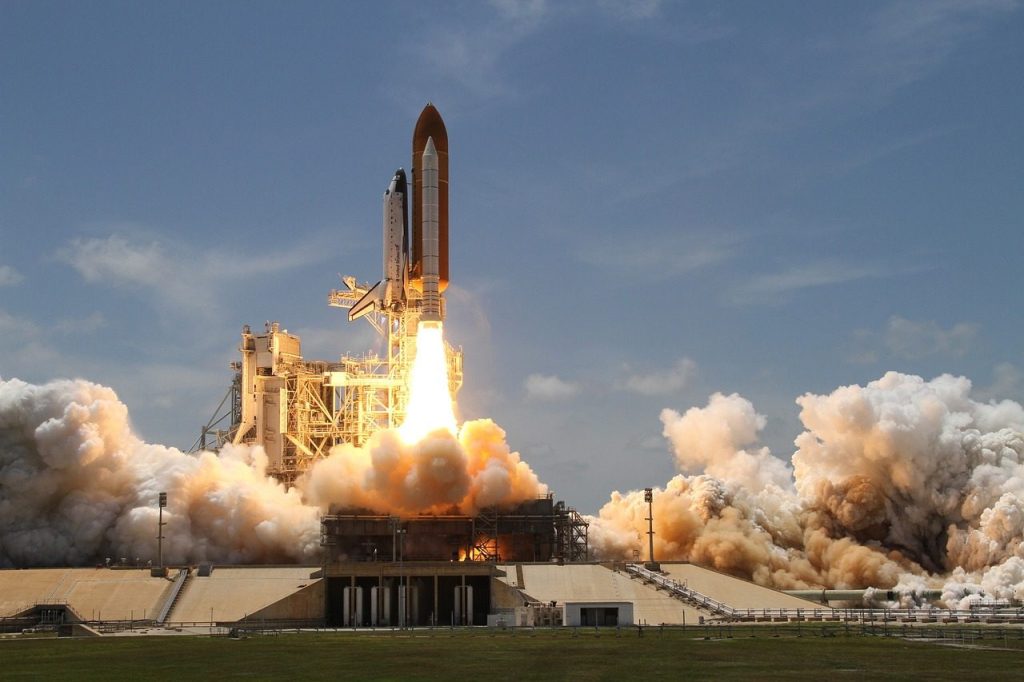
SpaceX launched Starship Flight 12 from Pad 2 on May 22, 2026. The mission represented the first full launch test of the new ground architecture and gave engineers data on ignition forces, flame diversion, vehicle clearance, and post-launch pad condition. A pad’s success is not judged only by whether the rocket lifts off, but also by how quickly the site can be inspected and prepared again.
The system remains experimental
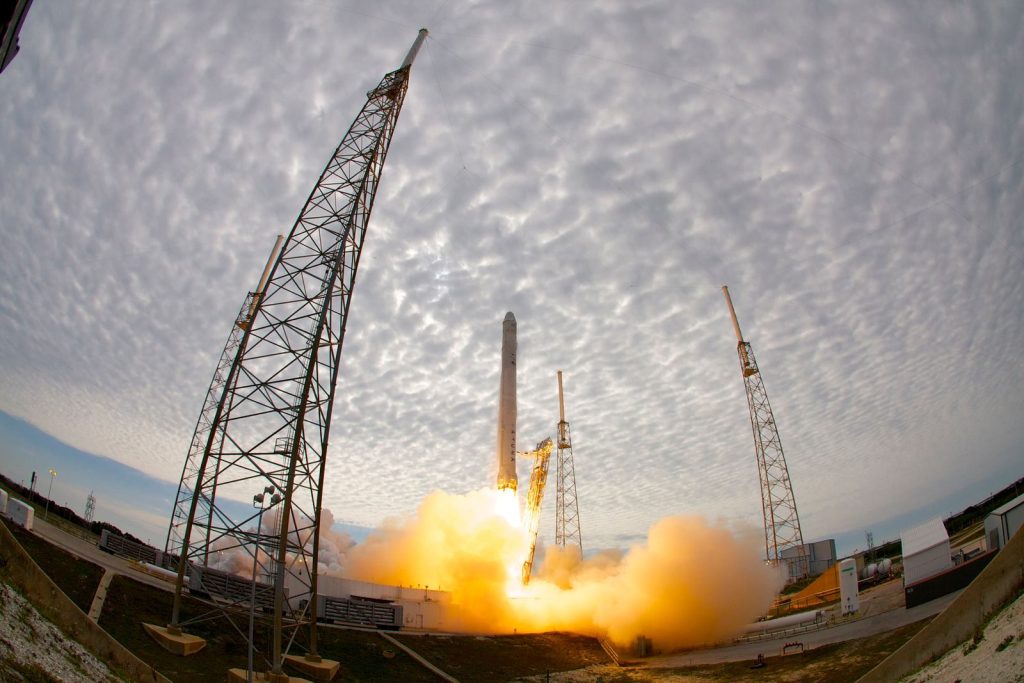
A Flight 13 attempt on July 16, 2026, was stopped during ignition after four engines failed to start as expected. The automated system shut the engines down before liftoff, leaving the vehicle on the mount. The event showed that Starship’s development still involves setbacks, but it also demonstrated why integrated ground controls and automatic abort protections are essential when managing a rocket of this scale.
Featured Image: Photo by Jay Wedgeworth on Unsplash
Leave a Reply