
A document preserved in the CIA’s declassified archive describes an unusual remote-viewing session conducted on May 22, 1984. The participant was asked to focus mentally on Mars at a point approximately one million years in the past. However, the transcript does not document physical time travel, a spacecraft journey, or a verified discovery on Mars. It records one person’s claimed psychic impressions during an experimental intelligence program.
A sealed envelope identified the target

According to the transcript, the participant received a sealed envelope containing geographic coordinates and a card identifying the target as Mars during an ancient period. An interviewer then asked the participant to describe any impressions associated with the coordinates. This procedure was intended to prevent the viewer from consciously knowing the target beforehand, although it did not provide a scientific method for verifying the resulting descriptions.
The viewer described pyramids and enormous structures

The participant reported seeing pyramid-like forms, vast chambers, violent storms, and extremely tall, thin figures. The transcript also contains descriptions of a population allegedly seeking a safer place to live after environmental conditions deteriorated. These details have made the document popular online, but they are statements made during the session rather than observations confirmed by photographs, spacecraft, geological evidence or independent witnesses.
Remote viewing was not literal time travel

Remote viewing was based on the disputed idea that a person could obtain information about a distant or hidden target through mental perception. The participant remained in the interview room throughout the Mars session. The reference to one million years in the past was an instruction to imagine or psychically examine an earlier time, not evidence that anyone physically traveled into the past.
Why the government investigated psychic claims
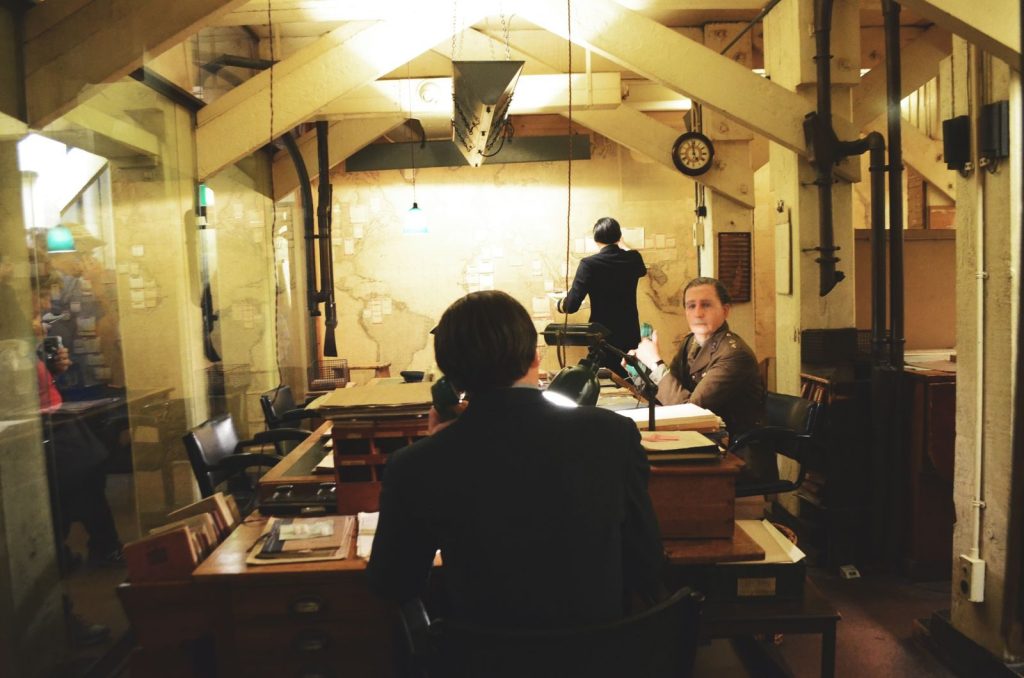
During the Cold War, U.S. agencies investigated reports that psychic methods might have intelligence or military applications. Various research efforts were eventually associated with the program commonly known as Stargate. Officials wanted to determine whether remote viewing could locate people, facilities, or concealed objects. Studying a claim, however, did not mean that the government had accepted it as genuine or reliable.
Declassification does not confirm the claims
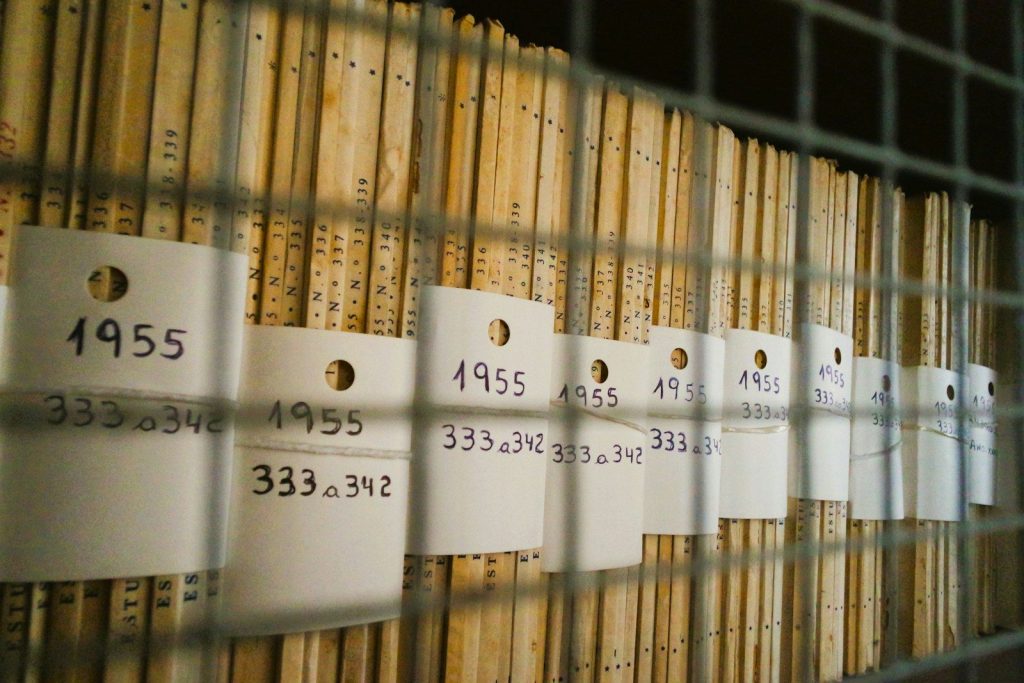
Documents enter public archives because secrecy restrictions are removed, not because every statement inside them has been authenticated. Intelligence collections contain interviews, experiments, allegations, preliminary assessments and unsuccessful projects alongside verified information. The presence of the Mars transcript on an official government website therefore proves that the session was recorded, but it does not prove that the participant accurately perceived ancient Mars.
A later review found no dependable intelligence value

A government-commissioned evaluation released in 1995 examined whether remote viewing had produced useful intelligence. Although some laboratory results were debated, the reviewers concluded that the technique had not demonstrated reliable operational value for intelligence work. The program was subsequently discontinued. This assessment provides essential context for sensational claims based on individual transcripts from the project.
Ancient Mars remains fascinating without psychic claims
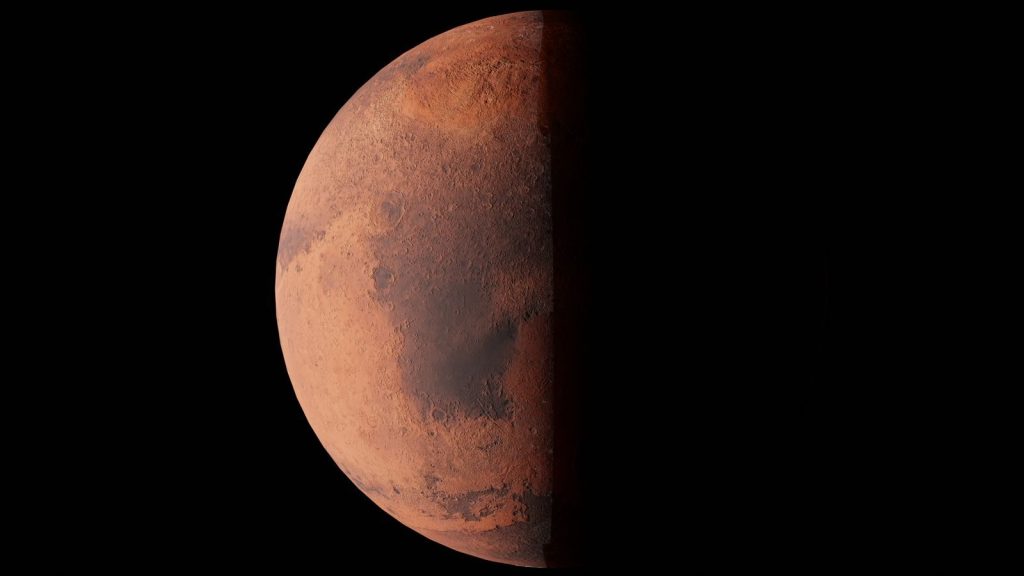
Spacecraft evidence indicates that ancient Mars once had rivers, lakes and environments that may have been suitable for microbial life. NASA has also identified geological samples containing potential biosignatures, but none currently proves that life existed there. Scientific investigations depend on testable chemical, geological and biological evidence rather than remote-viewing testimony. The CIA archive reveals an unusual Cold War experiment, not confirmed Martian history or time travel.
Featured Image: Photo by Jakub Zerdzicki on Pexels
Leave a Reply