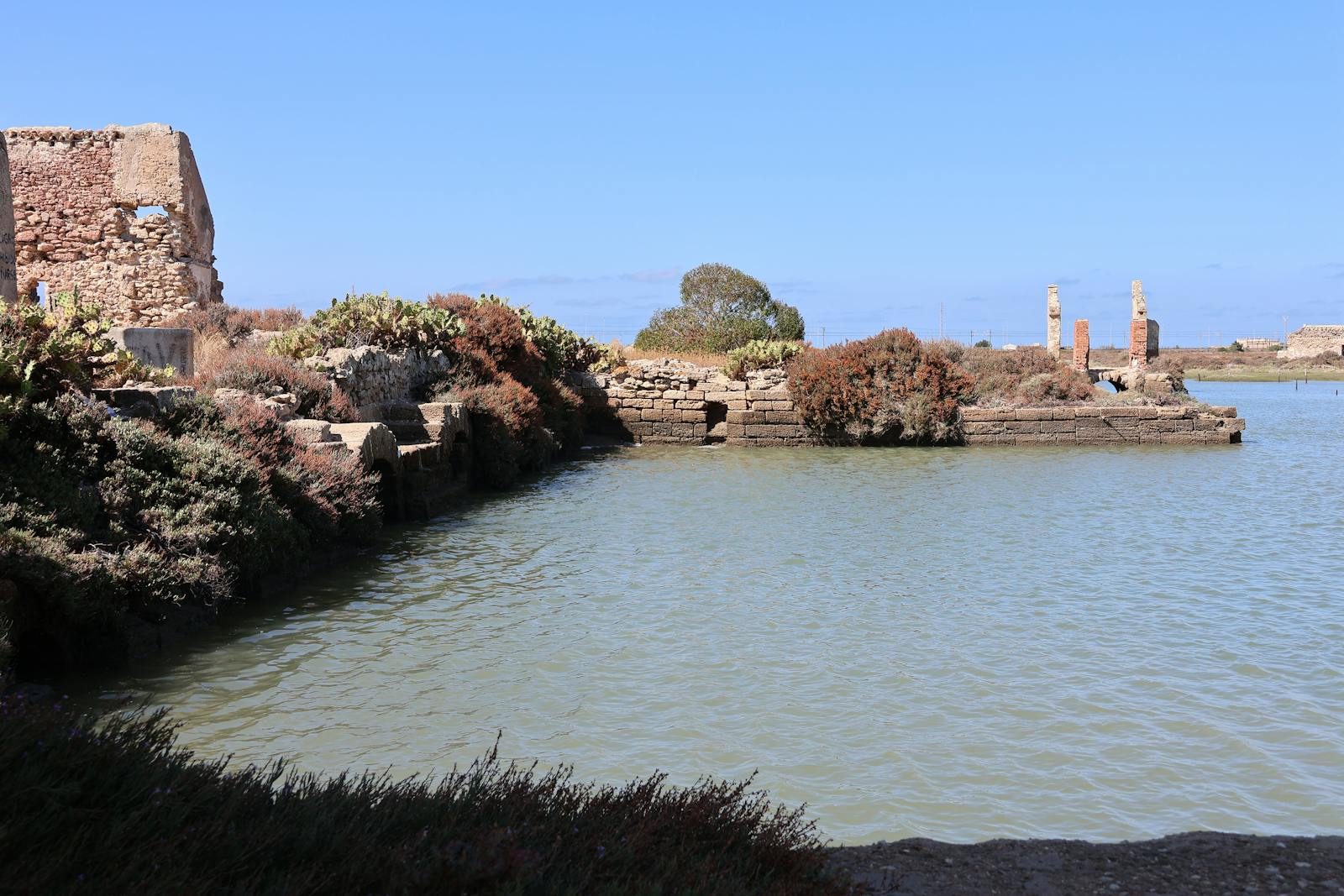
The ocean is usually a place where history goes to be forgotten. But along the coast of Italy, the tide is starting to give back what it stole 2,000 years ago. A massive Roman port, once the most important naval base in the Mediterranean, is re-emerging from the waves. This isn’t just a few scattered stones; it is a sprawling industrial complex of docks, warehouses, and grand villas. Known as Baiae, this “Vegas of the Roman World” was once the playground for emperors like Nero and Caesar before it was swallowed by a shifting coastline and volcanic activity.
Now, due to a geological phenomenon called “bradyseism,” the ground is actually pushing back up. People walking along the beach are finding that they can see ancient mosaic floors just inches below the water. Divers are swimming through underwater hallways that were once filled with the most powerful people on Earth. This re-emergence is providing a “perfectly preserved” look at Roman engineering that has been frozen in salt water for two millennia. But the real secret isn’t the gold; it’s the concrete.
The Concrete That Gets Stronger in the Sea
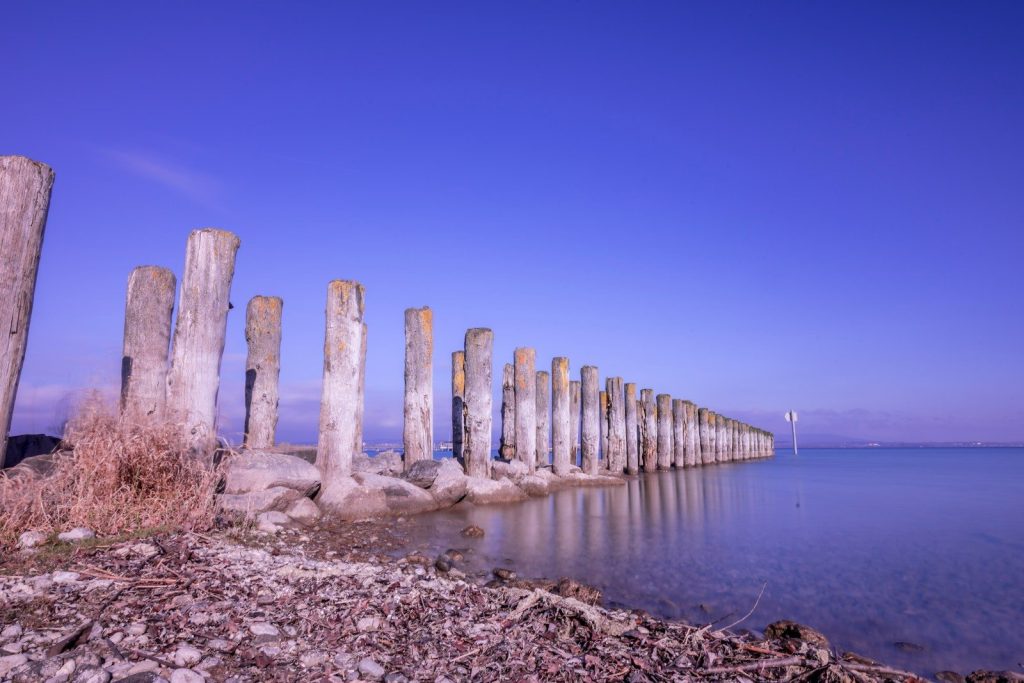
Modern concrete starts to crumble in salt water within 50 years. But the Roman docks of Baiae are still perfectly intact after 2,000 years. Scientists have just discovered the secret: they used volcanic ash from nearby Mount Vesuvius. This ash creates a chemical reaction with the salt water that actually grows new minerals inside the concrete, making it stronger over time. We are literally studying these re-emerging walls to learn how to build better sea walls for our modern cities. The Romans solved a problem we are still struggling with today. But what were they hiding in those luxury villas?
The Sunken Playground of the Emperors
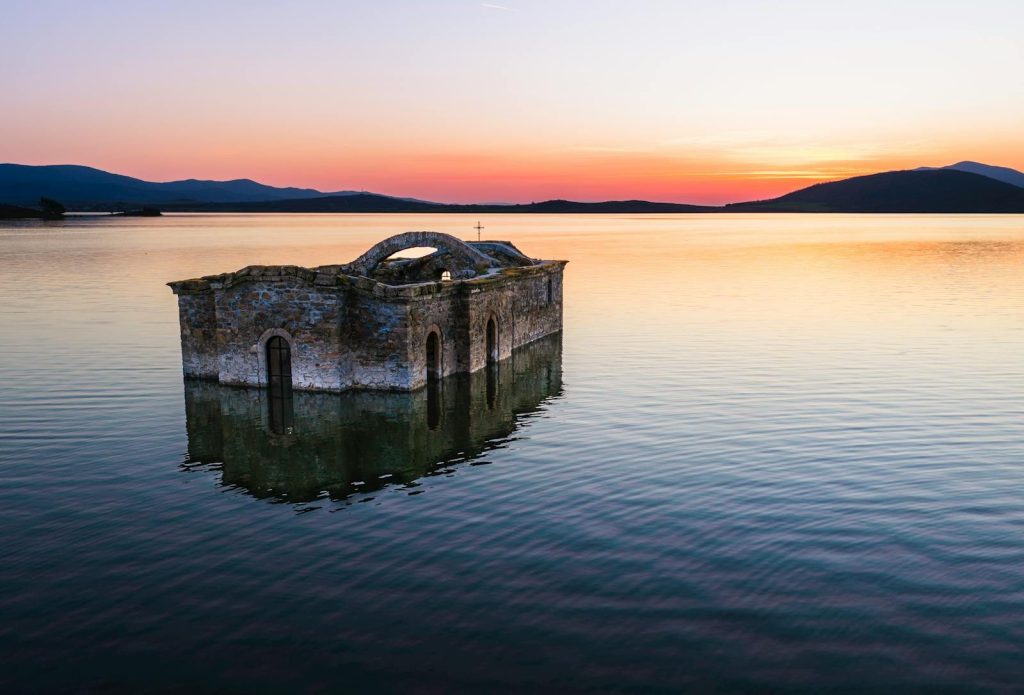
Baiae wasn’t just a port; it was a resort for the elite. The re-emerging ruins include massive thermal baths and banquet halls where the wealthy would feast for days. Archaeologists have found statues of gods and goddesses that look as if they were carved yesterday. The salt water has acted as a shield, protecting the delicate marble from the air. We are seeing the true decadence of the Roman Empire, right down to the “heated floors” that were powered by the nearby volcanoes. But the port also carried a much darker cargo.
The Trade Hub for an Empire’s Greed
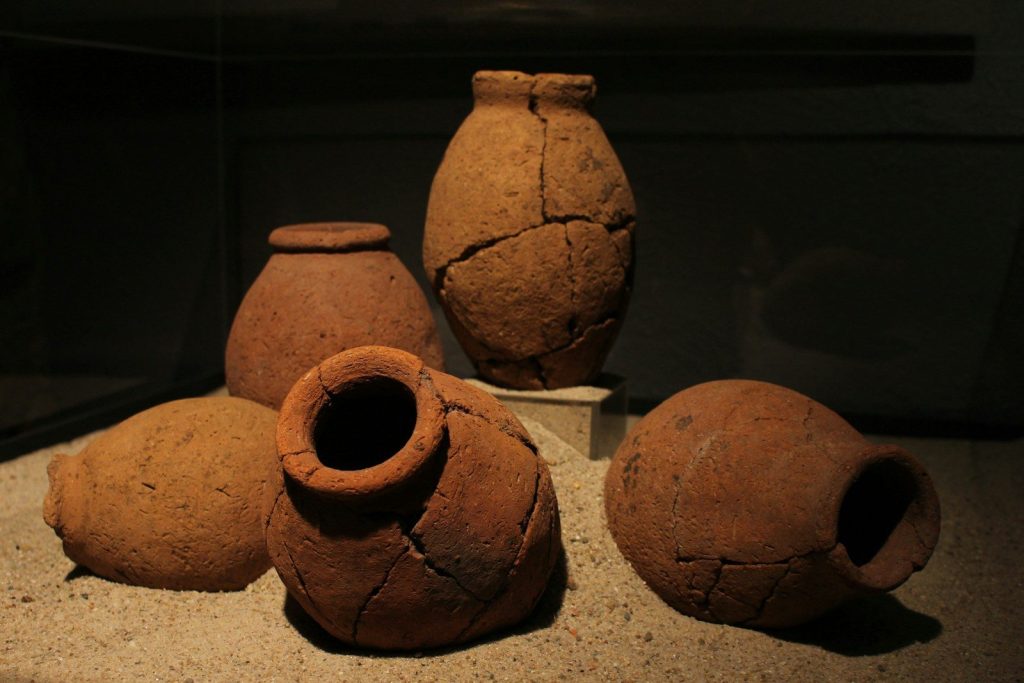
Through these docks, the Romans imported everything from Egyptian grain to African lions. It was the “Amazon Hub” of the ancient world. The re-emerging warehouses are still full of giant clay jars, or “amphorae,” that once held wine, olive oil, and fish sauce. By studying the residue inside these jars, we are learning exactly what the Romans were eating and where it came from. It is a map of global trade that existed long before the modern world. But there is a hidden danger in the port that is also re-emerging.
The Volcanic Fire Still Burning Below
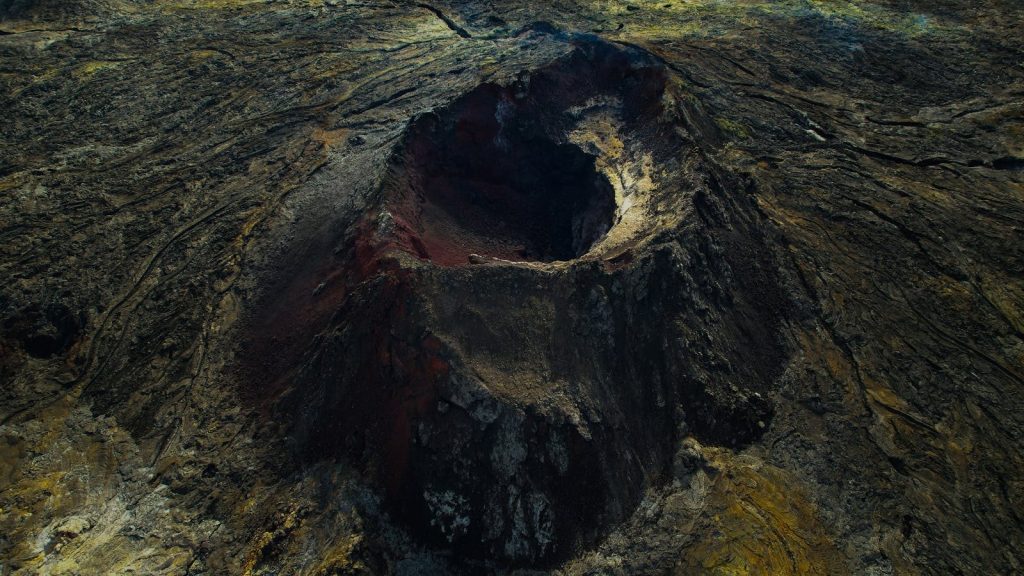
The same volcanic energy that gave the Romans their concrete and their hot baths is what destroyed the city. Baiae sits on the “Phlegraean Fields,” a massive super-volcano that is still active today. The ground is constantly moving up and down as the magma “breathes” below. The re-emergence of the port is a sign that the pressure is building up again. While archaeologists are excited, local residents are worried. The city is a beautiful warning that the Earth can take back what it gives at any moment. But wait until you see the “ghost ships” found in the mud.
Ships That Never Made It Home
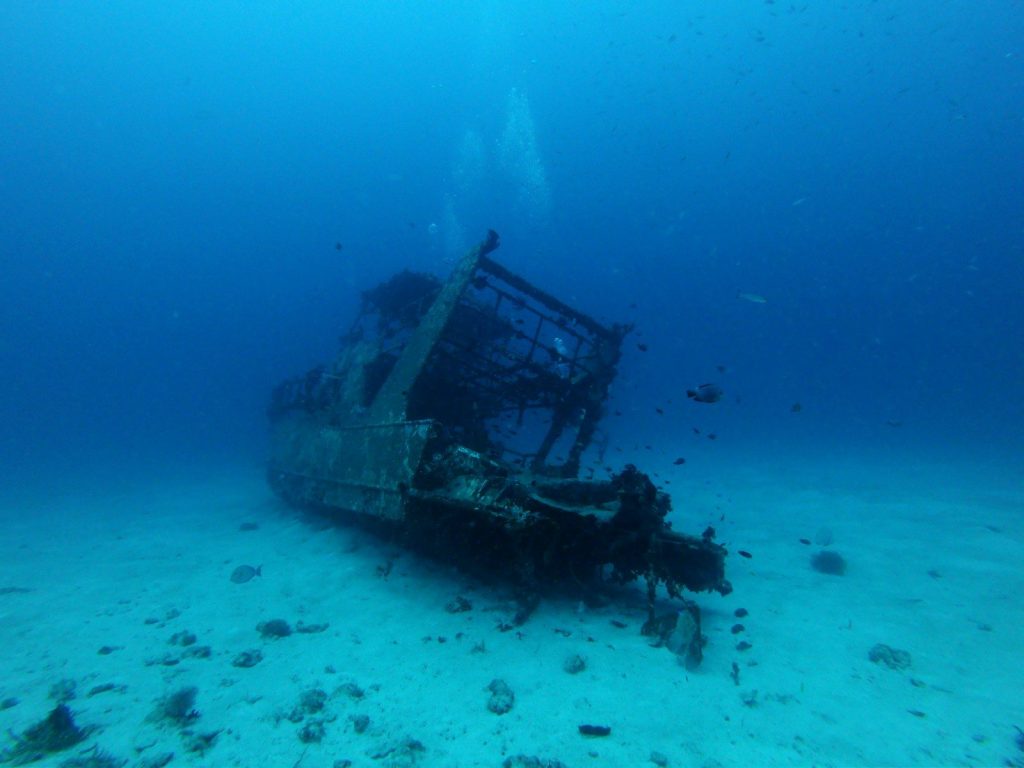
As the water recedes, the outlines of ancient Roman galleys are appearing in the silt. These ships were likely sunk during the massive earthquakes that eventually drowned the city. Inside these wrecks, researchers are finding the personal belongings of the sailors—shoes, dice for games, and even small religious charms. It makes history feel much more personal. These were real people who lost their lives in a sudden disaster. We are finally telling their stories for the first time. But is the port about to disappear again?
The Race to Map the Sunken City
Geologists say the ground will eventually sink back down. We are living in a brief “window of time” where the port is visible. Teams of scientists are using 3D scanners to create a digital twin of Baiae before it returns to the abyss. They want to ensure that even if the physical city is gone, the data will live on forever. This digital heritage will allow future generations to “walk” through the port in virtual reality. It is the ultimate merger of ancient history and future tech. But what if this isn’t the only city coming back?
The End of the Sunken Mystery
The re-emergence of Baiae is a reminder that history is never truly gone; it’s just waiting for the right moment to return. This Roman port is teaching us about engineering, trade, and the raw power of our planet. As the waves retreat, we are forced to confront our own relationship with the sea. Will our cities one day re-emerge for a future civilization to study? The clock is ticking, and the tide is always moving. Are you ready for the next big discovery that is already hitting the news?
Featured Image: Photo by Antonio Garcia Prats on Pexels
Leave a Reply