
Historians usually assume that ancient shipwrecks hold the only surviving Roman treasures. We believe these deep ocean ruins are our sole window into classical history.
But a legendary European lake is shattering this long-held archaeological belief. Divers exploring these dark waters have just made a stunning discovery on the muddy bottom.
Deep Dark Waters Hide Secrets
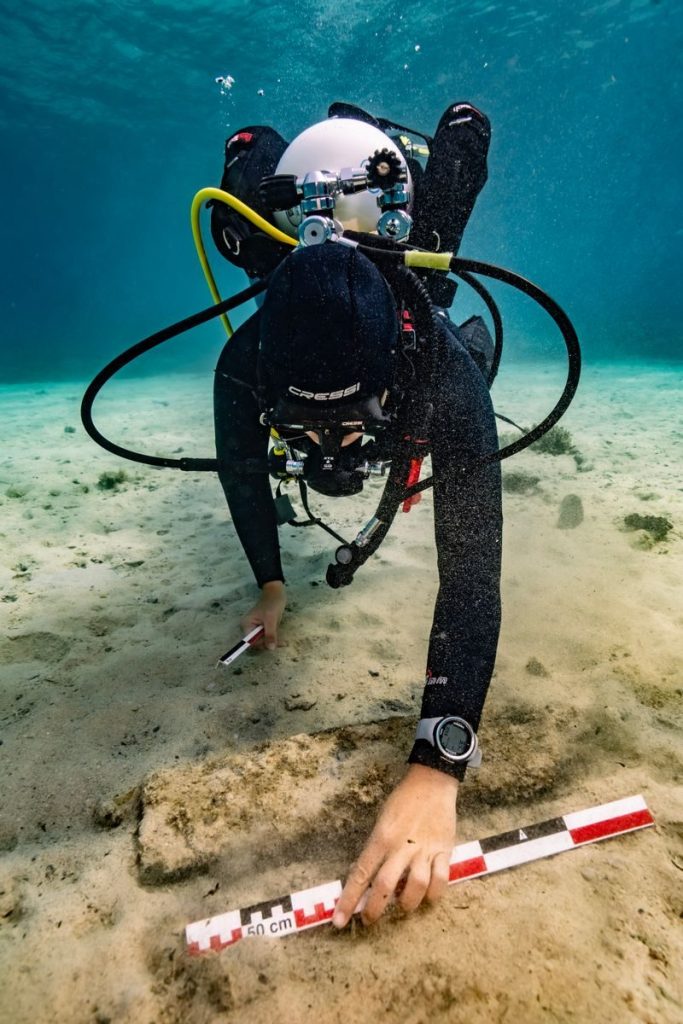
Explorers recently focused their attention on a massive water basin in Italy. This body of water reaches depths of over one hundred fifty meters. It is incredibly deep. According to reports from the Italian Ministry of Culture, specialized diving teams discovered thousands of ancient metal pieces buried in the silt. This muddy floor hid items that nobody expected to find.
Priceless Coins Defy Natural Decay
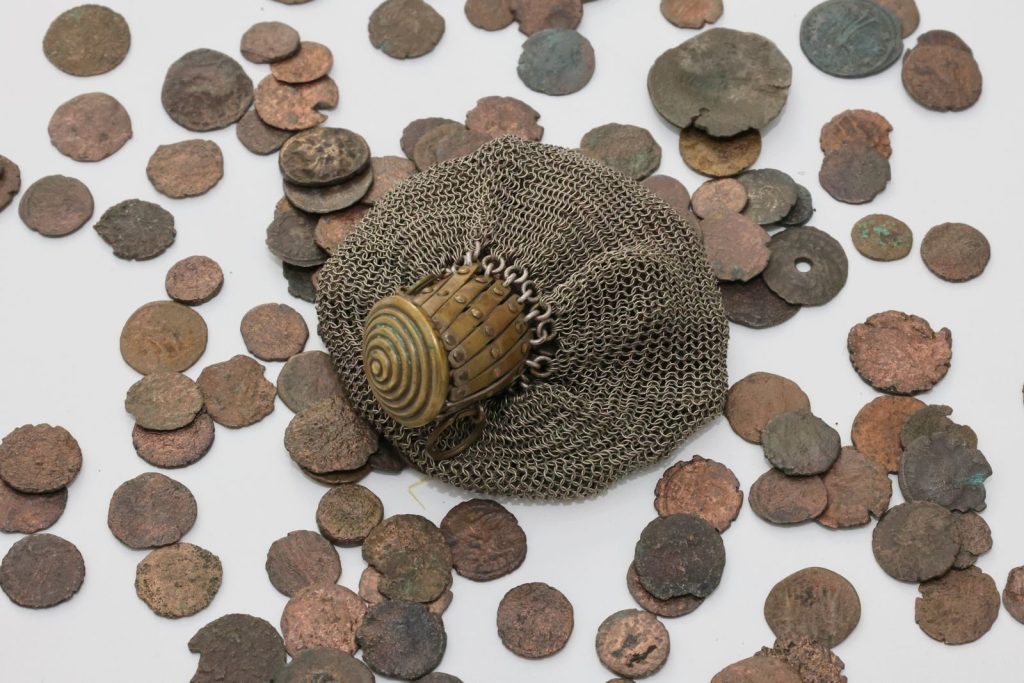
The divers recovered thousands of perfectly preserved bronze coins dating back to the Roman Republic. Time had stopped. According to archaeological conservationists at the University of Pisa, the unique chemical balance of the lakebed clay prevented corrosion. These pristine coins look almost brand new. But the mud also concealed much larger treasures.
Heavy Bronze Statues Rise Again

Robotic arms eventually pulled massive bronze figures out of the thick sediment. They were heavy. According to archaeological reports published by the National Institute of Geophysics, these figures represented deities and imperial family members. Artists crafted them over two thousand years ago. Experts soon realized these statues were not dropped by accident.
Mysterious Sacrificial Offerings Discovered

Ancient Romans traveled to this deep lake to offer valuable gifts to water spirits. It was sacred. According to historical studies from the University of Rome, worshippers deliberately threw statues and gold into the center of the lake during religious rituals. These structural offerings reveal a complex belief system. But one unique artifact baffled the entire excavation team.
Advanced Ancient Engineering Revealed
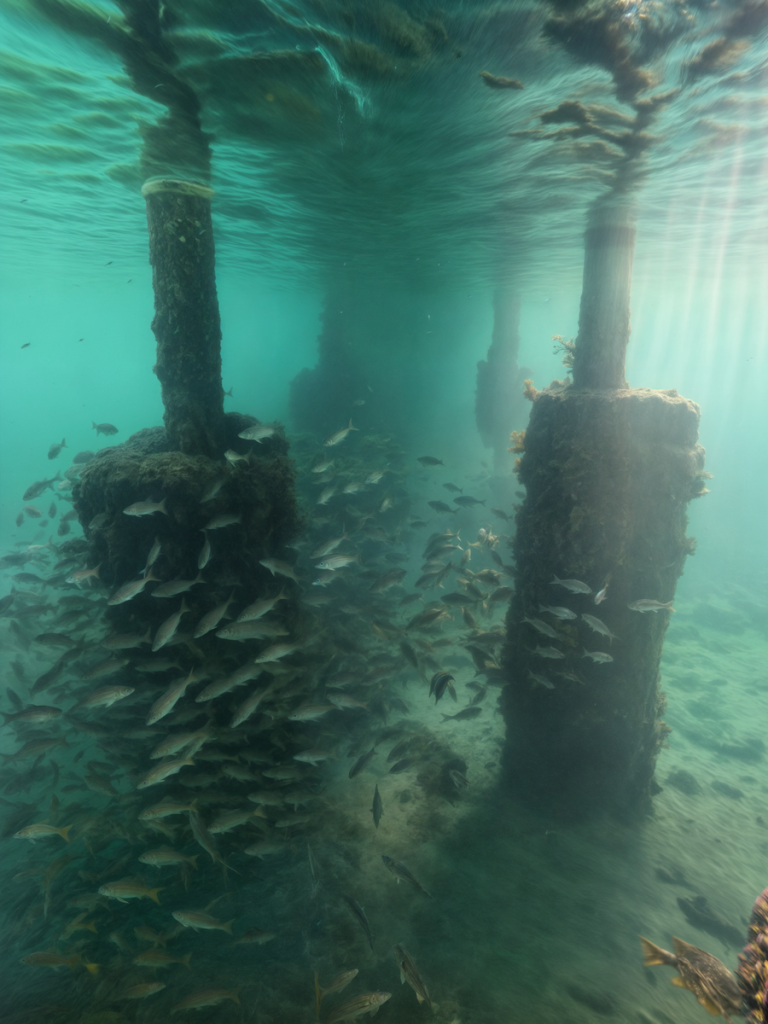
Researchers discovered structured wooden pilings and stone platforms built deep underwater. They were massive. According to engineering analyses from Milan Polytechnic, ancient builders constructed complex docks to support thousands of visiting pilgrims. This structural layout shows Romans had incredible underwater construction skills. Yet the ruins indicate this bustling site met a sudden quiet end.
Volcanic Activity Buries Docks

Seismic shifts eventually forced the sacred lake levels to rise rapidly. Disaster struck fast. According to geological studies from the University of Naples, localized volcanic activity submerged the ritual platforms beneath meters of water. The sacred complex vanished from historical memory. Modern technology was required to unlock these forgotten secrets.
Unlocking Submerged Roman History

This incredible underwater find provides an unprecedented look into ancient European religious life. High-tech sonar and robotic cameras will continue exploring the deepest layers of the lake. According to regional cultural directors, protecting this sunken sanctuary will help rewrite local Roman history. This article is for informational purposes only and does not constitute professional archaeological advice.
Featured Image: Photo by Caroline O.marcel on Pexels
Leave a Reply