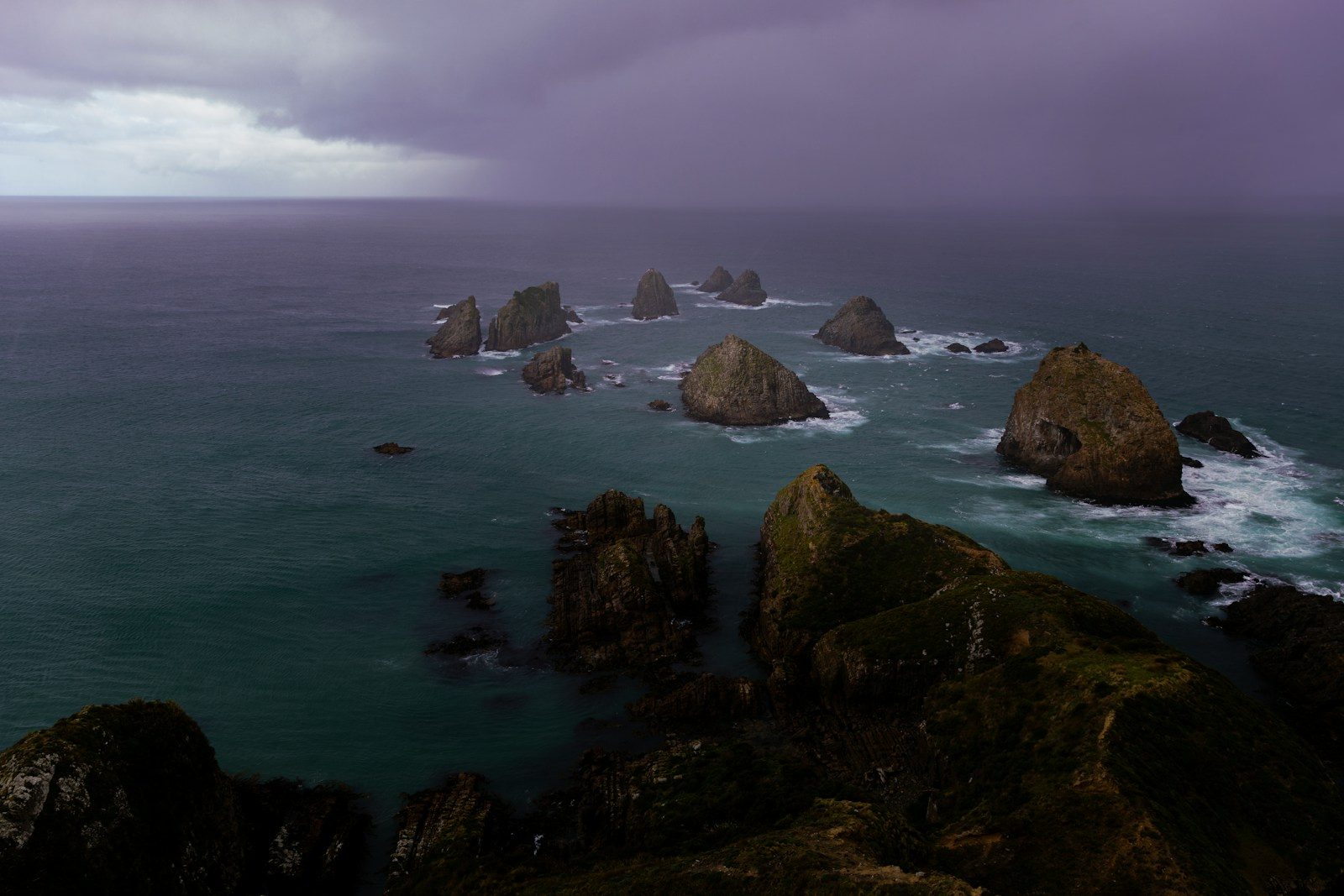
Modern satellites image every square inch of our planet every single day. Most people believe truly unexplored wilderness no longer exists on Earth.
But remote locations across distant oceans and icy plateaus remain virtually untouched by modern civilization. Reaching these distant spots requires extraordinary travel efforts through hazardous environments.
Water Encircled Point Nemo
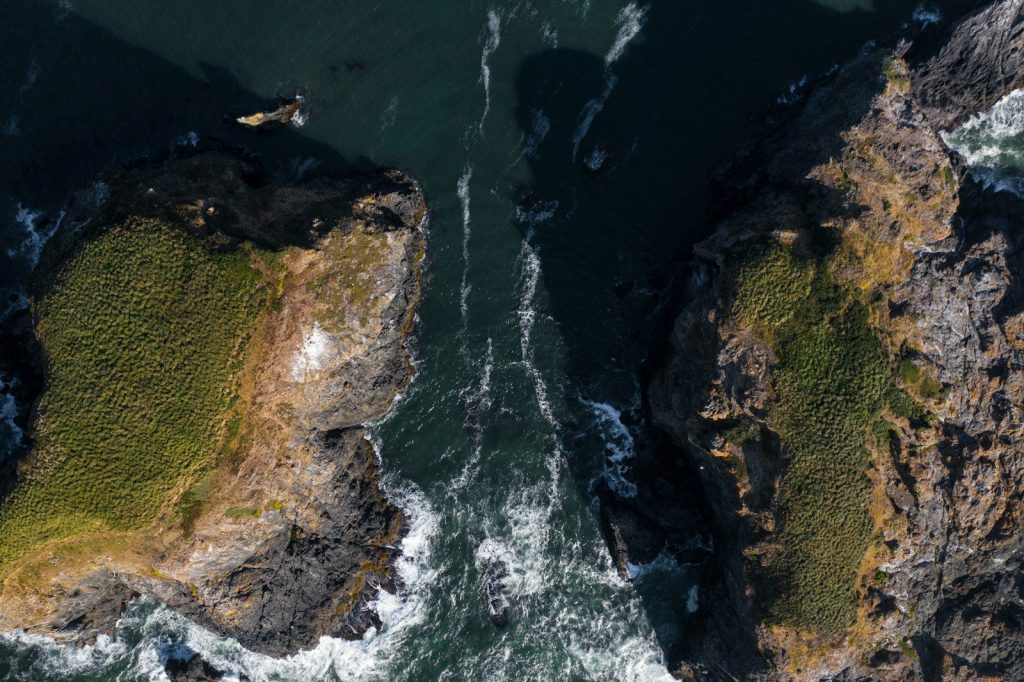
According to oceanographic data from NOAA, the oceanic pole of inaccessibility sits deep in the southern Pacific Ocean. This oceanic spot marks the furthest location from any landmass on the planet. Water surrounds everything. Nearest humans often fly aboard the International Space Station hundreds of miles overhead. That extreme oceanic isolation makes reaching the next closest human community a monumental challenge.
Volcanic Island Community Survival
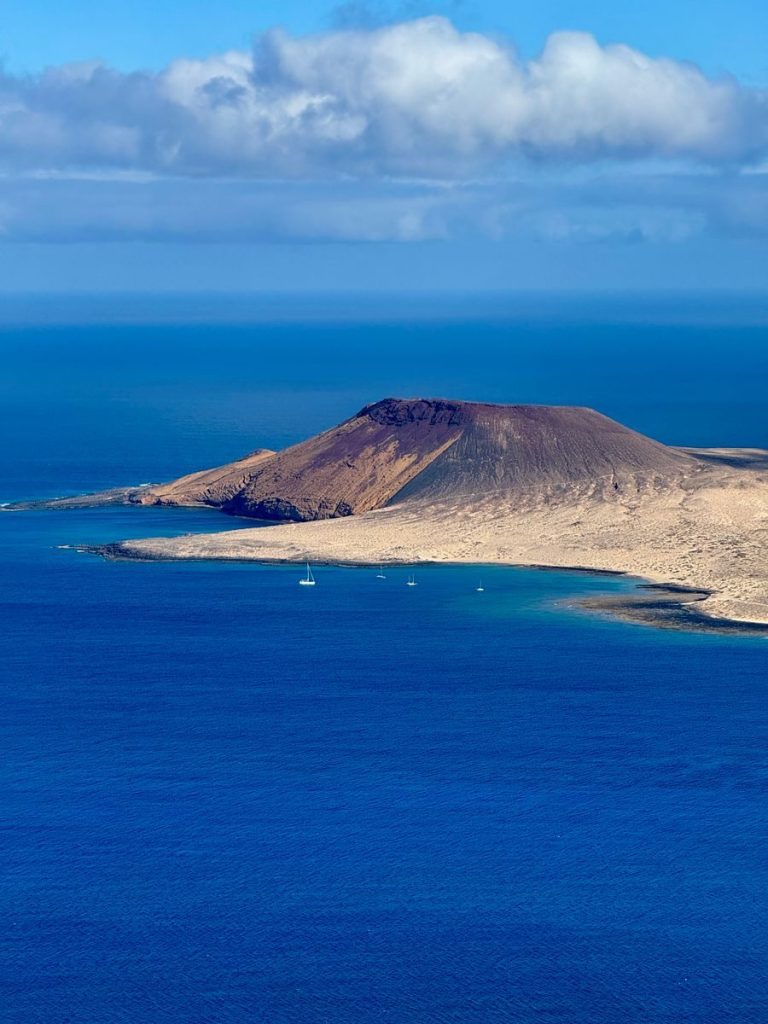
Volcanic peaks emerge from rough South Atlantic ocean waves over fifteen hundred miles from the nearest continental coastlines, according to British territorial records. Small populations live isolated lives on steep rocky cliffs. Ships arrive rarely. Island residents rely entirely on scheduled supply boats arriving a few times each year. That extreme vulnerability forces locals to establish another remote lifeline further north.
Locked In Arctic Ice
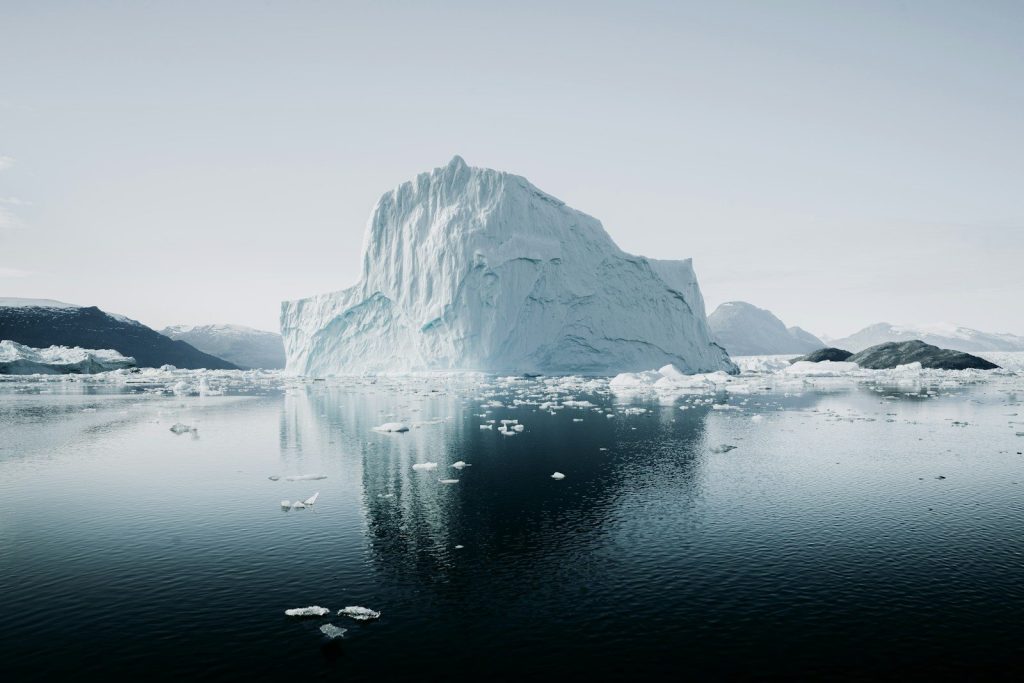
According to Arctic exploration logs, Greenland harbors isolated coastal villages locked in sea ice for the majority of months each year. Helicopters and short summer boats provide sole access routes into this frozen wilderness. Cold winds howl. Residents endure months of polar darkness while hunting wildlife across frozen fjords. That Arctic isolation contrasts sharply with dry desert heights found halfway across the world.
Oxygen-Starved High Plateaus
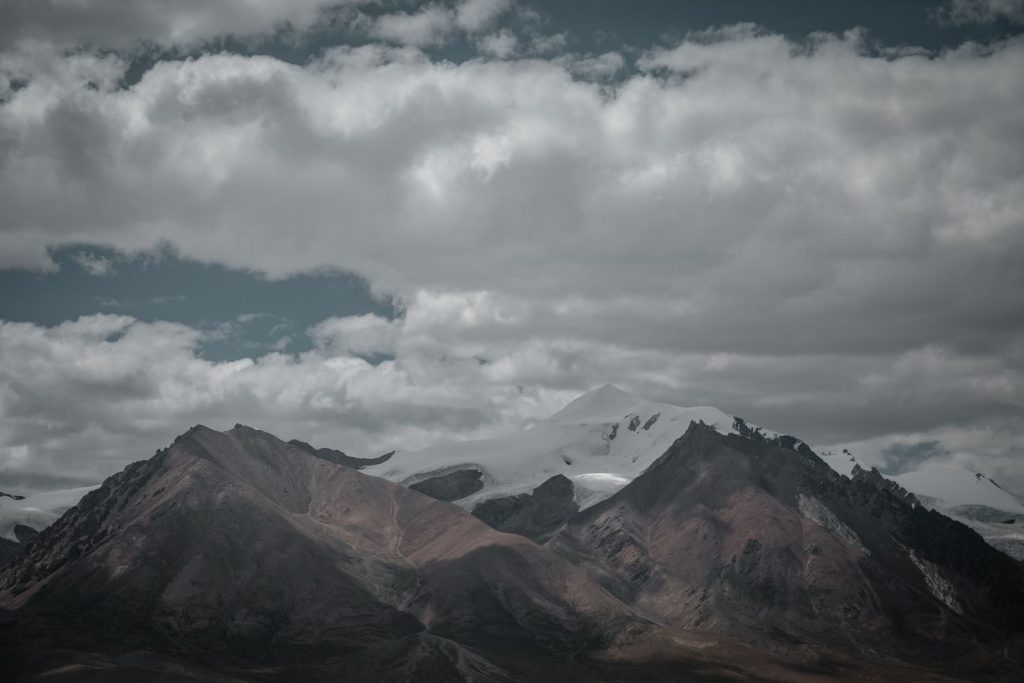
High altitude plateaus stretch across thousands of square miles above mountain clouds in central Asia, according to geographical surveys from Beijing University. Extreme elevation causes oxygen levels to drop significantly for traveling visitors. Mountains guard borders. Large expanses of Changtang reserve remain devoid of permanent human settlements. But the highest peaks hide weather conditions that challenge even the wettest subantarctic islands.
Storm-Battered Southern Islands
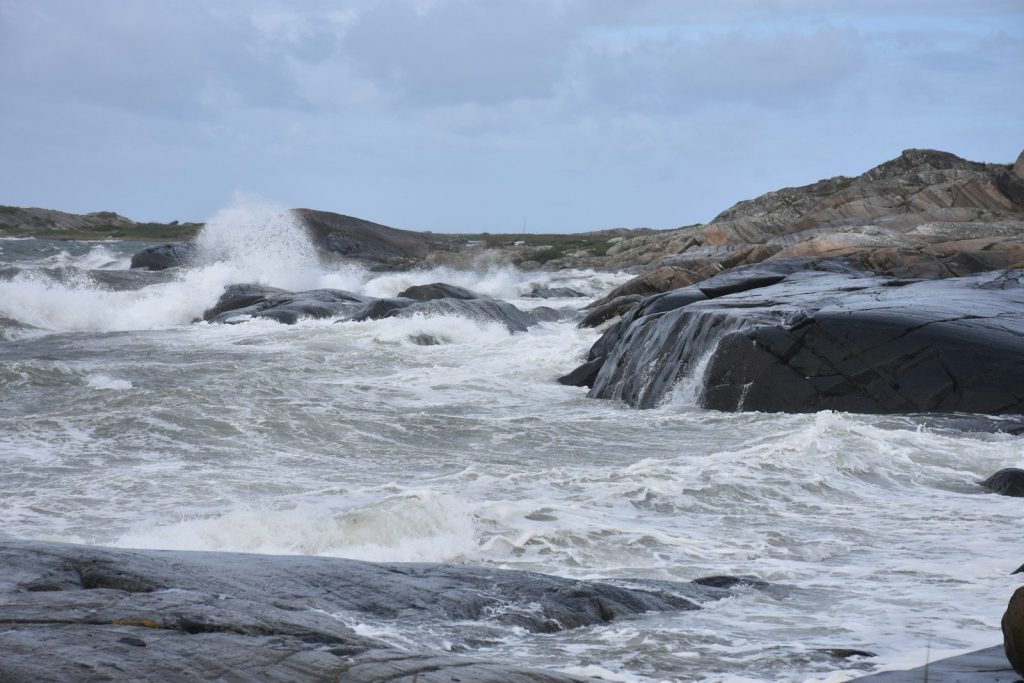
According to French scientific institute reports, desolate islands sit alone in icy southern Indian Ocean waters far south of major shipping routes. Fierce winds batter rocky shores continuously throughout the entire year. Trees cannot grow. Non-permanent researchers form the only human presence across these storm-swept subantarctic islands. That cold climate isolation is mirrored by dense biological barriers inside tropical forests.
Jungle Barriers Protect Tribes
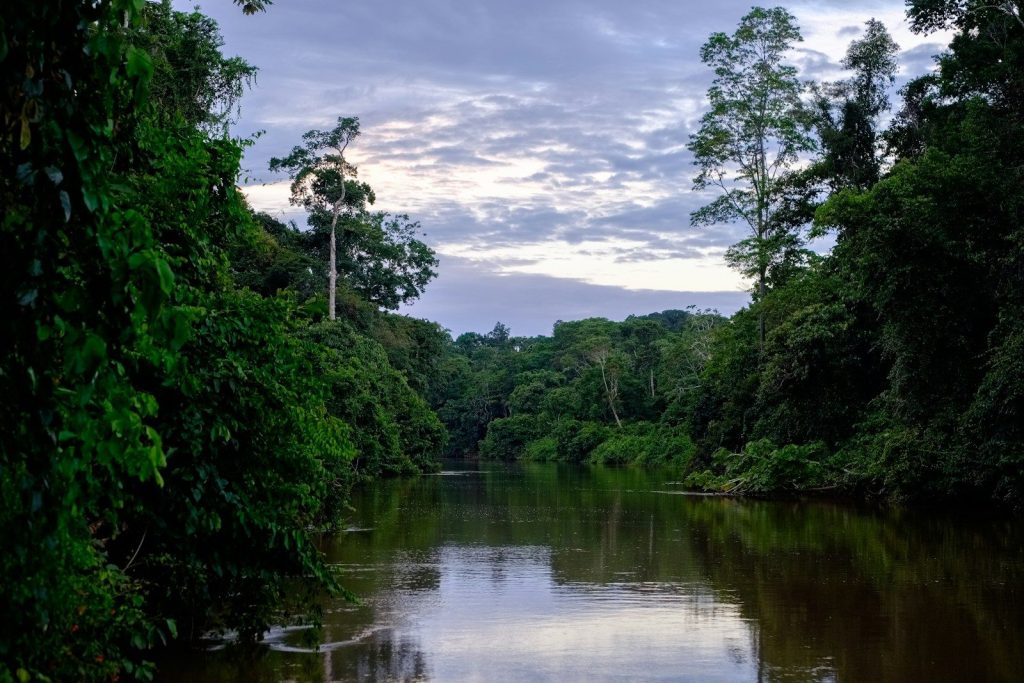
Dense rainforest canopy covers unmapped river basins deep within western Amazon territories, according to Brazilian indigenous protection agency records. Intact forests protect indigenous groups living completely separate from modern society. Boundaries stay protected. Government laws prohibit outsiders from entering these designated rainforest reserves. This strict separation keeps these ancient communities hidden as researchers look for ways to protect global wild spaces.
Preserving Silent Wild Areas
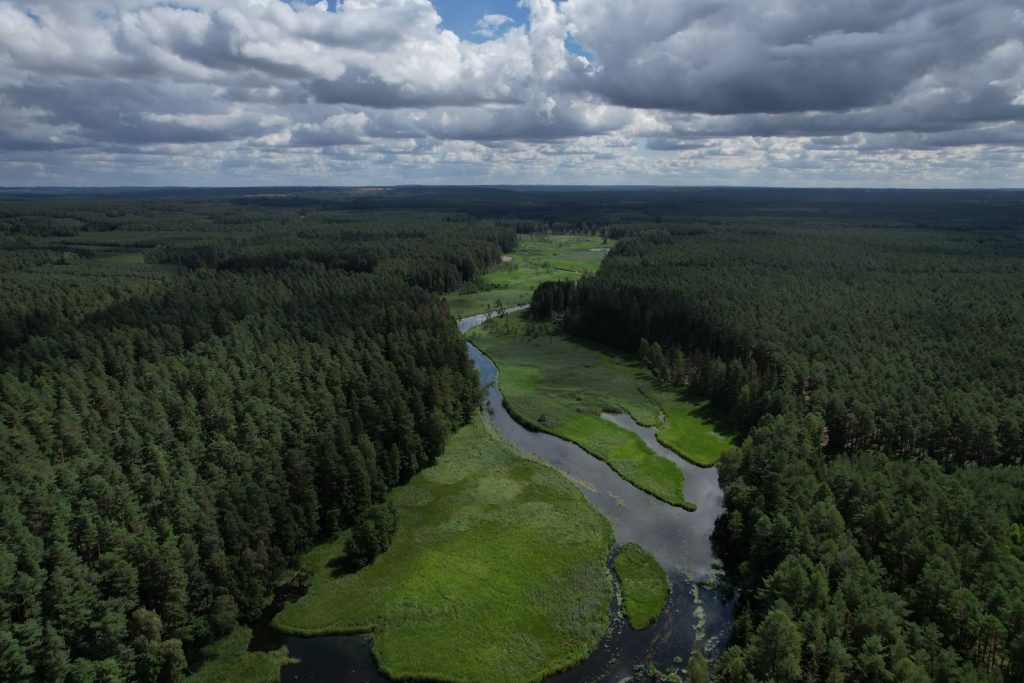
Exploring isolated regions reminds researchers how vast and diverse our planet remains today. Satellite communications now bridge geographic gaps, yet extreme environments continue to limit human footprint expansion. According to global conservation organizations, safeguarding remote sanctuaries protects fragile ecosystems and biodiversity for future generations. This article is for informational purposes only and does not constitute professional survival advice.
Leave a Reply