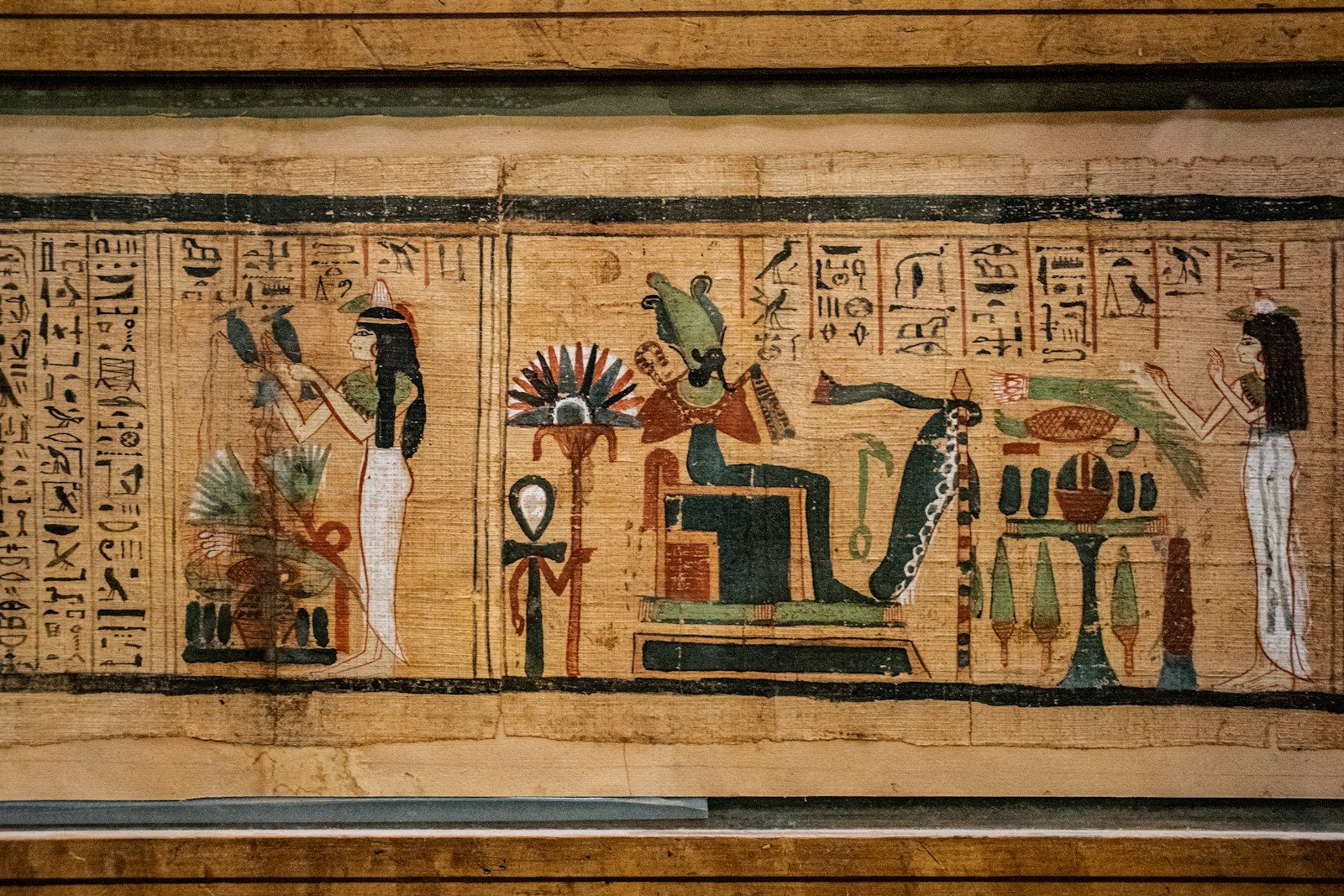
Most people assume that ancient Egyptian artists painted perfect masterpieces on their first try. We believe their highly stylized temple drawings were created without any errors.
But advanced scientific imaging has revealed a surprisingly human side to their work. Scientists recently found evidence that ancient painters constantly made and corrected mistakes.
The Hidden Paint Layers

Modern eyes only see the top layer of beautifully preserved temple and tomb murals. According to a study in PLOS One, researchers used chemical scanning to look beneath the surface. They found hidden layers. These invisible drawings show that artists frequently changed their minds during the creative process. But finding these corrections required technology that was completely unavailable to previous generations of scholars.
The Ancient Chemistry Lab
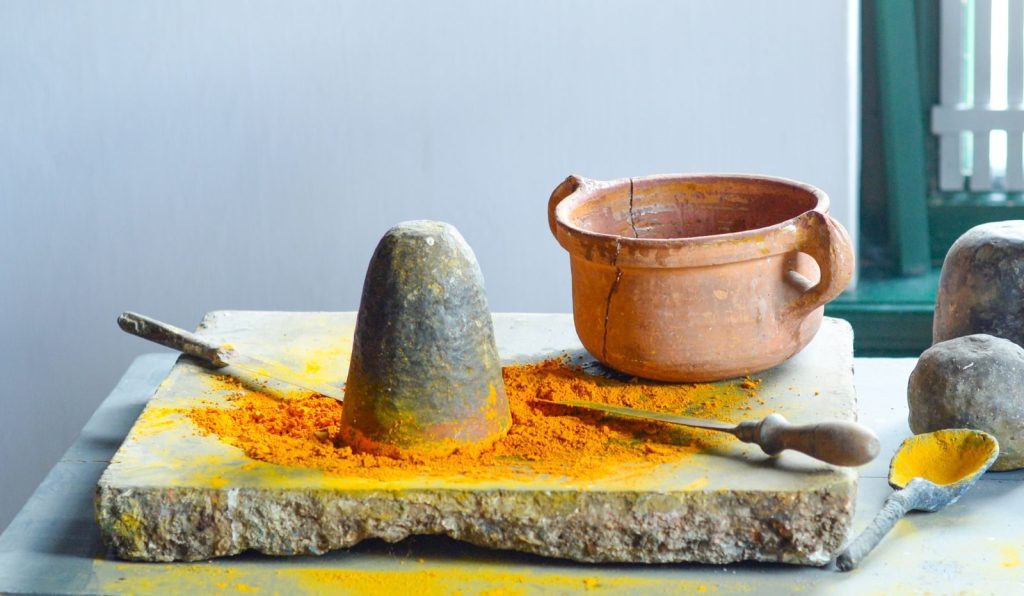
To cover up their initial mistakes, Egyptian painters had to develop a special correction fluid. According to chemical analysis, they used highly concentrated white pigments to paint over their errors. It was an ancient whiteout. This thick cover allowed them to restart their work on a clean slate. But this chemical solution was only the beginning of their sophisticated artistic toolkit.
Analyzing The Secret Pigments
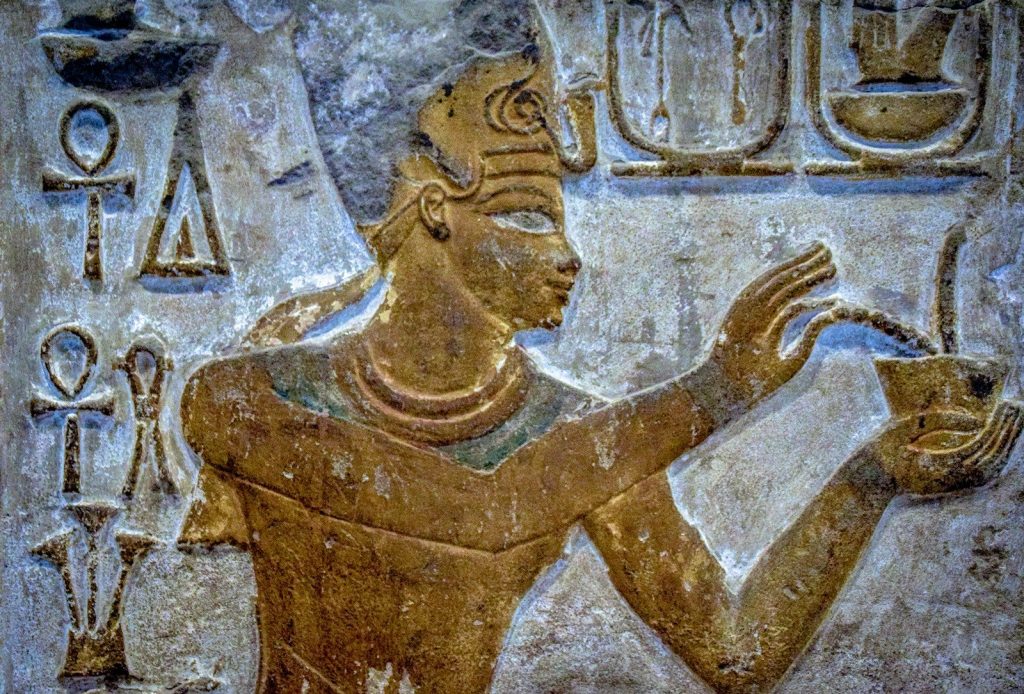
The white cover-up paint consisted of a precise mixture of local minerals and plant binders. According to materials scientists, the painters used huntite and calcium carbonate to achieve a thick, opaque layer. This was pure science. This specific blend dried quickly and prevented the underlying dark pigments from bleeding through. Yet applying this paint required a highly coordinated workshop system.
The Apprentice Workshop System
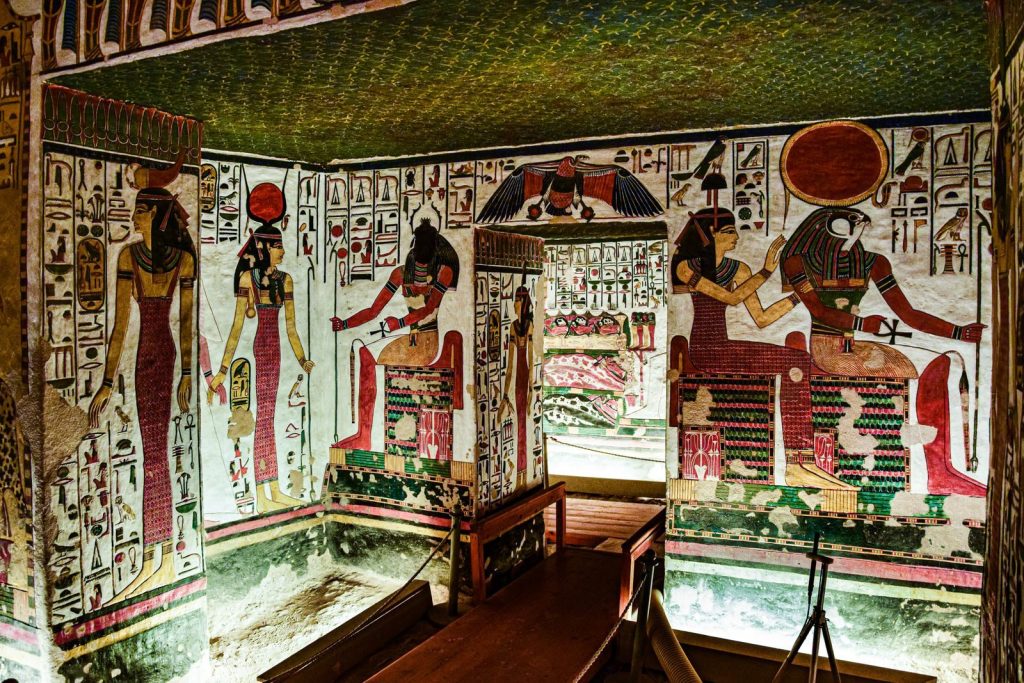
Most temple paintings were not the work of a single master artist acting alone. According to historical records, master painters sketched the initial outlines while apprentices filled in the details. They worked in groups. The masters would then inspect the work and use white pigment to mark corrections. But these corrections reveal a surprising shift in royal artistic standards over time.
Altering Royal Portrait Details
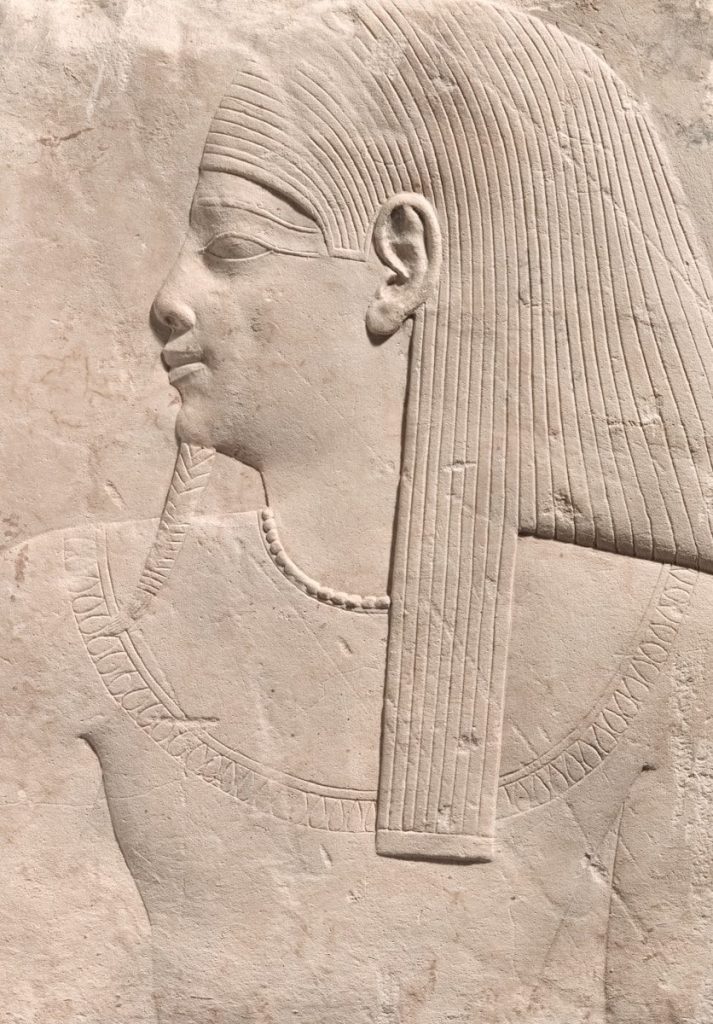
In one tomb, researchers found that a royal portrait had been altered multiple times. According to Egyptologists, the position of the king’s scepter and crown was adjusted after the initial painting. These details were crucial. The changes likely reflected evolving political messages or religious duties during the pharaoh’s reign. However, these adjustments had to remain completely invisible to the public.
Perfecting The Sacred Canon
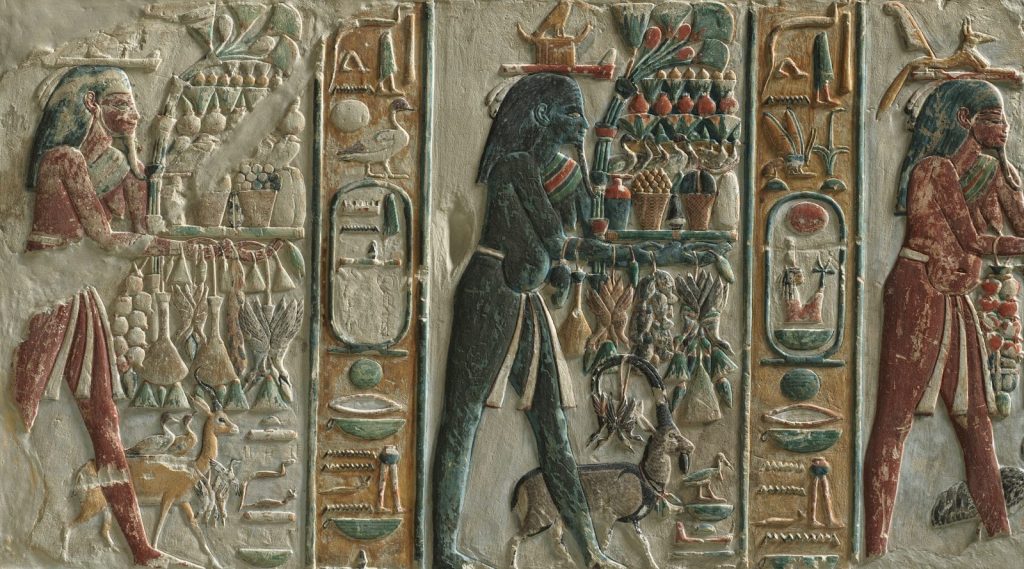
Egyptian religious art followed a highly strict mathematical grid to ensure divine perfection. According to cultural historians, any minor deviation from the sacred proportions was considered a major spiritual failure. Accuracy was absolutely mandatory. The painters used correction fluid to keep their work perfectly aligned with the cosmic order. But this rigid system also allowed for a surprising amount of individual variation.
Uncovering The Real Artists
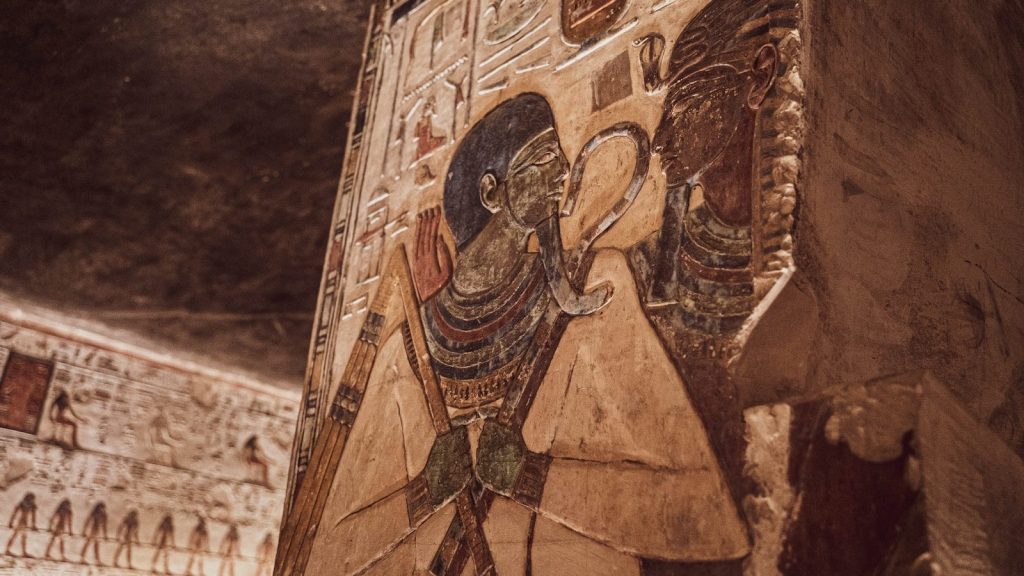
Scanning the paint layers allows us to see the actual hands of the workers at play. According to archaeological reports, these findings give us a rare glimpse into the daily struggles of ancient craftspeople. They were ordinary humans. This perspective breaks down the myth that Egyptian art was mechanical and unchanging. But this technological breakthrough opens up even more possibilities for future historical studies.
A Human Legacy Revealed
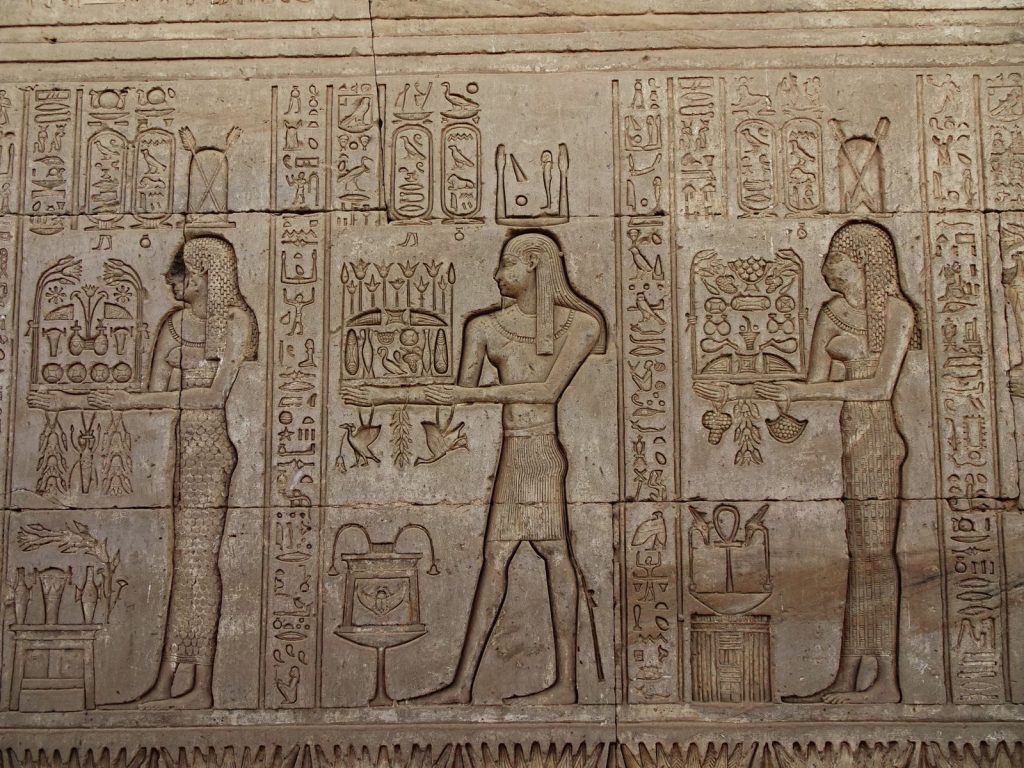
The use of correction pigments proves that ancient masterworks were the result of trial and error. According to modern researchers, these hidden layers highlight the dedication of painters who strived for perfection. They worked with passion. This article is for informational purposes only and does not constitute scientific or professional advice.
Leave a Reply