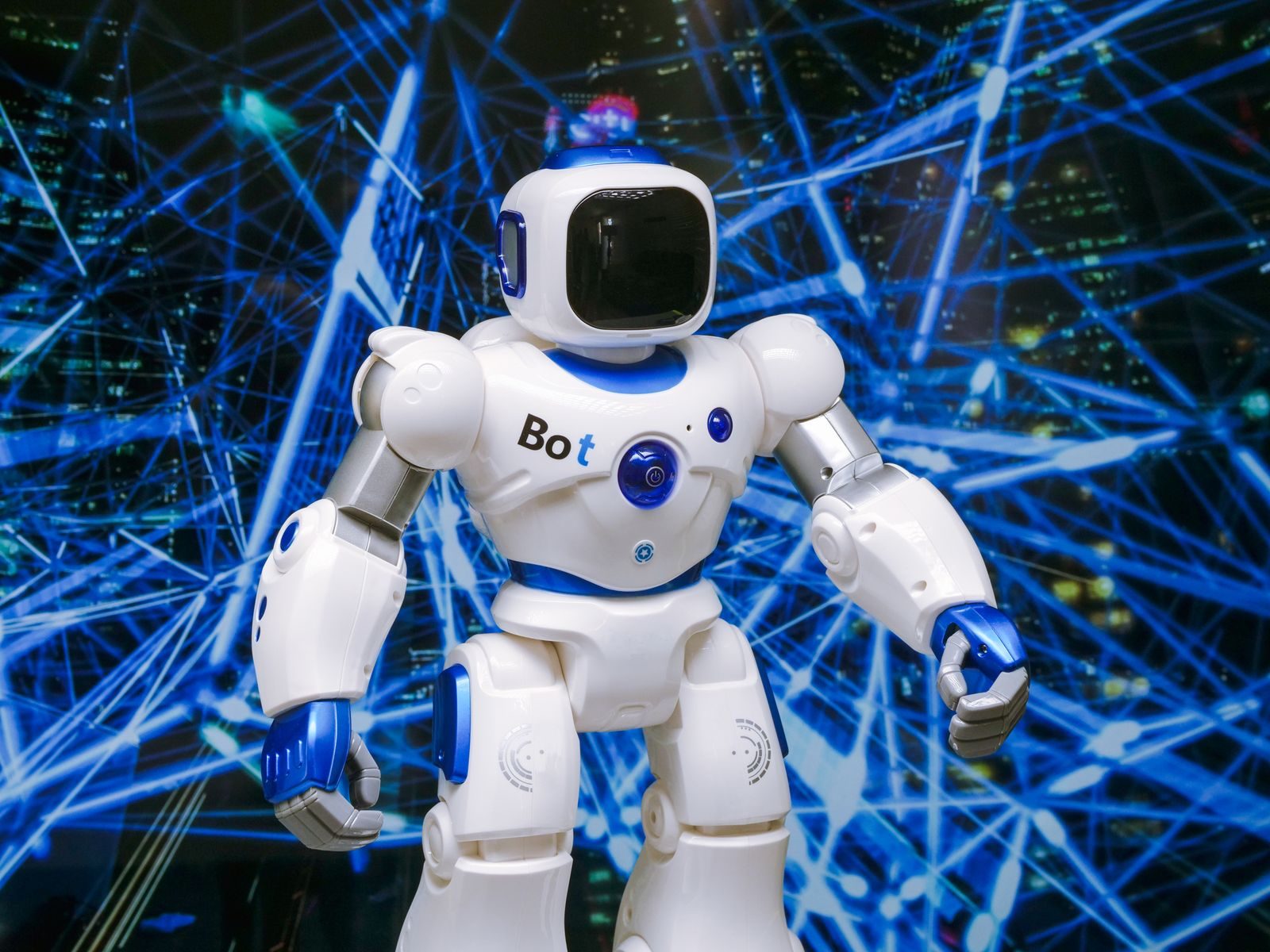
Most people assume that athletic mastery requires years of human muscle memory. We believe that physical reflexes and split-second choices are purely biological traits.
But advanced artificial intelligence is quickly shattering this comfortable boundary. A new generation of machines is conquering fast-paced physical sports at record speeds.
The Ultimate Training Simulation

Teaching a machine to react to a fast-moving ball used to take years. According to researchers at Google DeepMind, advanced virtual training environments now let neural networks practice millions of times in just a few hours. They learn incredibly fast. This virtual preparation allows them to step onto a physical court with flawless instincts. But putting this digital brain into a physical body presents an entirely new set of obstacles.
Overcoming Real World Physics
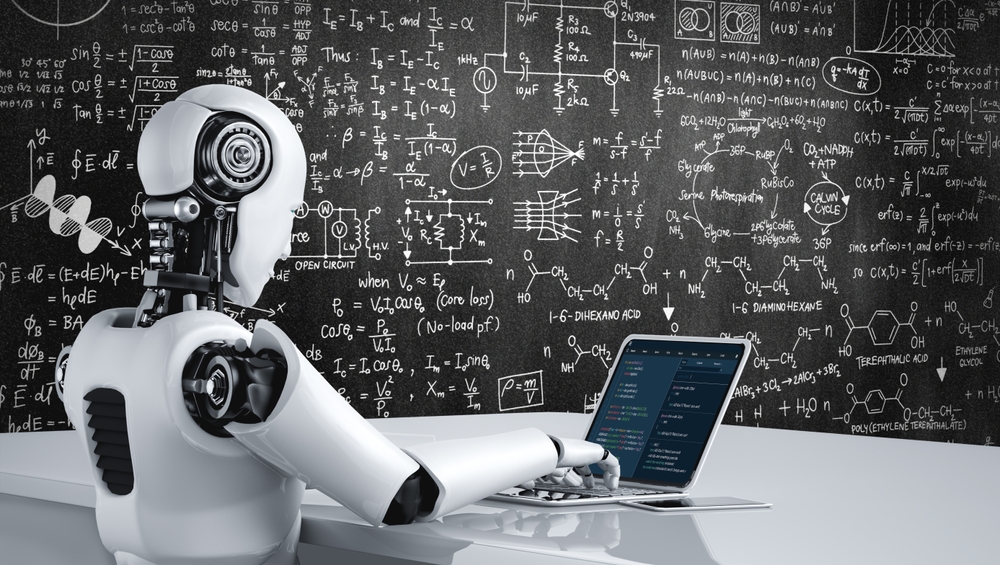
Virtual training lacks the chaotic friction of the real world. According to a study in Science Robotics, physical machines must constantly adjust for minor imperfections in wind, court texture, and gravity. These forces are unpredictable. The robot must calculate adjustments in microseconds while sprinting toward a target. But the way these machines process visual information is what truly sets them apart from humans.
Unmatched High Speed Vision

Human players rely on their eyes to track a moving object. According to reports from the Massachusetts Institute of Technology, advanced robotic players use specialized high-speed cameras that capture hundreds of frames per second. Their tracking is flawless. This constant stream of visual data allows the machine to predict the ball path long before a human brain can even process the movement. Yet this prediction power is only half of the secret formula.
Conquering Human Reflex Speeds
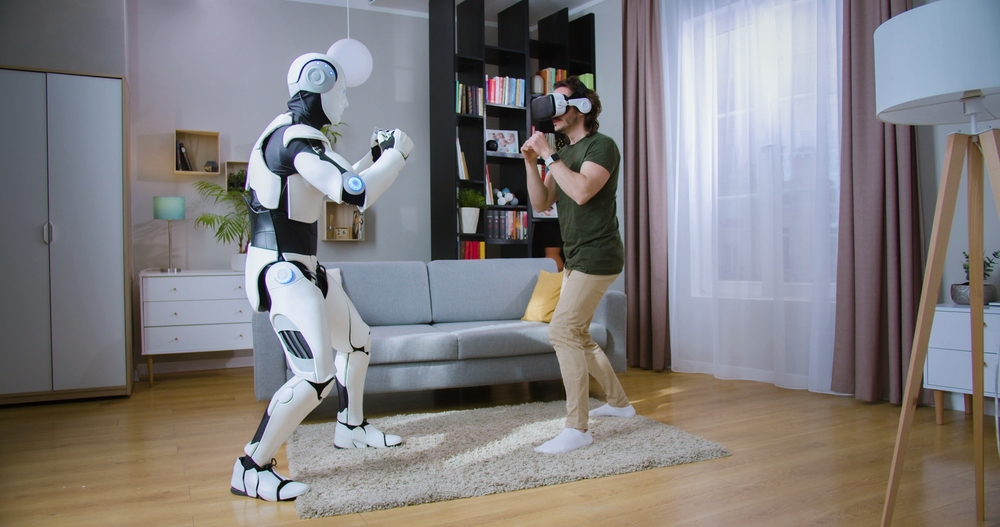
Reflexes are the bottleneck of human athletic performance. According to sports science researchers, the average human reaction time is roughly two hundred milliseconds. Robots are much faster. The latest athletic machines can process data and execute physical adjustments in just a fraction of that time. This extreme processing speed turns a difficult defensive save into a routine response. But this physical dominance raises a massive question about the future of professional competition.
Cracking The Strategy Code

Athletics require more than just raw speed. According to artificial intelligence engineers, a successful robotic player must also learn to read human opponents and anticipate their tactical tricks. This is pure strategy. The machine analyzes the player posture and paddle angle to guess where the ball will land. But this level of tactical analysis is about to expand far beyond the court.
Beyond The Sports Court
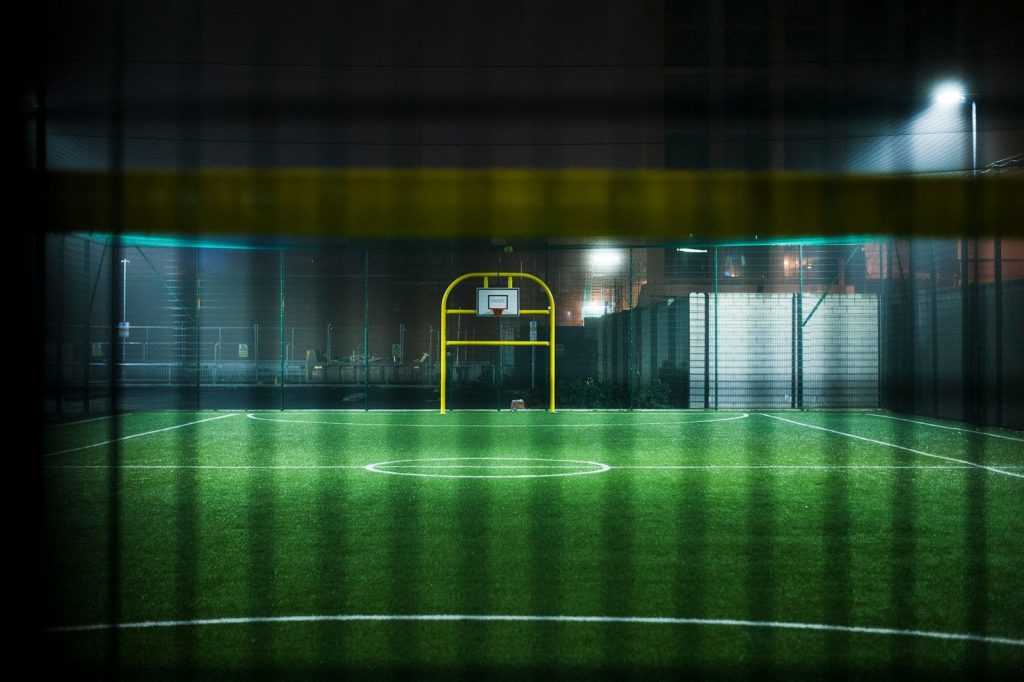
The physical lessons learned on a tennis court have massive real-world value. According to robotics industry analysts, these athletic tests help engineers design better machinery for emergency response and medical surgery. These tasks require precision. The same technology that returns a fast serve can help a medical robot perform delicate procedures. Yet we are only seeing the very beginning of what this technology will achieve.
The Future Of Movement
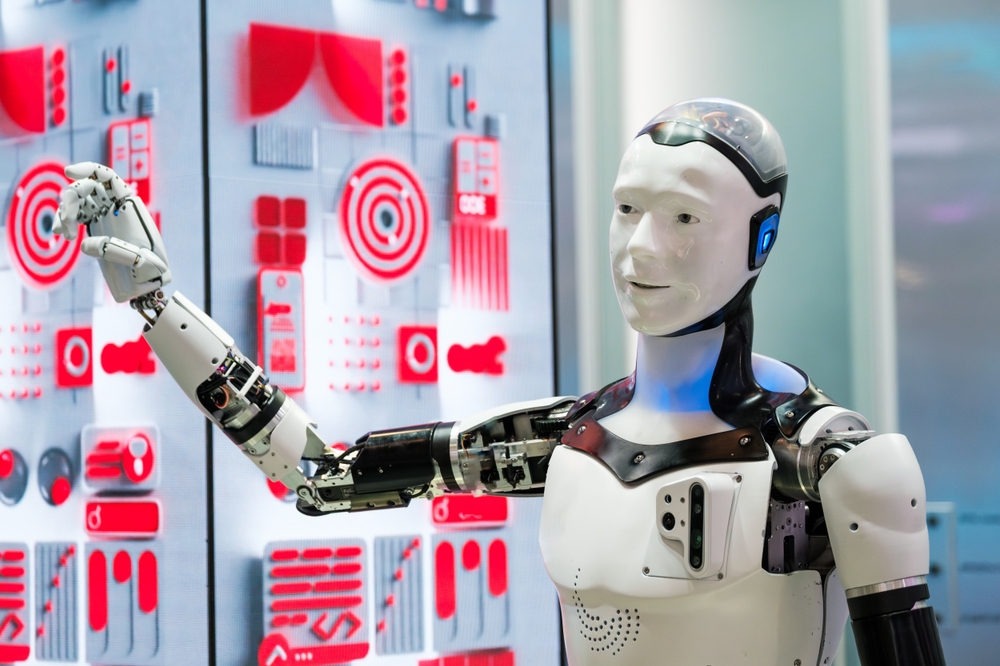
As physical machines continue to adapt, the line between biological reflexes and mechanical precisLicense plate cameras can track your AirPods, pets, new study findings will blur. Our future will be shaped by these moving wonders. According to technology experts at Stanford University, we are entering an era of unprecedented automated agility. The games we play are changing forever. This article is for informational purposes only.
Featured Image: Photo by Kindel Media on Pexels
Leave a Reply