
Geologists have always assumed that the interior of our planet is a uniform and simple stack of rock. We believe the deep mantle holds no secrets related to our survival.
But massive and mysterious structures buried near Earth’s core are telling a completely different story. These continent-sized anomalies might actually be the primary reason life was able to emerge.
The Blobs Under Our Feet
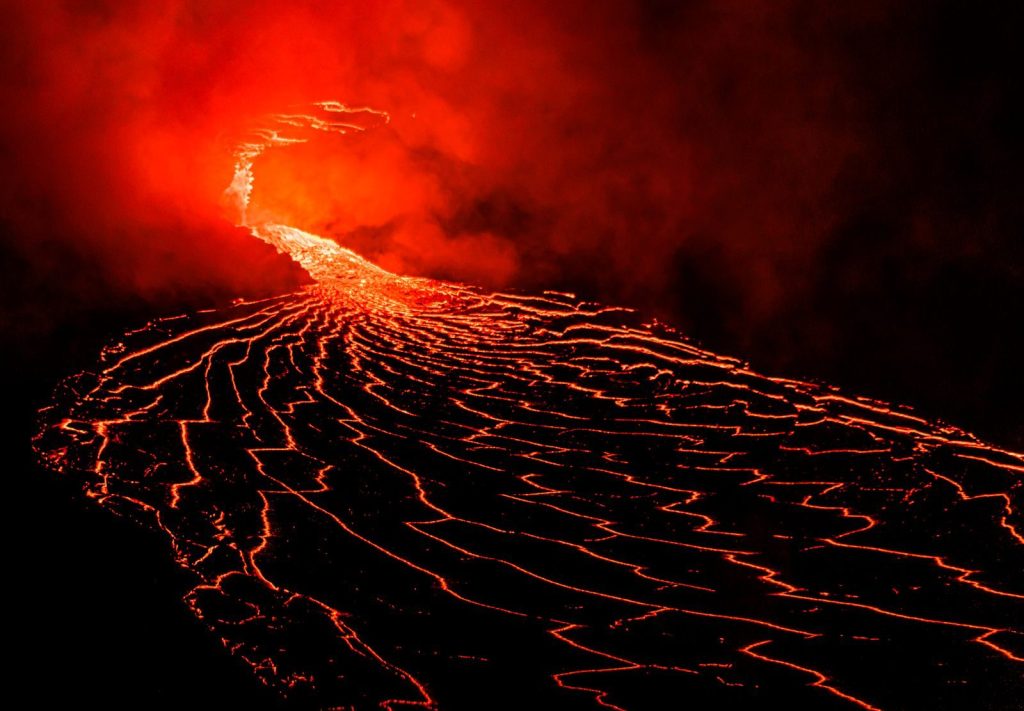
Deep beneath Africa and the Pacific Ocean lie two gargantuan structures of solid rock. They are absolutely massive. According to seismologists, these strange anomalies are larger than continents and sit thousands of miles below our feet. Scientists call them large low-velocity provinces. But their origin is tied to a violent cosmic collision that occurred billions of years ago.
A Brutal Planetary Collision
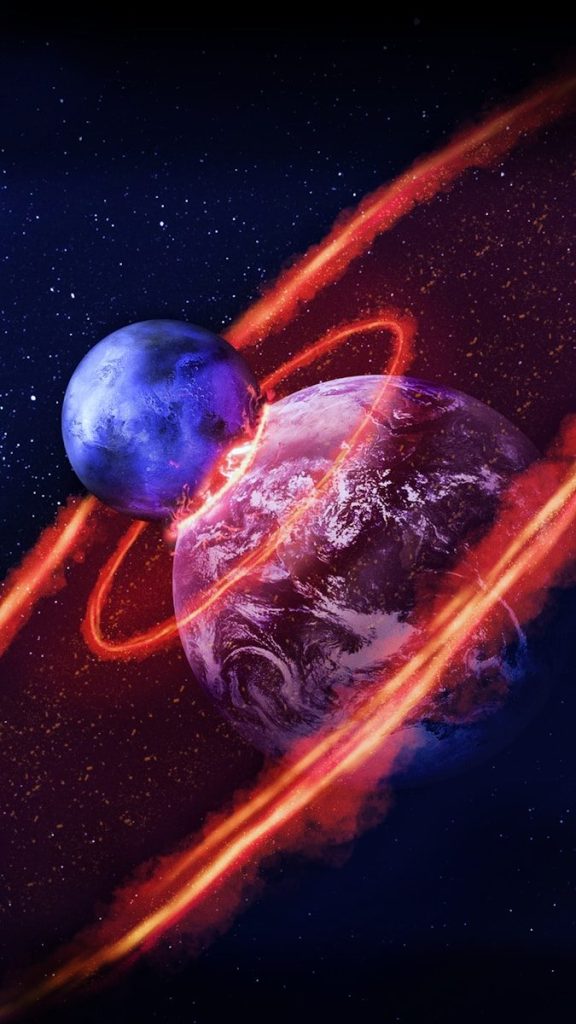
Billions of years ago, a planet-sized object named Theia smashed directly into the young Earth. The impact was terrifying. According to researchers at the California Institute of Technology, pieces of this alien world sank deep into our mantle. These dense remnants survived the heat and settled near our hot core. But these alien structures did not sit quietly in the dark.
Churning The Deep Earth
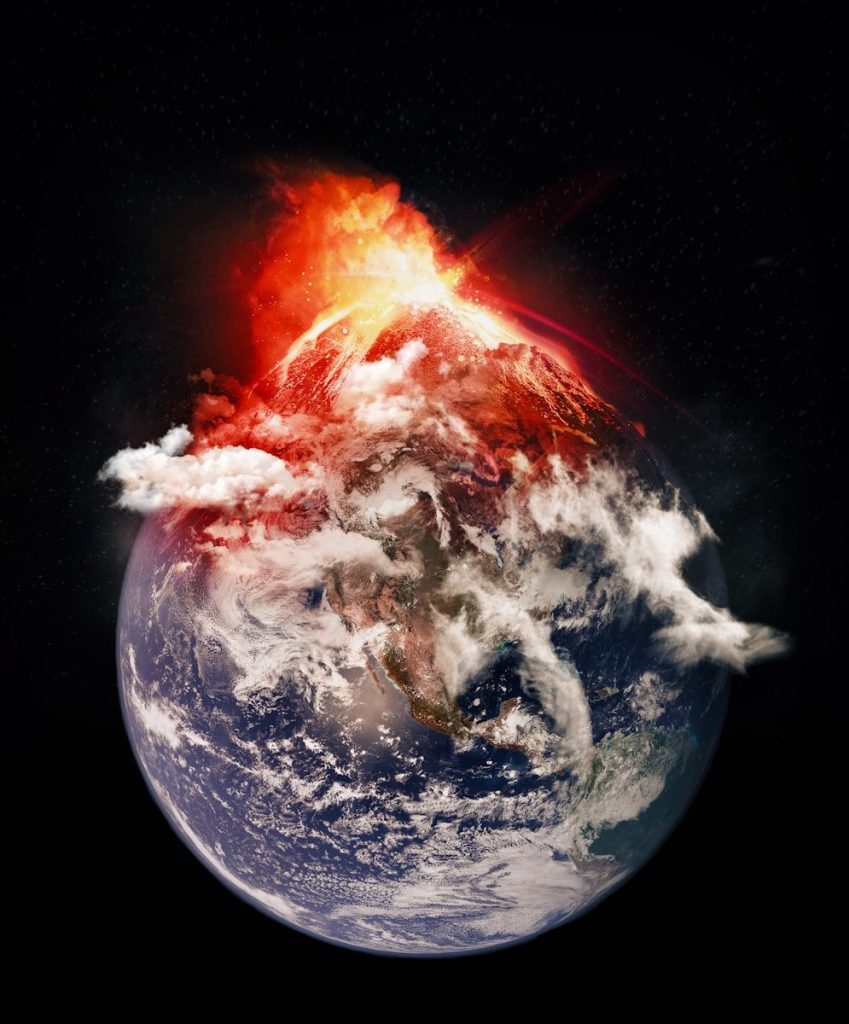
The ancient remnants act like giant thermal engines inside the mantle. They generate intense heat. According to geological models, these structures slowly push massive plumes of hot rock upward toward the surface. This continuous churning forces the crust to move and shapes the layout of our world. But this mechanical activity was about to trigger a crucial environmental shift.
Powering Up Plate Tectonics
The massive heat plumes generated by these underground structures cracked the crust of the early Earth. This process was essential. According to studies in Nature Geoscience, this thermal activity kickstarted plate tectonics on our planet. Tectonic movement recycled essential nutrients and stabilized the climate. But these moving plates also created the perfect cradles for the earliest forms of life.
The Chemistry Of Life
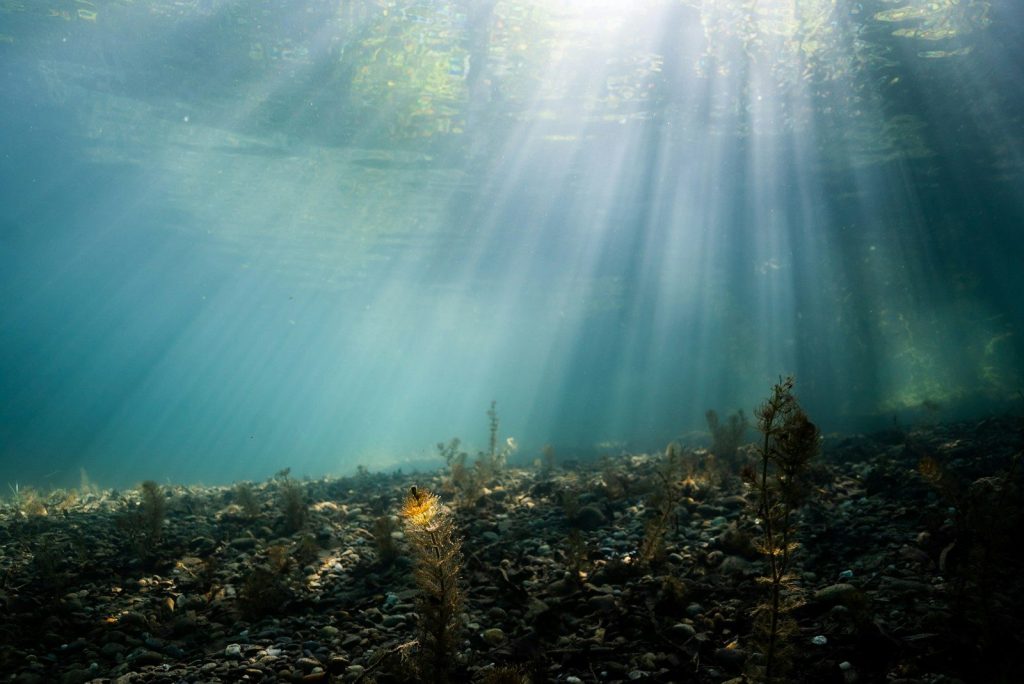
Plate tectonics pushed nutrient-rich minerals from the interior directly into the young oceans. This delivery was vital. According to geochemical researchers, these elements were necessary to build the first self-replicating cells. Without this constant supply of deep-earth ingredients, the oceans would have remained completely barren. But this incredible process also protected life from a deadly cosmic threat.
Guarding Our Invisible Shield

The sinking of these dense structures helped drive the churning of Earth’s liquid metal core. This movement is critical. According to geophysicists, this deep core action generates our protective magnetic shield. This shield deflects solar wind and keeps our atmosphere intact. But this delicate protective balance is still keeping us alive right now.
The Search For Exotic Worlds
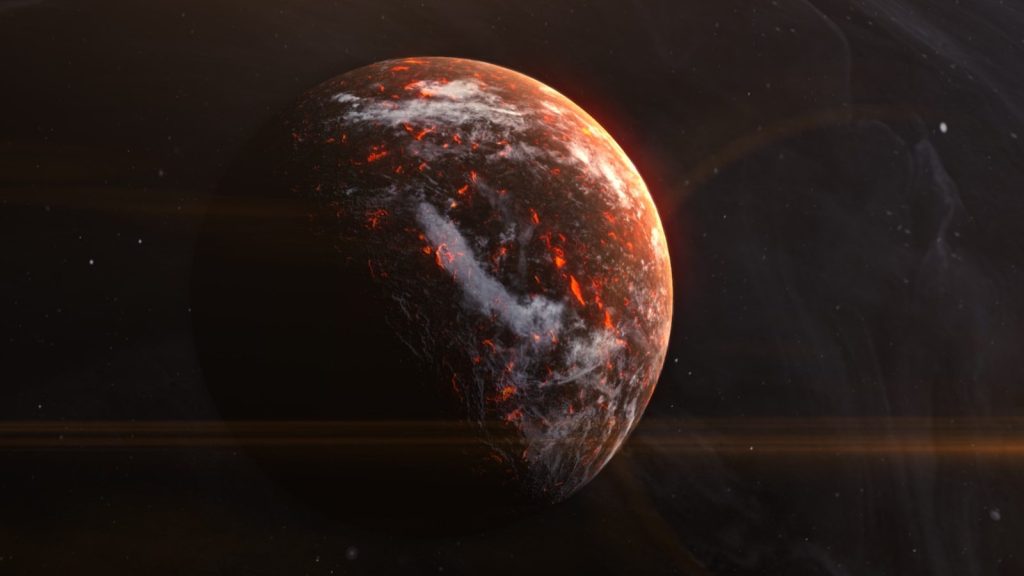
Understanding how Earth’s interior shaped life is changing how we look for exoplanets. Our search is evolving. According to planetary scientists at NASA, we must seek out planets with active mantle convection to find life. A planet needs more than just liquid surface water to thrive. But discovering these active deep worlds is the next big hurdle in space exploration.
Our Deep Cosmic Heritage
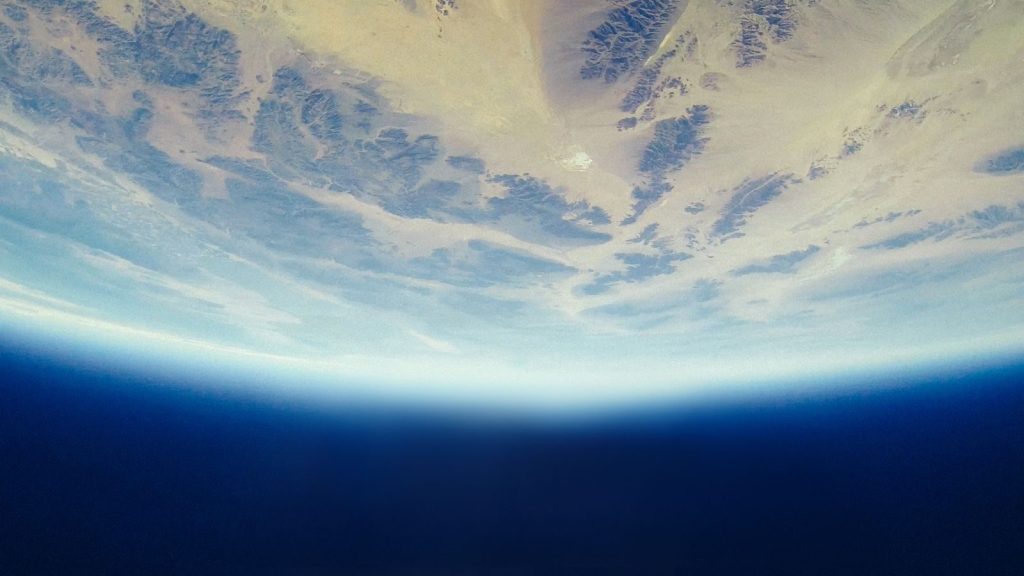
We are connected to the deepest rocks beneath our feet in ways we never imagined. The ancient collision was a blessing. According to researchers at Arizona State University, the remnants of an alien world are actively keeping our modern biosphere stable. We are cosmic survivors. This article is for informational purposes only.
Leave a Reply