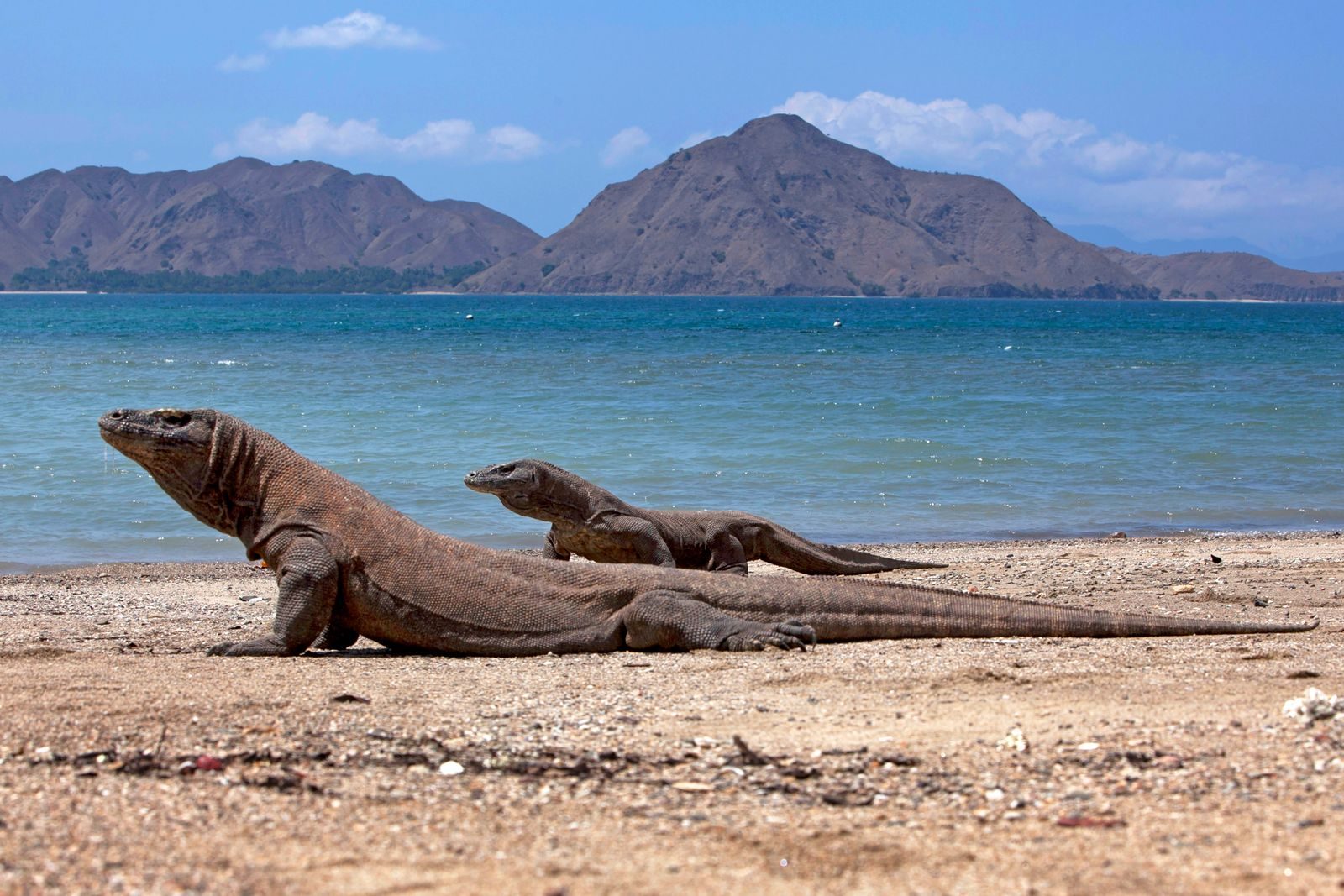
Most nature lovers view the Komodo dragon as a slow, heavy lizard. We think they only eat dead scraps.
But this apex predator actually uses a terrifying and highly calculated hunting strategy to bring down massive animals. Escape is virtually impossible.
The Silent Island Stalker
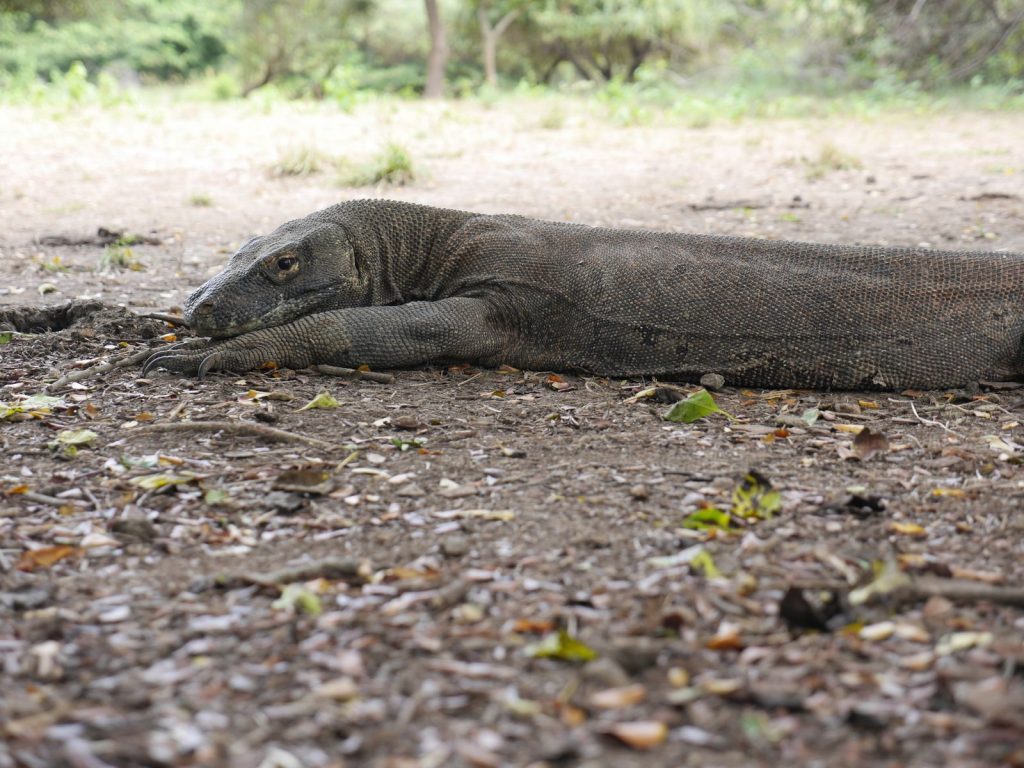
Living on isolated Indonesian islands, the Komodo dragon has evolved to dominate its rugged ecosystem. It can grow up to ten feet long and weigh over one hundred and fifty pounds. According to wildlife biologists, these massive reptiles use camouflage to blend seamlessly into the dry grass. They are patient. This allows them to wait for hours along active animal trails without being spotted.
Tracking Secret Scent Trails
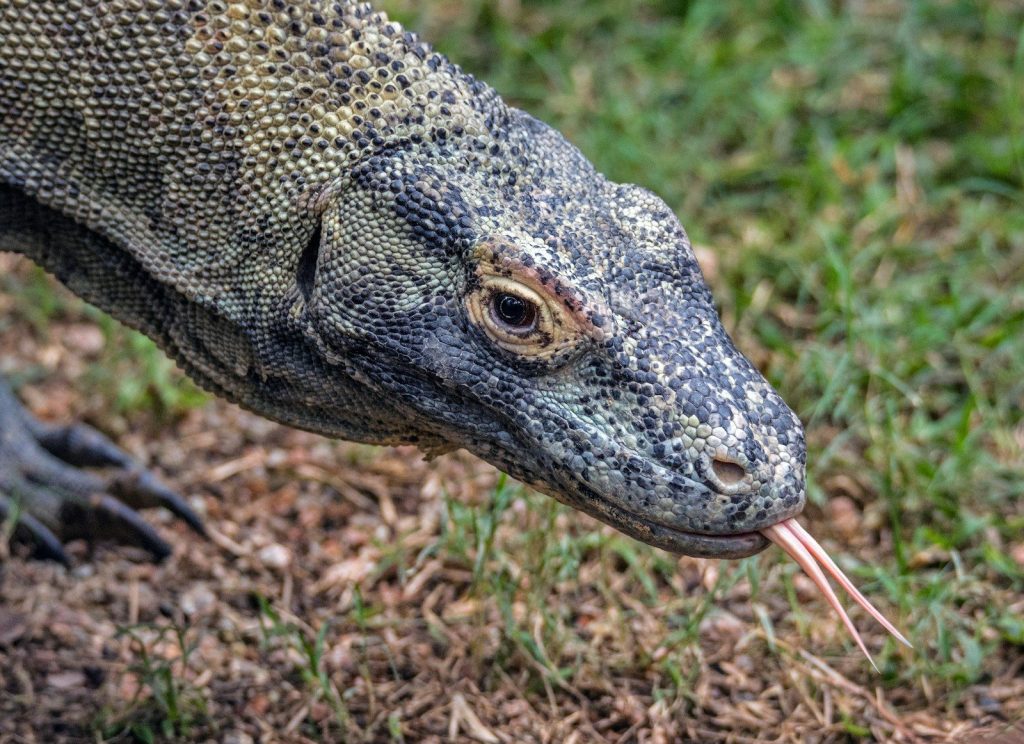
The dragon does not rely on keen eyesight to find its next meal. Instead, it uses a deeply sensitive forked tongue to sample the surrounding air for microscopic scent particles. According to Smithsonian studies, the reptile can detect a wounded animal from several miles away. It is highly advanced. But this sensory tracking is only the preface to a highly explosive physical ambush.
A Sudden Explosive Dash
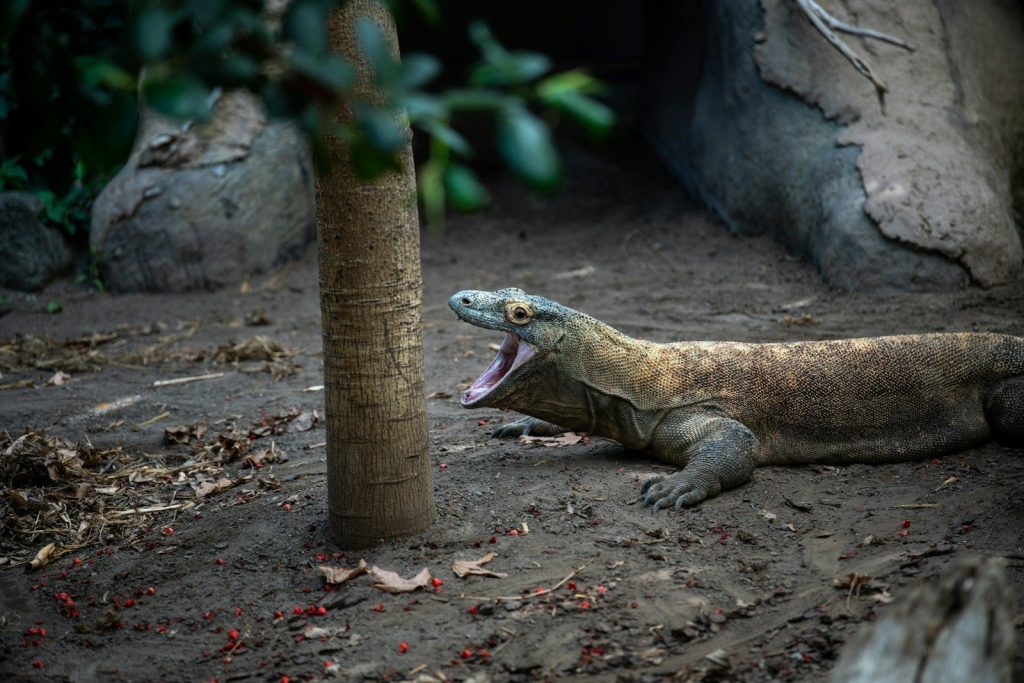
When a deer or wild boar walks past the hiding spot, the dragon strikes with shocking speed. Despite its heavy frame, it can sprint at speeds up to twelve miles per hour in short bursts. According to reptile researchers, this sudden acceleration is often enough to catch agile prey off guard. They are deadly. Yet the dragon does not need to kill its victim on the first strike.
The Toxic Bite Secret
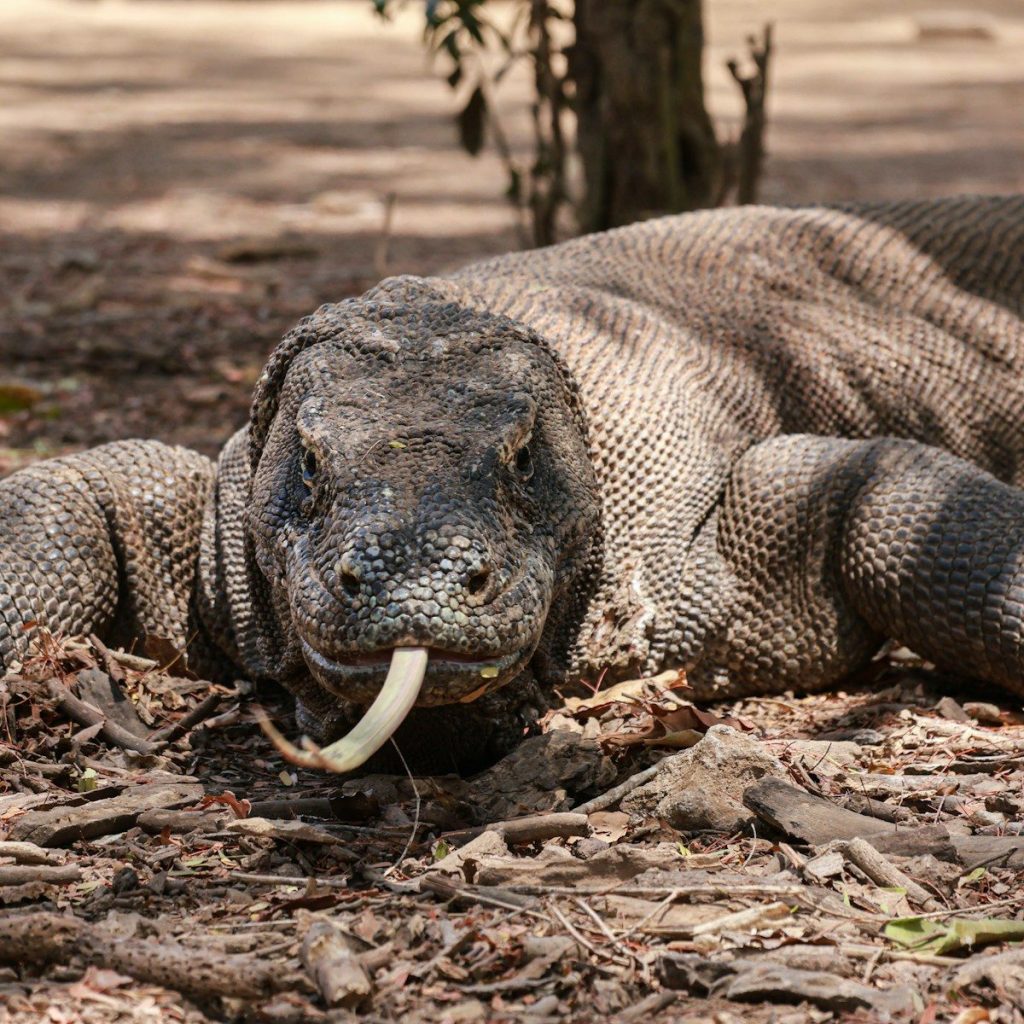
For years, people believed that dirty bacteria in the mouth of the dragon caused its prey to slowly weaken. But modern medical imaging has revealed a much more sophisticated biological weapon. According to toxin experts, the lizard possesses active venom glands located in its lower jaw. This was a shock. This toxic compound prevents the victim’s blood from clotting properly and causes rapid shock.
The Weaponized Serrated Teeth
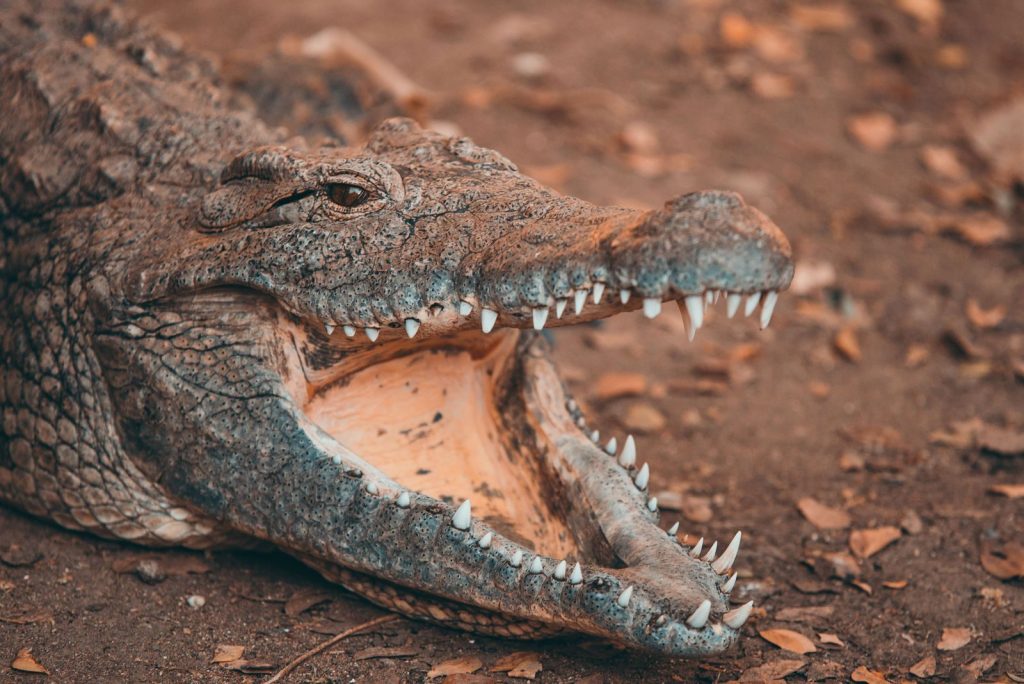
The venom works in tandem with sixty razor-sharp serrated teeth designed to rip flesh easily. These teeth are structurally similar to those found on prehistoric sharks. According to anatomical studies, the dragon pulls backward during a bite to create deep tearing wounds. They are lethal. This ensures the venom is delivered directly into the victim’s bloodstream during the struggle.
The Patient Waiting Game
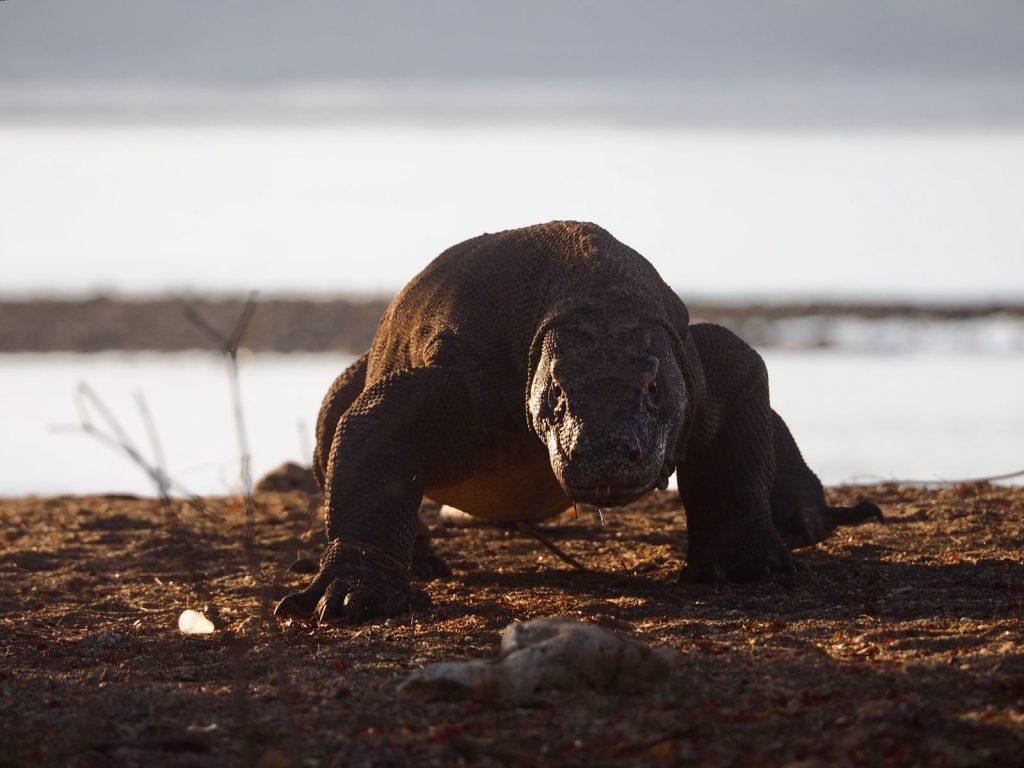
Once the venom is injected, the lizard backs away and lets the chemical weapon do the hard work. The prey may run away, but its fate is already sealed. According to animal tracking data, the dragon will slowly follow the scent of the dying animal for days. It never gives up. This persistent pursuit ensures the predator always claims its prize in the end.
An Unmatched Appetite
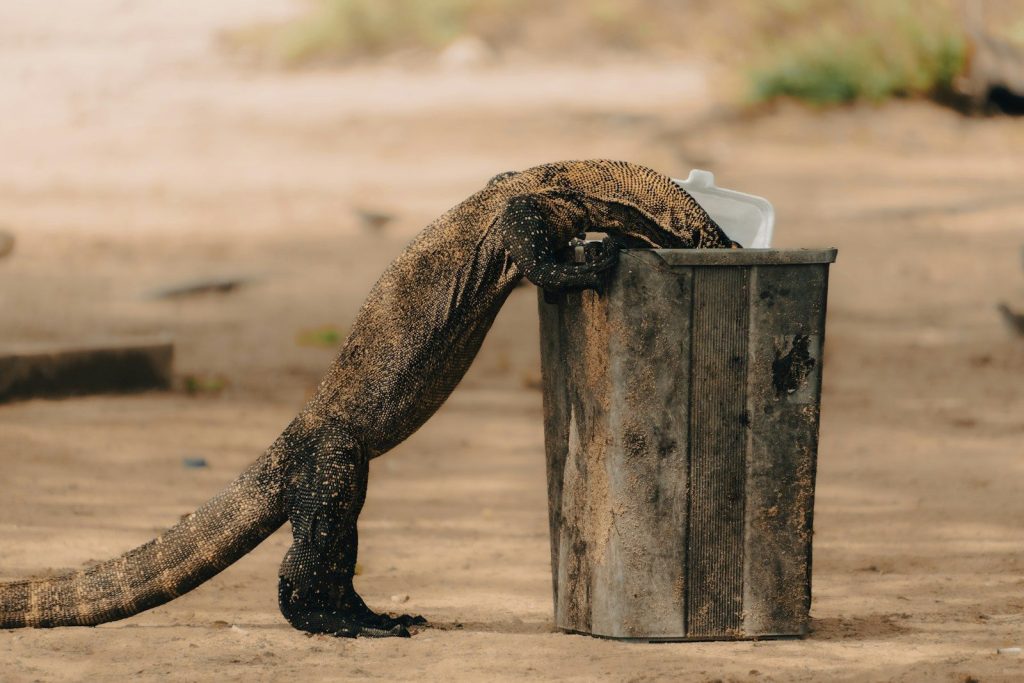
When the target finally collapses, the dragon uses its heavy claws and strong neck muscles to begin feeding. Its highly flexible stomach can expand to hold up to eighty percent of its own body weight in a single sitting. According to conservationists, this allows the reptile to survive for months between successful hunts. The feast is massive. But this incredible metabolic efficiency also serves another evolutionary purpose.
An Ancient Survival Master
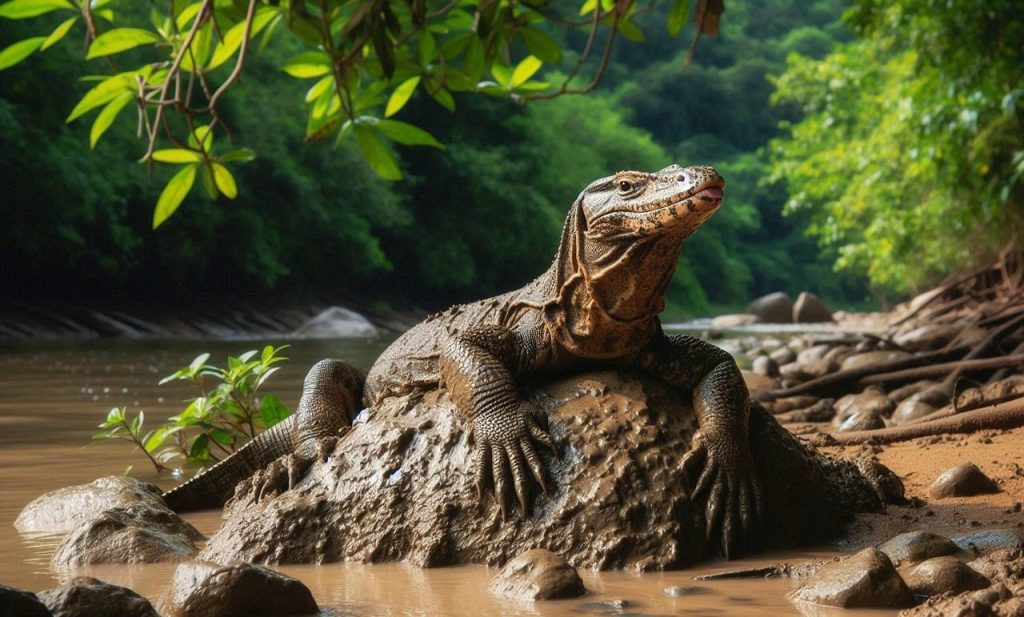
The hunting strategy of the Komodo dragon has kept it at the top of the food chain for millions of years. This biological perfection ensures the species continues to rule its isolated island domains. According to evolutionary biologists, these creatures represent the ultimate adaptation of ancient reptile design. They are true survivors. This article is for informational purposes only.
Featured Image: Photo by Jeffry Surianto on Pexels
Leave a Reply