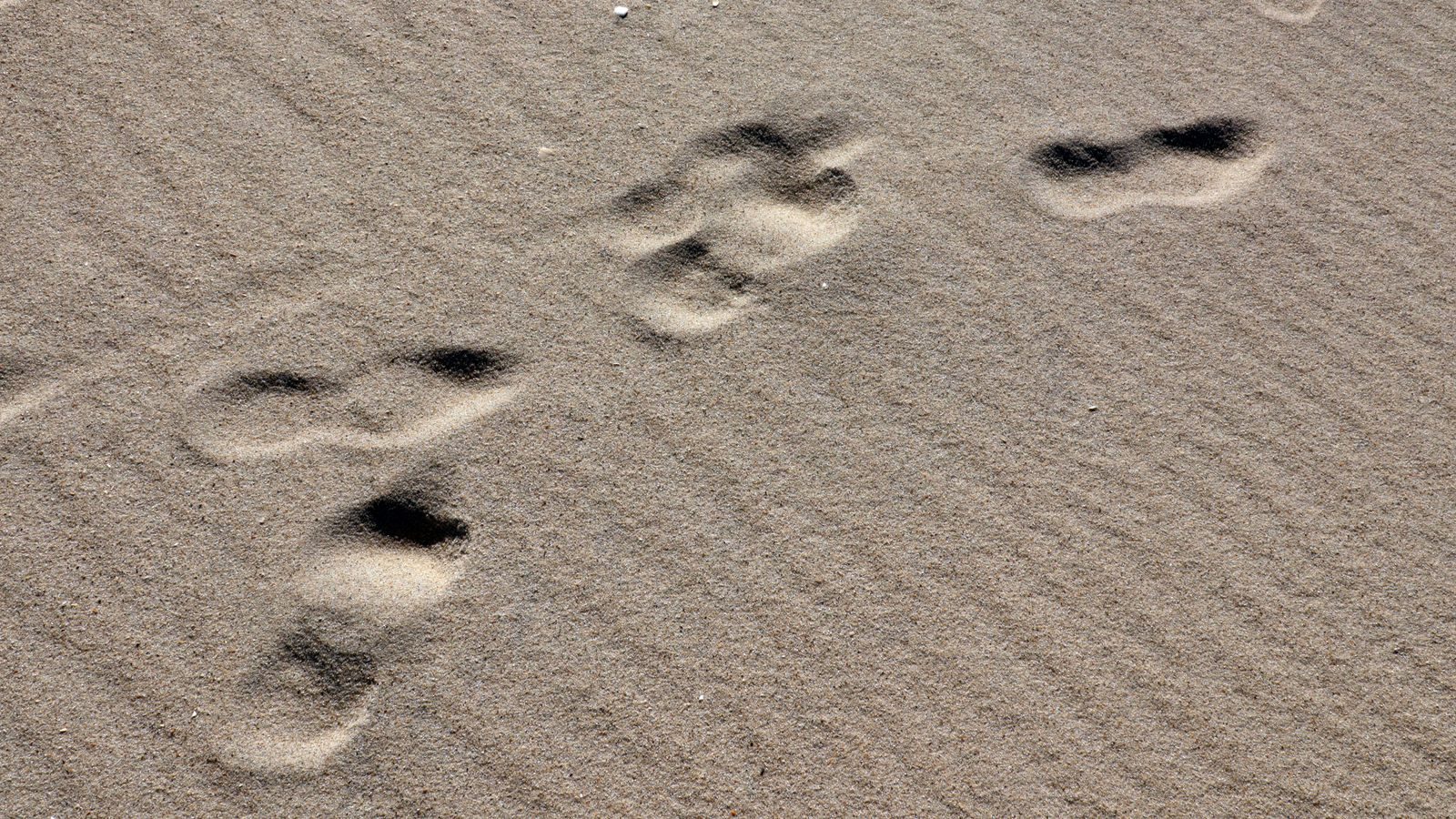
Historians have long believed they understood the timeline of early human migration. We picture them traveling in simple groups.
But a series of fossilized footprints pressed into ancient mud is turning that history upside down. They lead to an impossible place.
An Unexpected Muddy Find
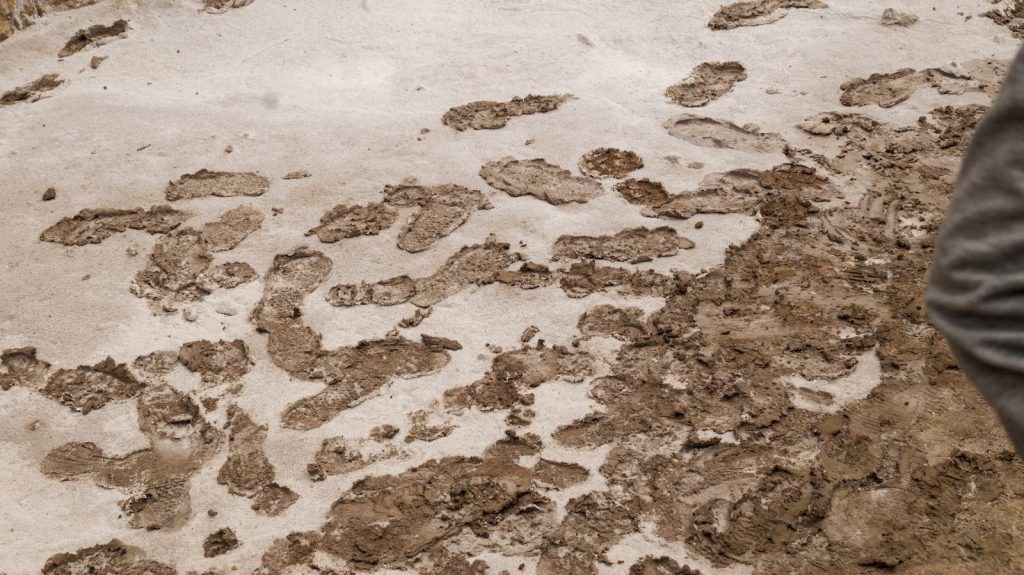
Archaeologists working along a dried lake bed in New Mexico stumbled upon a stunning discovery. Deep within layers of ancient sediment, they spotted dozens of perfectly preserved human footprints. According to researchers at the National Park Service, these tracks were pressed into the mud thousands of years ago. They were incredibly clear. But the age of the surrounding soil would soon spark a massive scientific debate.
Shattering The Historical Timeline
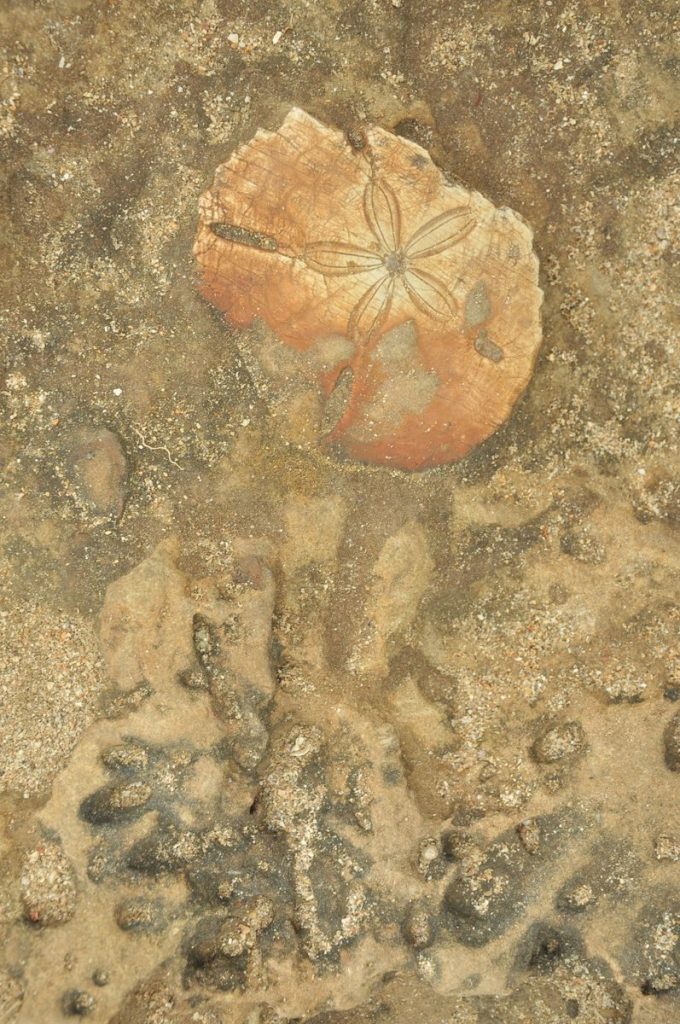
Scientists used advanced radiocarbon dating to analyze fossilized seeds found within the footprints. The results pushed the presence of humans in North America back by thousands of years. According to a study published in Science, the tracks are over twenty thousand years old. This was revolutionary. This meant humans walked this land during the height of the last ice age.
The Giant Ice Barrier
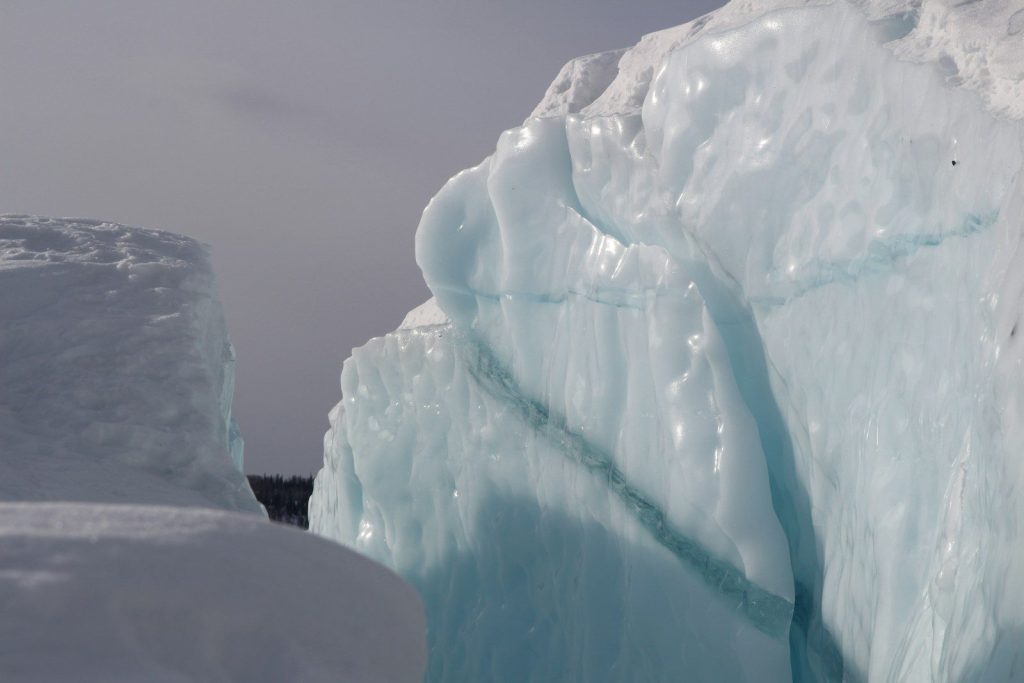
During this freezing period, massive glaciers blocked the land route from Asia into the Americas. Most historians believed these giant walls of ice made human migration completely impossible. According to geological reports, the ice sheets were several miles high. They were massive. But the footprints prove that someone managed to slip past this freezing natural barrier anyway.
Tracking A Playful Journey
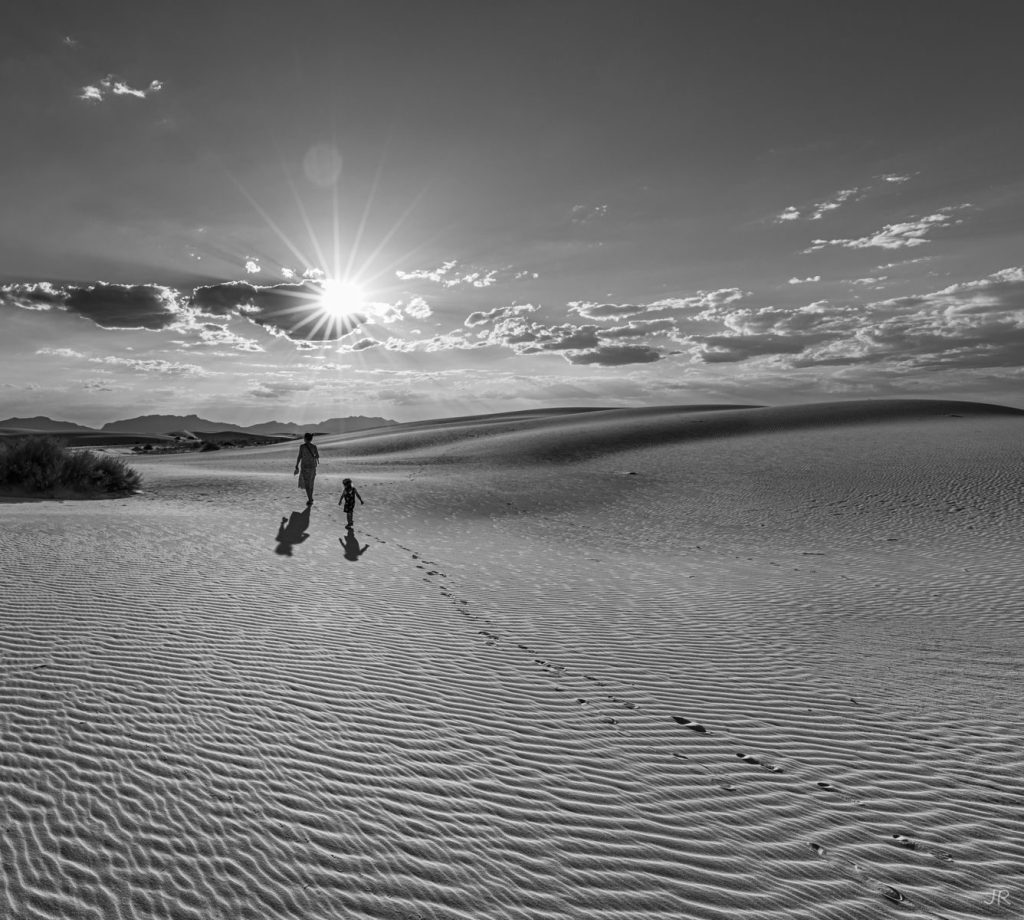
When experts analyzed the size of the footprints, they noticed something highly unusual. Most of the tracks belonged to teenagers and young children rather than adult hunters. According to tracking experts, the paths show kids running around and splashing in the ancient mud. They were playing. But their joyful steps also crossed paths with some of the most dangerous animals on Earth.
Walking With Prehistoric Giants
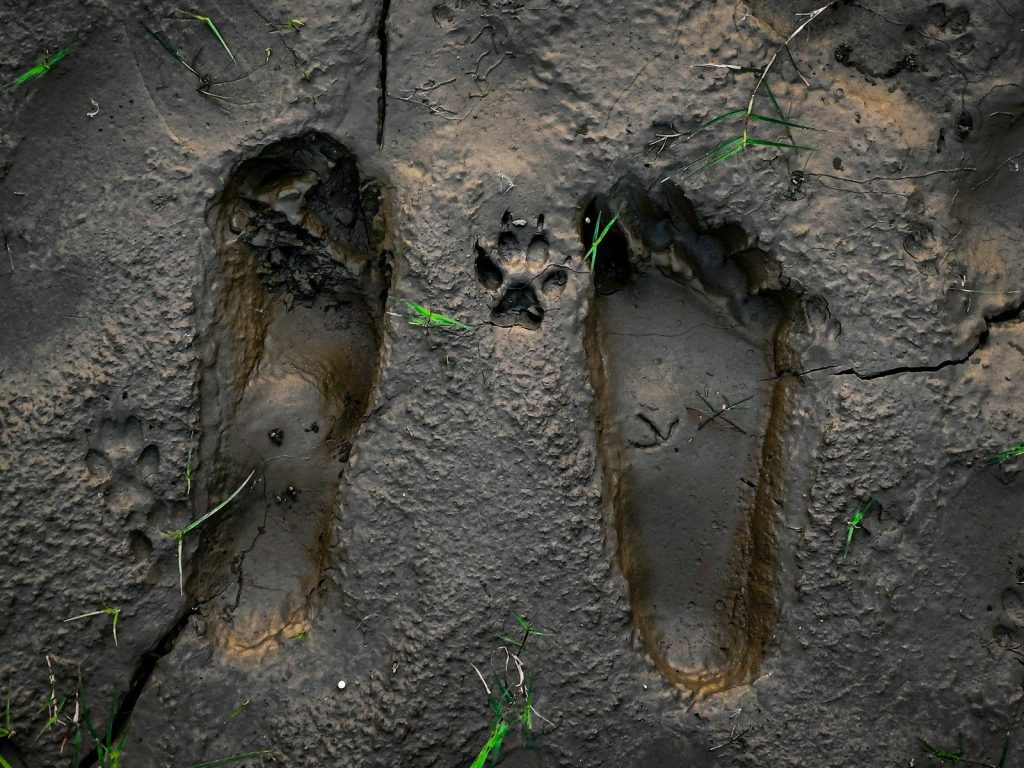
The human footprints are closely intertwined with the massive tracks of Columbian mammoths and giant ground sloths. This indicates that early humans lived alongside these extinct beasts in the same area. According to fossil records, a sloth actually turned around to avoid the human path. It was a close encounter. This suggests a complex relationship existed between the children and the local megafauna.
The Coastal Migration Route

If the land was blocked by ice, these early humans must have arrived by a different route. Some scientists suggest they traveled by boat along the Pacific coast to reach this spot. According to marine archaeology reports, this coastal highway would have provided plenty of fish and kelp for food. The journey was long. But this theory still leaves many questions about their ultimate destination unanswered.
Rewriting Our Deep Past

These fossilized footsteps force us to completely rethink the story of human courage and exploration. They prove our ancestors were far more resilient and adventurous than we ever imagined. According to archaeological consensus, the muddy shores of New Mexico hold the keys to our deep past. They walked with giants. This article is for informational purposes only.
Featured Image: Photo by John Foster Rossi on Pexels
Leave a Reply