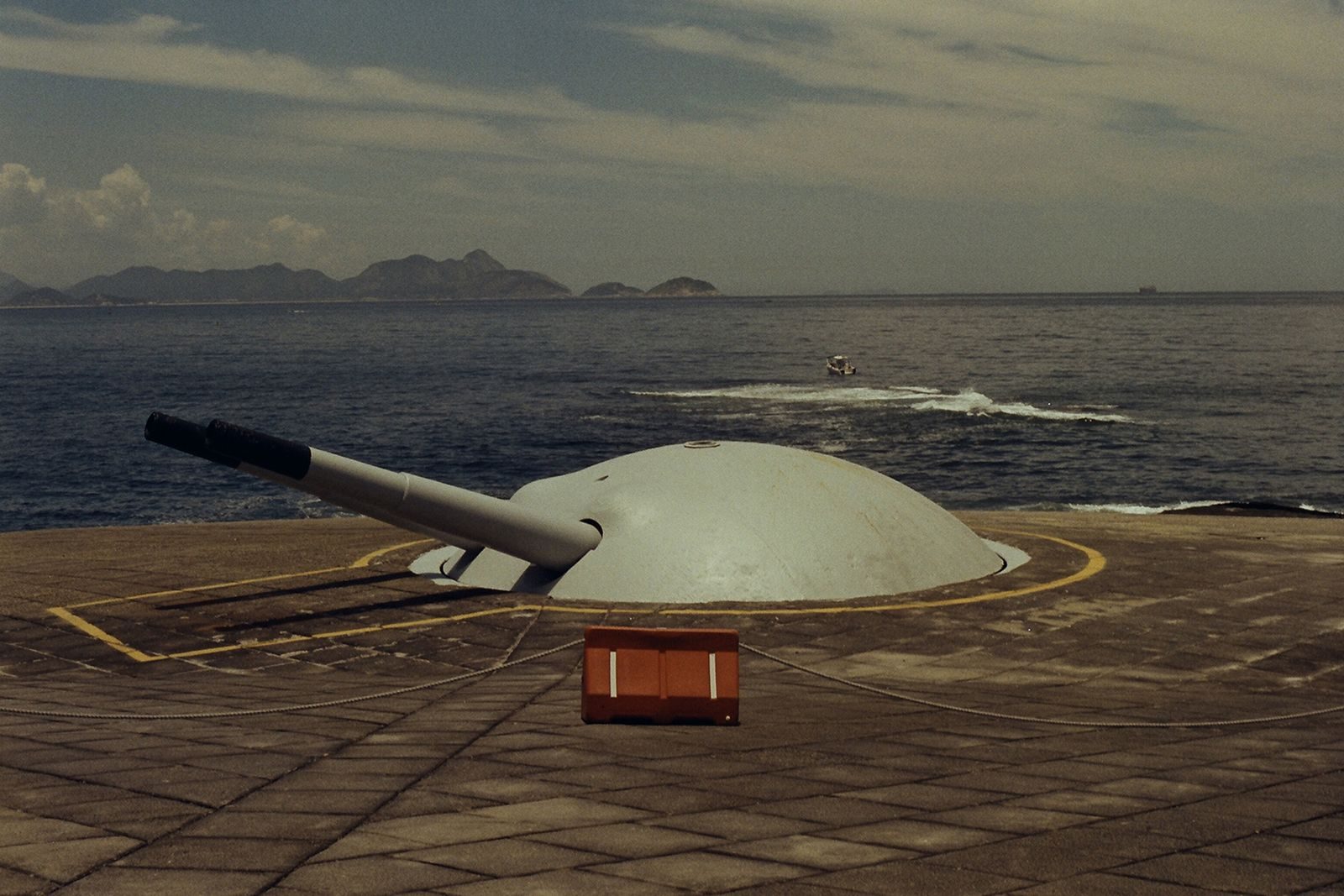
Most people assume that launching payloads into space requires massive, multi-million dollar chemical rockets. We believe that orbital access remains a highly protected privilege reserved for elite nations.
But a forgotten artillery genius proved that giant cannons can blast objects into orbit for a fraction of the cost. This terrifyingly simple technology still haunts defense analysts.
The Bold Ballistics Pioneer

In the early nineteen-sixties, brilliant Canadian engineer Gerald Bull proposed a radical alternative to expensive rocket launches. He despised bureaucratic waste. According to historical records from McGill University, Bull wanted to use massive military cannons to shoot scientific probes directly into space. This bold idea quickly attracted funding from both the American and Canadian defense departments. But the sheer power of his prototype would soon terrify his neighbors.
The Barbados Naval Monster
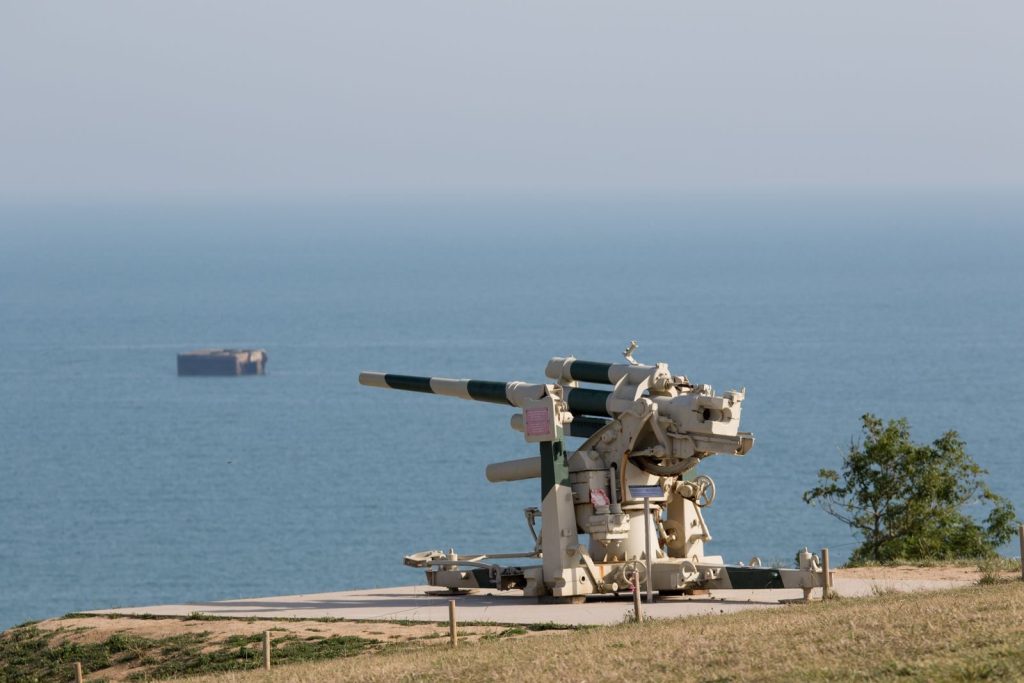
The team established a launch site on the Caribbean island of Barbados to leverage the spin of the Earth. According to declassified Project HARP documents, they welded two sixteen-inch naval gun barrels together to create a forty-meter cannon. The weapon was colossal. This massive structure fired eighty-kilogram payloads into the upper atmosphere at speeds exceeding four kilometers per second. Yet, the extreme physical forces created a major engineering nightmare.
Surviving The Extreme Gs

Ordinary satellites disintegrate instantly when subjected to the violent acceleration of a cannon launch. According to reports from the Ballistic Research Laboratory, projectiles experienced forces exceeding fourteen thousand times gravity during firing. This pressure is immense. Engineers designed specialized wooden sabots to cradle the payloads and absorb the shock inside the barrel. But this scientific success was about to trigger a quiet political panic.
The Stealth Orbit Threat
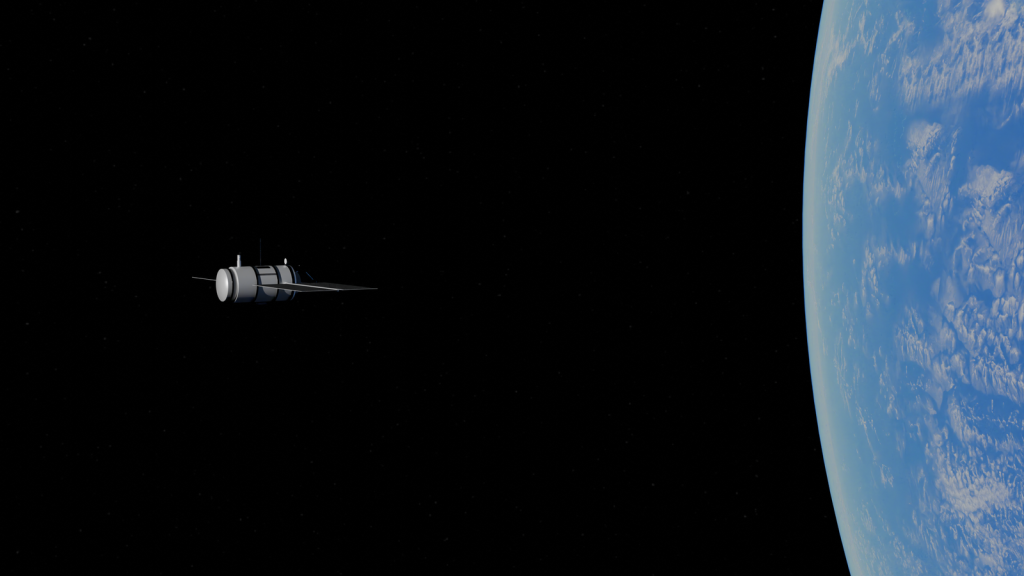
Defense officials realized that a slightly larger cannon could easily place operational hardware into low-Earth orbit. According to military analysis reports, superguns can deploy rapid-response surveillance platforms within minutes for almost no cost. They are incredibly fast. A hostile nation could use this method to replace destroyed spy satellites during active conflicts. However, this cheap orbital access carried a devastating tactical vulnerability.
The Target That Cannot Move
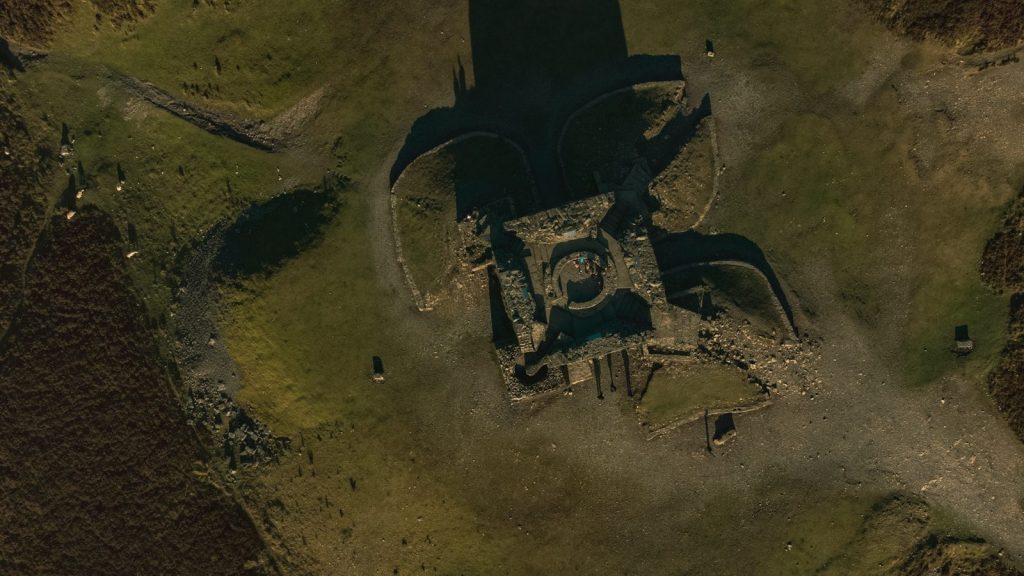
While a supergun offers unmatched speed, its physical structure presents an easy target for enemy bombers. According to defense historians, these giant steel tubes must remain permanently bolted to concrete foundations or hillsides. They are completely immobile. This massive limitation makes them highly vulnerable to preemptive strikes before they can ever fire. But this dangerous defect did not stop foreign dictators from chasing the technology.
Saddam Hussein’s Deadly Dream

Decades after Project HARP ended, Iraqi dictator Saddam Hussein hired Gerald Bull to build a colossal supergun. According to reports from the United Nations, the secret project aimed to construct a gun barrel over one hundred meters long. The plan was terrifying. This massive weapon, named Project Babylon, possessed enough range to target cities across the entire Middle East. Yet, a shadowy execution would suddenly bring this dream to a violent end.
The Assassins Silent Strike
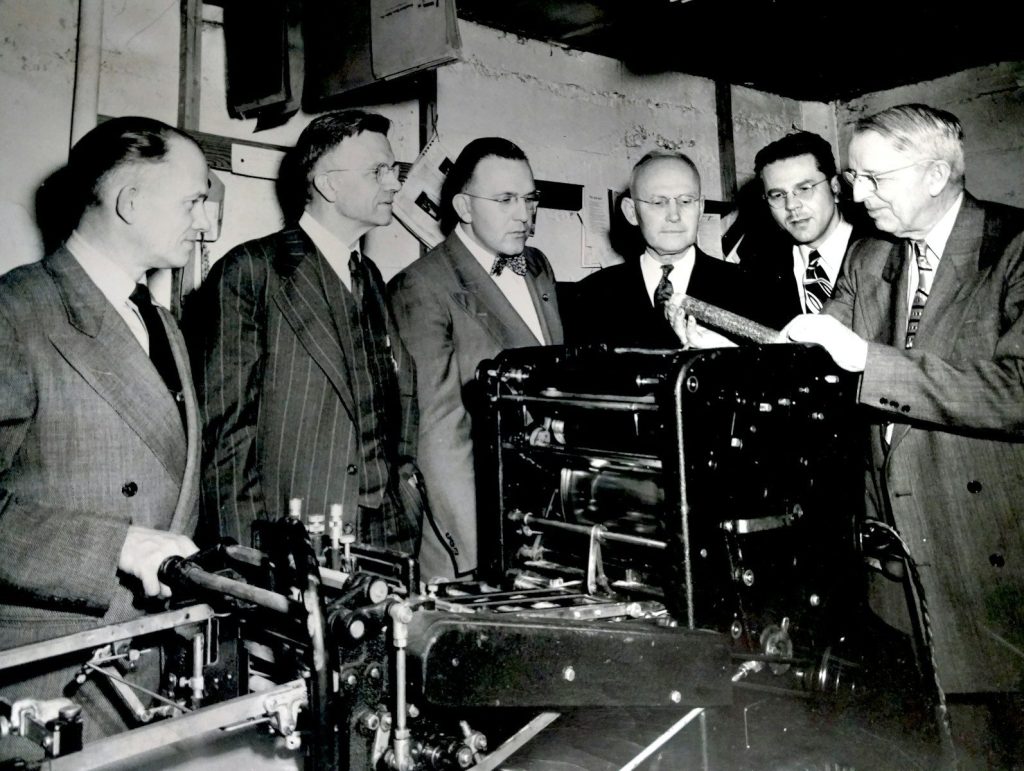
In March 1990, unidentified assassins shot Gerald Bull outside his apartment in Brussels, instantly halting the Iraqi program. According to intelligence reports, a foreign agency neutralized the engineer to prevent Iraq from dominating regional airspace. The project collapsed immediately. British customs officials later seized the remaining massive steel barrel sections at various European ports. But the underlying physics of these giant cannons still remains completely active today.
The Threat of Unregulated Space
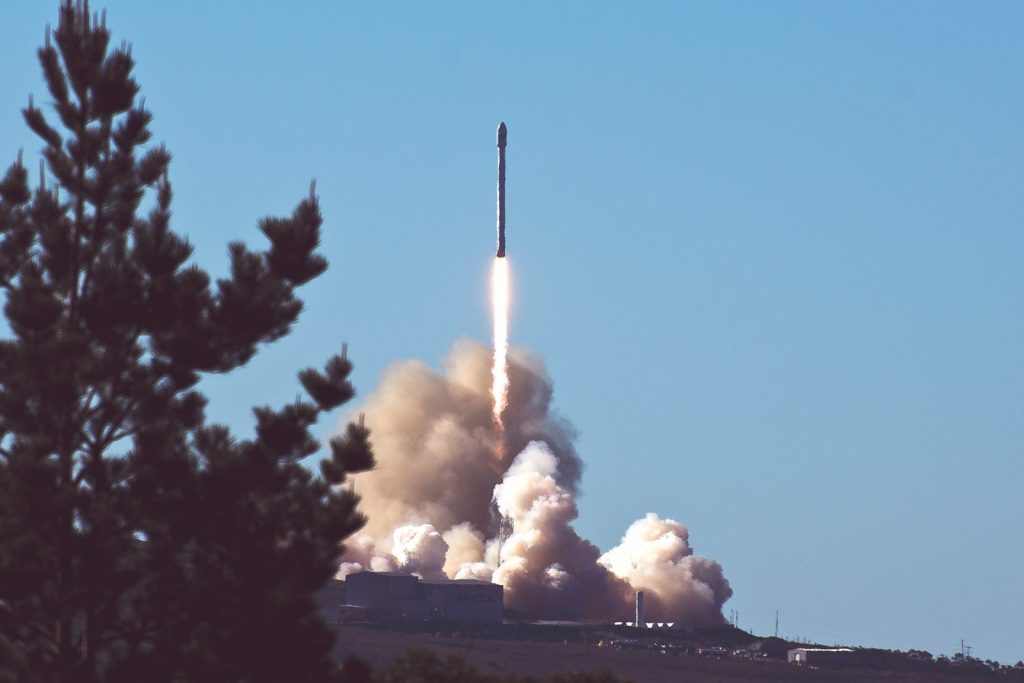
According to military ballistics experts, modern advancements in carbon composites and hyper-velocity propulsion have made superguns more viable than ever. This forgotten technology bypasses standard international launch tracking networks entirely. We must establish clear treaties to regulate these static launch sites before they disrupt global peace. This article is for informational purposes only and does not constitute defense or military policy advice.
Featured Image: Photo by Athena Sandrini on Pexels
Leave a Reply