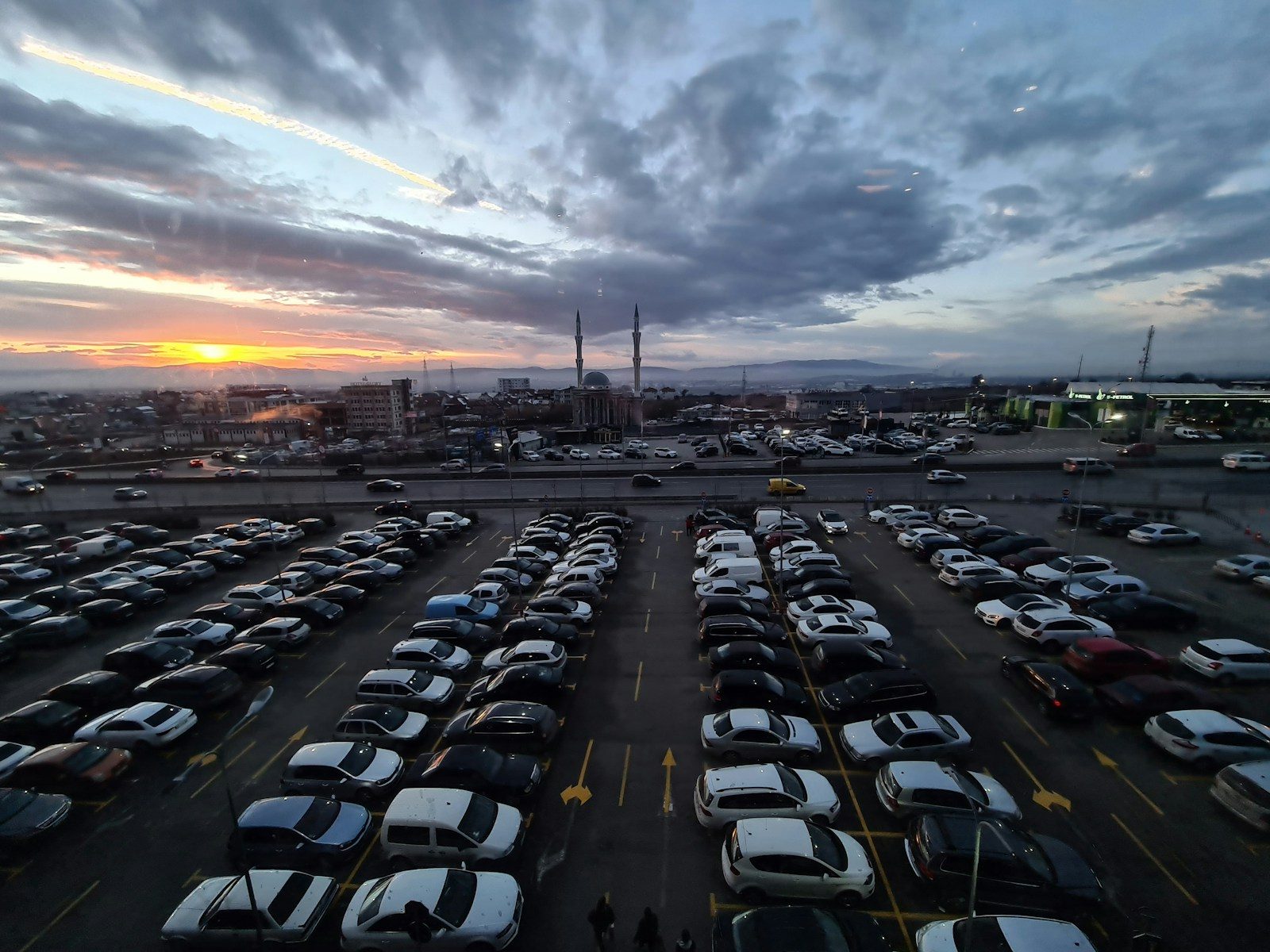
Most drivers assume that buying a new car is a standard milestone of adult life. We believe that auto dealerships are constantly running out of hot new inventory.
But a massive financial shift has completely frozen the automotive market. Dealership lots are quietly overflowing with millions of unsold vehicles that nobody wants.
Unsold Mountains of Metal
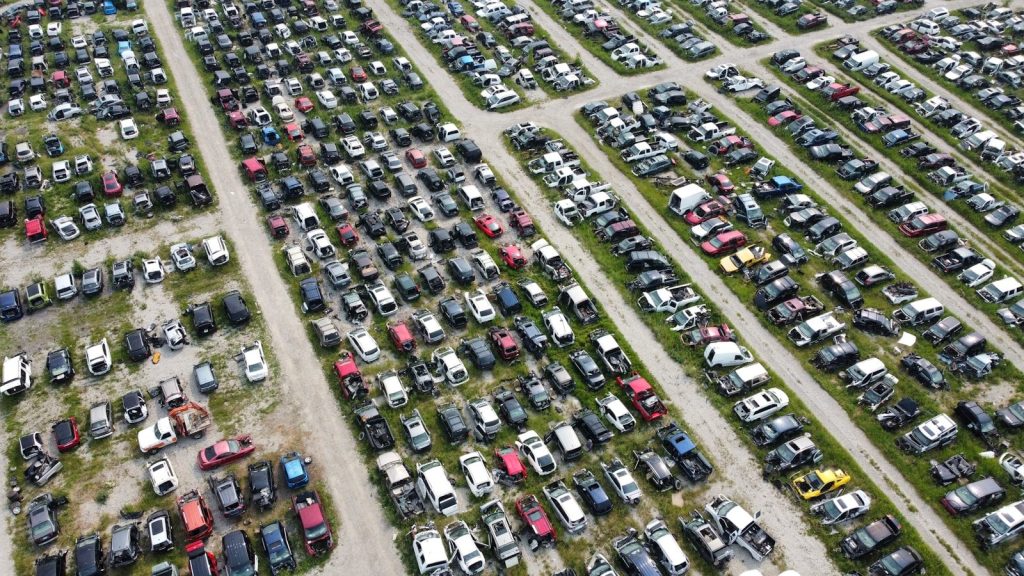
Dealerships across the nation are facing an unprecedented crisis of excess vehicle inventory. According to reports from Cox Automotive, the total volume of unsold new vehicles has soared beyond three million units. The lots are packed. This represents a staggering ninety-two-day supply of cars, trucks, and massive SUVs. But a far more painful consumer reality is actually driving this immense inventory buildup.
The Affordability Crisis Hits

The average price of a new car has climbed to levels that typical families cannot afford. According to industry data, the average cost of a new vehicle now hovers around fifty thousand dollars. Prices grew too fast. Buyers are rejecting these massive monthly payments as inflation continues to squeeze household budgets. Yet, the price tag of the car itself is only the first financial blow.
Auto Insurance Prices Skyrocket

Owning a modern vehicle requires a continuous stream of expensive secondary payments that consumers hate. According to reports from the Bureau of Labor Statistics, car insurance costs have doubled since late 2023. Operating costs are brutal. Many drivers realize that keeping a new car on the road costs as much as their rent. But another structural trap is forcing dealers into a corner.
The Dealer Financing Trap
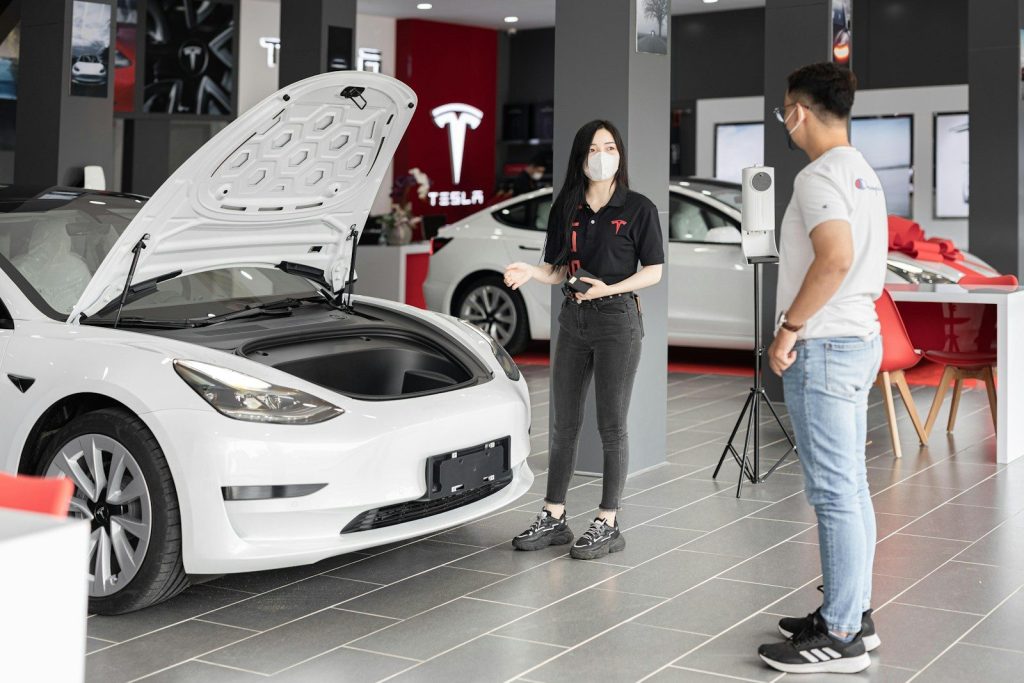
Dealers do not actually own the glittering cars sitting on their physical lots. According to financial analysts, dealers use specialized loans called floor plan financing to display their inventory. Interest rates are high. When cars sit unsold for months, interest charges slowly eat away at the dealership’s core profits. However, this financial pressure has triggered an even more terrifying wave of defaults.
Skyrocketing Vehicle Repossessions
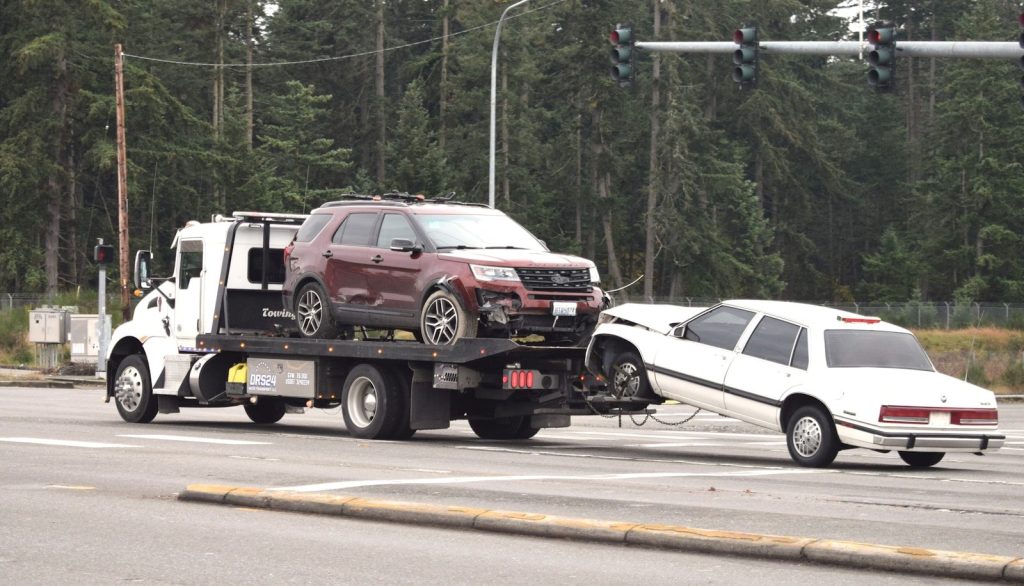
Many consumers who bought vehicles during the pandemic are now failing to make their payments. According to national repossession registries, vehicle repossession rates jumped past two and a half million units last year. Cars are vanishing overnight. This marks the highest loan delinquency rate since the Great Recession of 2008. But this rising tidal wave of defaults is creating a massive secondary problem.
The Used Car Glut
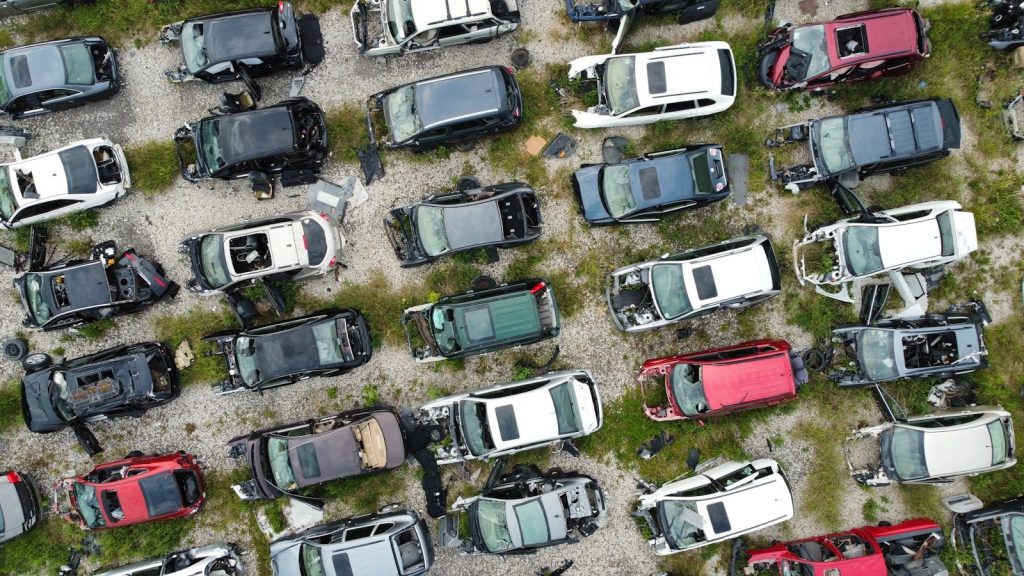
All those repossessed cars must eventually go somewhere, further depressing the entire automotive market. According to used car platform reports, wholesale auctions are already buckling under the weight of returned inventory. Prices are falling fast. This massive influx of used vehicles makes expensive new models look even less attractive to buyers. But automakers are still refusing to take the most logical step to solve this crisis.
Resisting Real Price Cuts

Manufacturers continue to resist dropping their high prices despite the massive collapse in consumer demand. According to automotive market experts, companies prefer offering temporary interest rate incentives rather than lowering the base MSRP. The strategy is failing. Consumers are simply waiting for a major correction before they step foot back on a lot. But this waiting game will soon force a dramatic shift.
The Great Automotive Reset

According to retail market researchers, the current inventory glut will eventually force dealers to offer massive, unprecedented discounts. High interest rates and rising ownership costs are changing how humans view personal transit forever. We are entering a new era of careful spending. This article is for informational purposes only and does not constitute financial or legal advice.
Featured Image: Photo by Albert Hyseni on Unsplash
Leave a Reply