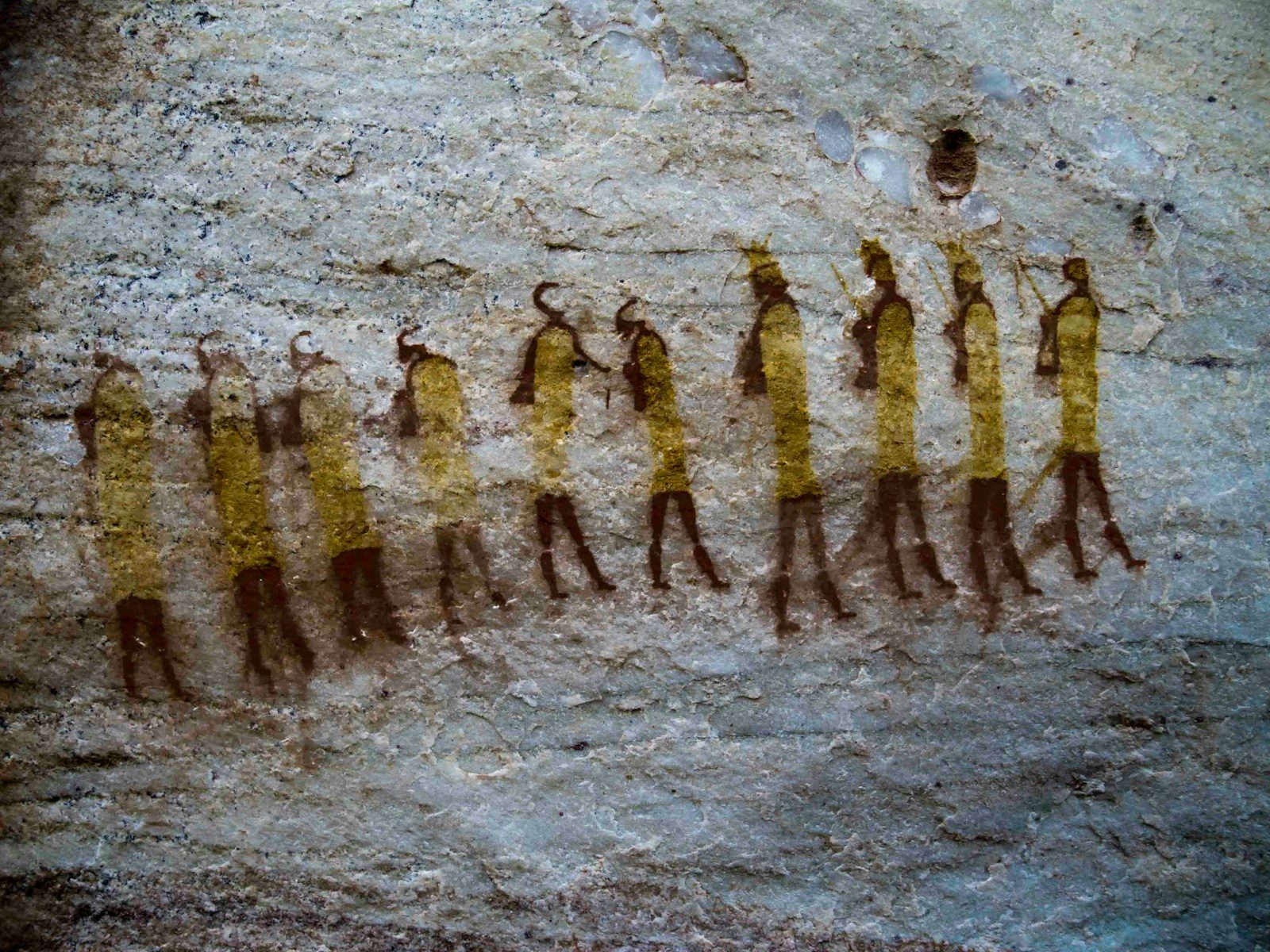
Most people assume that modern human behavior emerged suddenly like a light switch turning on. We believe our ancestors quickly developed language and art overnight.
But archaeological excavations have uncovered a far more complex evolutionary path. Behavioral modernity actually developed in small sparks across thousands of generations.
The Myth Of Behavioral Sparks
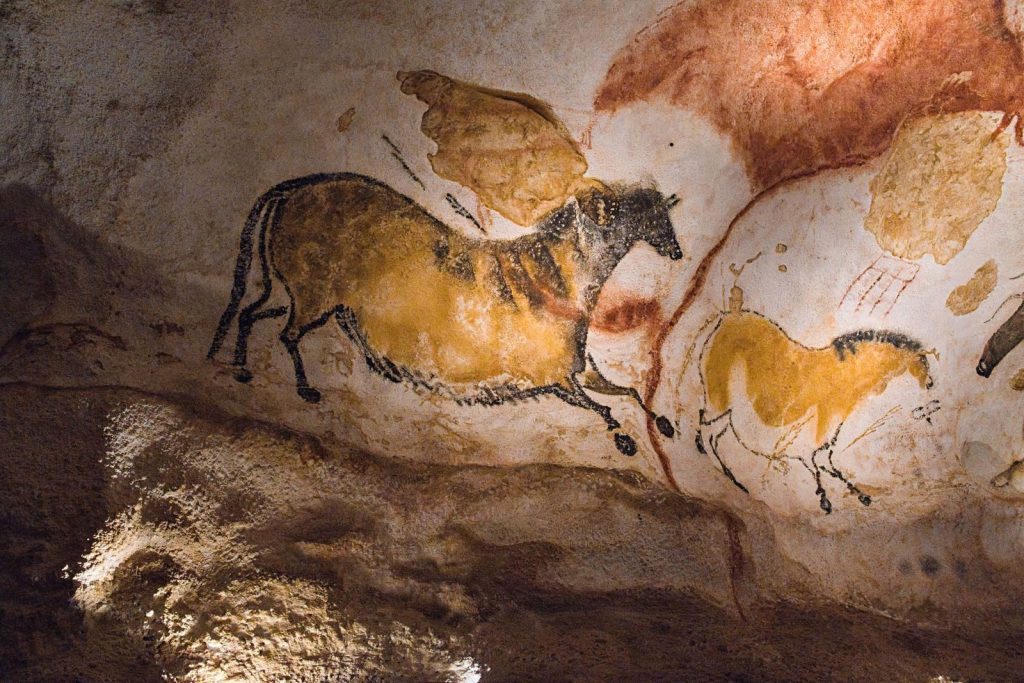
Anthropologists once argued that human creativity started during a sudden cultural revolution in Europe. They believed that cave paintings marked the absolute dawn of modern thinking. According to recent fossil discoveries, this theory is completely incorrect. The truth is older. Our early ancestors were experimenting with symbolic communication long before they left the African continent. But tracing this mental evolution requires looking at the actual bones.
Redefining Our Physical Origins
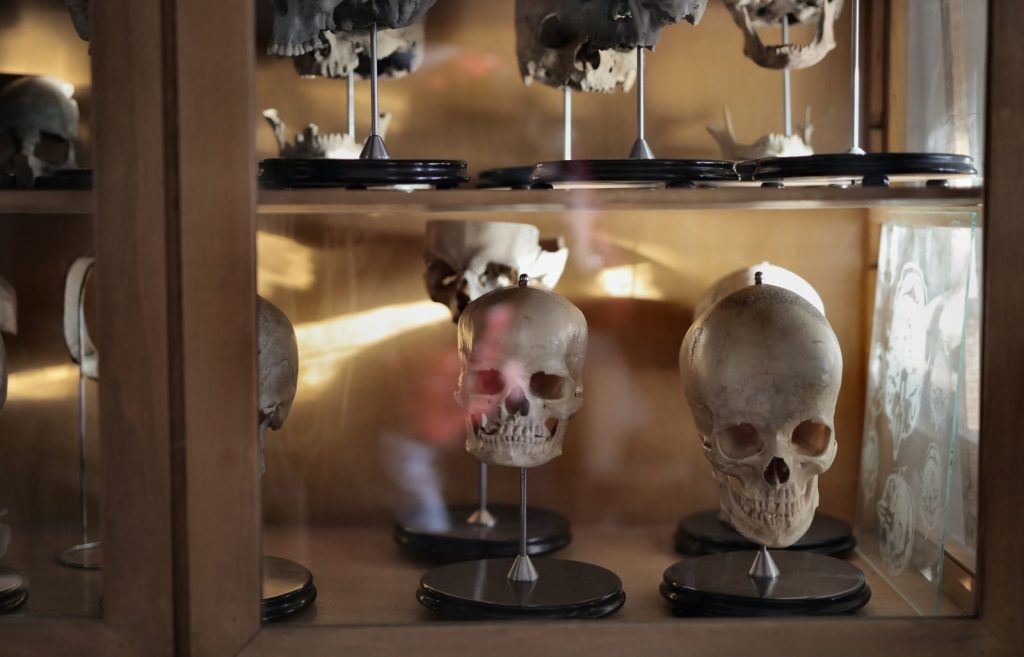
Our physical lineage stretches much further back in time than standard textbooks suggest. According to researchers studying fossils at Jebel Irhoud, the earliest anatomically modern humans lived three hundred thousand years ago. They had flat faces. However, their skulls still possessed an elongated braincase resembling more primitive hominids. But these physical humans still lacked the complex behaviors that define our modern lives today.
The True Dawn of Symbolism
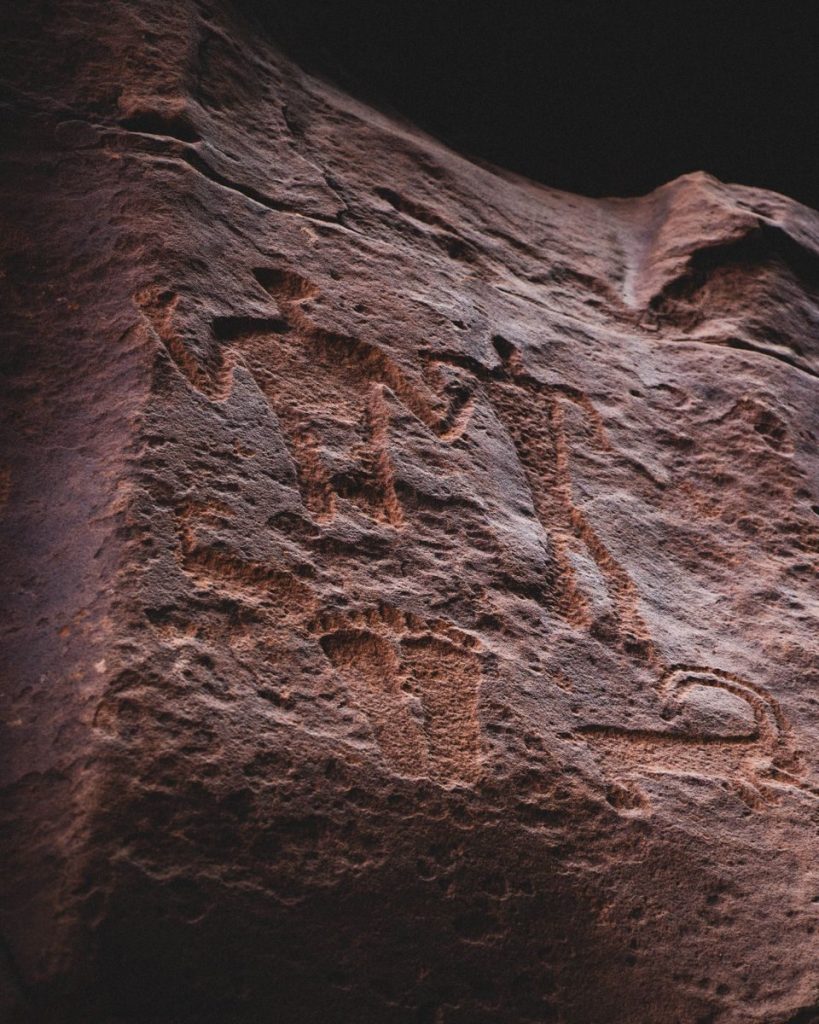
The first real signs of abstract human thought appeared in coastal caves long after our bodies evolved. According to archaeologists working at Blombos Cave in South Africa, our ancestors engraved geometric patterns on red ochre seventy-five thousand years ago. They processed paint carefully. This physical evidence proves that early minds used symbolic colors to communicate complex tribal identities. Yet, scientists soon realized that we were not the only creative species.
Our Creative Ancient Rivals

We often assume that our species held a total monopoly on advanced creative intelligence. According to genetic and archaeological studies, Neanderthals painted cave walls and buried their dead with sacred objects. They possessed deep feelings. This shared capacity for complex thought suggests that behavioral modernity did not originate in a single human species. But another dramatic biological merger would soon reshape our cognitive path forever.
The Interbreeding Genetic Boost
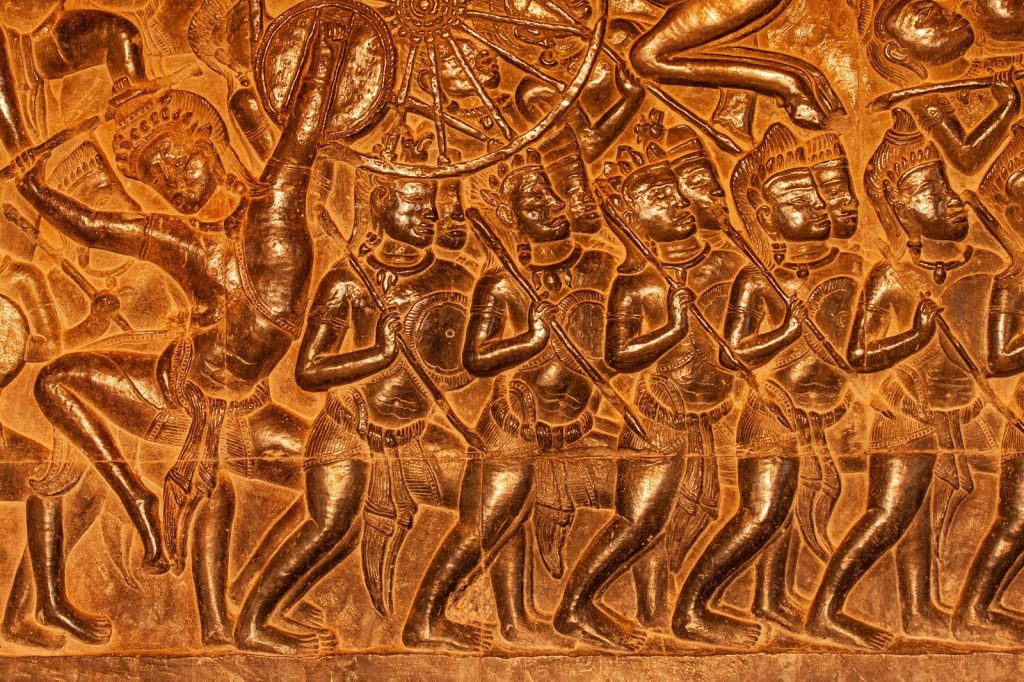
Early modern humans interbred with other hominid groups as they migrated across the globe. According to genetic data, modern non-African populations still carry up to two percent Neanderthal DNA today. This mixture was powerful. Some scientists suspect these ancient genes actually boosted our immune systems and helped us adapt to harsh new environments. However, the final transition to modern humans required a different evolutionary tool.
The Rise of Complex Language

The ultimate catalyst for human domination was likely the gradual development of structural speech. According to cognitive linguists, complex syntax allowed our ancestors to share detailed survival plans across massive social networks. They organized cohesive groups. This linguistic breakthrough let humans pass down vital geographical and hunting knowledge through generations without relying on genetics. But this long evolutionary journey still leaves a critical question.
The Ongoing Human Story

According to evolutionary biologists, humanity is not a finished biological product with a fixed starting point. We are the result of a long, interconnected lineage that continues to adapt to the planet. Understanding this past helps us appreciate our shared biological heritage. This article is for informational purposes only and does not constitute professional anthropological advice.
Featured Image: Photo by Don Pinnock on Unsplash
Leave a Reply