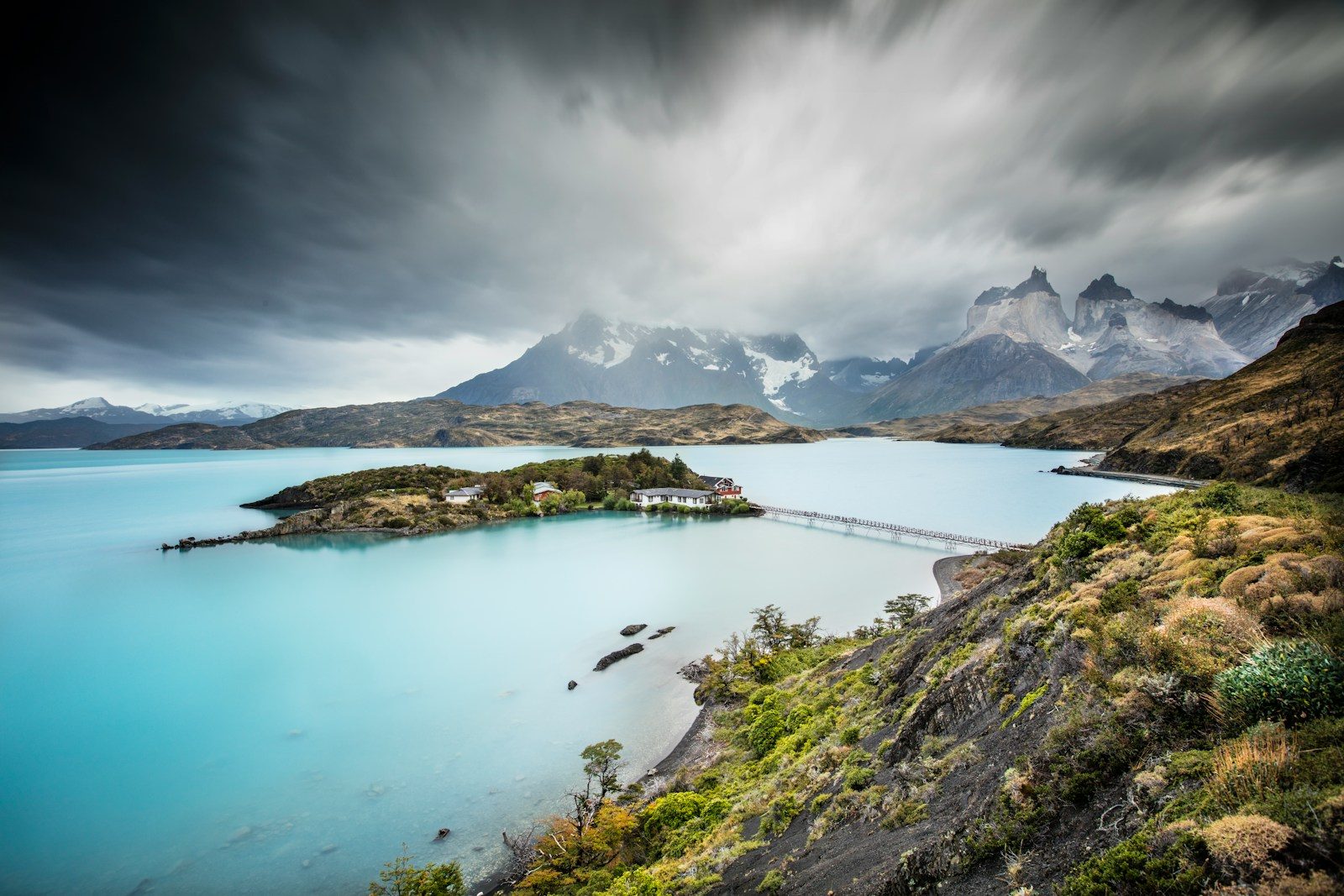
Most ocean lovers believe that the deepest marine trenches are peaceful sanctuaries for giant sea mammals. We assume that these creatures migrate safely across our vast oceans.
But a shocking discovery in a remote ocean canyon revealed a silent, mass tragedy. Over four hundred majestic whales lay lifeless in a single underwater graveyard.
A Shocking Patagonia Discovery
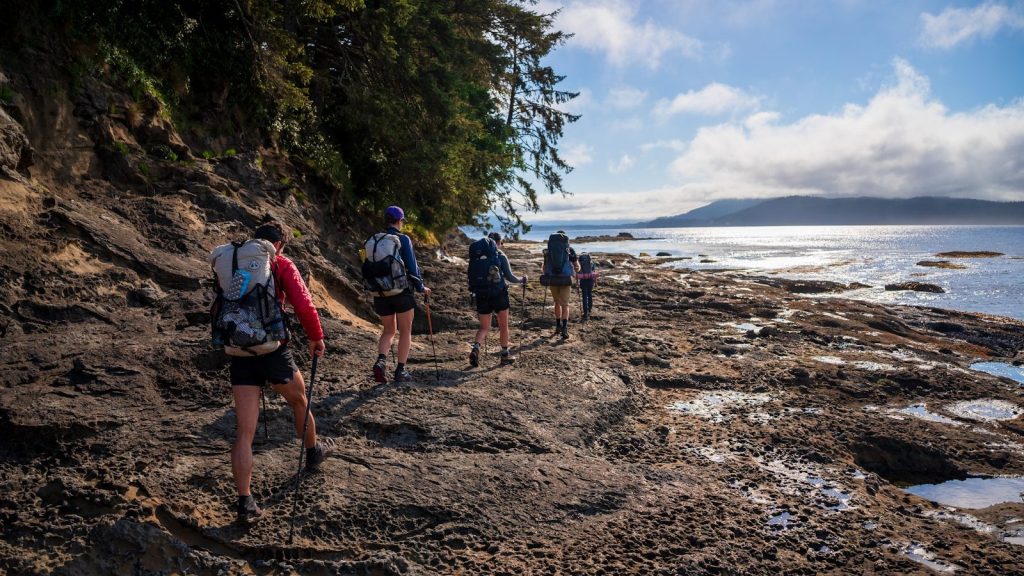
Biologists flying over a remote, rocky fjord in Chilean Patagonia spotted an unbelievable sight. According to a research expedition team, hundreds of massive whale carcasses littered the isolated coastline and shallow waters. It was a graveyard. This unprecedented mass stranding immediately launched one of the largest marine forensic investigations in history. But identifying what killed these oceanic giants would take months of intense study.
The Hunt For Clues
The team immediately ruled out standard explanations like physical injuries or naval sonar tests. According to forensic analyses published in the journal PeerJ, the victims belonged to an endangered species of baleen whale called sei whales. They were pristine specimens. The bodies showed no outward signs of boat strikes or predator attacks. However, researchers quickly noticed a strange pattern in how the whales died.
A Silent Toxic Threat
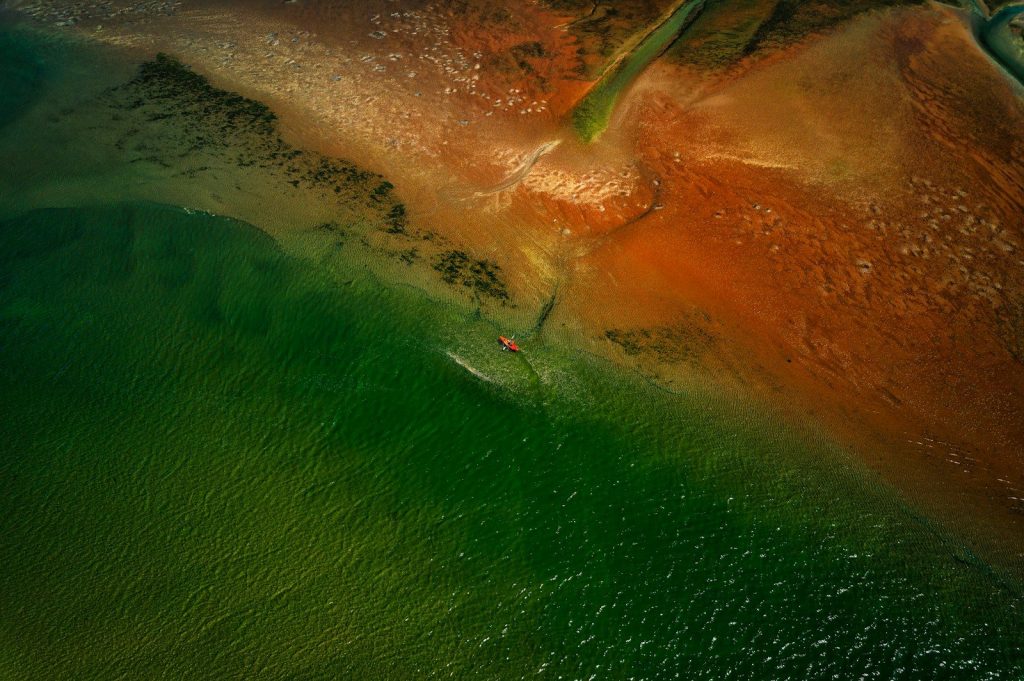
The sheer number of casualties suggested a massive, fast-acting poison in the marine food web. According to marine biologists, the whales likely ingested powerful natural neurotoxins during their feeding migration. The water turned red. A colossal bloom of toxic algae had swept through the pristine coastal waters. But scientists needed to prove how this micro-organic bloom could destroy such massive creatures.
The Invisible Chemical Weapon
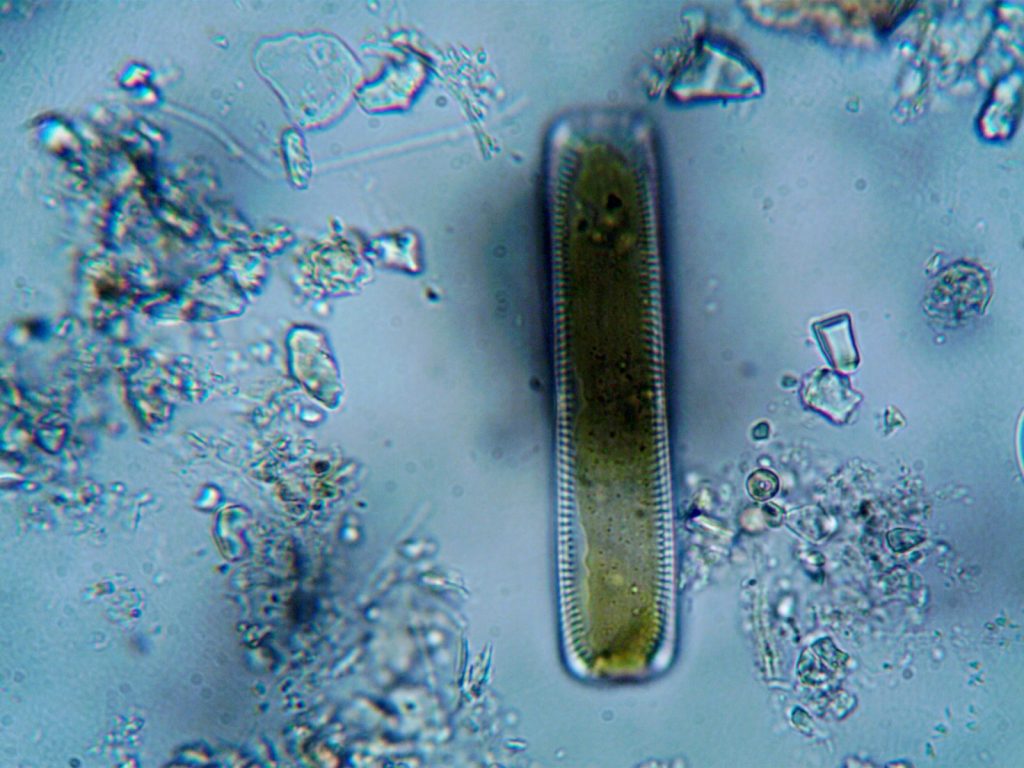
Toxic algae produce a highly potent chemical compound that directly attacks the nervous system. According to laboratory tests, the whales ingested these toxins by consuming thousands of tiny, contaminated krill. The giants paralyzed quickly. Paralyzed and unable to breathe, they quickly drowned in the deep water. Yet, researchers still needed to understand why this algal bloom grew so incredibly large.
Fueled By Warming Waters
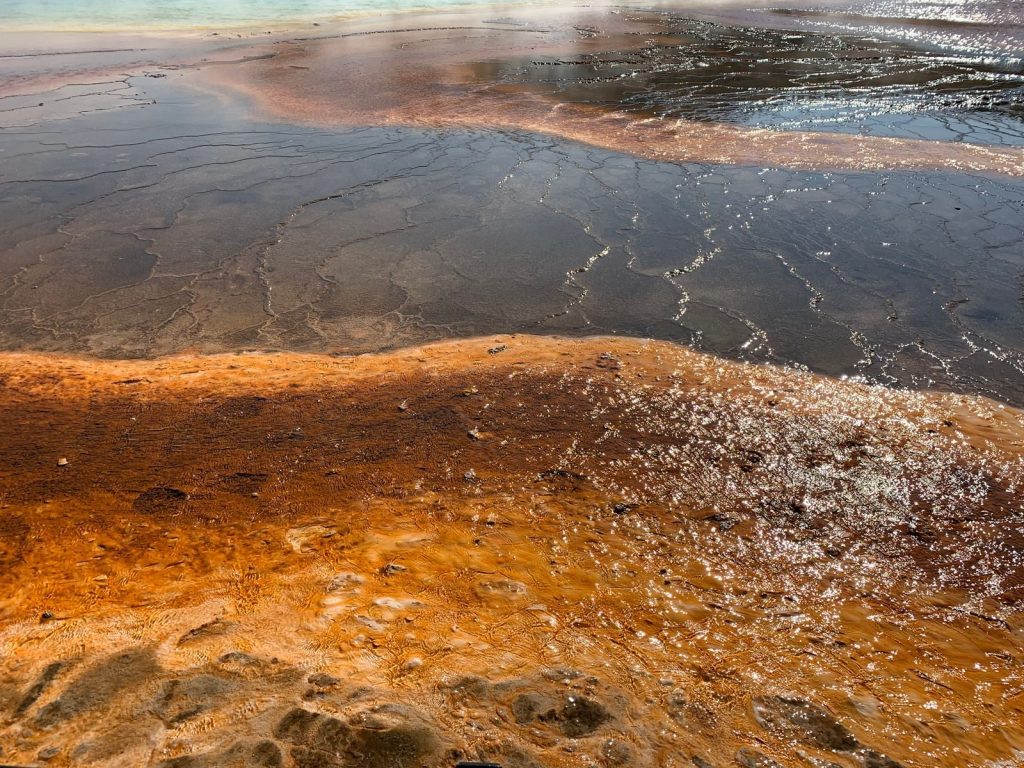
The massive bloom was directly linked to a powerful global weather phenomenon. According to oceanographers at the University of Concepcion, unusually warm ocean temperatures fueled the explosive growth of the toxic micro-organisms. Climate cycles collided violently. This thermal shift created the perfect breeding ground for a lethal red tide. But this environmental disaster also highlighted a growing global threat.
A Warning For Oceans
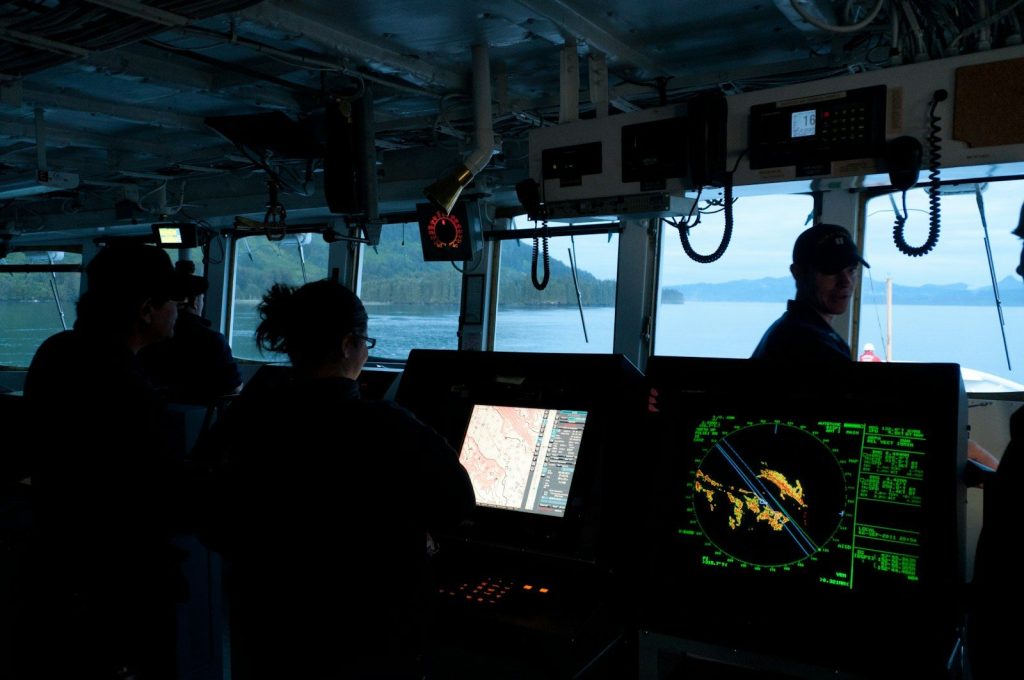
Mass strandings of this scale are becoming more common as global sea temperatures continue to rise. According to reports from the International Whaling Commission, warming waters increase the frequency of toxic algal events. Marine life is suffering. Protecting these endangered species requires a massive global effort to monitor ocean health in real time. But the Patagonia tragedy still holds a vital lesson for humanity.
Lessons From Patagonia
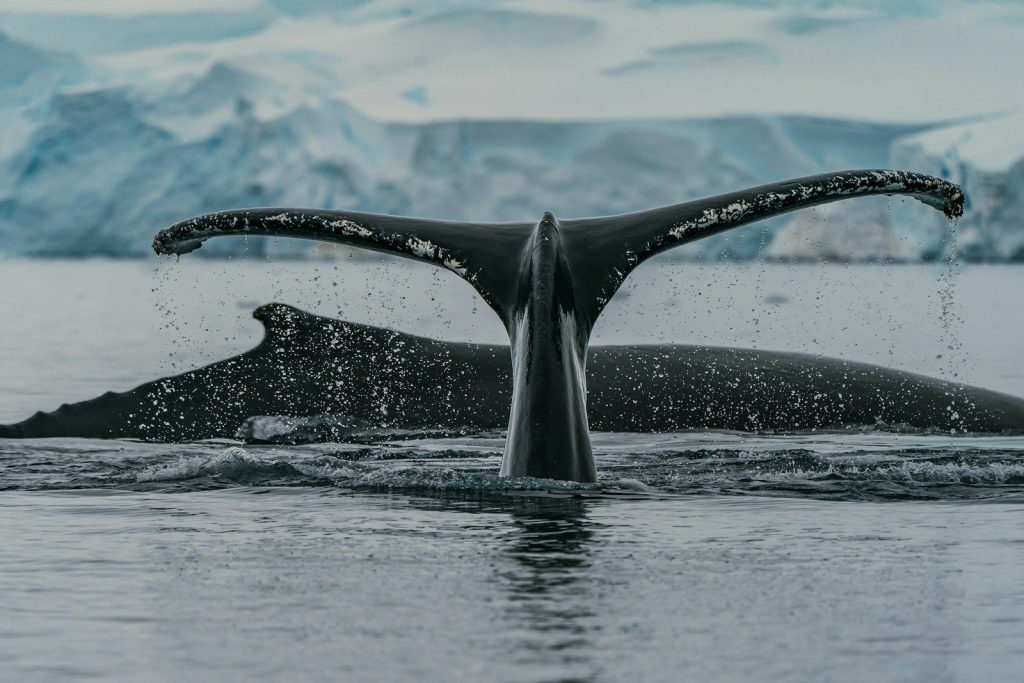
According to marine conservationists, tracking ocean temperatures helps us predict and prevent future toxic blooms. This tragic event reminds us of the delicate balance within our marine ecosystems. We must protect them. This article is for informational purposes only.
Featured Image: Photo by martin bennie on Unsplash
Leave a Reply