
Most people believe that modern atomic clocks are the absolute limit of timekeeping accuracy. We assume that losing one second over billions of years is close enough to perfection.
But physicists have just created a highly advanced nuclear clock. This revolutionary device measures time at the atomic core to achieve mind-boggling precision.
The Limits of Atomic Clocks
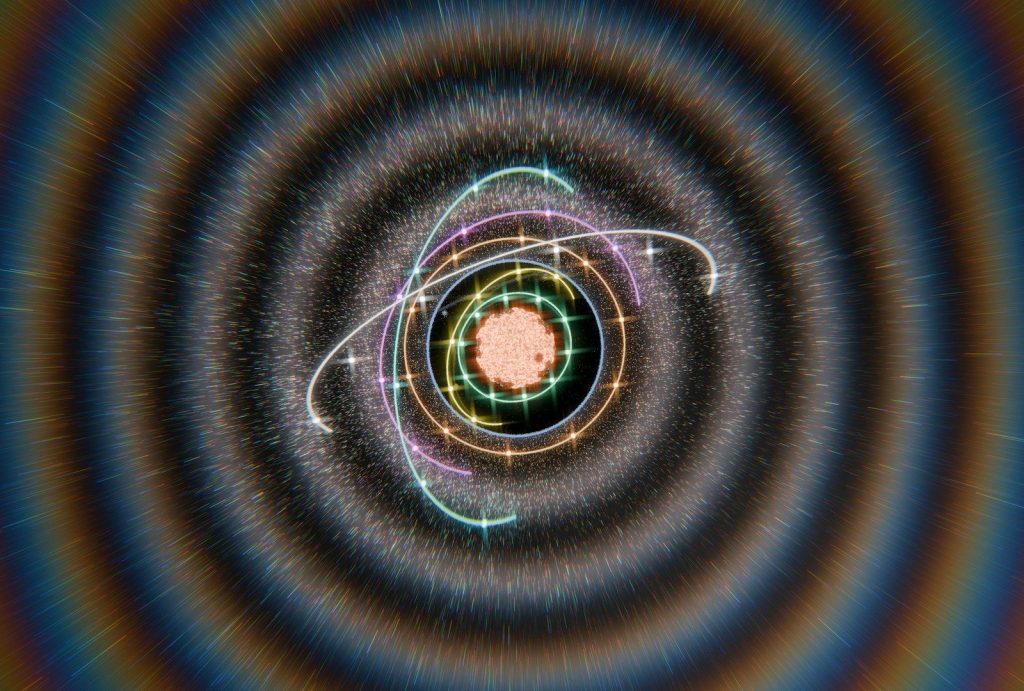
Standard atomic clocks calculate time by measuring how electrons jump between different energy levels. According to physics reports from the National Institute of Standards and Technology, external magnetic fields can easily disturb these outer electrons. They are delicate. Because of this small flaw, even the most precise clocks can drift slightly over vast periods. But researchers found a way to target a much more stable region.
Inside The Atomic Nucleus

A nuclear clock ignores outer electrons and measures energy shifts directly inside the heavy atomic core. According to a landmark study in the journal Nature, the dense nucleus of an atom is heavily protected from outside interference. It is secure. By focusing on this central core, scientists can measure time with unprecedented, absolute stability. However, building a laser capable of triggering this nuclear jump was incredibly difficult.
The Special Thorium Element
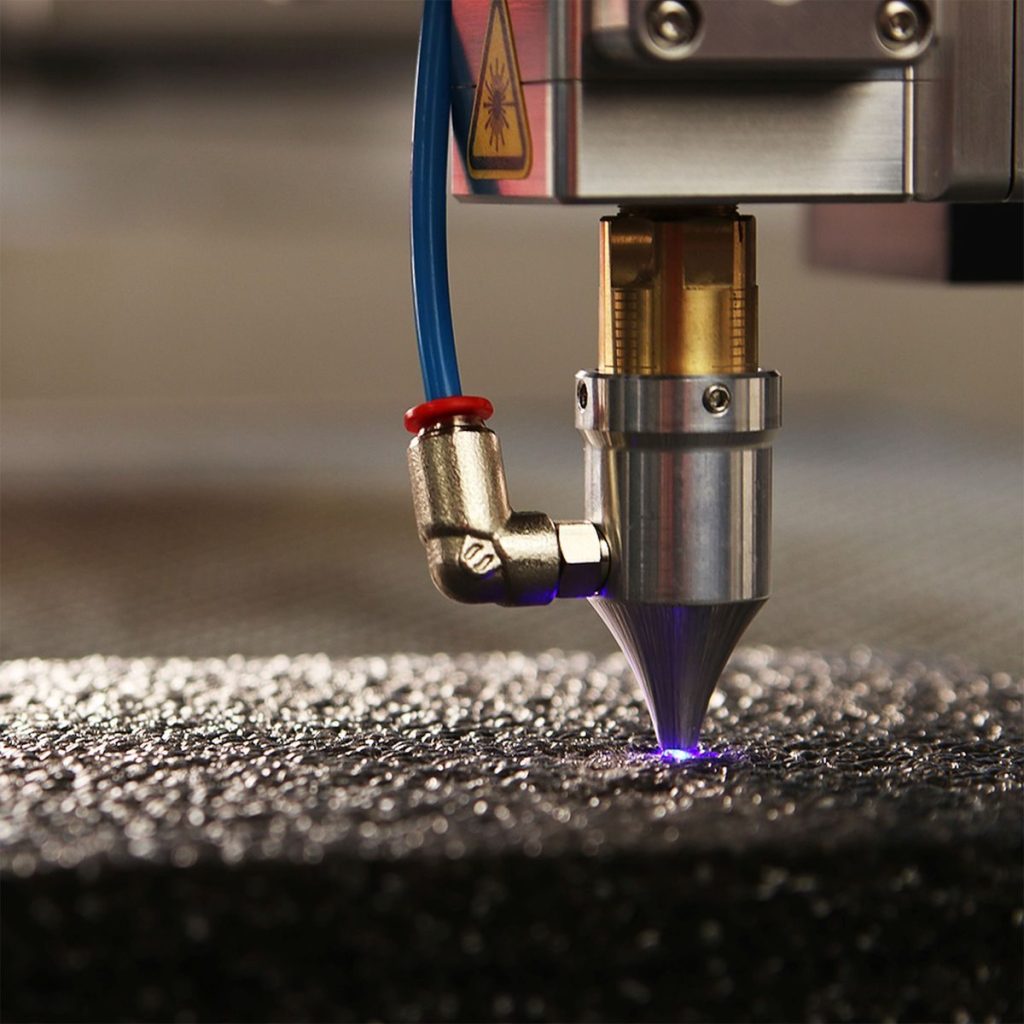
Most atomic cores require massive, high-energy X-rays to shift their state. According to nuclear physicists at JILA, a specific isotope called thorium-229 requires far less laser energy than any other known element. It is unique. This rare material allowed researchers to trigger a nuclear transition using a standard tabletop ultraviolet laser system. But getting the laser frequency exactly right required years of trial and error.
A Precision Leap Forward
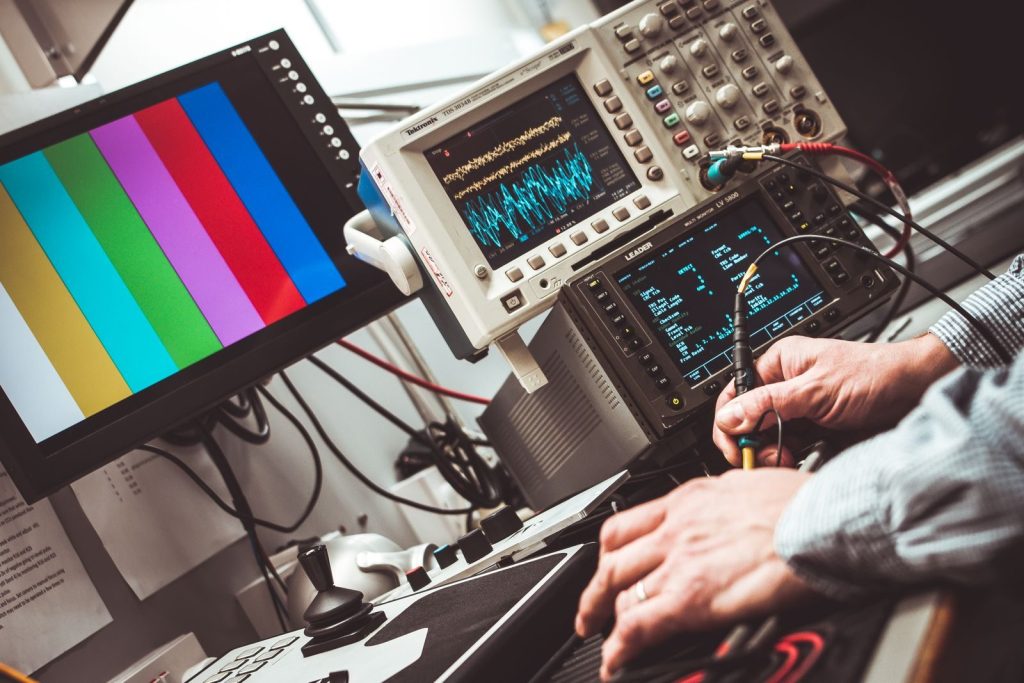
The successful test of this thorium clock represents a major leap in measurement technology. According to official lab data, this new device could eventually prove to be ten times more precise than any current timekeeper. Time stood still. This huge jump in clarity will allow researchers to track tiny changes with incredible, microscopic accuracy. Yet, the true power of this clock goes far beyond just telling time.
Testing The Laws of Physics
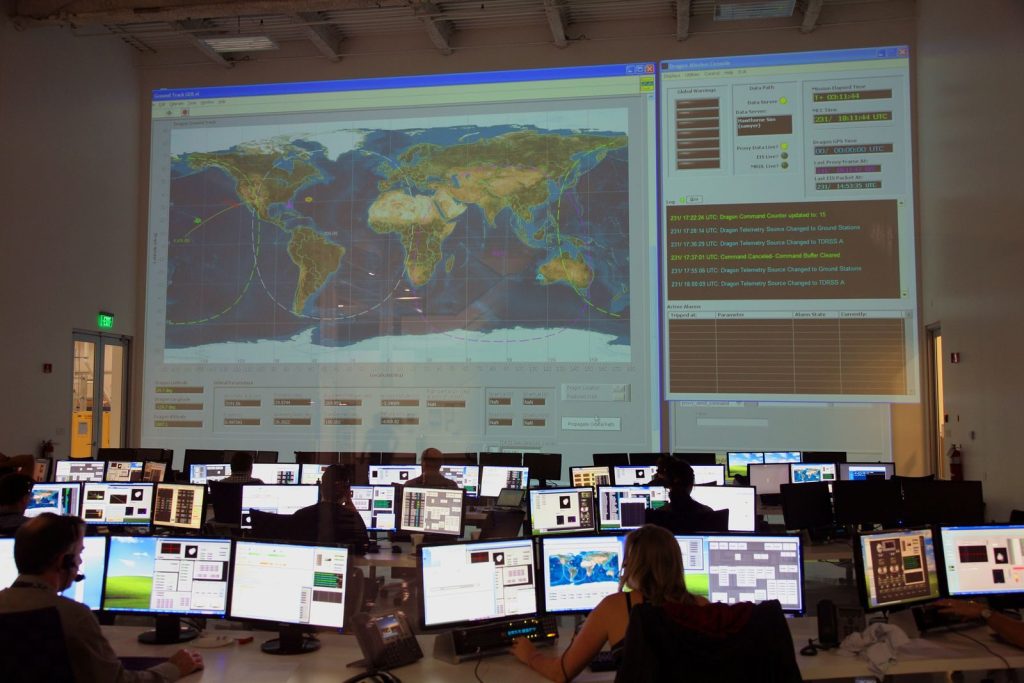
This extreme level of precision allows scientists to test whether the fundamental constants of nature are truly constant. According to researchers at the European Organization for Nuclear Research, a nuclear clock can detect minute shifts in dark matter or gravity over time. They are watching. If the rules of physics are slowly shifting, this machine will be the first to notice. But this tech will also transform everyday systems.
Upgrading Global Navigation Systems

Modern satellite navigation relies heavily on precise time synchronization to calculate distance. According to aerospace engineering reports, replacing old atomic clocks with nuclear ones could make GPS tracking accurate down to the millimeter. This is huge. It will enable safer self-driving cars and highly automated aircraft navigation systems of the future. But deploying this delicate hardware into space is the next major challenge.
The Ultimate Sync Network

Physicists must now connect multiple nuclear clocks together to form a highly synchronized global network. According to quantum science publications, linking these devices will create an incredibly stable, unified system for internet and communication technologies. Power will increase. This hyper-precise network will secure digital transactions and process massive amounts of data in real time. But the path to commercial use still requires scaling this complex laboratory hardware.
A New Era of Time

According to measurement scientists, the birth of the nuclear clock officially marks the next grand chapter in human timing technology. This device will help us navigate our world with absolute precision. Time is expanding. This article is for informational purposes only.
Featured Image: Photo by josue rosales on Unsplash
Leave a Reply