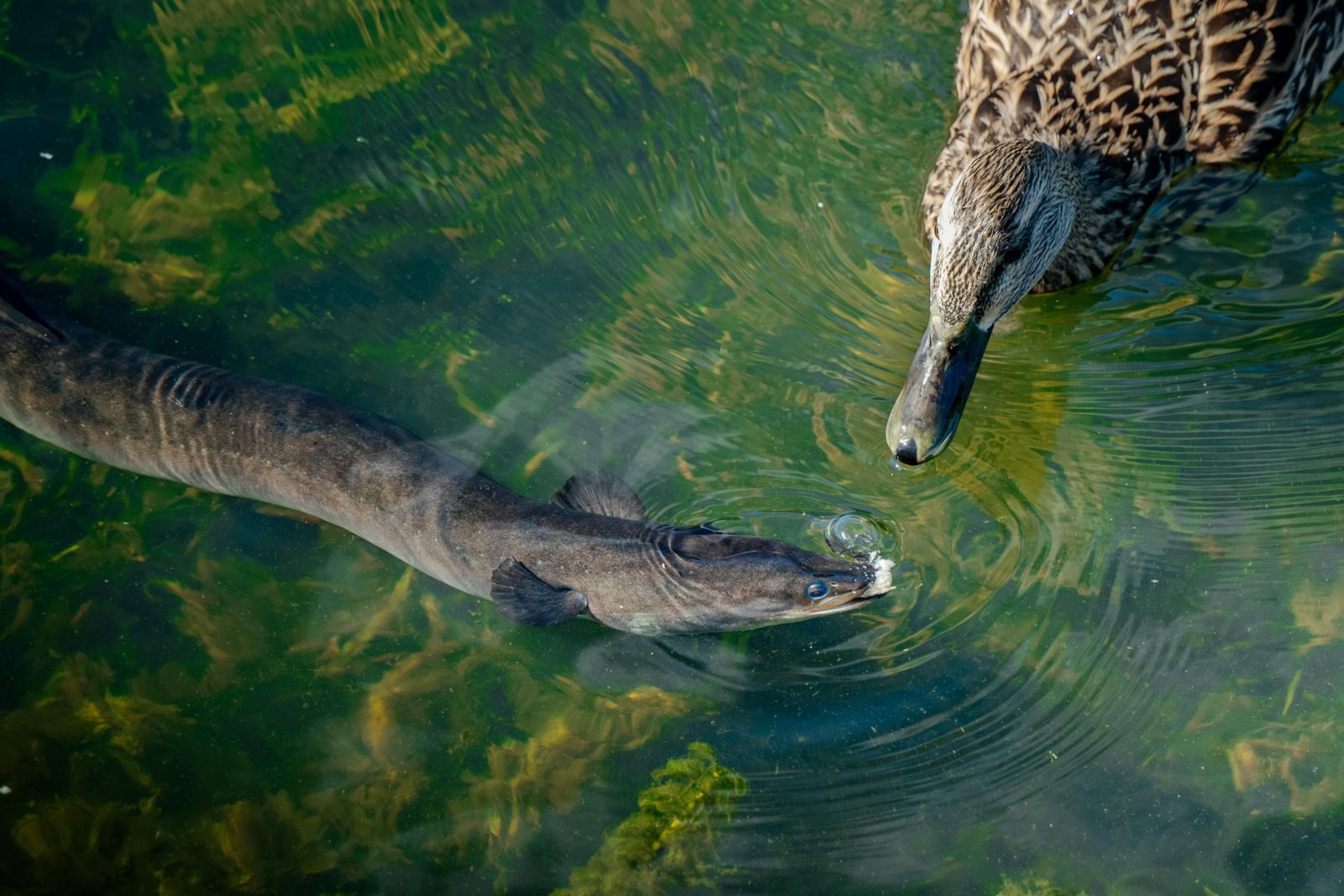
Most people believe that animal hunting strategies rely entirely on classic senses like vision, scent, and hearing. We assume that underwater predators must see their prey to strike.
But some of the world’s most mysterious creatures use powerful biological batteries to navigate and hunt in pitch-black waters. These shocking organisms generate their own electrical fields to survive.
The Biological Battery Secret
Deep in the muddy rivers of South America lives a predator that generates electricity using modified muscle cells. According to zoologists, these specialized cells act like thousands of tiny batteries connected in a series. They are powerful. These organs occupy most of the animal’s long body, but navigating through murky water requires a very delicate charge.
Navigating With Weak Currents
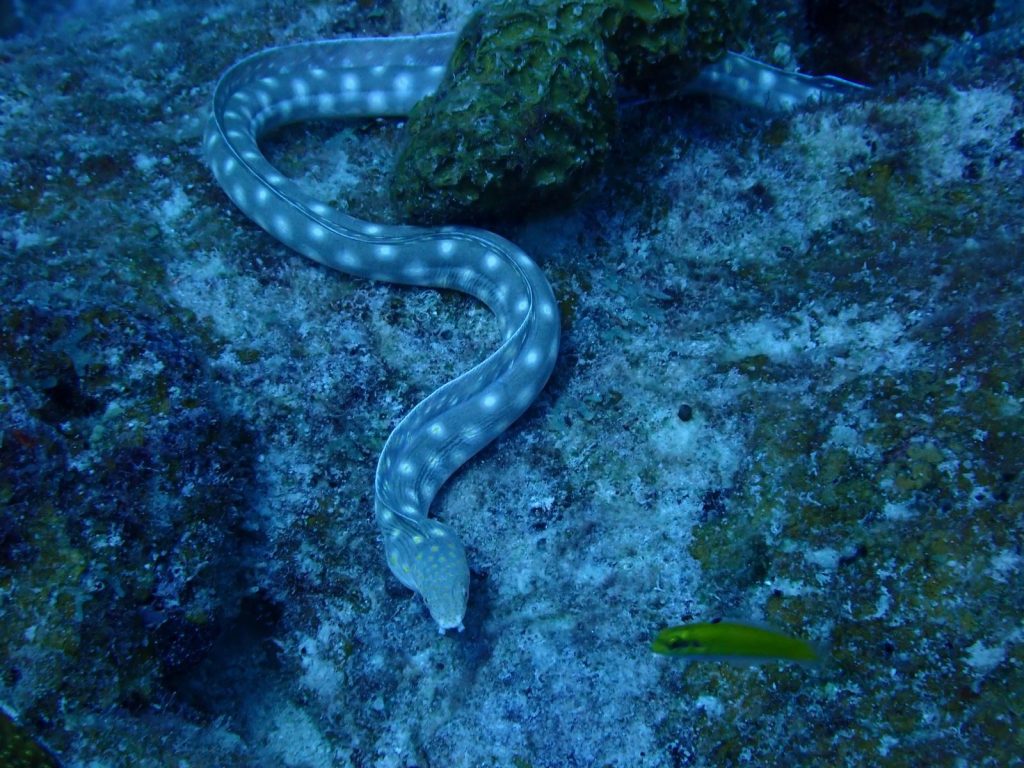
Instead of shocking everything, electric fish emit a constant low-voltage signal to scan their surrounding environment. According to a study published in the journal Science, these weak discharges create an active electrostatic field around the fish. This guides them. Any nearby object disrupts this field, allowing the animal to see in total darkness, but this sensory map is also a highly effective hunting tool.
The Shocking Double Strike
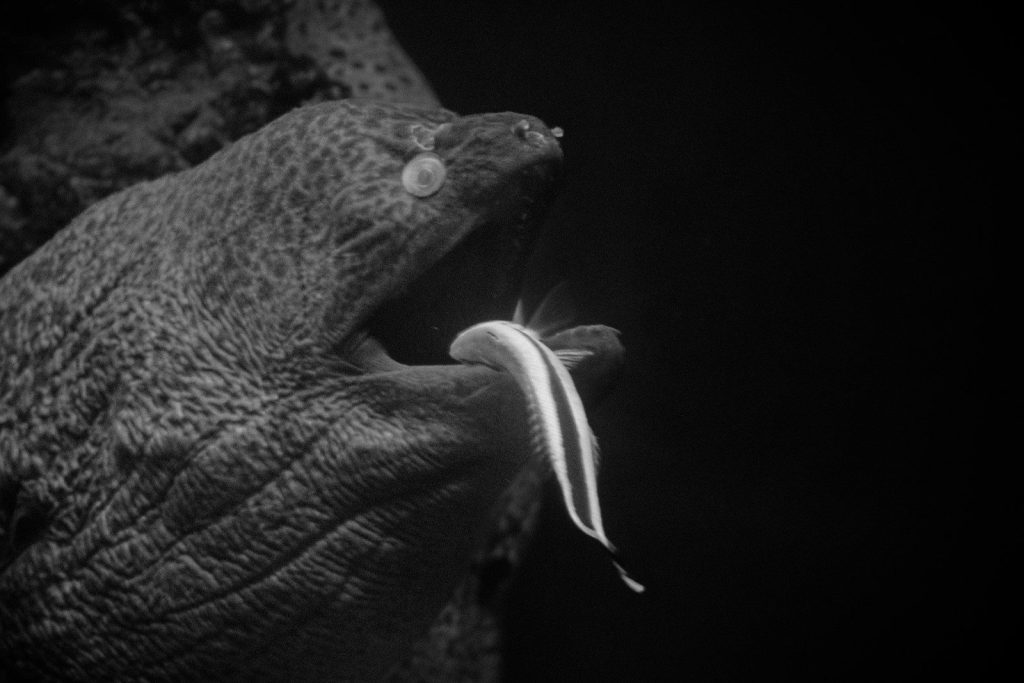
When a target is detected, the electric eel can release a massive blast of up to eight hundred volts of current. According to researchers at Vanderbilt University, this high-voltage shock instantly paralyzes the muscles of nearby fish. The strike is immediate. This physical lock allows the eel to capture its helpless prey in milliseconds, but this weapon also serves as a defensive shield.
Eels Leap To Defend
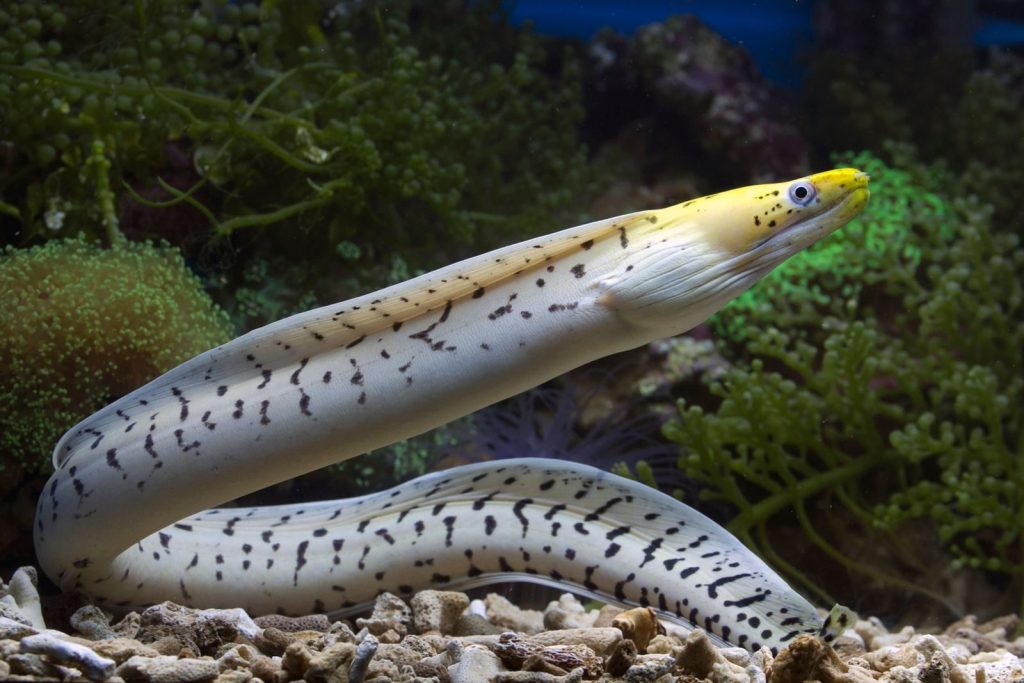
When threatened by land predators in shallow waters, these fish exhibit an incredibly aggressive defensive maneuver. According to studies published in the Proceedings of the National Academy of Sciences, eels will actively leap out of the water to press their chins against an attacker. It is shocking. This behavior delivers the maximum electrical current possible, but they are not the only creatures with this power.
The Platypus Sensory Beak
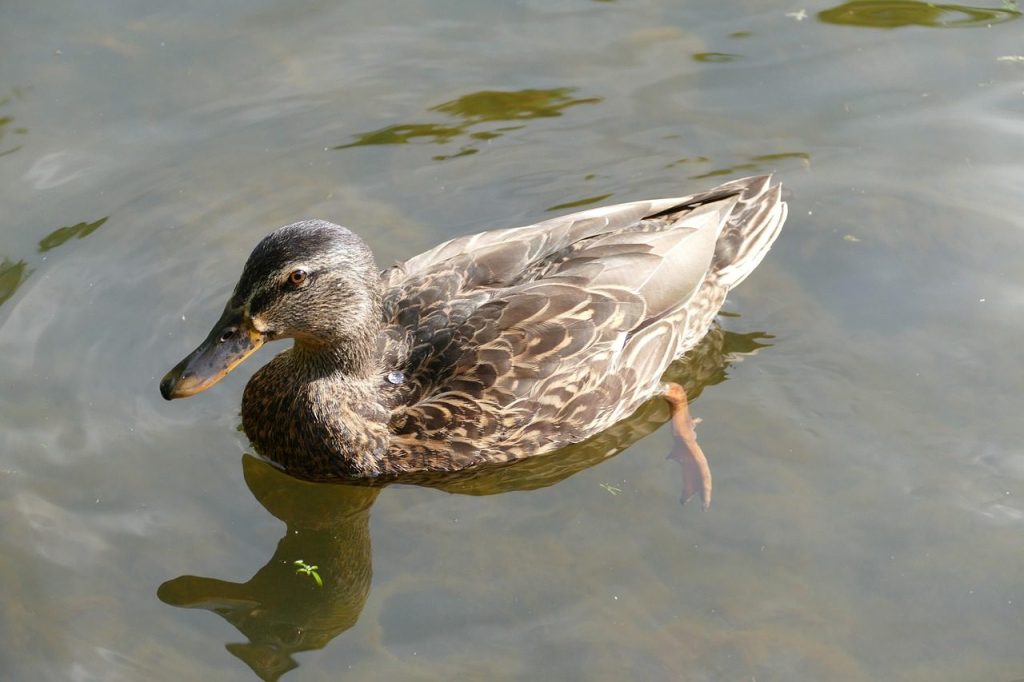
Unlike fish, certain unique semi-aquatic mammals hunt using electric sensors located on their flexible bills. According to researchers from the University of New South Wales, the platypus sweeps its head underwater to detect the tiny muscular movements of buried shrimp. The bill is sensitive. This electroreception helps them hunt with their eyes closed, but other ocean predators use a far more powerful version of this system.
The Ocean Ray Trap
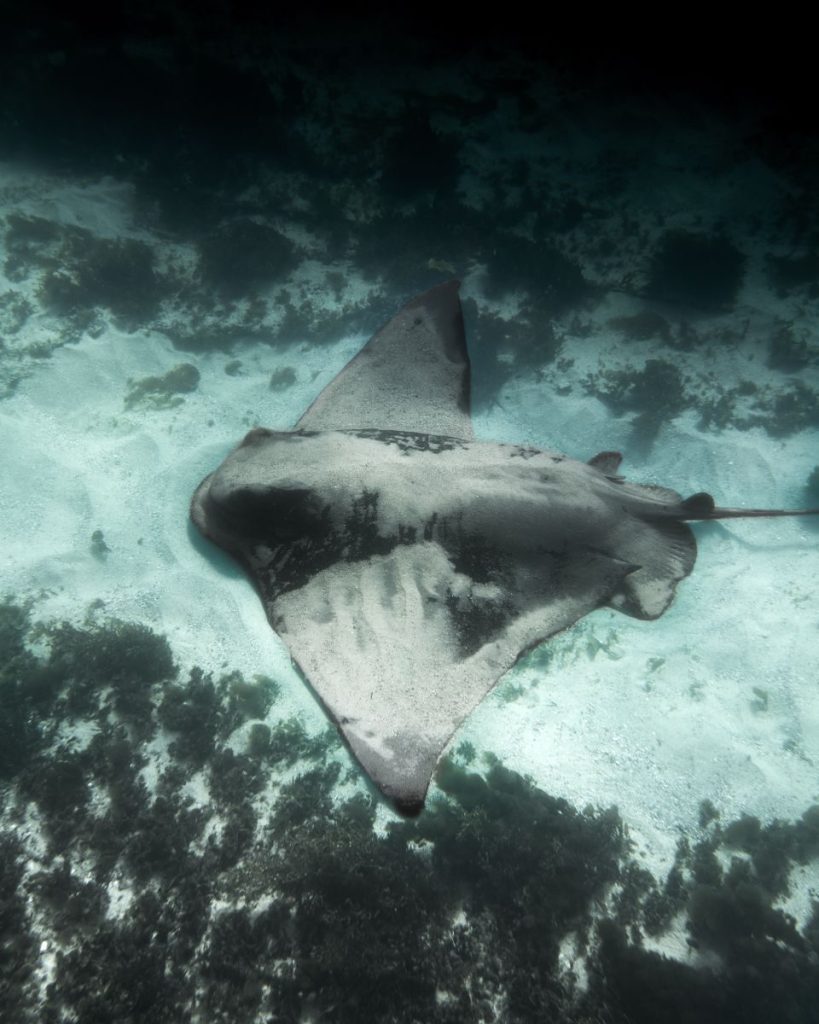
Hidden on the sandy seabed, electric rays wait for unsuspecting fish to swim above their bodies. According to marine biologists, these flat predators can generate over two hundred volts to stun their prey. They wait patiently. This ambush strategy allows them to hunt without chasing after fast prey, but studying these unique electric systems has sparked a major breakthrough in human engineering.
Powering Future Innovations
According to biomimicry engineers, studying how electric animals generate and control their natural currents is helping scientists design better medical implants and batteries. Nature remains our greatest teacher. This article is for informational purposes only.
Leave a Reply