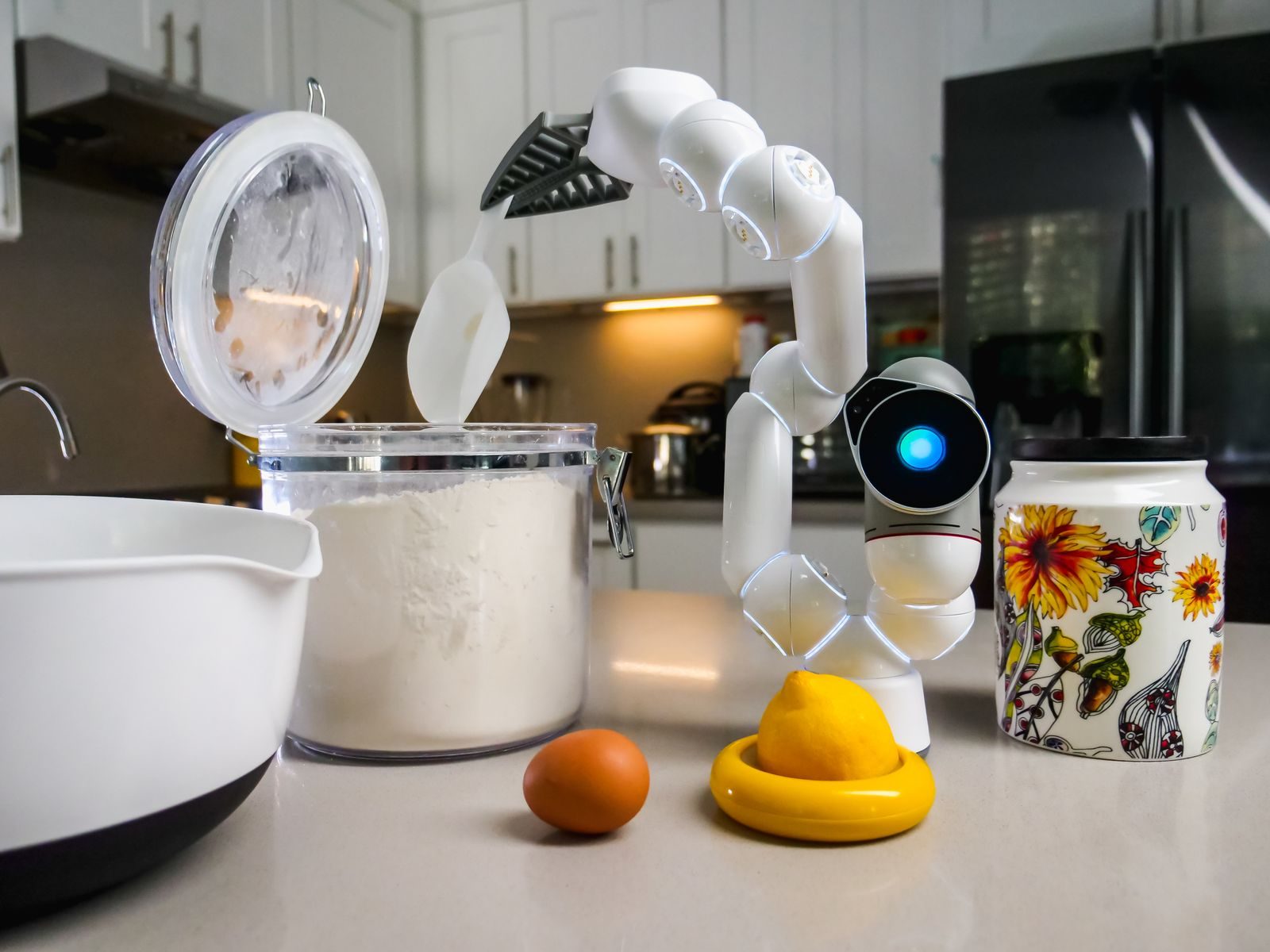
human chef. We assume that machines can only handle simple fast food items.
But advanced artificial intelligence and specialized robotic arms are completely disrupting the culinary industry. These clever machines are now preparing elite dining dishes with zero human intervention.
The Automated Kitchen Revolution
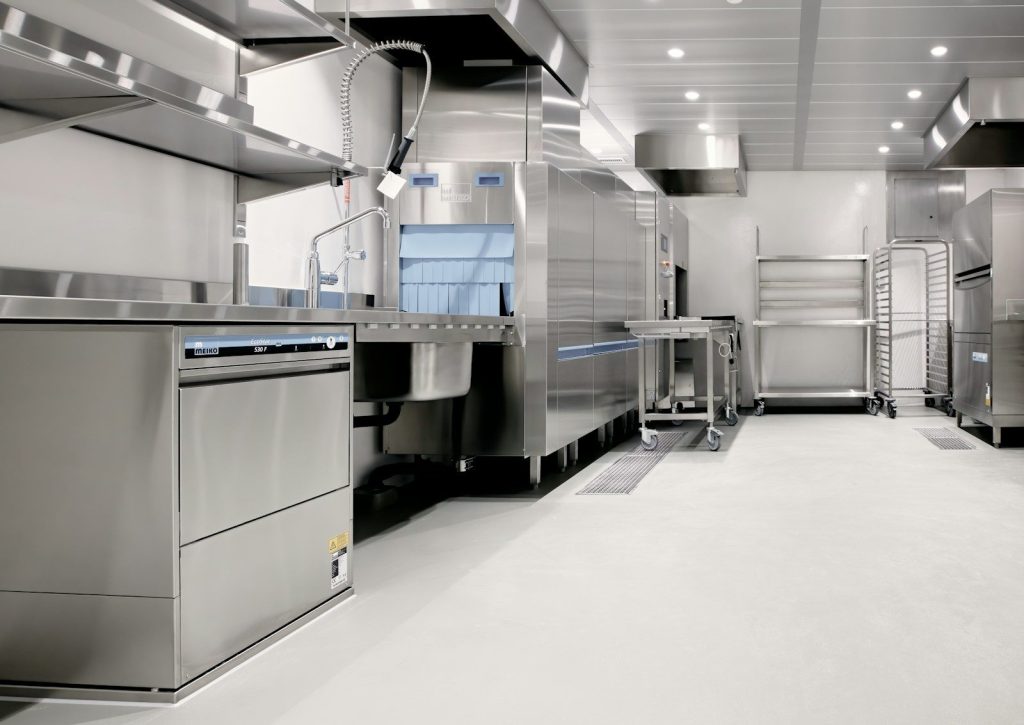
Busy restaurants often struggle to find reliable kitchen staff to handle high-volume cooking stations. According to the National Restaurant Association, labor shortages continue to impact the hospitality industry globally. Help is arriving. Autonomous cooking units can now fry, grill, and plate complex dishes without getting tired, but these basic kitchen machines are about to get a major cognitive upgrade.
Learning To Cook With Vision
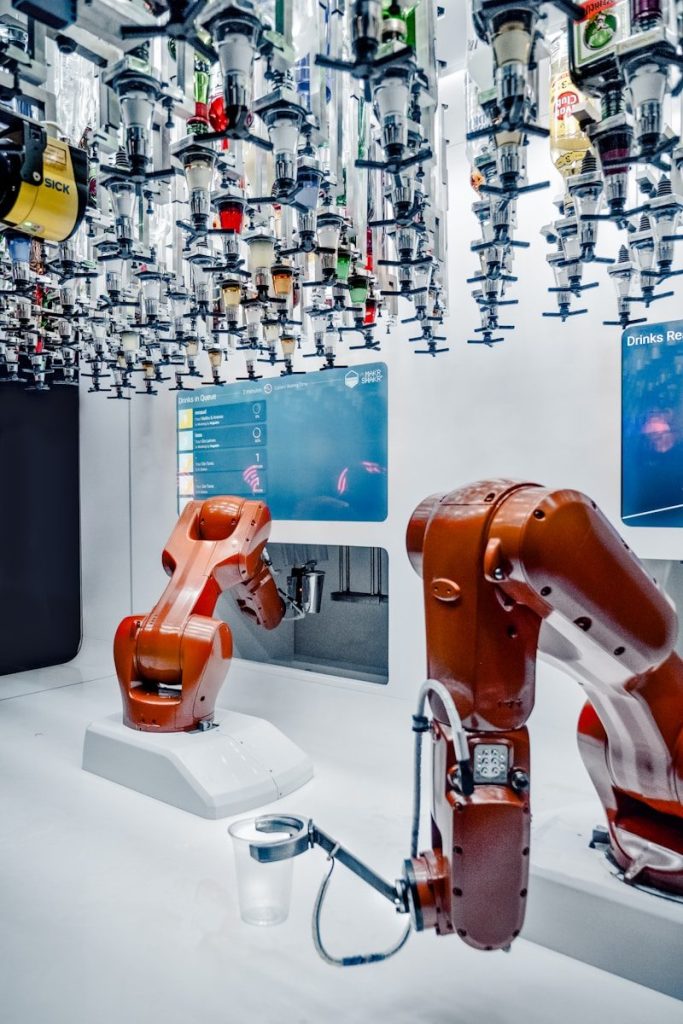
Instead of following rigid programs, modern kitchen robots use artificial intelligence to look at their ingredients. According to developers at Chef Robotics, camera systems allow robotic arms to handle oddly shaped vegetables and meat. They see everything. This visual feedback helps the machine adapt its grip and cutting technique in real time, though handling delicate sauces requires an even greater level of precision.
Perfecting Sensory Food Feedback
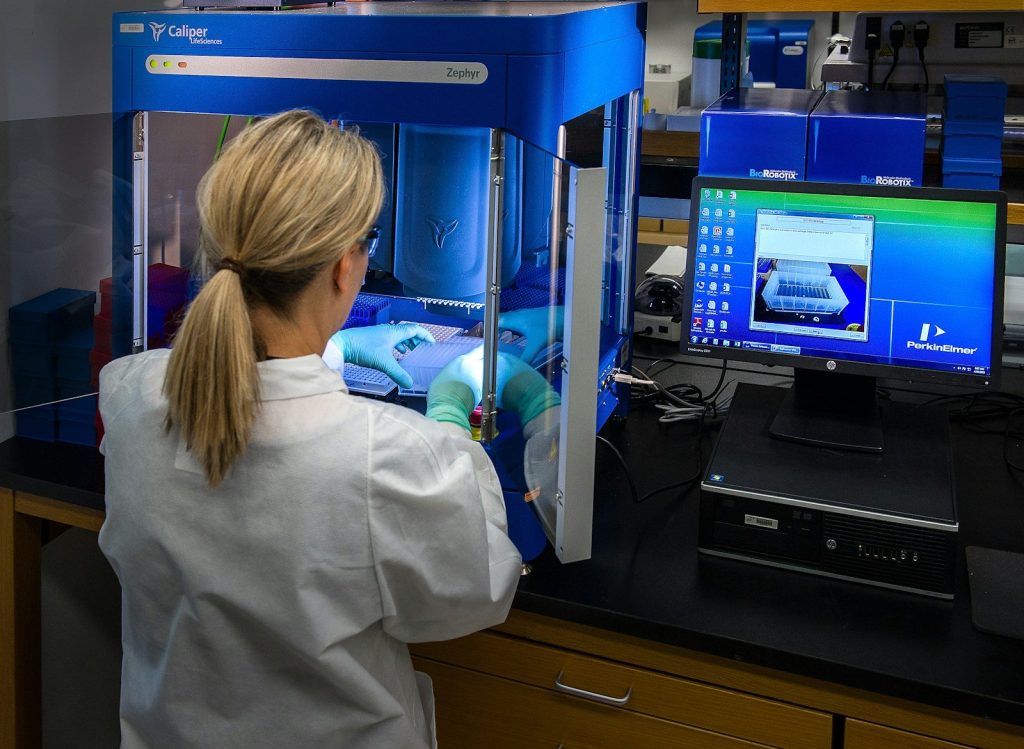
Human cooks rely heavily on taste and smell to ensure every meal meets high-quality standards. According to a study published in the journal Frontiers in Robotics and AI, scientists are developing artificial sensors that mimic human taste buds. Progress is rapid. These digital sensors analyze salt levels and acidity to adjust seasoning automatically, but translating these physical adjustments into complex movements remains a significant hurdle.
Mimicking High End Chefs
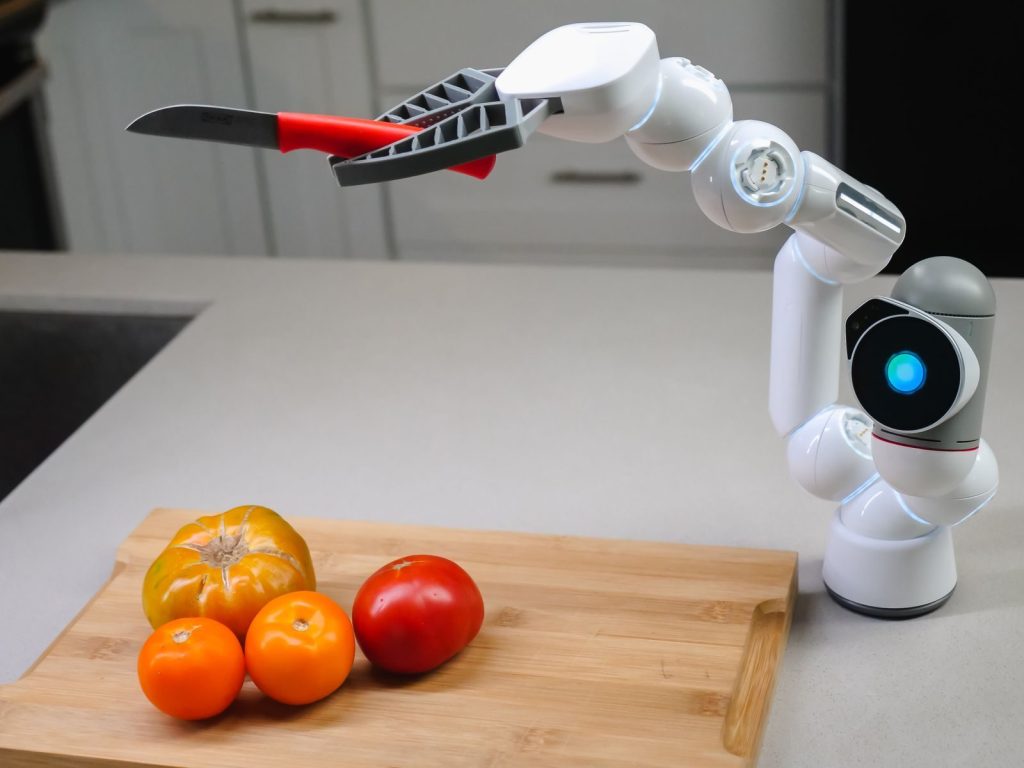
Specialized mechanical arms can now perform complex tasks like folding dough or flipping delicate fish. According to engineering reports from Moley Robotics, their residential robotic kitchen records the physical movements of master chefs and recreates them exactly. The motion is seamless. This level of mimicry allows machines to cook gourmet meals in home kitchens, but the cost of these systems is limiting widespread adoption.
Solving The Safety Equation
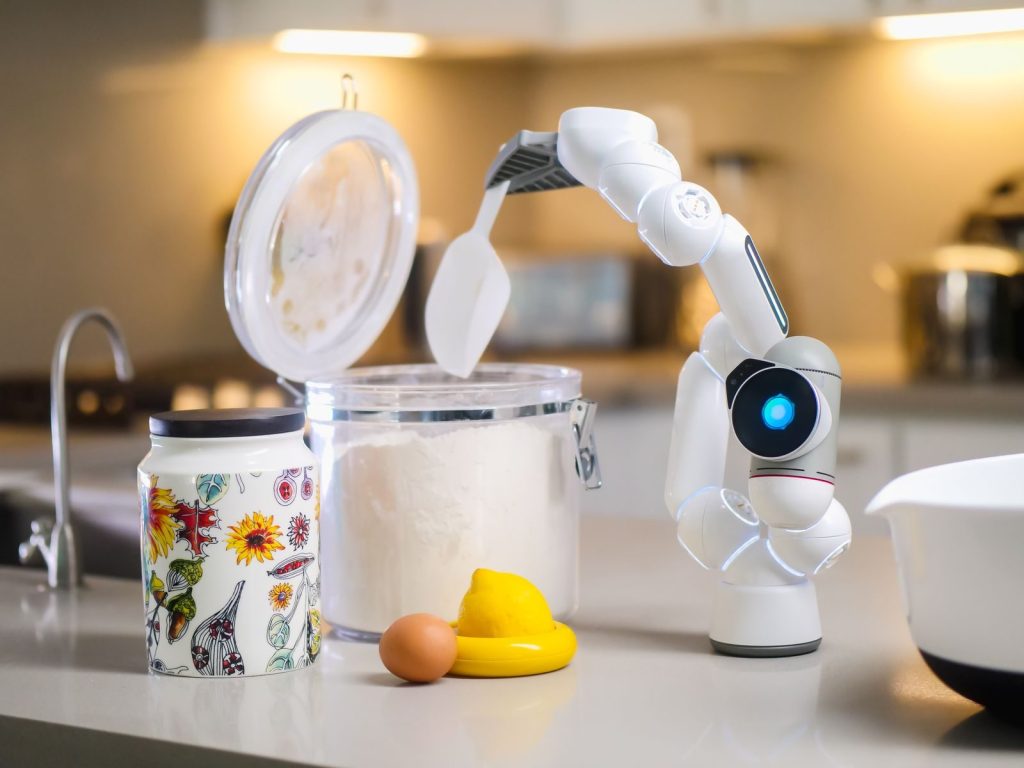
Professional kitchens are chaotic environments filled with open flames and sharp knives. According to safety regulators, integrating heavy machinery alongside human workers requires strict safety boundaries. Accidents must be prevented. Developers are designing collaborative robots with soft sensors that instantly stop moving when they touch a person, but these safety innovations are only one part of the changing landscape.
Ensuring Total Culinary Consistency
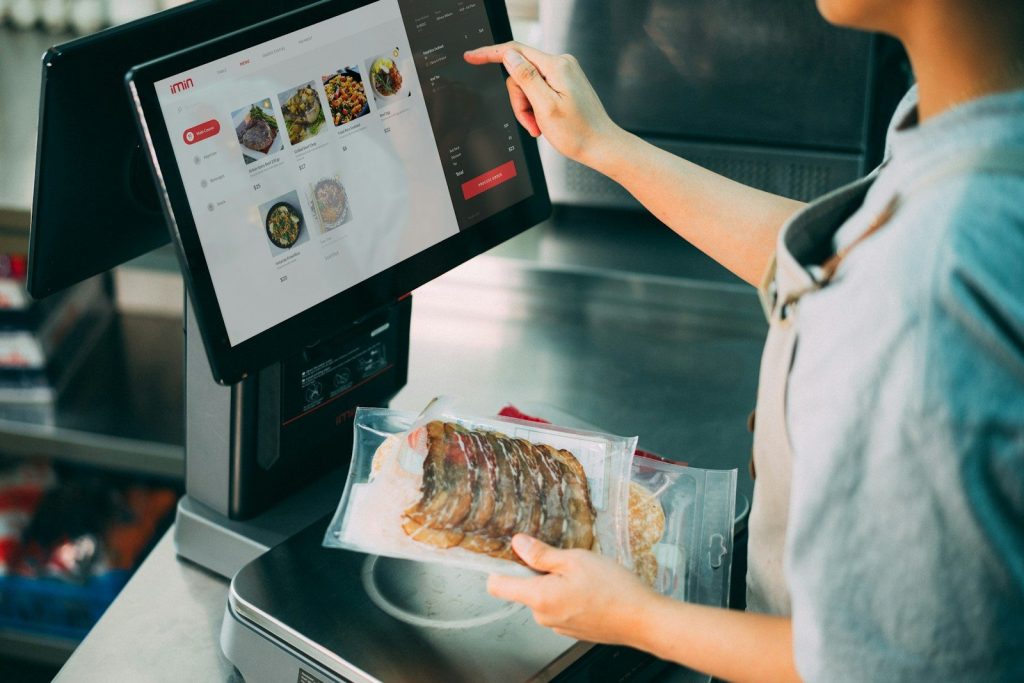
High-volume food franchises require absolute uniformity across thousands of different locations. According to industry reports, automated kitchens ensure that every single dish contains the exact same portion and flavor profile. Quality never drops. This level of consistency helps businesses lower waste and increase customer satisfaction, though some culinary traditionalists argue that machines lack the creative spirit of human cooking.
The Fast Dining Future
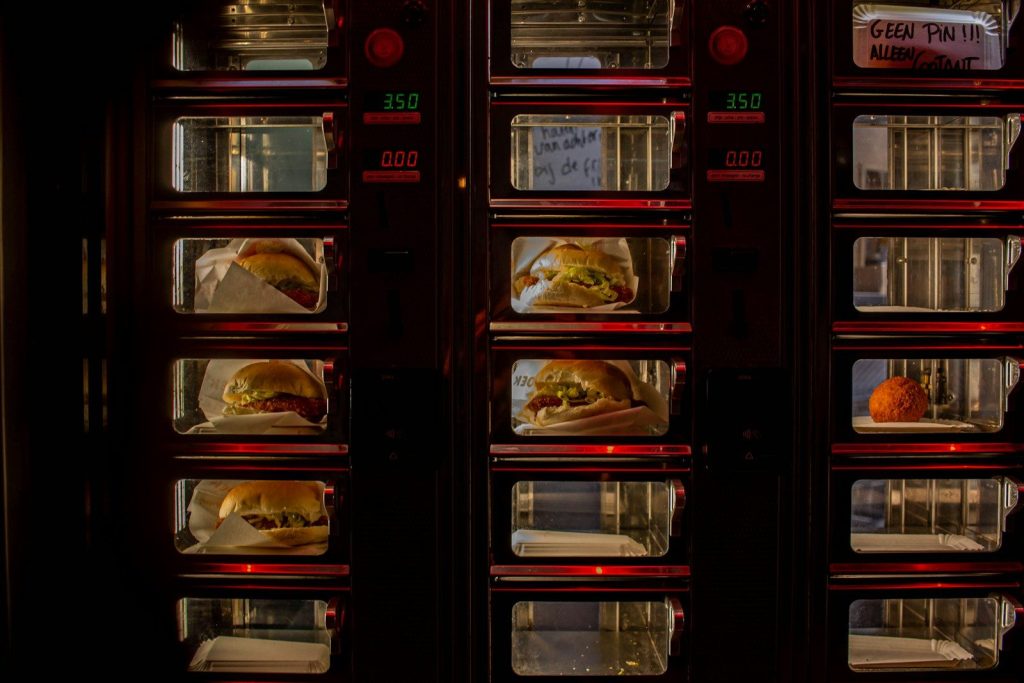
Robotic kiosks are already serving customizable warm bowls and fresh pizzas in major transport hubs. According to market analysts, consumer comfort with automated dining has reached an all-time high. People love speed. This growing acceptance is driving billions of dollars of investment into autonomous kitchen startups, but the long-term impact on human labor remains a critical debate.
A Brand New Menu

According to food tech researchers, robotic culinary systems will work alongside human creators to enhance kitchen efficiency. This transition will allow human chefs to focus on creative recipe development rather than repetitive tasks. This article is for informational purposes only.
Featured Image: Photo by Kindel Media on Pexels
Leave a Reply