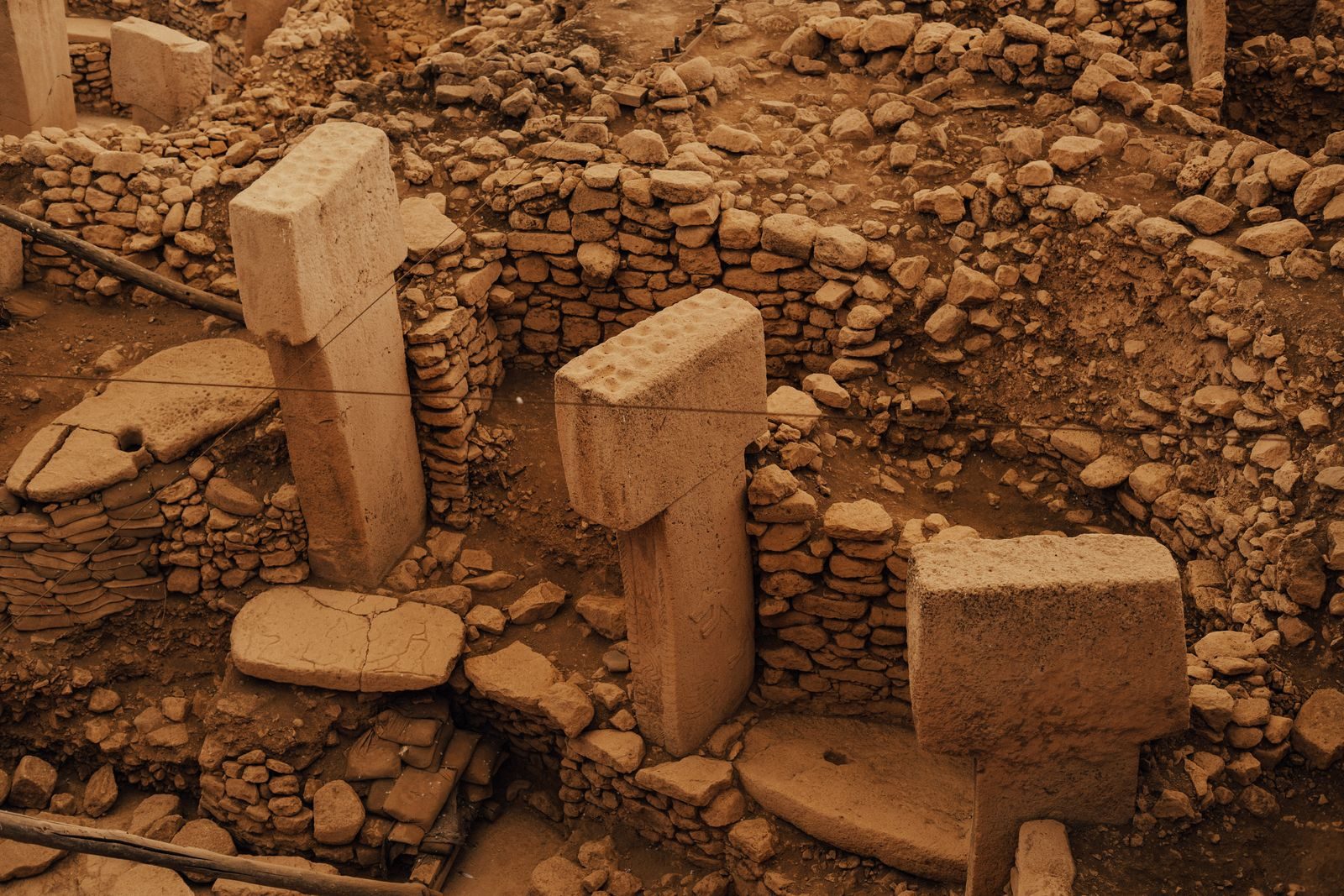
Most people assume that ancient builders moved giant stone monuments using brute force. We believe that thousands of workers dragged heavy rocks through sheer muscle power.
But experimental physicists have discovered a simple structural trick hidden in ancient records. This brilliant method allowed a tiny crew to move mountain-sized stones with ease.
The Giant Megaliths
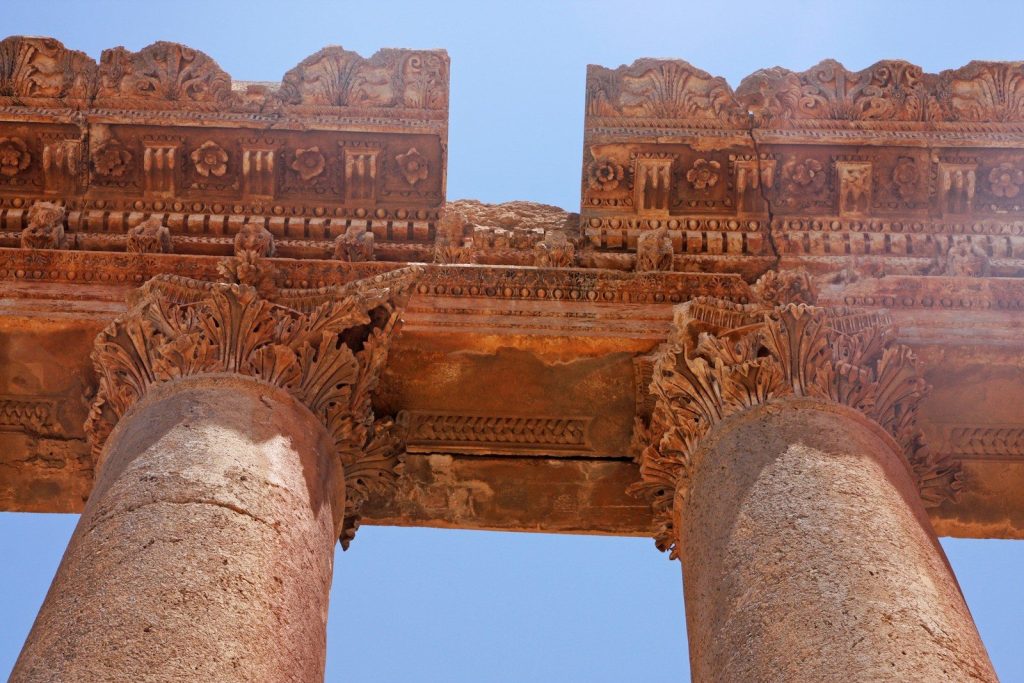
Ancient structures like the stone blocks of Baalbek weigh more than eight hundred tons each. Moving these giant stones with simple ropes and human muscles seems physically impossible. According to engineering reports from archaeological sites, even modern cranes struggle to lift these colossal blocks. They are massive. However, ancient builders left behind subtle clues that point to a highly efficient method.
Wetting The Sand
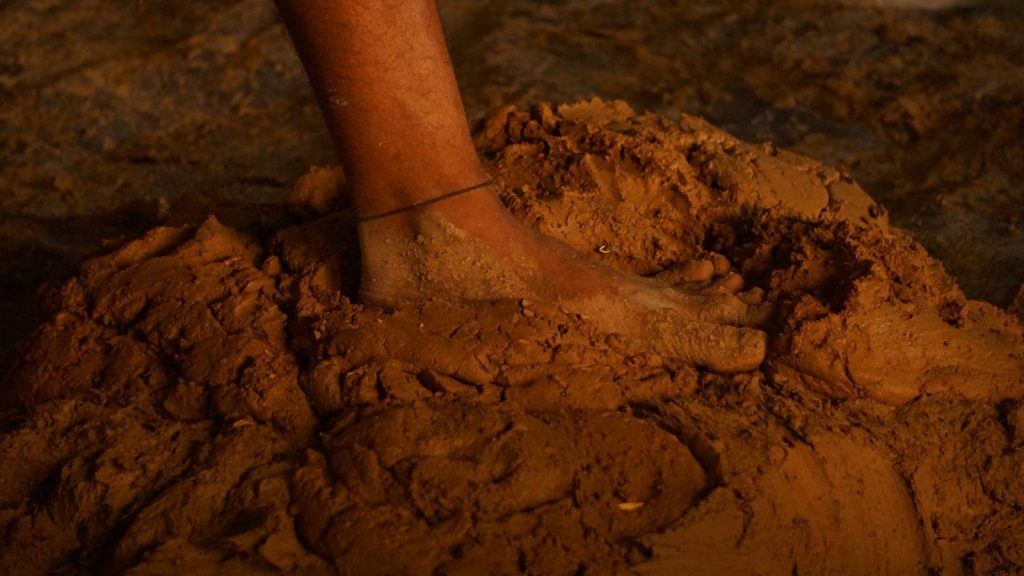
Egyptian wall paintings depict workers pouring liquid directly in front of giant sleds carrying heavy stone statues. Historians long assumed this act was a simple religious ritual. According to a study by physicists at the University of Amsterdam, pouring water on dry sand cuts the required pulling force in half. The physics is perfect. But this simple moisture trick was only the beginning of their mechanical genius.
The Rolling Cradle
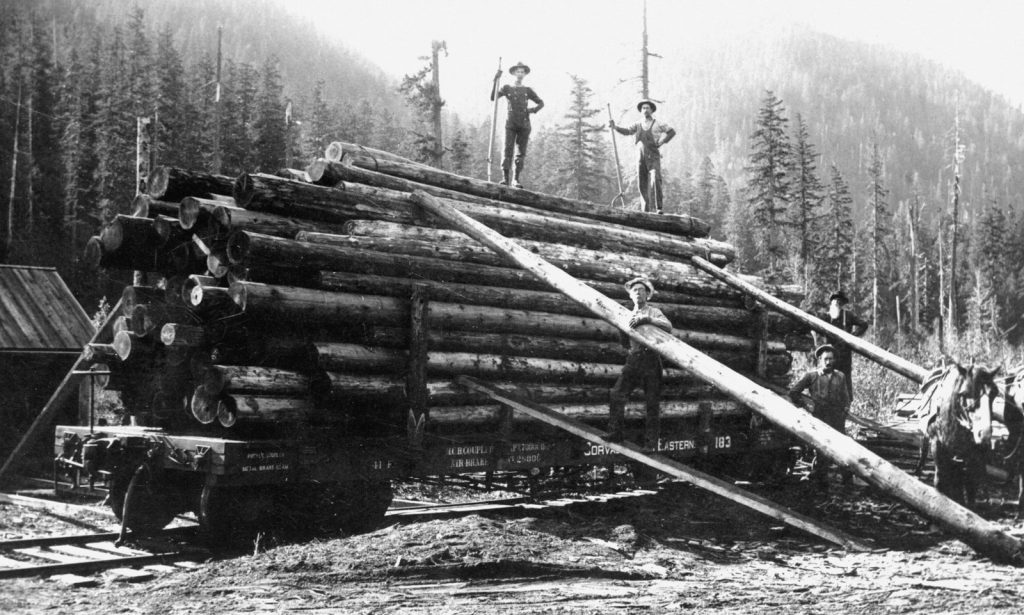
To move cylindrical stone pillars, ancient engineers did not drag them across the rough ground. They wrapped the giant stones in wooden frames to transform them into massive rollers. According to architectural researchers, this clever trick allowed workers to roll the pillars like giant wheels. Friction was defeated. Yet, moving flat blocks required an entirely different mechanical solution.
The Wooden Casing

Builders attached curved wooden blocks to all four sides of square stone obelisks. This simple casing turned the sharp square stones into round shapes that could roll easily. According to experimental physicists, this simple transformation dramatically reduced the amount of human effort needed to transport the stone. It worked flawlessly. But rolling these giants up steep temple hills required one more brilliant invention.
Pulling Up Hills
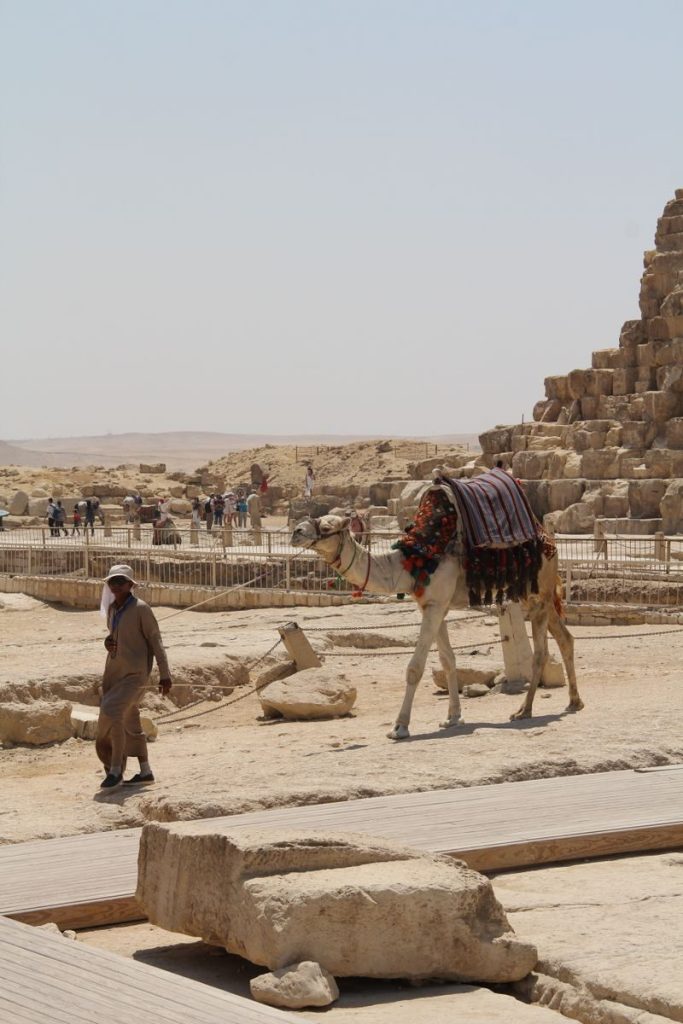
Pulling stones up steep ramps required ancient civilizations to manufacture ropes of incredible thickness and strength. They wove these ropes from papyrus and local plant fibers. According to rope materials scientists, these ancient plant ropes could withstand tens of thousands of pounds of tension. They were strong. Yet, pulling these massive loads still required a clever way to multiply human force.
Early Capstan Power
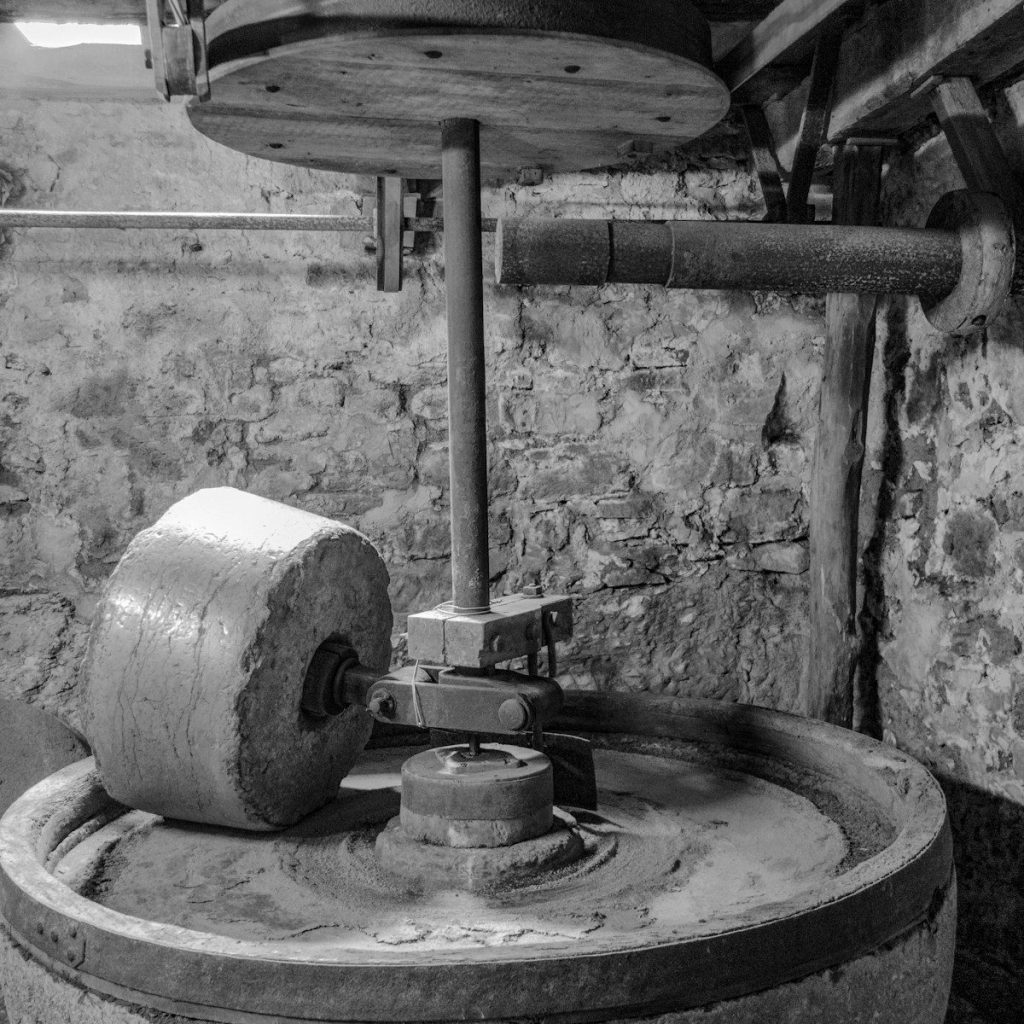
Early engineers built heavy wooden winches called capstans to wind up their thick ropes. By turning these simple levers, a small crew of workers could generate massive pulling power. According to mechanical engineering historians, this setup allowed a few dozen men to pull multi-ton stones up steep angles. They multiplied force. But matching these stones together with perfect accuracy presented a final puzzle.
Fitting Massive Blocks
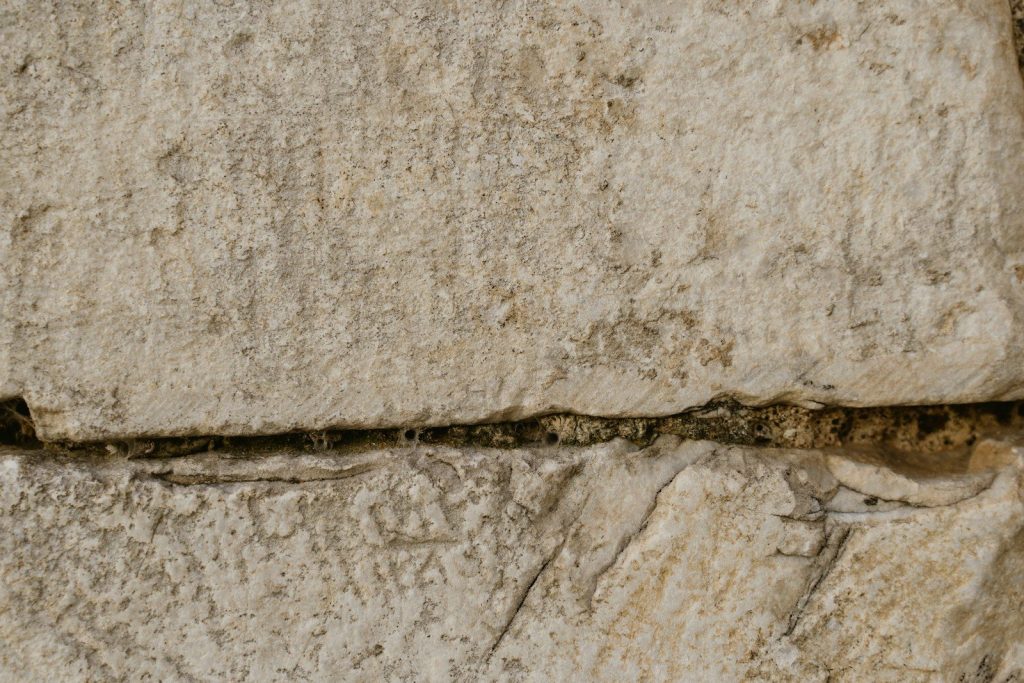
Fitting massive blocks together without mortar required builders to use wet sand as a physical grinding compound. They slid the giant stones until the surfaces matched perfectly. According to geological surveys at ancient sites, these joints are so tight that a razor blade cannot slide between them. The fit is seamless. This reveals the immense patience and physical knowledge of these early architects.
Master Of Materials

Monuments of early civilizations did not rely on lost space technology or magical powers to be built. They knew their physics. According to modern structural engineers, we are still learning valuable design lessons from these prehistoric projects today. This article is for informational purposes only.
Leave a Reply