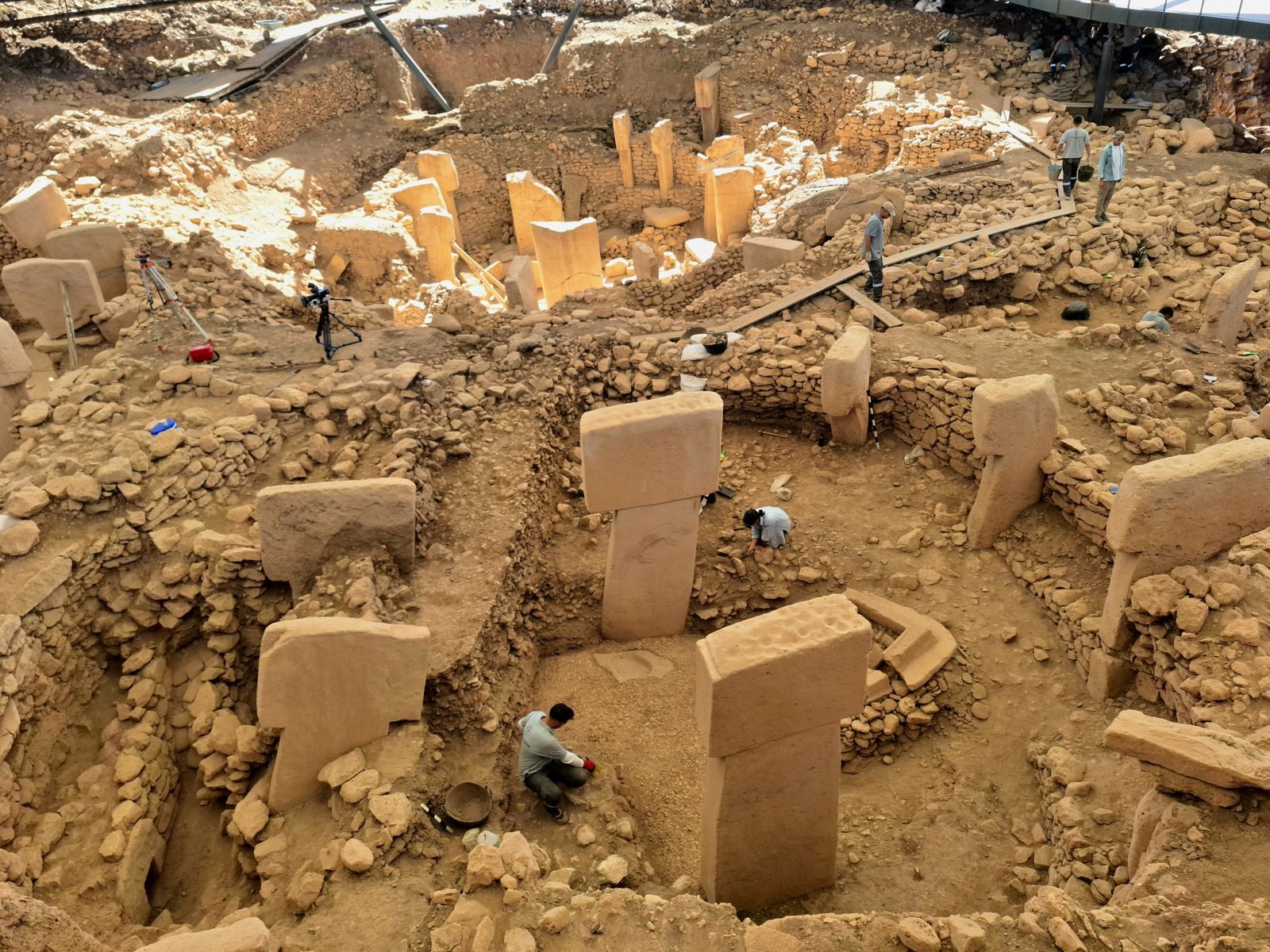
We assume that complex manufacturing and industrial organization are strictly modern achievements. Most people believe that ancient humans only wandered the earth in disorganized groups.
But archaeologists have made a shocking discovery inside a dusty hill. They uncovered a massive 125,000-year-old factory that challenges everything we know about prehistoric technology.
Secrets In The Dirt

A team of researchers was conducting a routine excavation in a remote hilly region. They expected to find common fossils or simple broken stones. According to reports from the journal Nature, they instead stumbled upon an organized industrial workshop. It was incredibly old. The scale of the layout stunned the entire archaeological community.
Precision Tool Production

The site was filled with thousands of specialized stone tools arranged in neat piles. These were not random rocks but carefully crafted weapons and scraping devices. According to the German Archaeological Institute, the craftspeople used a highly consistent method to shape each piece. They were master builders. But the true mystery is who actually built this massive facility.
Before Modern Humans

At 125,000 years old, this site predates the widespread arrival of modern Homo sapiens in the area. The factory was built and run by another human species entirely. According to paleoanthropologists at the Smithsonian Institution, Neanderthals were likely the masterminds behind this advanced production line. They were highly intelligent. This discovery completely shatters old myths about our ancient cousins.
The Organization Of Labor
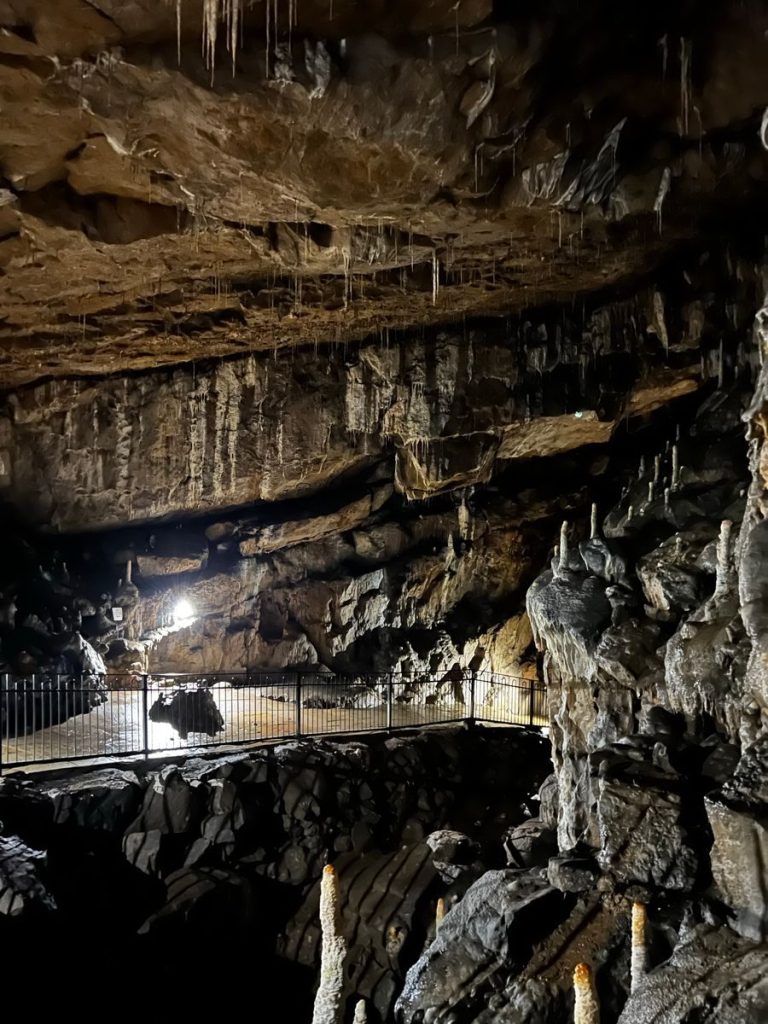
The factory layout shows a clear division of space for different tasks. There were specific areas for raw materials, rough shaping, and final sharpening. According to a study published in PLOS One, this organized space proves that Neanderthals had complex social systems. They worked together. But the ancient craftsmen also had to solve a major engineering problem.
Sourcing The Raw Stone

Premium flint used in the factory did not come from the local hill. The workers had to transport heavy stones over vast distances. According to geological analysis by the University of Oxford, the raw materials were carried from quarries miles away. The journey was grueling. This logistical effort suggests a highly sophisticated trade network existed.
A Sudden Disappearance

For centuries, the busy factory produced high-quality tools for local hunting tribes. Then, the entire operation suddenly stopped and was buried under layers of soil. According to archaeological soil samples, climate shifts may have forced the workers to abandon their ancestral home. The silence was absolute. Yet, the preserved ruins are teaching us an invaluable lesson about our past.
Our Shared Legacy

This ancient factory proves that human ingenuity is far older than we ever imagined. Our extinct relatives possessed advanced planning skills and deep technical knowledge. According to evolutionary historians, we are only beginning to uncover the true complexity of prehistoric life. This article is for informational purposes only.
Featured Image: Photo by Alper Murat KİRPİK on Pexels
Leave a Reply